Ancient Egyptian Tombs: The Houses of Eternal Sleep
Welcome to the definitive guide for Ancient Egyptian Tombs. Most people today view tombs as monuments for the dead. However, the ancient Egyptians looked at life and death differently. In their view, a person never truly dies. Instead, the deceased entered a deep sleep.
The core of this ancient religion centered on the Sunrise and Sunset. Every morning, the rising sun brought life because it made people conscious. Every evening, the setting sun brought “death” because people became unconscious. Therefore, a person in a tomb was simply waiting for the sun to wake them up again. We call these structures the “Houses of Eternity” because they protected the sleeper until their next great awakening.
Read More
Why Did Ancient Egyptians Build Tombs?
The ancient Egyptians built tombs for a very practical reason. They wanted to preserve the physical body and the belongings of the person in the “deep sleep.” They believed that the afterlife took place right here in Egypt. Consequently, the sleeper would eventually wake up and need everything they owned in their first life.
The Purpose of Mummification
Because the afterlife was a physical experience, the soul needed a body to return to. Therefore, the Egyptians perfected the art of mummification. They did not want the body to decay. If the body disappeared, the soul would have no place to live when it woke up. By placing the mummy inside a strong stone tomb, they kept the body safe for the day the sun would give it life again.
Storing Life’s Treasures
Furthermore, the tomb served as a storage room for a person’s most precious items. Pharaohs and nobles filled these rooms with gold, furniture, and even food. They believed these objects would be ready for use the moment they opened their eyes. They wanted to maintain their wealth and comfort in the next life just as they did in the first.
The Evolution of the Tomb: From Benches to Mountains
Over three thousand years, tomb architecture changed to better protect the sleepers. This guide explores every stage of this architectural journey:
Mastabas: These were the earliest royal tombs. They looked like rectangular, mud-brick benches.
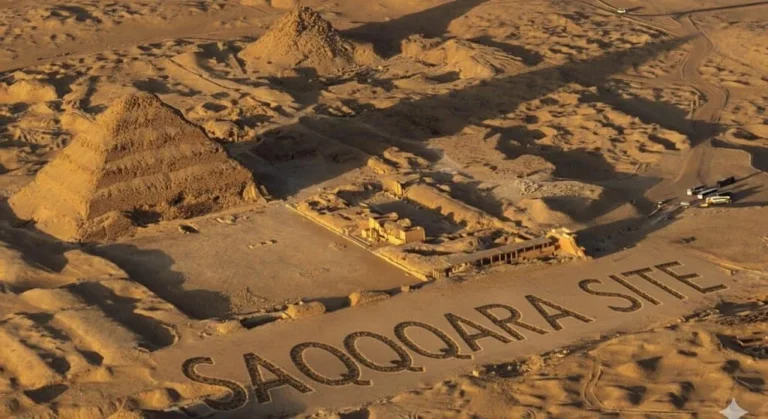
Step Pyramids: The architect Imhotep stacked several mastabas on top of each other. This created a giant stone staircase for the King.
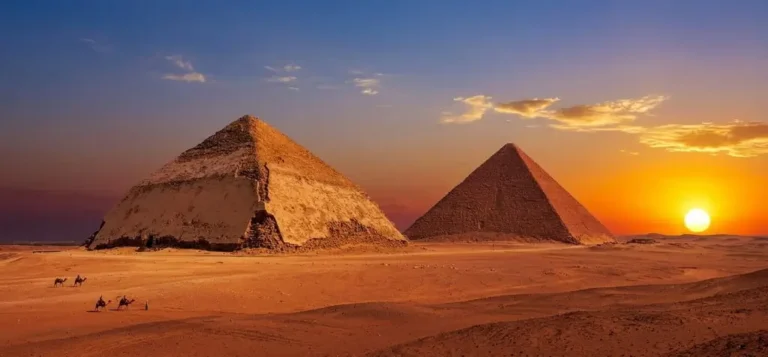
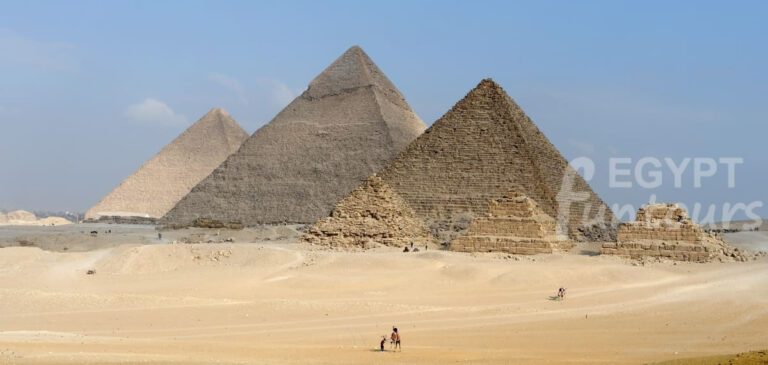
True Pyramids: During the Old Kingdom, builders created the famous smooth-sided pyramids at Giza.
Rock-Cut Tombs: Later, New Kingdom Pharaohs hid their burials. They carved deep, secret galleries into the cliffs of the Valley of the Kings.
The Magic of the Texts: Remembering Who You Are
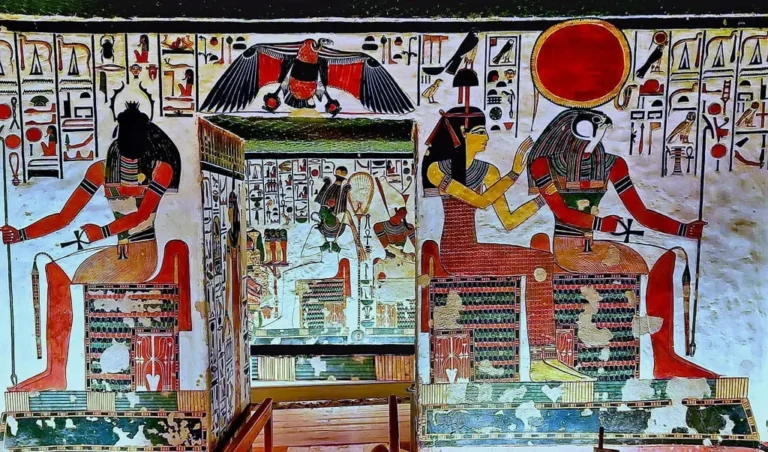
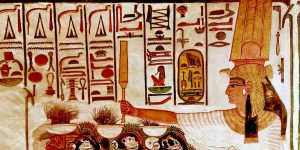
Inside the dark tomb, the walls acted as a “memory bank.” The Egyptians covered the walls with Pyramid Texts and Coffin Texts. These inscriptions were vital for the sleeper.
Waking Up with the Sun: The Egyptians believed the sun god, Ra, would eventually shine his light into the tomb. This light would give life back to the mummy.
A Guide for the Soul: Once the person woke up, they would read the texts on the walls. These writings reminded the person of their name, their titles, and their family.
Continuing the Journey: By reading about their profession and their belongings, the deceased knew exactly how to continue their life. The texts ensured that the person did not wake up as a stranger to themselves.
Explore the World of Ancient Egyptian Tombs
Use our links below to discover specific burial sites and learn the secrets of the Pharaohs.
How far in advance should I book my tour? We recommend booking as early as possible, especially for peak seasons, to ensure availability and secure the best price. Many tours can be booked up to 12 months in advance.
What is the typical group size for your tours? Our Top speciality is Private Tours. As for groups, group size vary by tour, but we generally keep them small to ensure a personal and high-quality experience. The average is typically between 10-16 guests.
Are your tours private or shared group tours? We offer a mix of both. You can find this information clearly indicated on each individual tour page. Group tours are marked as such, and private options are always available.
How do I know if a specific departure date is available? For Private Tours, you do not need to, as they are available everyday. For group tours, you need to contact us.
Payments & Pricing
What is included in the tour price? Inclusions vary per tour but often cover accommodation, transportation, professional guiding, and certain meals/activities & entrance fees. Detailed inclusions are listed on the itinerary section of each tour page.
Do I need to pay a deposit, and what payment methods do you accept? Yes, a deposit (25%) is required to confirm your booking. We accept major credit/debit cards (Visa, Mastercard, etc.) and bank transfers. Full details are in our Terms and Conditions.
Are there any hidden fees or surcharges? No. The price listed on the tour page is the final price, which is inclusive of all mandatory local taxes and fees. Any optional extras will be clearly noted.
What is your cancellation and refund policy? Our policy is clearly detailed in our Terms & Conditions. The amount refunded depends on how far in advance of the start date you cancel. We recommend travel insurance for maximum protection.
General & Logistical
Is the destination safe for tourists? Travel safety is our top priority. We closely monitor government advisories and take all necessary precautions. We only operate in areas deemed safe and utilize experienced local guides for maximum security and peace of mind.
Do I need a visa to travel to the destination? Visa requirements vary based on your nationality and the destination. We advise all travelers to check with their country’s embassy or consulate for the most current entry requirements well before departure.
What sort of hotels/accommodation are used? We generally use high-quality, centrally located 4- or 5-star hotels (or the local equivalent). Specific hotel names or classification examples are listed on the individual tour pages.
What should I pack for my tour? A detailed packing list, specific to the tour’s climate and activities, is provided upon booking. Generally, comfortable walking shoes, layers of clothing, and sun protection are a must.
Customization & Support
Can I customize a tour or create my own itinerary? Absolutely. If our packages don’t fit your needs, you can work with our travel experts to customize any tour or build a fully private, custom itinerary. Contact us to start planning.
What support is available if I have a problem during the tour? You will have 24/7 access to our dedicated local support team and your tour guide for any emergencies, changes, or issues that may arise during your trip.