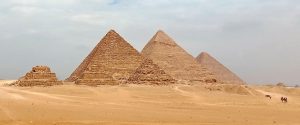

Egyptian Pyramids

Discover the wonders of Egypt

Home » Egyptian Pyramids

Ancient Egyptian Pyramids: The Definitive Guide

The ancient Egyptian pyramids are the most iconic structures ever built. For over 4,500 years, they have stood as monuments to the power of the Pharaohs and the ingenuity of their architects. In 2026, these sites will remain the heart of Egyptian tourism. However, discoveries and high-tech scanning are currently rewriting the history of how they were built.

At Egypt Fun Tours, we believe that understanding the pyramids requires seeing more than just Giza. You must follow the timeline of their evolution from the first stone experiments to the massive peaks of the Fourth Dynasty.

The Evolution of the Pyramid Form

The “true” pyramid did not appear overnight. It was the result of centuries of trial and error.

1. The Mastaba: The Foundation

Before pyramids, kings were buried in Mastabas. These were flat-topped, rectangular tombs made of mud-brick. They were designed to protect the body and house the soul’s earthly possessions. You can still see magnificent examples of royal mastabas at Saqqara.

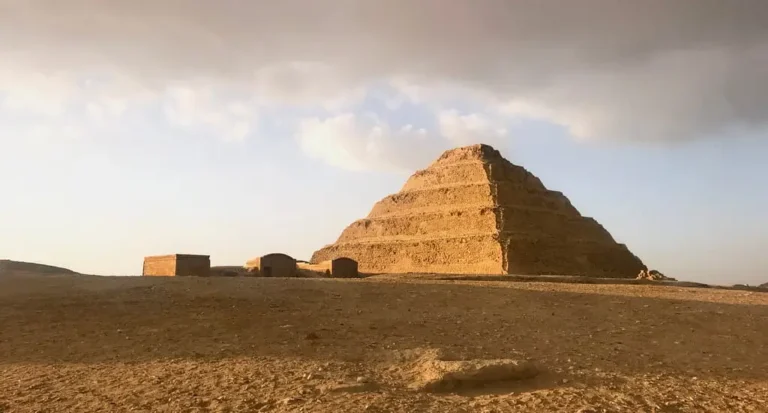
2. The Step Pyramid of Djoser (The First Stone)

Around 2630 BCE, the architect Imhotep changed history. He decided to stack six mastabas on top of each other for King Djoser. This created the Step Pyramid.

  • Significance: It was the first large-scale building made entirely of stone.
  • 2026 Update: Ongoing restoration in the tunnels beneath the pyramid has recently opened more chambers for researchers to study.

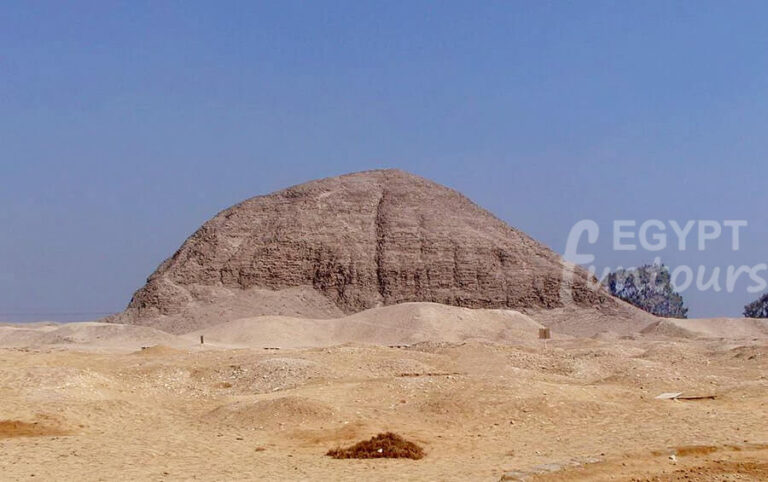
3. The Meidum Pyramid (The “Collapsed” Experiment)

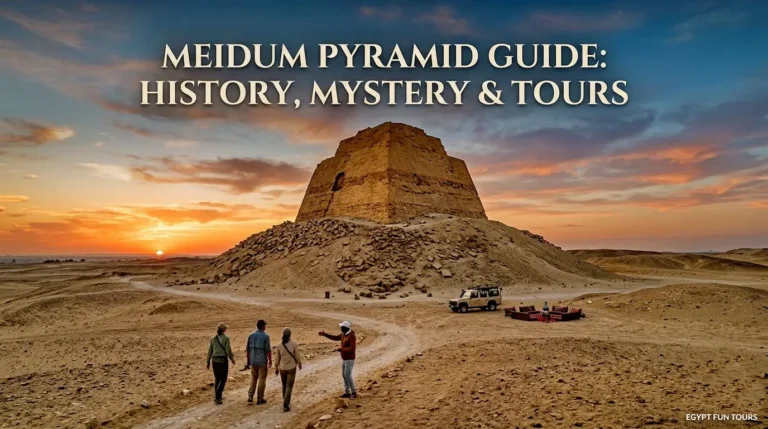
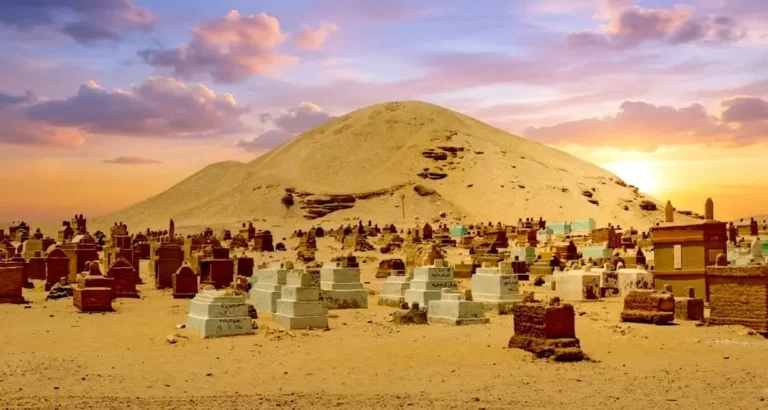
The Pharaoh Sneferu attempted to build the first smooth-sided pyramid at Meidum. However, the outer casing was founded on sand rather than rock. Today, it looks like a strange, three-stepped tower because the outer layers collapsed in antiquity.

4. The Bent Pyramid (A Change of Plans)

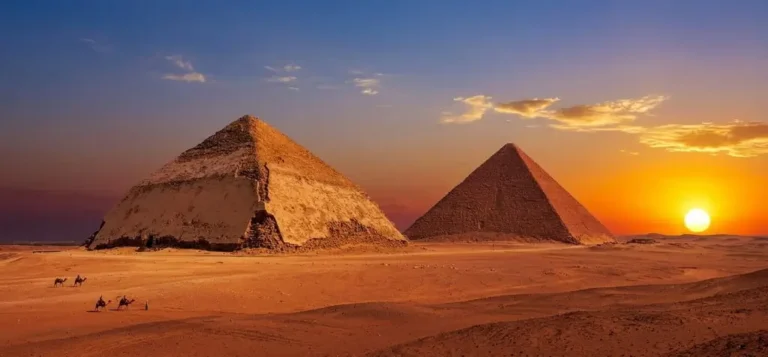
Still seeking perfection, Sneferu built the Bent Pyramid at Dahshur. Halfway through construction, the architects realized the 54-degree angle was too steep. They changed it to 43 degrees, giving the pyramid its famous “bent” look.

5. The Red Pyramid (The First True Success)

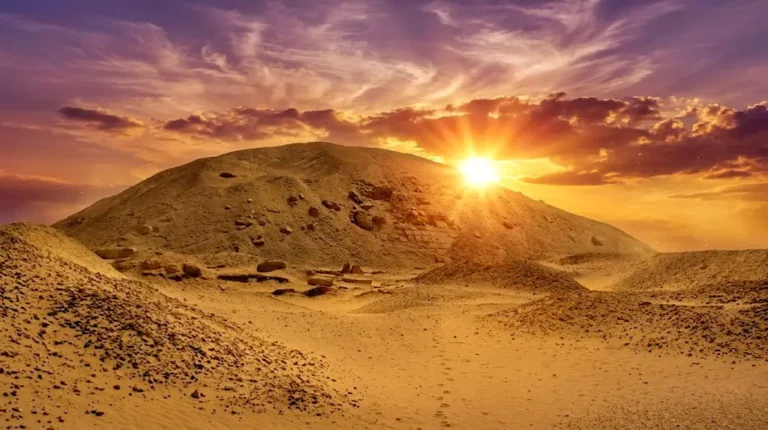
Finally, Sneferu succeeded with the Red Pyramid. Built at a constant 43-degree angle, it is the world’s first successful smooth-sided pyramid. Because it uses red limestone, it glows a beautiful rusty color at sunset.

The Great Pyramids of Giza

The Great Pyramids of Giza

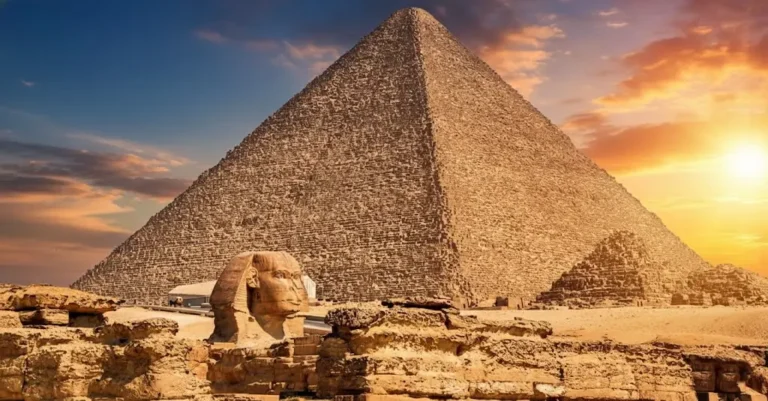
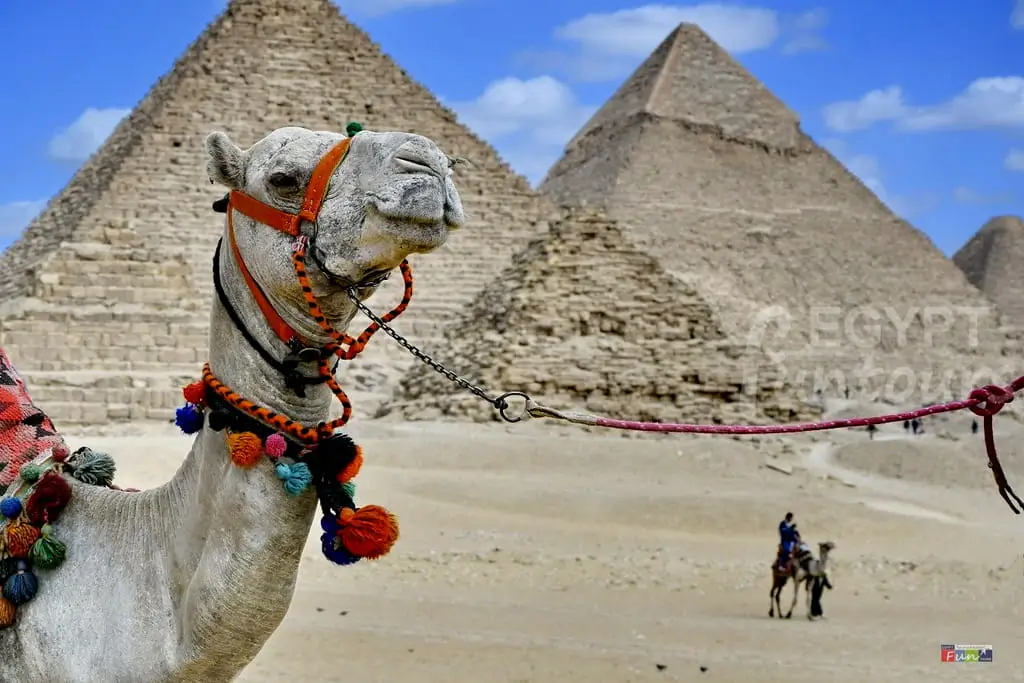
By the time Khufu took the throne, the art of pyramid building was at its peak. The Giza Plateau holds the three most famous structures in history.

The Great Pyramid of Khufu

As the last remaining Wonder of the Ancient World, Khufu’s pyramid is a masterpiece of mathematics. It was the tallest artificial structure on Earth for over 3,800 years.

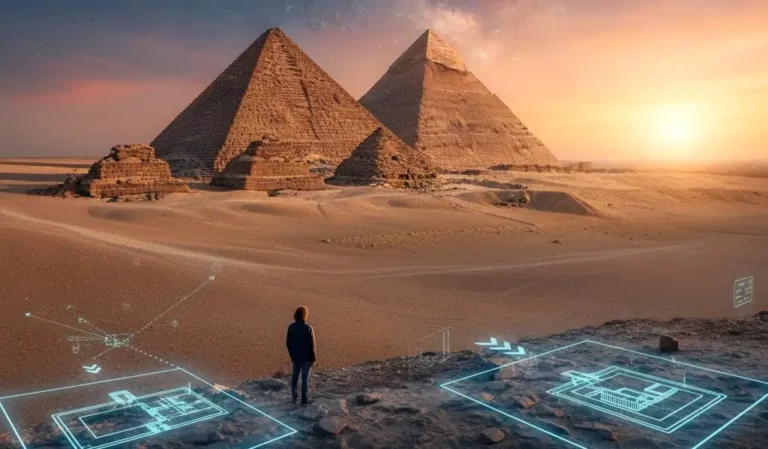
Breaking News: Leading Egyptologists have recently announced a major new discovery inside Khufu’s pyramid. Advanced scanners have identified a 30-meter hidden corridor leading to a sealed door. This discovery is expected to reveal new secrets about the Pharaoh’s burial in late 2026.

The Pyramid of Khafre

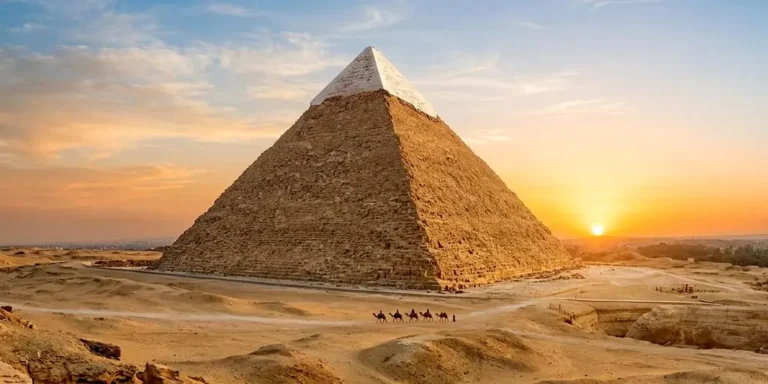
Khafre’s pyramid is the second-largest at Giza. It is easy to identify because it still has its original polished limestone casing at the very top. Although it is shorter than Khufu’s, it appears taller because it sits on higher ground.

The Pyramid of Menkaure

The smallest of the three main pyramids, Menkaure’s tomb is famous for its lower layers made of Aswan granite. This dark stone provides a beautiful contrast to the white limestone of the other pyramids.


Quick Comparison of Major Pyramids

Pyramid Name Location Pharaoh Main Feature
Step Pyramid Saqqara Djoser The world’s first stone pyramid.
Bent Pyramid Dahshur Sneferu Unique angle change mid-build.
Red Pyramid Dahshur Sneferu The first successful smooth pyramid.
Great Pyramid Giza Khufu The largest and last surviving Wonder.

Essential Travel Tips

  • Visit Dahshur for Solitude: If you want to experience a pyramid without the Giza crowds, go to the Red Pyramid. You can often enter the burial chamber and be the only person inside.
  • Combine with the GEM: The Grand Egyptian Museum (GEM) is located just minutes from the Giza pyramids. Plan your visit to see the artifacts found in the workers’ villages after you see the pyramids themselves.
  • Early Morning is Best: Aim to arrive at the Giza Plateau by 8:00 AM. This allows you to beat the heat and the large tour buses that arrive after 10:00 AM.

Ancient Egyptian Pyramids: FAQs

Can you go inside the pyramids?

Yes. You can enter Khufu, Khafre, Menkaure, and the Red Pyramid. Note that the tunnels are narrow and steep. If you are claustrophobic, you may prefer to stay outside.

Were the pyramids built by slaves?

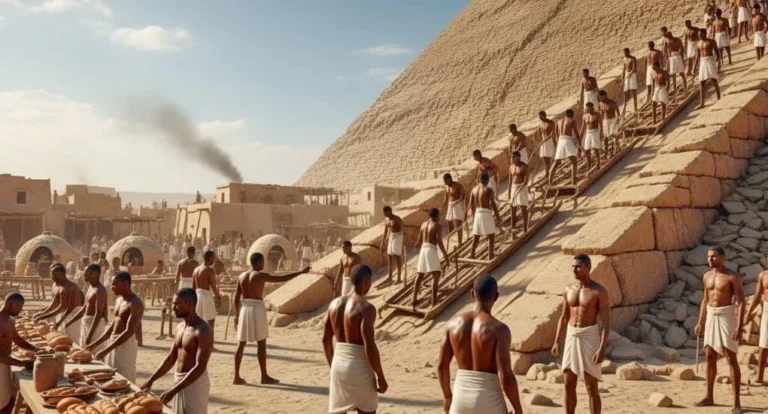
No. Modern archaeological evidence from workers’ villages shows that the builders were skilled, paid laborers who were well-fed and highly respected.

Is the Giza Plateau safe?

Absolutely. Egypt has invested heavily in the security and infrastructure of the Giza Plateau. The area is now more pedestrian-friendly than ever before.
Need our help for packages? send an enquiry!

Looking for a custom travel plan? Get in touch and we will create your perfect package.
Tailor-made

Frequently Asked Questions (FAQs)

How far in advance should I book my tour? We recommend booking as early as possible, especially for peak seasons, to ensure availability and secure the best price. Many tours can be booked up to 12 months in advance.

What is the typical group size for your tours? Our Top speciality is Private Tours. As for groups, group size vary by tour, but we generally keep them small to ensure a personal and high-quality experience. The average is typically between 10-16 guests.

Are your tours private or shared group tours? We offer a mix of both. You can find this information clearly indicated on each individual tour page. Group tours are marked as such, and private options are always available.

How do I know if a specific departure date is available? For Private Tours, you do not need to, as they are available everyday. For group tours, you need to contact us.

What is included in the tour price? Inclusions vary per tour but often cover accommodation, transportation, professional guiding, and certain meals/activities & entrance fees. Detailed inclusions are listed on the itinerary section of each tour page.

Do I need to pay a deposit, and what payment methods do you accept? Yes, a deposit (25%) is required to confirm your booking. We accept major credit/debit cards (Visa, Mastercard, etc.) and bank transfers. Full details are in our Terms and Conditions.

Are there any hidden fees or surcharges? No. The price listed on the tour page is the final price, which is inclusive of all mandatory local taxes and fees. Any optional extras will be clearly noted.

What is your cancellation and refund policy? Our policy is clearly detailed in our Terms & Conditions. The amount refunded depends on how far in advance of the start date you cancel. We recommend travel insurance for maximum protection.

Is the destination safe for tourists? Travel safety is our top priority. We closely monitor government advisories and take all necessary precautions. We only operate in areas deemed safe and utilize experienced local guides for maximum security and peace of mind.

Do I need a visa to travel to the destination? Visa requirements vary based on your nationality and the destination. We advise all travelers to check with their country’s embassy or consulate for the most current entry requirements well before departure.

What sort of hotels/accommodation are used? We generally use high-quality, centrally located 4- or 5-star hotels (or the local equivalent). Specific hotel names or classification examples are listed on the individual tour pages.

What should I pack for my tour? A detailed packing list, specific to the tour’s climate and activities, is provided upon booking. Generally, comfortable walking shoes, layers of clothing, and sun protection are a must.

Can I customize a tour or create my own itinerary? Absolutely. If our packages don’t fit your needs, you can work with our travel experts to customize any tour or build a fully private, custom itinerary. Contact us to start planning.

What support is available if I have a problem during the tour? You will have 24/7 access to our dedicated local support team and your tour guide for any emergencies, changes, or issues that may arise during your trip.