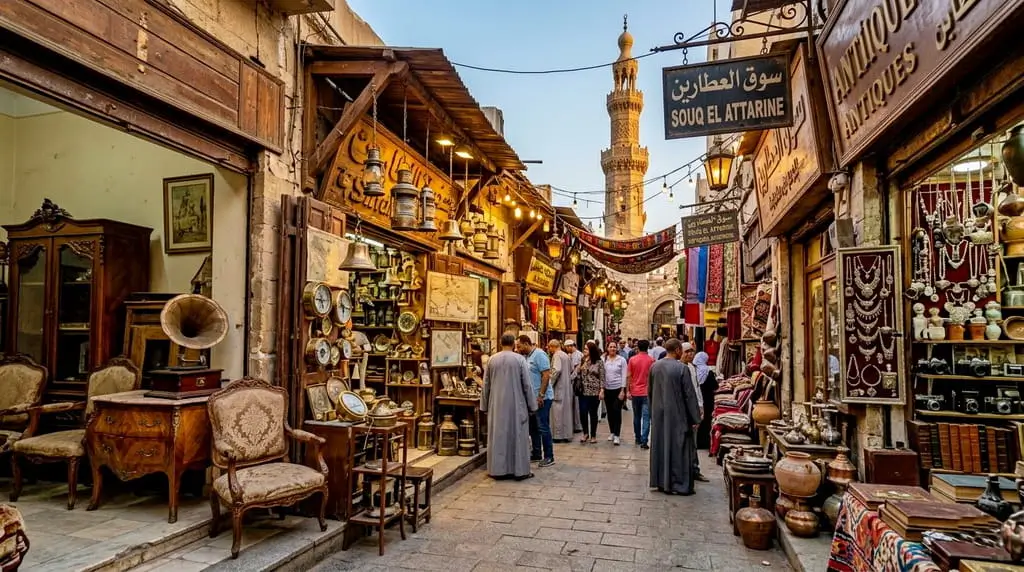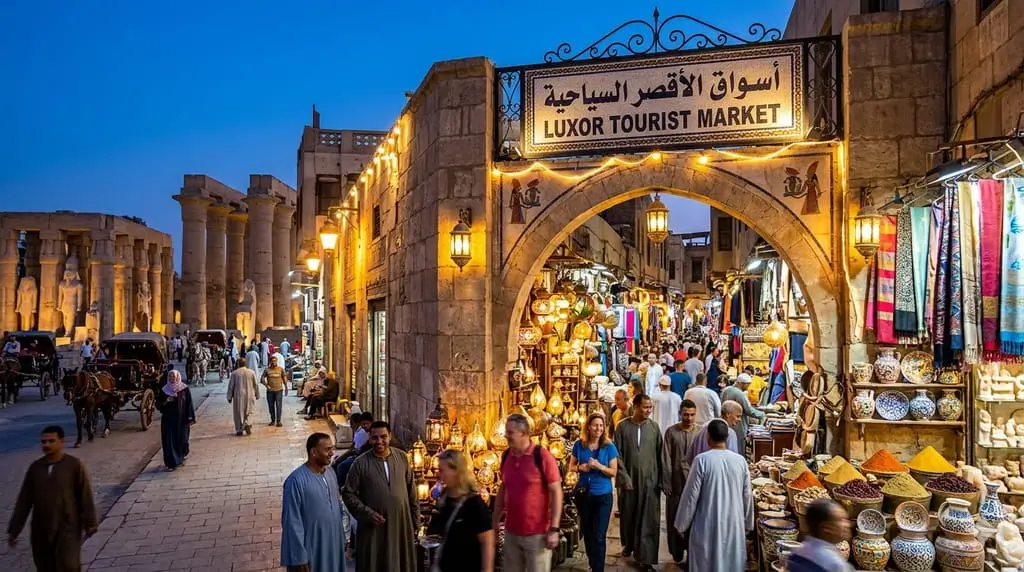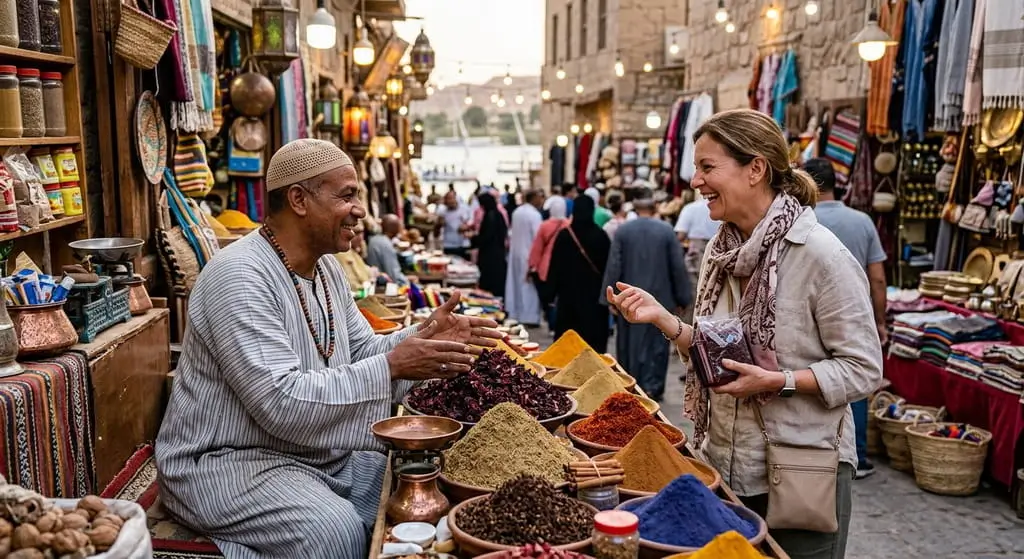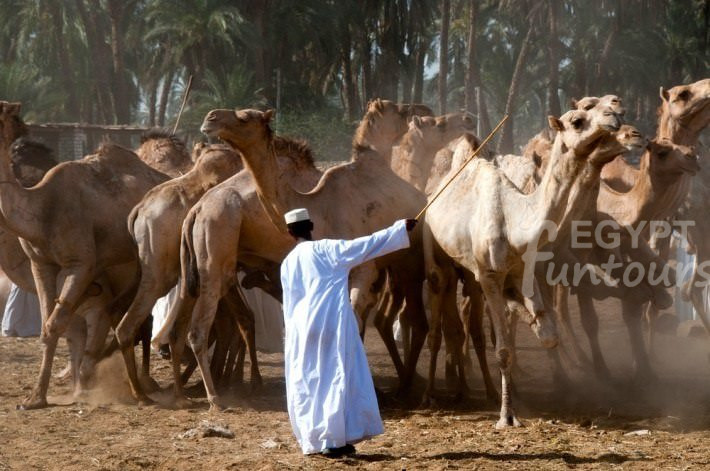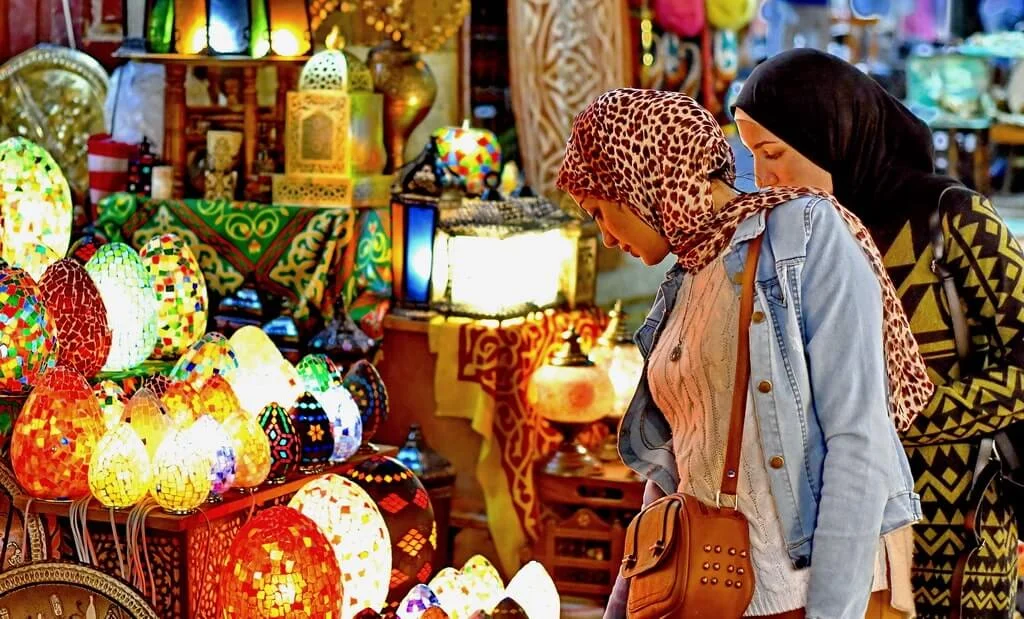

Traditional markets in Egypt, known as “souks” or “bazaars,” are the heart of Egyptian commerce and a must-visit cultural experience. These markets are characterized by a sensory overload of sights, sounds, and smells, with narrow, winding alleys, colorful displays, and the lively banter of vendors and customers. Haggling is a customary and expected part of the transaction, especially for higher-priced goods.
Perhaps the most famous and historic market in Egypt, Khan El-Khalili, dates back to the 14th century. Located in Islamic Cairo, it’s a labyrinth of stalls and workshops selling everything from intricate jewelry, silverware, and brassware to handmade textiles, spices, and perfumes. It’s a key market for tourists, but also a working market where locals still shop.
A popular non-tourist market in Cairo, this is a massive flea market where you can find an astonishing variety of goods, from used books and furniture to pets and household items. It’s known for its affordability and chaotic atmosphere. Among all the markets in Egypt, this one is not recommended for tourists!
This market is a renowned hub for textiles and clothing, particularly second-hand and imported garments. It is also a source for affordable fabrics, shoes, and furniture.
While spices are sold in many markets, there are dedicated sections or markets that specialize in the spice trade. These markets are a feast for the senses, with vibrant mounds of local and imported spices, herbs, and traditional medicines.
Many other traditional markets in different cities cater to specific goods, such as:
Alabaster workshops and markets in Luxor are known for beautiful sculptures and decorative items made from the smooth, marble-like stone.
Nubian markets in Aswan: These markets offer unique handicrafts, spices, and traditional Nubian goods.
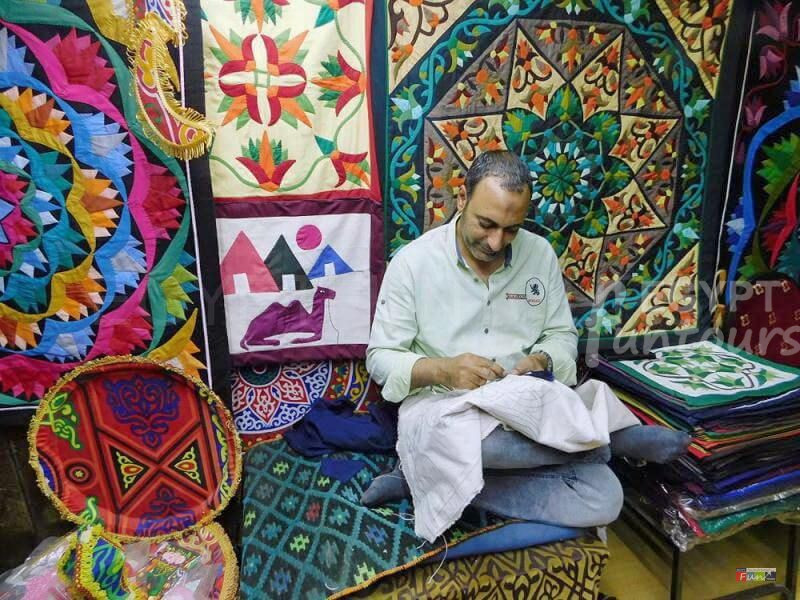
The Tentmakers Bazaar (Cairo): A market dedicated to the art of “Khayamiya,” a traditional Egyptian textile craft.
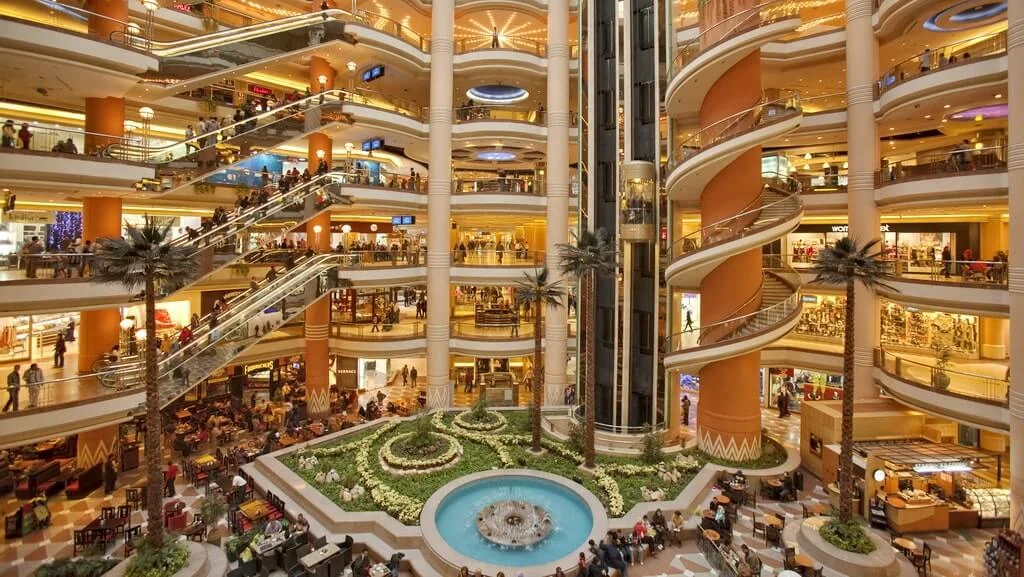
In recent years, Egypt’s retail landscape has seen a significant shift toward modern formats, driven by urbanization and changing consumer behaviors.
Large-scale shopping malls have become popular destinations, offering a mix of local and international brands, entertainment facilities, cinemas, and a wide variety of dining options. Notable examples in Cairo include Citystars Mall, Mall of Arabia, and Cairo Festival City Mall.
The rise of large grocery chains has transformed the food retail sector, offering a convenient, one-stop shop experience for consumers.
The Egyptian e-commerce market is experiencing rapid growth, fueled by increasing internet and smartphone penetration. Online shopping platforms provide consumers with access to a vast selection of products, competitive prices, and convenient delivery.
Egypt’s financial markets are an essential component of its economy, providing a platform for investment and capital formation.
The main stock exchange in Egypt, the EGX, is one of the oldest in the region, with its origins tracing back to the 19th century. It comprises two exchanges, Cairo and Alexandria, which operate under a single management. The EGX 30 is the primary index, tracking the performance of the 30 most liquid and actively traded stocks. The EGX is a crucial hub for both domestic and international investors.
Egypt has a well-developed banking sector with a mix of state-owned and private banks. The Central Bank of Egypt (CBE) plays a key role in regulating the financial system and implementing monetary policy.
Egypt’s economy is diverse, with several key sectors that drive its market activity.
Agriculture is a cornerstone of the Egyptian economy, accounting for a significant portion of jobs and GDP. Key crops include cotton, rice, wheat, corn, and various fruits and vegetables. Egypt is a major importer of staples like wheat and soybeans.
The manufacturing sector is a major employer, with textiles and apparel being particularly important. The U.S.-Egypt Qualifying Industrial Zone (QIZ) program has played a significant role in boosting Egyptian textile and apparel exports to the United States. Other key manufacturing industries include food processing, chemicals, and building materials.
The oil and gas sector attracts a large portion of foreign direct investment. The country also has growing potential in renewable energy.
The services sector is the largest contributor to Egypt’s GDP. Tourism, a historically vital part of the economy, faces challenges from regional conflicts but remains a major source of revenue. Other important service sub-sectors include telecommunications, information technology, and financial services.
Egypt’s strategic location, with the Suez Canal as a major global trade artery, makes it a significant player in international trade. The country exports a range of goods, including apparel, petroleum, textiles, and agricultural products, while importing goods such as agricultural products, transportation equipment, and machinery.
Despite facing challenges like high inflation and public debt, the markets in Egypt are poised for long-term growth. The government, supported by international bodies like the IMF, is implementing economic reforms to stabilize the environment and attract investment. The outlook is positive, with projected GDP growth driven by private consumption and a push for privatization and job creation. These reforms are aimed at building a more resilient economy.