Citadel of Qaitbay: Guardian of the Mediterranean
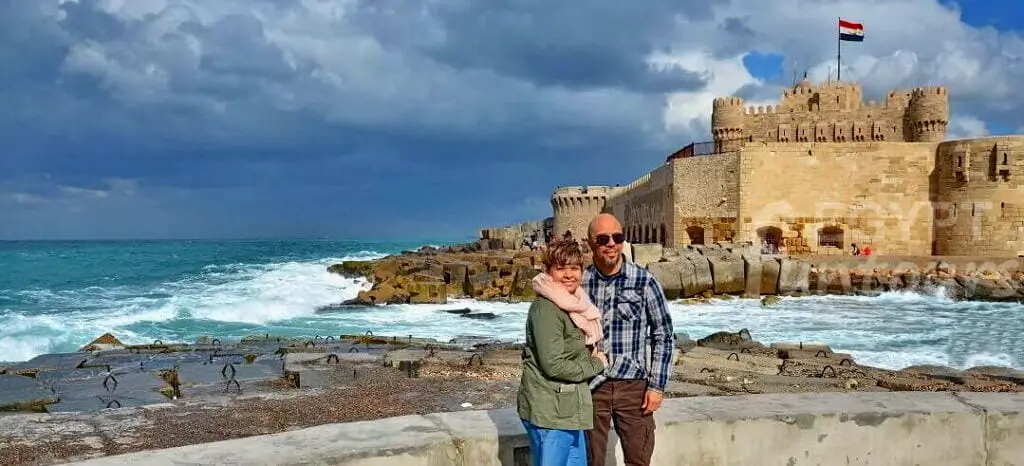
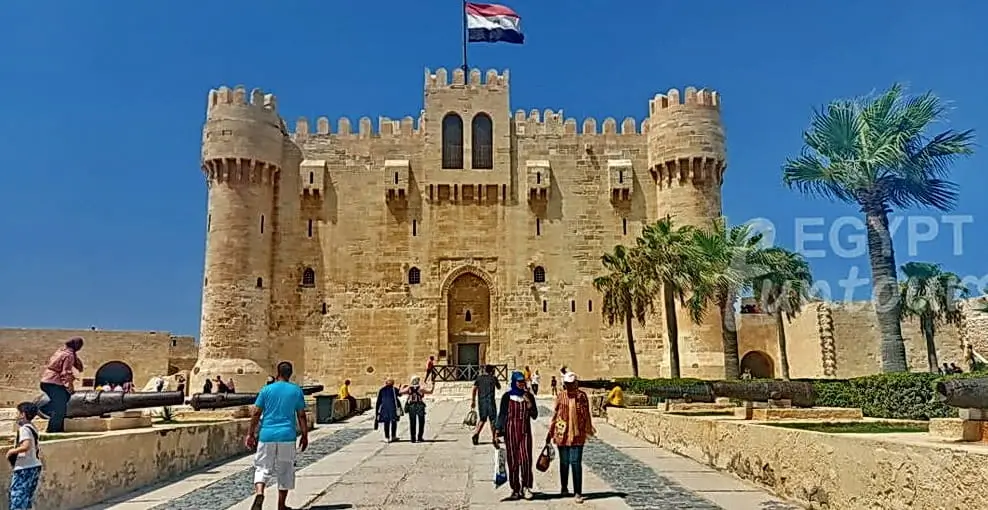
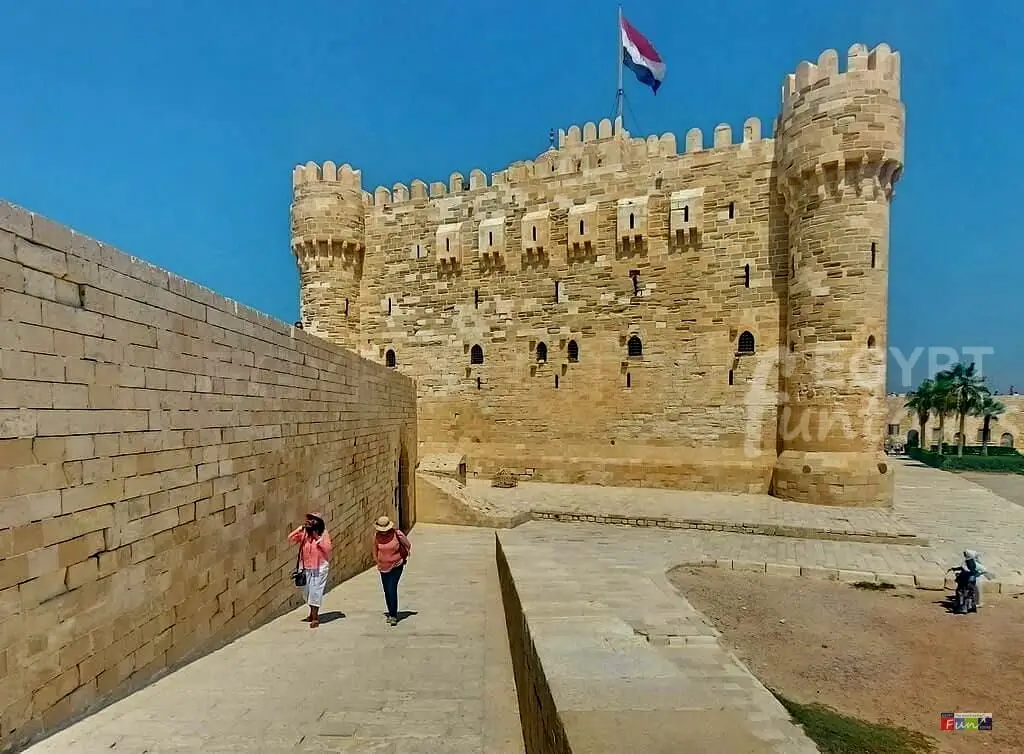
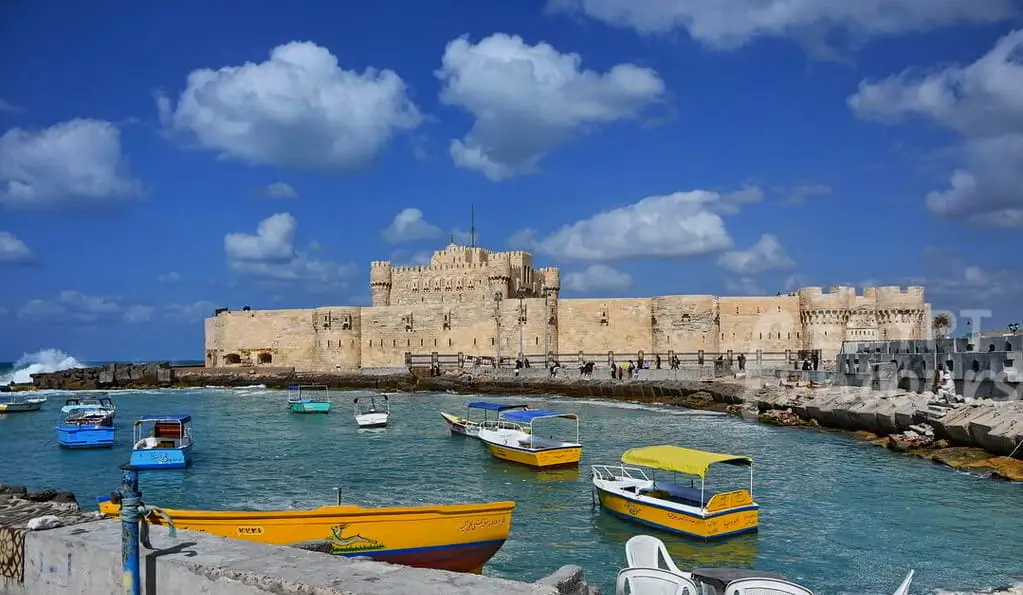
The Citadel of Qaitbay is more than a military fortress. It is a 15th-century engineering masterpiece that stands on the most famous archaeological site in Alexandria. Built on the eastern tip of Pharos Island, it guards the entrance to the city’s Eastern Harbor. This location has served as the strategic gateway to Egypt for over two thousand years.
Today, the Citadel represents a bridge between the ancient and medieval worlds. It occupies the exact footprint of the Pharos Lighthouse, one of the Seven Wonders of the Ancient World. Sultan Al-Ashraf Qaitbay built this limestone shield to protect the Mamluk Sultanate from European naval threats and the rising Ottoman Empire. As you walk its ramparts in 2026, you see a blend of Roman granite, Greek history, and Islamic military genius. It remains the ultimate symbol of Alexandria’s resilience against time and the sea.
The Ancient Foundation: The Pharos Lighthouse Legacy
You cannot understand the Citadel without looking at the ground beneath it. Sultan Qaitbay did not choose this site by accident. He chose it because the ruins of the Pharos Lighthouse provided a ready-made foundation and a massive supply of building materials.
Citadel of Qaitbay: The Colossus of the Coast
The original lighthouse was a marvel of the Hellenistic age. Completed around 280 BCE during the reign of Ptolemy II, it stood over 100 meters tall. It functioned in three distinct stages: a square base, an octagonal middle section, and a circular top. A massive bronze mirror reflected sunlight by day, and a great fire burned by night to guide ships from as far as 50 kilometers away.
Citadel of Qaitbay: The Chronology of Destruction
Nature, not war, brought the lighthouse down. Alexandria sits near a major fault line, and the Pharos suffered through centuries of seismic activity.
- The 956 AD Earthquake: This tremor caused the first major structural cracks in the upper lantern.
- The 1303 AD Earthquake: This violent event collapsed the octagonal middle section. The traveler Ibn Battuta visited the site shortly after and noted that the entrance was already inaccessible.
- The 1323 AD Earthquake: This final blow reduced the once-mighty tower to a heap of rubble. For over a century, the site sat as a graveyard of massive stone blocks.
Recycled History
When Sultan Qaitbay began construction in 1477 AD, his engineers treated the ruins as a stone quarry.
- Foundation Strength: They used the original granite blocks of the lighthouse to stabilize the sea-facing walls. These stones had already survived the Mediterranean’s salt and waves for 1,700 years.
- The Red Granite Pillars: If you look at the entrance to the Citadel’s mosque today, you will see columns of red Aswan granite. These are not Mamluk. They are original Roman or Greek artifacts that the Sultan’s workers salvaged from the debris.
- The Underwater Field: Because many blocks were too heavy to move, they remain on the seafloor. Consequently, the Citadel sits at the center of a 2.25-hectare underwater archaeological site.