The Nubian Coffee House: A Sensory Portal to Old Nubia

The Nubian Coffee House in Aswan serves as a vibrant gateway to the living heritage and "Gabella" culture of the Nile’s most resilient community. Built from sustainable mud-brick and crowned with ancient Nubian vaults, these colorful sanctuaries provide a natural, cool refuge from the desert heat. The coffee ritual itself is a slow-motion masterpiece: hosts roast green beans over charcoal and brew them in a clay Jabana alongside fresh ginger and cardamom. Every detail, from the hand-woven Kourid pot covers to the communal Mastaba benches, fosters a sense of timeless hospitality and shared history. By sitting for a brew, you do more than enjoy a spiced drink; you support a local artisan economy and participate in a thousand-year-old social tradition that connects the modern West Bank and Elephantine Island to the soul of Old Nubia.

The Nubian Coffee House: A Ritual of Hospitality

The Nubian Coffee House in Aswan is more than a place to grab a drink. It is a cultural institution. For the Nubian people, coffee is a sacred ritual called Gabella. This tradition represents the heart of their hospitality. You can find these coffee houses on Elephantine Island or in the vibrant village of Gharb Soheil.

When you enter, you step into a world of bright colors. The walls are painted in deep blues, sun yellows, and crisp whites. These colors reflect the Nile and the desert. The air always carries the scent of roasting beans and fresh ginger. In a Nubian house, time moves differently. You do not rush a cup of coffee. You sit, you talk, and you connect. This experience is the best way to understand the soul of Aswan.

The Ritual of Gabella: The Art of Nubian Coffee

The centerpiece of every Nubian coffee house is the Gabella ceremony. This process is slow and methodical. It shows respect for the guest. In Nubian culture, the preparation of coffee is as important as the drink itself.

The Fresh Roast

A traditional Nubian host never uses pre-ground coffee. They roast the green beans fresh for every visitor.

  • The Process: The host places the green beans in a metal pan over a charcoal fire.
  • The Aroma: As the beans turn dark and oily, the host fans the smoke toward the guests. This is a key part of the ceremony. It invites the guests to enjoy the smell before they ever take a sip.

The Jabana: The Sacred Vessel

The brewing happens in a Jabana. This is a traditional clay pot with a round base and a long, thin neck.

  1. The Material: The clay is porous. It keeps the coffee hot and adds an earthy flavor to the brew.
  2. The Triple Boil: The host boils the coffee three times. This ensures a thick and strong flavor.
  3. The Pour: The coffee is poured through a straw filter in the neck of the pot. It is served in small, handleless cups called “finjal.”

The Spiced Secret

What makes Nubian coffee unique is the spice. It is not plain black coffee.

  • Ginger and Cardamom: The host grinds fresh ginger and cardamom into the beans.
  • The Flavor: The ginger gives the coffee a spicy kick. The cardamom adds a sweet, floral aroma.
  • The Health: Nubians believe these spices aid digestion and provide energy on hot desert days.
FUN

The Architecture of the Mud-Brick House: Nature’s Cooler

The Architecture of the Mud-Brick House Nature’s Cooler - The Nubian coffee house

To understand the Nubian Coffee House, you must look at the walls that hold it. Nubian architecture is a masterpiece of sustainable design. Most traditional coffee houses in Aswan are built using mud-brick (adobe), a material that has been the backbone of Nile civilization for thousands of years.

The Nubian Vault: A Roof Without Wood

The most iconic feature of a Nubian house is the vaulted ceiling. In a region where timber and wood were historically scarce, the Nubians developed a way to build arched roofs using only mud-bricks and the laws of physics.

  • The Catenary Arch: The roof follows the shape of an inverted hanging chain. This specific curve directs the weight of the heavy bricks downward into the thick walls. Consequently, the structure remains incredibly stable without the need for support beams.
  • Passive Cooling: These high, arched ceilings serve a vital purpose. Heat rises, and in the 45°C summers of Aswan, the vaulted ceiling traps the hot air far above the heads of the guests. This natural convection, combined with the thick mud walls, can keep the interior up to 7 degrees cooler than the outside world.
  • Symbolism of the Dome: Many coffee houses also feature domes. In Nubian culture, the dome represents the sky and the universe. It creates a sense of openness and peace, making it the perfect environment for a long, quiet coffee ceremony.

The Living Canvas: Murals and Motifs

The exterior and interior of a Nubian coffee house are rarely plain. They are “living canvases” decorated by the local community.

  1. The Colors: Bright blues represent the Nile, while yellows reflect the sun and the desert sands. Whites are used to keep the building cool by reflecting sunlight.
  2. The Motifs: You will see triangles, stars, and palm trees. These aren’t just decorations; they are ancient symbols of protection and fertility.
  3. The Crocodile: Look above the doorway. You may see a dried or mummified crocodile. In Nubian lore, the crocodile is the guardian of the house, protecting the guests inside from the “evil eye” and bringing good fortune to the business.
FUN

The Social Heart: The Role of the “Mastaba”

The Social Heart The Role of the Mastaba - The Nubian coffee house

In a Nubian coffee house, you won’t find individual tables or stiff chairs. Instead, the social life of the village revolves around the Mastaba.

The Communal Bench

A Mastaba is a wide, built-in bench made of mud-brick that runs along the walls of the house, both inside and outside.

  • The “Liminal” Space: The Mastaba serves as a bridge between the private home and the public street. It is a place where you are never truly “outside” but always part of the community.
  • The Seating Etiquette: People sit side-by-side on hand-woven palm leaf mats or colorful rugs. This layout removes social barriers. In a Nubian coffee house, a village elder might sit next to a traveling student or a foreign visitor, and both are treated as equals under the law of hospitality.

The “Parliament” of the Village

Before the internet or newspapers reached these islands, the coffee house Mastaba was the source of all information.

  • Problem Solving: If two neighbors have a dispute, they often meet at the coffeehouse. The presence of the “Gabella” (coffee) acts as a cooling agent for temper. It is said that no one can stay angry while waiting for a Jabana to boil three times.
  • Storytelling: The Mastaba is the classroom for the next generation. It is here that grandmothers and elders tell stories of “Old Nubia”—the lands that were flooded by the High Dam. These coffee houses are the primary sites for preserving the Nobiin language and oral history.
FUN

The Alchemy of the Nile: Spices and Flavors

The Alchemy of the Nile Spices and Flavors - The Nubian coffee house

In a Nubian Coffee House, the menu reflects the ancient spice routes. The “Nubian touch” defines itself through the infusion of botanical elements from the Nile banks and trade routes from Sudan and Ethiopia.

The Ginger Foundation (Ganzabeel)

In Nubia, coffee and ginger form an inseparable pair. The host treats ginger as a vital ingredient rather than a mere flavoring.

  • The Preparation: The host crushes dried ginger roots in a brass mortar and pestle alongside the coffee beans.
  • The Benefit: Locals use ginger to counteract the heavy caffeine of the dark roast. They believe it soothes the stomach and keeps the body cool in the desert heat.
  • The Taste: It provides a sharp, peppery finish. This heat hits the back of the throat and leaves a warm sensation even when you drink the coffee at high temperatures.

The “Scent of the East”: Cardamom and Cloves

While ginger provides the “bite,” Cardamom (Habahan) and Cloves (Karanful) provide the aroma.

  1. Cardamom: The host uses only a few pods. They crack them open to release the seeds, which add a floral, almost minty sweetness to the brew.
  2. Cloves: Occasionally, the host adds a single clove to the Jabana. This deepens the color of the coffee and introduces a woody, medicinal scent.
FUN

The Cultural Economy: Supporting Local Artisans

The Cultural Economy Supporting Local Artisans

The Nubian Coffee House acts as the primary engine for local handicrafts. Every object you see—from the tray to the floor mat—showcases the skill of Nubian women.

The “Kourid” and the Art of Weaving

Notice the colorful, cone-shaped covers that keep the coffee pots warm. Locals call these Kourid.

  • The Material: Weavers craft these from dried palm fronds and dye them with vibrant organic pigments.
  • The Function: These covers serve a practical purpose. Because the clay Jabana loses heat slowly, the Kourid acts as an insulator. It ensures the second and third pours remain as hot as the first.
  • The Design: The patterns mirror the geometric murals on the walls. By purchasing coffee, you directly support the weavers who keep these ancient patterns alive.

The Clay Makers of the Nile

The Jabana itself is a piece of art.

  • Hand-Thrown Pottery: Local potters in Aswan or Ballas shape most coffee pots by hand. They do not use a mechanical wheel; instead, they mold the spherical base with their fingers.
  • The Firing Process: The potters fire the vessels in traditional pits. Smoke from the fire gives the clay its characteristic dark, carbonized finish. A seasoned Jabana—one that has brewed thousands of pots—holds a “blessed” status in the coffee house.
FUN

Visitor Guide: Etiquette and Pro-Tips

To gain an authoritative experience at a Nubian Coffee House, you must follow the unwritten rules of the Gabella.

How to Drink Like a Local

  1. The Hand: Accept the cup with your right hand. This gesture shows respect to your host.
  2. The Limit: Custom dictates that you drink three small cups. The first serves the soul, the second provides the flavor, and the third brings the blessing.
  3. The “Full” Sign: If you have finished, do not simply say no. Gently jiggle your empty cup from side to side before you hand it back. This signal tells the host you are satisfied.

Where to Go

  • For Authenticity: Explore the interior of Elephantine Island. Avoid the main docks and walk into the narrow alleys. Seek out houses with elaborate wall paintings, as these often remain the most traditional.
  • For the View: Visit the coffee houses on the West Bank near the Tombs of the Nobles. You can watch the sailboats (feluccas) cross the Nile as the sun sets behind the dunes.

The Eternal Brew of the Nile

The Nubian Coffee House stands as a sanctuary of culture. In a world that moves faster every day, these mud-brick havens remind us to value the slow ritual. Every element—from the physics of the vaulted ceilings to the chemistry of the ginger-infused beans—fosters community. When you sit on a Mastaba and wait for the Jabana to boil, you do more than wait for a drink. You participate in a thousand-year-old story of a people who fiercely protect their heritage.

15 Days Deluxe Comprehensive Tour Package....
Exploring the wonders of ancient Egypt and enjoying Hurghada resorts....

Great guided tour of pyramids

We travelled to Cairo on Friday, May 3, 2019, from Toronto. We landed at 0530 and were met by a representative of Fun Tours at the departure gate. We were only on a layover of 6 hours, and the tour company came with a private van, water, a driver, and

More »

Day Trip to Alexandria

An enjoyable drive from Cairo to Alexandria. It was an enriching trip. I learnt so much history about the ancient civilisation. The tour guide explained the history of each site we visited. There is so much to see. I would definitely highly recommend visiting Alexandria. It’s rich in history. The

More »

Absolutely the best

We visited Cairo over a 15-hour layover. Egypt Fun Tours organized a customized and wonderful experience for us. We could not be happier. The day included a visit to all the great sites, the marketplace, dinner, a boat ride on the Nile, and a host of other special requests. I

More »
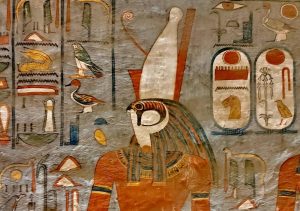
Isis with wings

Top-rated Tour Packages

Isis with wings