The Final Judgment: Weighing of the Heart and the Hall of Two Truths

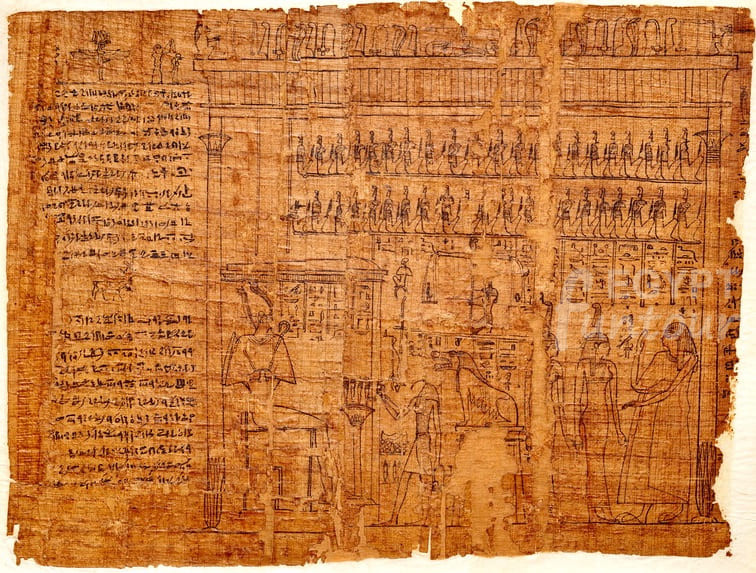
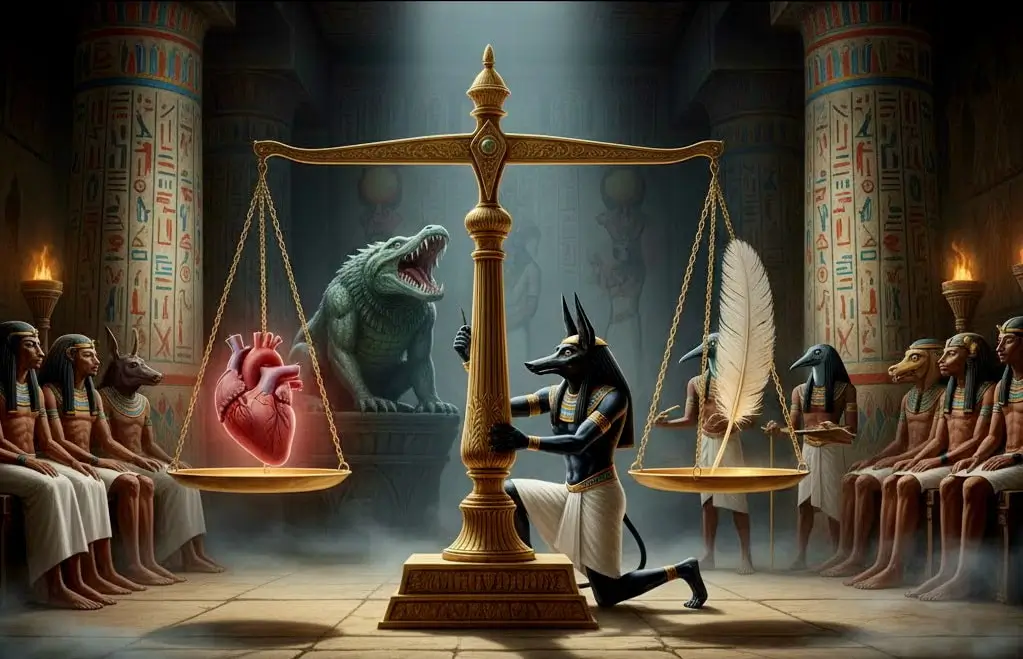
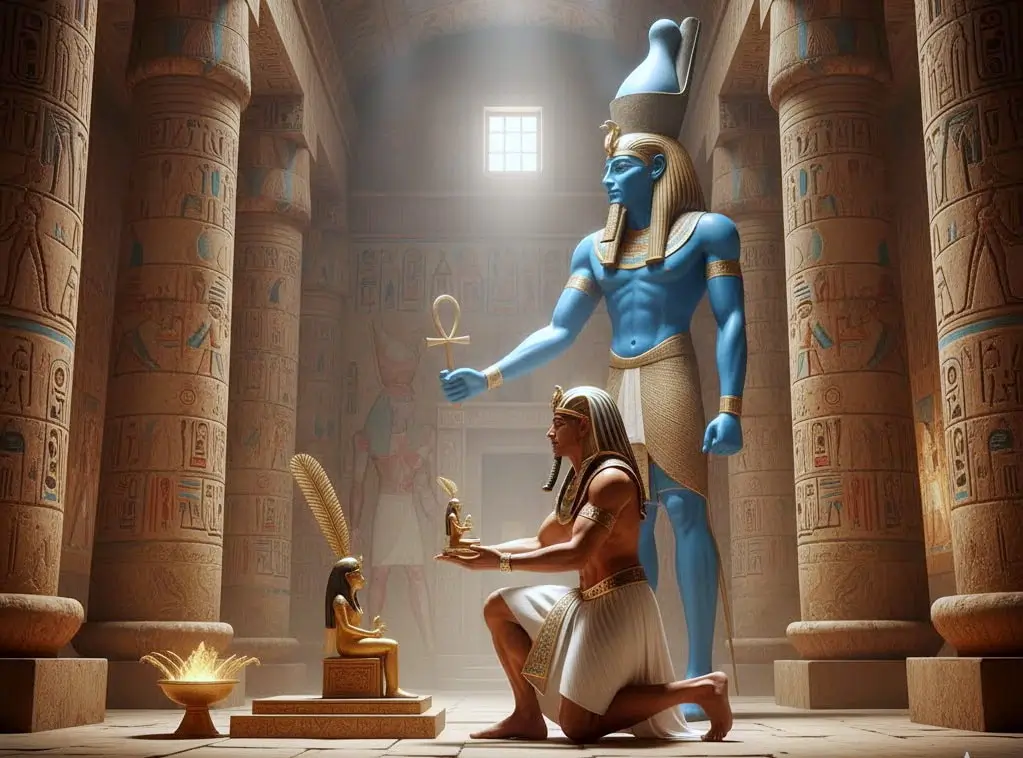
The Final Judgment stands as the most critical event in the ancient Egyptian conception of the afterlife. It was the moment of truth that determined whether the deceased would achieve eternal life (Aaru) or face final oblivion. This event took place in the Hall of Two Truths, presided over by Osiris, the Lord of the Dead. The central and most crucial ritual was the Weighing of the Heart ceremony, where the heart (ib) of the deceased, containing the record of their earthly deeds, was balanced against the Feather of Ma'at (representing truth, order, and justice). Anubis conducted the test, while Thoth recorded the result. If the heart was lighter than the feather, the deceased was admitted into the afterlife. If it was heavy, the monstrous goddess Ammit devoured the heart, resulting in the permanent destruction of the soul. This ritual, documented vividly in the Book of the Dead, governed the ultimate fate of every Egyptian.
The eye of Horus
WhatsApp
Email
Print

Final Judgment in Ancient Egypt

Ancient Egypt, with its rich and complex belief system, held a deep fascination for the afterlife. The Egyptians believed in a Final Day Judgment, where the souls of the deceased would be weighed against the feather of Ma’at, the goddess of truth and justice. This article aims to explore the intriguing process of Final Day Judgment in Ancient Egypt and shed light on its significance in their culture.
Divider

The Concept of Ma’at

The Enduring Legacy of Ma'at

Central to the Final Judgment in ancient Egypt was the concept of Ma’at. Ma’at represented truth, order, and harmony in Egyptian society. Egyptians believed living by the principles of Ma’at would ensure a prosperous afterlife. The deceased were expected to have upheld Ma’at throughout their lives, displaying virtues such as honesty, integrity, and respect for others.

Golden Scarab

The Weighing of the Heart

FInal Judgment - Egyptian Mythology - Egypt Fun Tours

Upon death, the soul of the deceased would embark on a perilous journey through the underworld, guided by various gods and goddesses. Eventually, they would reach the Hall of Two Truths, where the Final Day Judgment in ancient Egypt took place. At the center of the hall stood a large scale, known as the “Scales of Ma’at.”

The Egyptians placed the deceased’s heart, believed to be the seat of the soul and the source of one’s actions, on one side of the scale. They delicately placed the feather of Ma’at on the other side. They weighed the heart against the feather, which symbolized the balance between the deceased’s deeds and intentions and the principles of Ma’at.

The eye of Horus

The Outcome: Final Judgment in Ancient Egypt

Ma'at and the Afterlife; The Weighing of the Heart

If the deceased’s heart was lighter than the feather, it meant they lived a good life. They would be allowed into the afterlife to join Osiris in the paradise of the Fields of Aaru. However, if their heart was heavier than the feather, it showed their actions were out of balance with the principles of Ma’at. Such a soul would face a dire fate. A monstrous creature, known as Ammit, the “Devourer of the Dead,” awaited those deemed unworthy. Ammit would consume the heart, preventing the soul from continuing its journey and condemning it to eternal restlessness.

Divider

The Significance of the Final Judgment

The Pharaoh's Divine Mandate to Preserve Ma'at

The Final Day Judgment was very important in ancient Egyptian society. It acted as a moral guide, emphasizing the need for a good and virtuous life. This belief in the afterlife and its consequences influenced Egyptian behavior. It encouraged people to follow Ma’at and maintain community harmony.

The Final Day Judgment also symbolized hope and justice. It comforted Egyptians with the promise that they would punish the wicked and reward the righteous. This profound belief shaped their society’s values and ethics. The concepts of Ma’at, the weighing of the heart, and the judgment’s outcome all helped maintain social order and ensure a righteous life after death. Despite the passage of millennia, the Final Day Judgment remains a captivating aspect of Ancient Egyptian culture. It serves as a testament to their deep reverence for justice, truth, and the eternal quest for a harmonious existence.

The eye of Horus
Divider
A Royal Commission The History of Al-Rifa'i Mosque

Highly recommended

Salam, This company is very responsive and accommodating. From the moment we started to chat via email, to the moment we left Egypt at the airport, these fellows were very professional. The tour covered most of what we wanted to see! We customized it to our needs and added some

More »

Big tick off our bucket list!

Booked the evening before and were able to do everything we hoped to in a day, with a knowledgeable guide & at a reasonable price! Lunch was included and absolutely delicious! Learnt about the history of Egypt, which was the most important part of sightseeing in Cairo/Giza. Hamada also gave

More »

Tour of Cairo

Despite a late start due to car trouble, Mohamed more than made up for it with his incredible knowledge and dedication. His explanations were detailed and thoughtful, and he went above and beyond to make sure we had a great experience. A memorable and informative tour, thanks to Mohamed’s hard

More »

Alexandria! Wow!

Muhammad is the best! He showed me a world I never thought possible! The tombs in Alexandria, by far, were my favorite! I never knew there was a place on earth that contained both Greek and Egyptian carvings in the same tombs! The history and culture of Egypt is so

More »
9-day tour package - Egypt Fun Tours

You’re in “GREAT HANDS” with Egypt Fun Tours!

We first went to Egypt in July 2010. We were to pass through Cairo on our way to Africa, and we had arranged to be picked up from the Cairo airport and shown around the city during our 6-hour layover. This was arranged through emails with Hamada, of Egypt Fun

More »
God_Anubis_Icon

Top-rated Tour Packages

God_Anubis_Icon
WhatsApp
Email
Print