
Ancient Egyptian Obelisk: History & Surviving Monuments

The Ancient Egyptian Obelisk is a monolithic granite pillar and a powerful symbol of the sun god Ra. This engineering marvel represents ancient ambition, from its quarrying in Aswan and transport via the Nile to its current status as a global relic, found in cities from Egypt to Rome and New York.

The Obelisk: Divine Link to the Sky

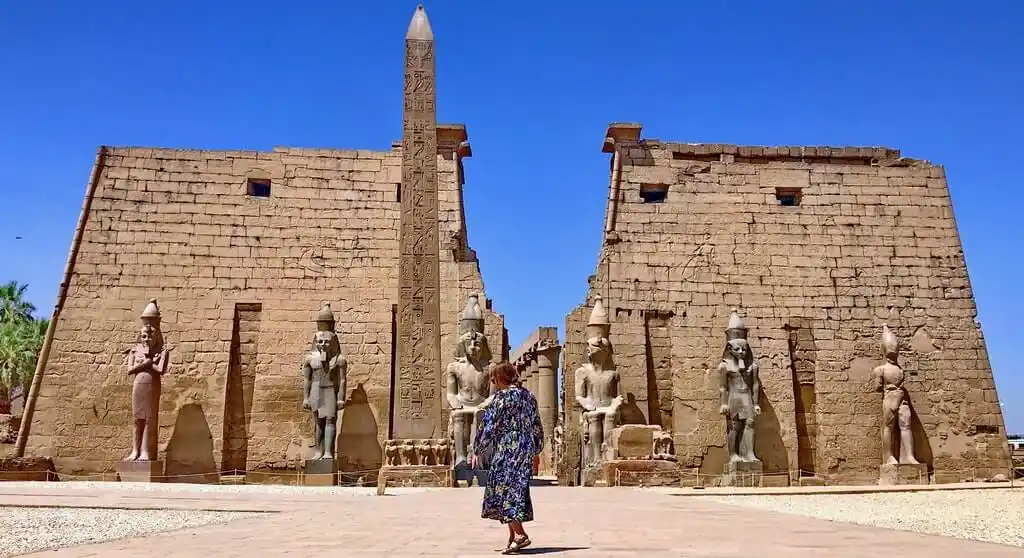
A single, massive pillar of stone, yet it represents the ultimate connection between man and the cosmos. The Ancient Egyptian Obelisk is more than just a monument; it is a profound declaration of power carved into solid granite. These towering structures, rising over a hundred feet and tipped with gold, stood in pairs at the entrances of the greatest temples—not merely for decoration, but as a direct symbol of the sun god Ra. They bridged the physical world to the divine realm, ensuring the pharaoh’s success and Egypt’s stability.

This guide delves into the mystery surrounding these ancient giants. You will uncover the engineering secrets of how the Egyptians moved and erected these massive stones, and trace the incredible history of where these surviving monuments—the world’s oldest skyscrapers—stand today.

FUN

Ancient Egyptian Obelisks: The Secret Function

4-day-christmas-nile-cruise

The effort, cost, and risk involved in creating and erecting a single Ancient Egyptian Obelisk were staggering. This monumental undertaking could only be justified by a belief in a profound spiritual return. The obelisks were not accessories; they were fundamental devices designed to manipulate divine energy for the benefit of Egypt.

The Petrified Sunbeam

The obelisk’s primary religious significance stems from its association with the sun god, Ra. People viewed the tapering pillar as a petrified ray of the sun—a literal, tangible beam of sunlight fixed in the earth. A gold and silver alloy (electrum) capped the pyramidion at the apex, which the Egyptians designed to catch the day’s first and last light. When light illuminated the tip, it glowed, symbolizing the sun god’s power descending onto the temple and its connection to the earth below.

A Guarantee of Eternity

Pharaohs commissioned the obelisks (like Ramesses II and Thutmose III). For them, these monuments were the ultimate self-glory and insurance. They erected them in pairs at the temple gates. The towering stones bore deeply carved hieroglyphic inscriptions. These texts proclaimed the ruler’s divine lineage and military triumphs. Pharaohs linked themselves directly to the sun god through this permanent structure. They sought to ensure their own eternal life. This also maintained Ma’at, the cosmic order. Ma’at guaranteed stability and prosperity for Egypt.

FUN

How Egyptians Moved 400-Ton Monuments

How Were Obelisks Built

While the spiritual motive was grand, the physical feat of creating these monuments was perhaps the greatest wonder. The challenges of quarrying, transporting, and raising the Ancient Egyptian Obelisks demanded extraordinary planning and resources, proving the sophistication of Egyptian architects and laborers.

Carving from the Bedrock: The Aswan Quarries

The journey began in the southern Aswan quarries, the source of the high-quality, dense monolithic granite. The Egyptians did not use metal tools to cut the stone; instead, workers separated the intended block from the bedrock by repeatedly pounding the surrounding stone using thousands of hard stone balls (dolerite). This laborious process of abrasion created channels, slowly freeing the immense pillar from the earth. The size and perfection required meant that any flaw could—and sometimes did—lead to disaster.

The Nile as a Highway: Transporting the Obelisks

Once extracted, the massive block, often weighing hundreds of tons, required a move hundreds of miles north. This demanded an act of logistical genius: the Nile as a Highway. Crews floated a colossal, custom-built barge into a channel near the quarry, loaded the obelisk aboard, and strategically used the high waters of the annual Nile flood to float the heavy monument downriver to its final destination.

Raising the Heavens: The Erection Mystery

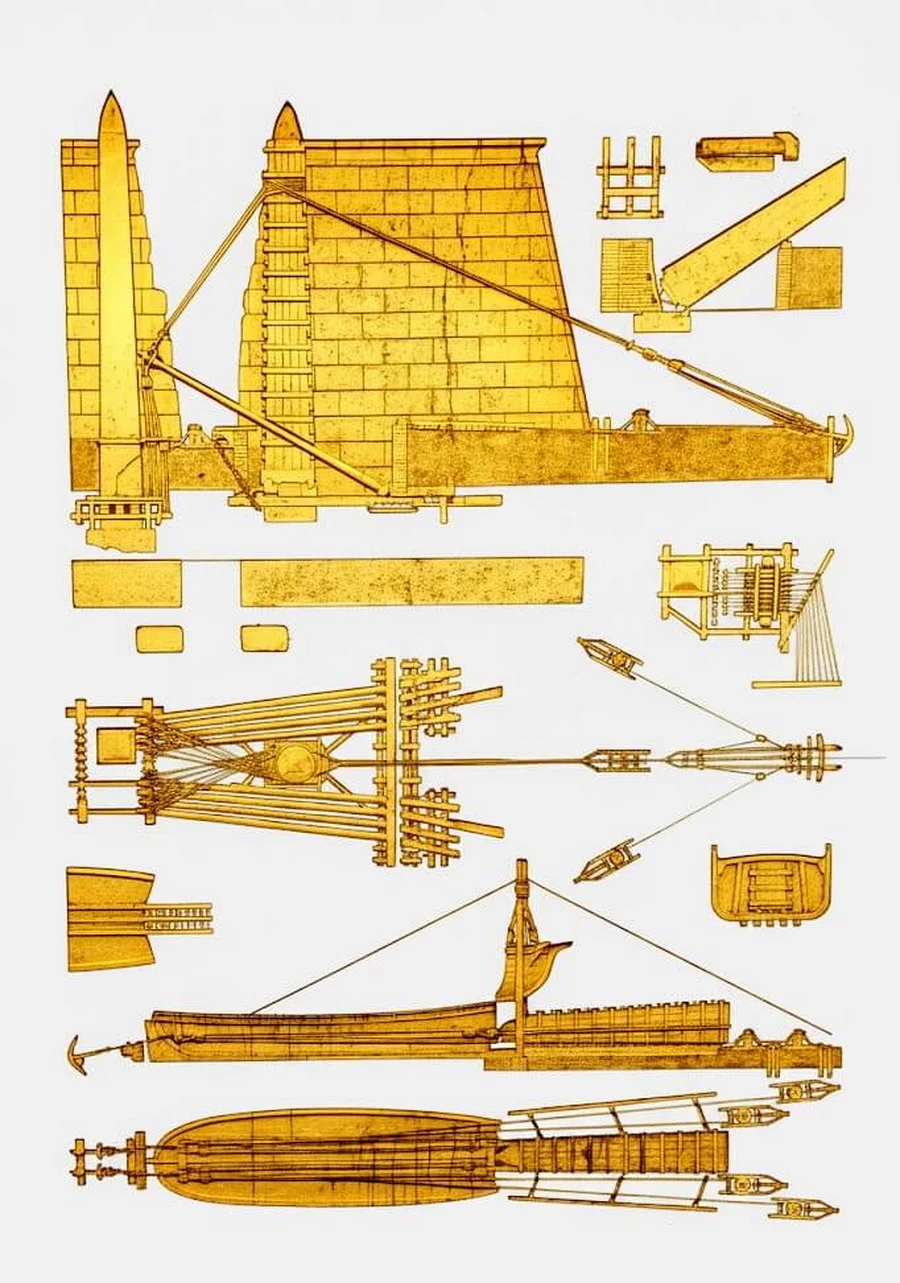
The final challenge remained the most baffling. Without modern cranes, the Egyptians needed to find a way to take the horizontal monument and tilt it into a perfectly vertical position. Archaeological evidence suggests a massive, specially constructed ramp and counterweight system. Slowly, meticulously, using ropes, levers, and enormous manpower, crews maneuvered the colossal granite block upright and settled it onto its pedestal with an accuracy that allowed these structures to stand for millennia.

The Profound Egyptian Influence on Greek Civilization

Egypt profoundly influenced ancient Greek civilization in various aspects. Key influences include religious syncretism, with...
Related post
FUN

Where to Find Egyptian Obelisks Today

Obelisks outside Egypt

Centuries after they were first erected, the Ancient Egyptian Obelisks have become the ultimate historical travelers. Today, these massive granite pillars are scattered across the globe, telling a secondary story of conquest, appreciation, and incredible 19th-century transport feats. The following list pinpoints where the Egyptian obelisks are located now.

At Home: The Obelisks Still Standing in Egypt

While many were moved, the monuments that remain at their original sites offer the purest historical context. Visitors can appreciate the sheer scale of the pharaohs’ vision on their home soil.

  • Hatshepsut’s Obelisk (Karnak Temple): Located within the massive Karnak complex, this monument is one of the tallest in Egypt still standing at its original site.
  • Obelisk of Sesostris I (Heliopolis): Standing in the Cairo suburb of Matariya (ancient Heliopolis), this is widely regarded as the oldest surviving Egyptian obelisk.

The Roman Obsession

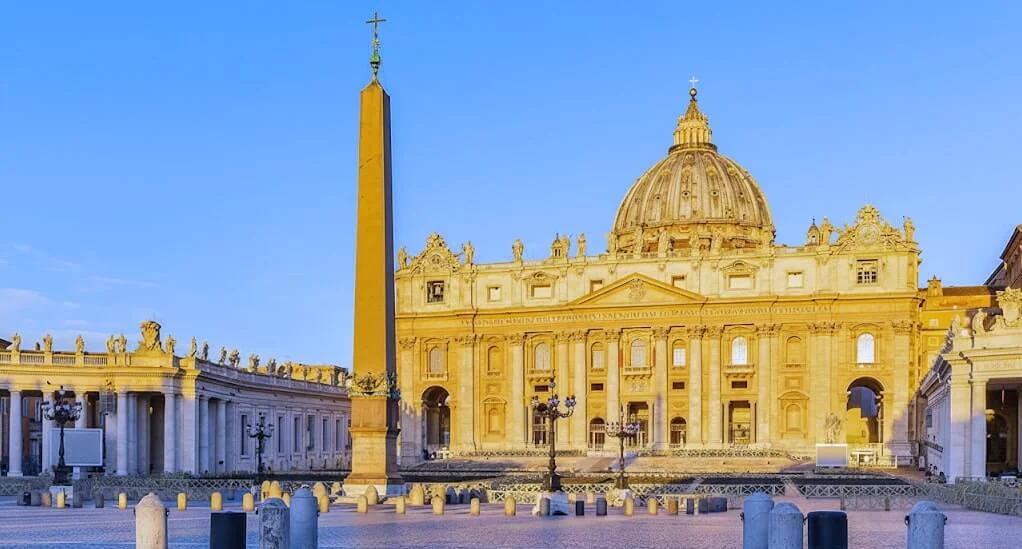
Fascinatingly, Rome has more Egyptian obelisks than any other single city in the world—a stunning 13 in total. The Roman emperors viewed them as the ultimate trophies of conquest, dismantling and shipping them across the Mediterranean to decorate their imperial city.

  • The Lateran Obelisk: Imported in the 4th century CE, this monument is recognized as the tallest surviving ancient Egyptian obelisk in the world.
  • The Vatican Obelisk: Standing in St. Peter’s Square, this is famed for being one of the few ancient obelisks that does not bear hieroglyphic inscriptions.

The Victorian Adventures (Cleopatra’s Needles)

The 19th century saw another scramble for these monuments, leading to two of the most spectacular transport stories in history. Though misnamed (they pre-date Queen Cleopatra), Western powers received these obelisks as gifts:

  • London: This obelisk, which they re-erected on the Victoria Embankment, survived a dramatic sea tow; the transporting ship sank, and crews later rescued it.
  • New York: The sister monument resides in Central Park. Its epic journey in 1881 required a special track and rolling mechanism to move the stone through the city streets.

Europe’s Famous Examples (Paris)

The single Luxor Obelisk standing in Paris arguably receives the world’s most views. France transported it from the entrance of the Luxor Temple as a gift in the 1830s, and it now stands prominently in the Place de la Concorde, a magnificent counterpoint to its twin that remains in Egypt.

The Sun God Political Role: A 3000-Year History of Kingship and Solar Deities

The Sun God's political role in Ancient Egypt was not static, but a dynamic, 3000-year...
Related post
FUN

Ancient Egyptian Obelisk: An Undying Legacy

A hammerstone chipped the granite in Aswan. This action set the Ancient Egyptian Obelisk on a path to defy time. These monuments are more than just architectural relics; they manifest ancient ambition. They blend scientific genius, engineering prowess, and deep spiritual conviction. They fix points in history, perpetually pointing to the heavens.

The sun god’s stone holds many secrets. Its divine purpose was a petrified sunbeam. Logistical miracles moved its colossal weight. These facts continue to inspire awe millennia later. See one standing proudly on the Nile. Or find one gracing a European piazza. Either way, you stand face-to-face with history that refuses to forget.

Experience the majesty yourself: Plan your trip now to witness their scale firsthand. Check out our Egypt holiday packages. Explore the temples where these monuments originated. Alternatively, seek out one of the incredible surviving Egyptian obelisks in a city near you.

Temples of the South: Architecture and Significance of the Nubian Temples

The Egyptian Nubian Temples represent an extraordinary collection of ancient monuments constructed by pharaohs—such as...
Related post
FUN
Fantastic Deluxe experience and wonderful adventure trip of Egypt....
Explore Cairo, Luxor, and all Egypt's Oases....

Excellent Adventure

These guys put together an amazing itinerary that allowed me see the sunrise at the sun festival in Abu Simbel, King Tut’s tomb, and mask! That was just the tip of the iceberg. Aswan, Kom Ombo, Edfu and Luxor. So much visited with plenty of rest time. An amazing trip

More »

Great shore excursion of Cairo & Giza

We are glad that we arranged our private shore excursion with Egypt Fun tours in last week of October 2012. Booking process was very easy with Hamada and she took care of all our questions promptly just via E-mail. Our group was little worried about safety in Egypt especially because

More »
Giza pyramids Tours - Egypt Fun Tours

Thanks to egypt fun tours!

Thank u Hani for the enlightening tour of Giza and Saqqara. Thank u also for the great recommendation – Felfela – which we enjoyed a lot. returning the commission u got at the papyrus shop was something we didn’t expect and truly appreciate. shookran!

More »

Perfect layover Tour

I had a 10 hour layover in Cairo so booked a tour with Hani at Egypt Fun Tours. The tour was brilliant. I saw exactly what I wanted to see during the day which included the pyramids, Sphinx, Egyptian museum and the Bazaar. Hani was very knowledgeable and was the

More »
13-day Egypt guided tour package - Egypt Fun Tours

Easily the best two days of the year!

We were doing the 14-day Mediterranean cruise and were in Egypt for two days. I was searching the internet for about 4 days and finally found Egypt Fun Tours as my guide in Egypt. It ended up being the best 2 days of the entire cruise trip. Since this is

More »
Isis with wings

Top-rated Tour Packages

Isis with wings