Ancient Egypt Intermediate Periods: Crisis and Conquest

The Ancient Egypt Intermediate Periods saw centralized power collapse (FIP), followed by the foreign Hyksos invasion (SIP). The Hyksos introduced revolutionary military technology like the chariot and composite bow. The Theban dynasty then used these tools to expel the invaders and establish the powerful New Kingdom.

Ancient Egypt’s Intermediate Periods

The history of Ancient Egypt Intermediate Periods encompasses two crucial eras, the First () and the Second (), that define the civilization’s ability to endure and adapt. These periods are critical segments on the timeline of ancient Egypt. Characterized by political fragmentation, decentralization, and external influence, they contrast sharply with the stability of the Old, Middle, and New Kingdoms.

Studying the Ancient Egypt Intermediate Periods is vital because they reveal how the unified state fractured and later reorganized itself with newfound strength. Specifically, the crises forced the civilization to adapt to internal collapse and foreign military superiority, ultimately leading to the unparalleled might and imperial expansion of the New Kingdom. The political lessons and technological innovations of these turbulent eras shaped the future of Egypt.

FUN

First Intermediate Period: Collapse of Ancient Egypt’s Central Authority

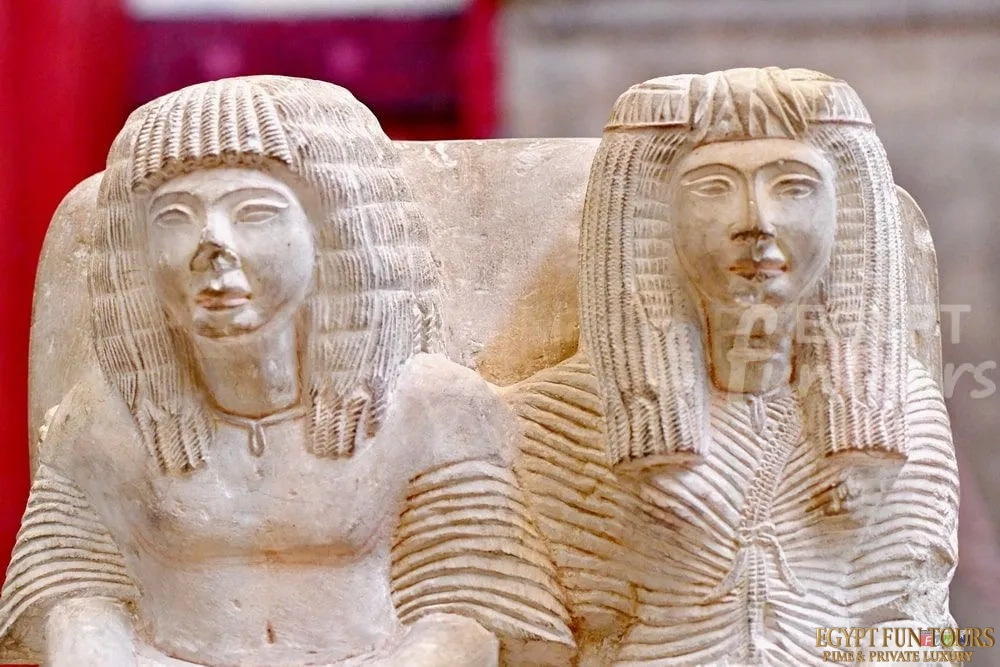
Hyksos foreign rulers invasion Egypt Fun Tours

The First Intermediate Period () marks the collapse of the Old Kingdom, a time that saw the powerful, centralized administration of Memphis fade and the political landscape shatter into independent regional states.

The Erosion of Pharaoh’s Authority

The stability of the Old Kingdom relied heavily on the absolute authority of the Pharaoh and the resources flowing into the central government. Several factors contributed to its demise:

1. Rise of the Nomarchs:

Regional governors, known as Nomarchs (rulers of nomes, or districts), began to pass their titles down hereditarily. As their power grew, their loyalty to the distant capital waned. They effectively became local kings, raising their own armies and initiating their own building projects.

2. Environmental Stress:

Long, successive periods of low Nile floods led to severe drought and famine. Because the Pharaoh was seen as the divine guarantor of the flood, his failure to ensure prosperity disabled his religious and political legitimacy.

3. Civil War:

Political fragmentation led to open warfare. Two main power bases emerged: one centered at Herakleopolis ( and ) in Lower Egypt, and another rising at Thebes () in Upper Egypt. The conflict lasted for decades until the Theban ruler Mentuhotep II finally defeated the Herakleopolitan forces, reunifying Egypt and inaugurating the Middle Kingdom.

Egyptian literature describes the FIP as a time of chaos and societal collapse, but the period actually fostered cultural innovation as provincial art and literature flourished free from the royal court’s rigid control.

FUN

Religious Shifts: Democratization of the Afterlife in Ancient Egypt Intermediate Periods

Religion, Death, and The Afterlife

One of the most profound and lasting impacts of the political turmoil of the Ancient Egypt Intermediate Periods was a massive shift in religious belief, known as the “democratization of the afterlife.” Before this time, access to eternal life was primarily guaranteed through the Pharaoh, whose divinity secured the cosmic order of Ma’at for all. When the Pharaoh’s authority collapsed, non-royal individuals sought to guarantee their own journey to the afterlife.

This need for personal salvation drove several major changes:

  • The Rise of the Coffin Texts: The exclusive funerary spells used by the Old Kingdom Pharaohs (the Pyramid Texts) were adapted and expanded into the Coffin Texts. These spells were painted directly onto the wooden coffins of wealthy individuals, allowing regional nobles and high-status citizens to bypass royal authority and claim direct access to the realm of the dead.
  • Widespread Cult of Osiris: The god Osiris, who symbolized death, rebirth, and eternal life, became the central deity in funerary rites for people of all classes. His story—being murdered and resurrected—provided a universal template for overcoming death.
  • The Introduction of Shabti Figures: These small servant figurines began appearing in tombs. Their purpose was to magically come to life and perform the difficult manual labor required of the deceased in the afterlife, ensuring the tomb owner could enjoy eternal rest. This concept became standard throughout the rest of Egyptian history.

These religious changes empowered the regional elites and set a new standard for Egyptian religious practice that persisted through the New Kingdom and beyond.

The Profound Egyptian Influence on Greek Civilization

Egypt profoundly influenced ancient Greek civilization in various aspects. Key influences include religious syncretism, with...
Related post
FUN

Hyksos Rule: Technology in the Ancient Egypt Intermediate Periods

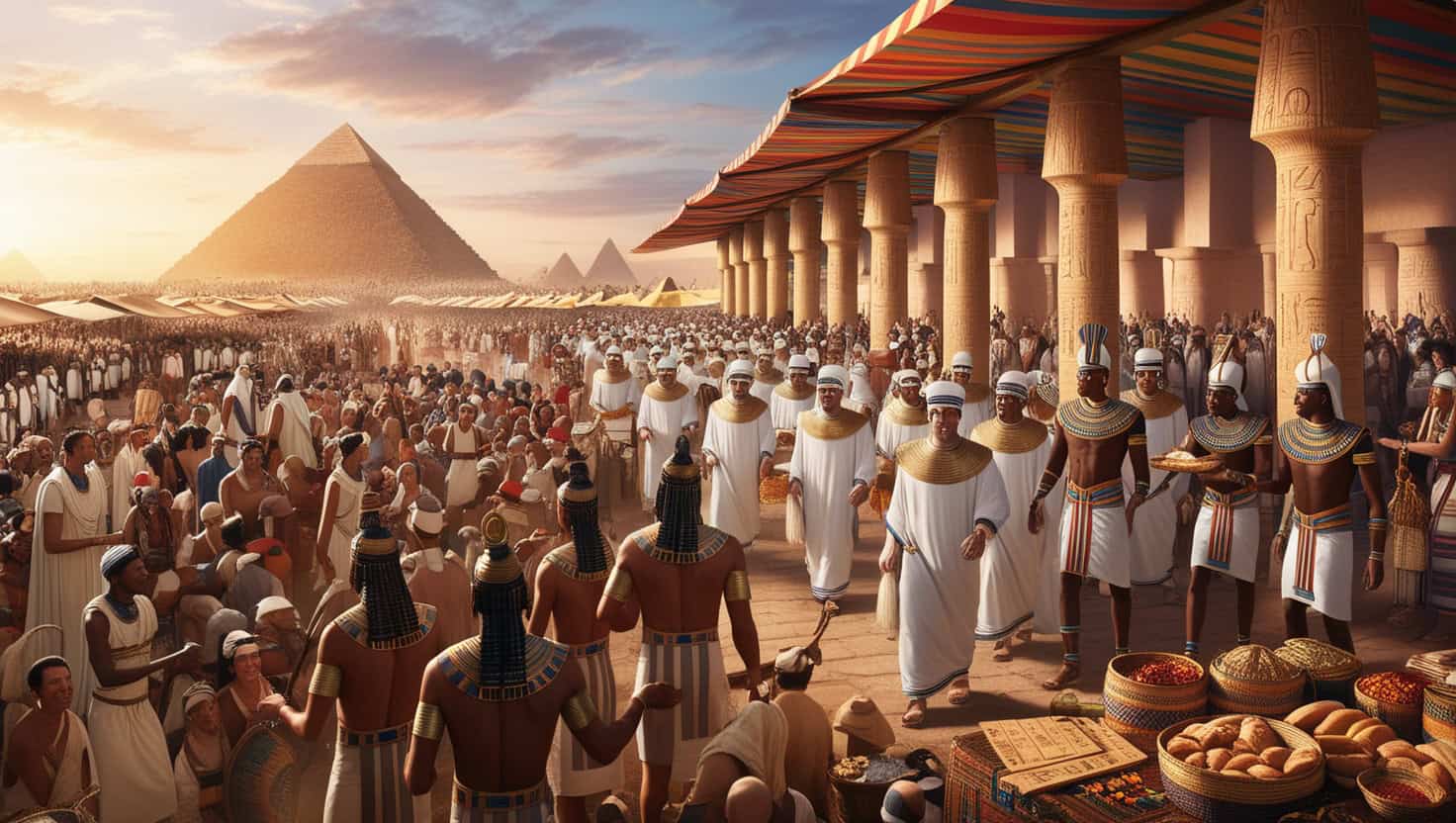
Hyksos foreign rulers egypt fun tours

Following the relative prosperity of the Middle Kingdom, Egypt again entered a period of fragmentation—the Second Intermediate Period (). This era was defined by the presence of a foreign dynasty: the Hyksos. This crucial phase of the Ancient Egypt Intermediate Periods introduced technologies that forever changed the course of its military history.

The Arrival of the Hyksos

The term “Hyksos” () means “Rulers of Foreign Lands.” These were Western Asiatic (likely Canaanite) peoples who had been steadily migrating into the Nile Delta for decades. During the breakdown of the central government, their leaders took control of the northern region of Egypt, establishing their own dynasty () and ruling from their fortified capital, Avaris (modern Tell el-Dab’a).

The Technological Leap

While the Hyksos adopted many elements of Egyptian kingship and culture, their most enduring impact was the introduction of revolutionary military technology that fundamentally changed Egyptian warfare and defense forever.

Innovation Description Impact on Egypt
The Horse-Drawn Chariot A light, two-wheeled war vehicle drawn by horses. Provided unparalleled speed and mobility on the battlefield, transforming combat from purely infantry-based to combined arms.
The Composite Bow Constructed from wood, horn, and sinew in layers. Far superior to the traditional Egyptian simple longbow, offering greater power, range, and accuracy for piercing armor.
Superior Bronze Weaponry Introduction of improved metallurgy, including bronze battle-axes, swords, and daggers. Gave Hyksos forces a technological edge, providing stronger, sharper, and more durable weapons than Egypt’s previous copper tools.

These innovations, learned from the Hyksos, would be the very tools used by the Egyptians to drive them out, and they formed the backbone of the great imperial armies of the ensuing New Kingdom.

The Logic of Immortality: The Evolution of Egyptian Afterlife Beliefs

Interpretation by: Mr. Muhammed Hussein (Professional Egyptologist & Tour Guide). Uncover the logical, step-by-step evolution...
Related post
FUN

Theban Victory: Ending the Ancient Egypt Intermediate Periods

King Ahmose I fighting the Hyksos Egypt Fun Tours

The Hyksos ruled Lower Egypt, but a series of native Egyptian rulers, known as the Seventeenth Dynasty, maintained control over Upper Egypt from their base in Thebes (modern Luxor). The final phase of the Hyksos occupation was marked by a fierce war of liberation spearheaded by this determined Theban royal family.

The Road to Reunification

  • Seqenenre Tao II: Known as “the Brave,” he initiated the conflict with the Hyksos. His mutilated mummy suggests a violent death in battle, turning him into a martyr for the cause of national liberation.
  • Kamose: The successor to Seqenenre Tao, Kamose pressed the offensive, launching successful raids into Hyksos territory and capturing supplies. His aggressive campaigning significantly weakened the foreign dynasty, bringing Egyptian control up to the borders of Avaris.
  • Ahmose I: Kamose’s younger brother was the one who finally completed the centuries-long struggle. Ahmose I successfully besieged and captured Avaris, driving the Hyksos out of the Nile Delta. He pursued them into Canaan, securing Egypt’s borders and creating a necessary military buffer zone to prevent future invasions.

Ahmose I’s decisive victory marked the end of the Second Intermediate Period and, on the timeline of ancient Egypt, the beginning of the New Kingdom (), an era of unprecedented military might, territorial expansion, and architectural grandeur that cemented Egypt’s place as the dominant power in the Near East.

Ancient Egyptian Priests: Custodians of Ma’at and Power

The priests of ancient Egypt were far more than just religious figures; they were the...
Related post
FUN

Frequently Asked Questions (FAQs)

Q: What were the two Ancient Egypt Intermediate Periods?

A: The First () and the Second () are the two eras. These were times of political breakdown between the stable Egyptian Kingdoms.

Q: What caused the First Intermediate Period (FIP)?

A: Low Nile floods caused severe famine. This weakened the Pharaoh’s power. Powerful regional governors (Nomarchs) then rose up and caused civil war.

Q: What major military innovations did the Hyksos introduce?

A: The Hyksos brought the horse-drawn chariot, the composite bow, and superior bronze weapons. Egyptians later adopted these technologies.

Q: What does the “democratization of the afterlife” mean?

A: During the collapse of central power, non-royal people gained access to eternal life. They achieved this through private funerary spells (Coffin Texts) and the popular worship of Osiris.

Q: Who ended the Second Intermediate Period?

A: Pharaoh Ahmose I expelled the Hyksos from Avaris. His victory reunified Egypt and founded the New Kingdom.

Designed to immerse you in the Wonders of Egypt...
12 Days Solo Woman Tour Package (Queen Cleopatra)...
Cairo belly dance show - Egypt Fun Tours

The BEST tour – a dream come true

I’ve been dreaming of going to Egypt since I was 7 years old. At 37, I finally made it. Even with the warnings that it’s not safe for Americans. Thankfully, Egypt Fun Tours quickly put any worry aside. Hamada, the owner, was recommended by a friend. He was our personal

More »

Lenka Traverlers

Egypt Fun Tours was contracted by our travel agency, Lenka Travelers, to arrange and guide us through parts of Egypt and Jordon. They did a fabulous job. The hotels, restaurants, places we visited, and transportation were the best. Our guide in Egypt, Mohammad, was very knowledgeable, spoke perfect English, and

More »

7 night Egypt Experience Cairo, Aswan, Luxor

Trip of a lifetime!! COVID SAFE!! Knowledgeable guide who loves to share the magic of Egypt with tourists. Friendly and accommodating. This company goes to the extreme to make clients feel welcome and help them. A family company that takes good care of its support staff. Must book the 7-night

More »

Valley of the Kings, Hepchepsut

I never had a more positive experience and educational time than this tours. Learning about a variety of kings and queens was amazing! The tour guide was super nice and helped me and my friend every step of the way! Including bargaining for a few souvenirs! I will never forget

More »

A great day!!!!

Thank you Hamada for an incredible day! Thank you for the stories and the history, you are so knowledgeable and we didn’t feel rushed at all or like we missed out on things, will definitely be recommending this tour to everyone 🙂

More »
Isis with wings

Top-rated Tour Packages

Isis with wings