
Many people believe that Egypt’s glory ended with the death of Ramses the Great. However, this is a mistake. The Late Period of Egypt (c. 664 – 332 BCE) was a time of incredible resilience and cultural rebirth. During this era, Egypt faced constant threats from the world’s first “Superpowers”—the Assyrians, the Persians, and eventually the Greeks.
Despite these challenges, Egyptian priests and kings looked backward to their glorious past. They revived ancient art styles and built massive monuments. Consequently, this era is often called the “Saite Renaissance.” It represents the final, defiant chapter of native Egyptian rule before the arrival of Alexander the Great. To understand how Egypt kept its soul while surrounded by empires, you must explore the Late Period of Egypt.
The 26th Dynasty: The Saite Renaissance of the Late Period of Egypt
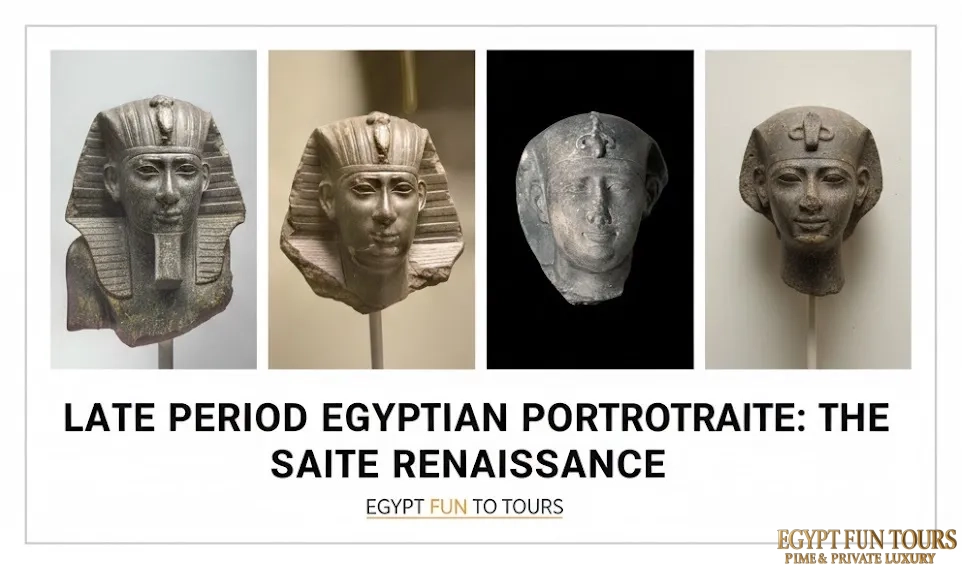
The Late Period of Egypt officially began with the 26th Dynasty, based in the city of Sais in the Western Delta. After the withdrawal of the Assyrians, a powerful leader named Psamtik I took the throne. He did more than just secure the borders; he sparked a cultural revolution.
A Return to the Classics
The Saite kings did something remarkable. Instead of inventing new styles, they copied the art and language of the Old Kingdom.
- First, they sent royal artists to the Pyramids of Giza to study 2,000-year-old reliefs.
- Second, they revived the use of “Old Egyptian” grammar in royal inscriptions.
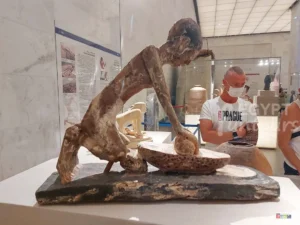
- Third, they produced some of the finest bronze and basalt statues in history.
This “Archaizing” style was a political statement. By mimicking the Pyramid builders, the Saite Pharaohs proved they were the legitimate heirs to Egypt’s long history.
A Globalized Economy
Furthermore, the 26th Dynasty opened Egypt to the world. They invited Greek mercenaries to serve in the army’s elite units. Additionally, they allowed Greek merchants to build the city of Naukratis as a dedicated trading hub.
As a result, Egypt once again became a center of Mediterranean trade. This wealth allowed the Pharaohs to fund massive building projects. They added new halls to the Temple of Karnak and expanded the Serapeum of Saqqara. This dynasty proved that even in the Late Period of Egypt, the nation could still be a wealthy and dominant force.