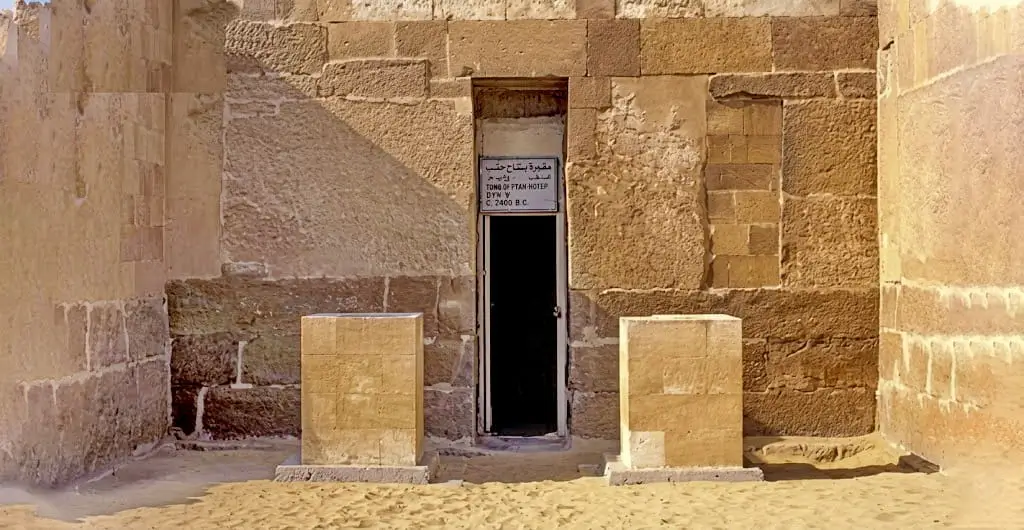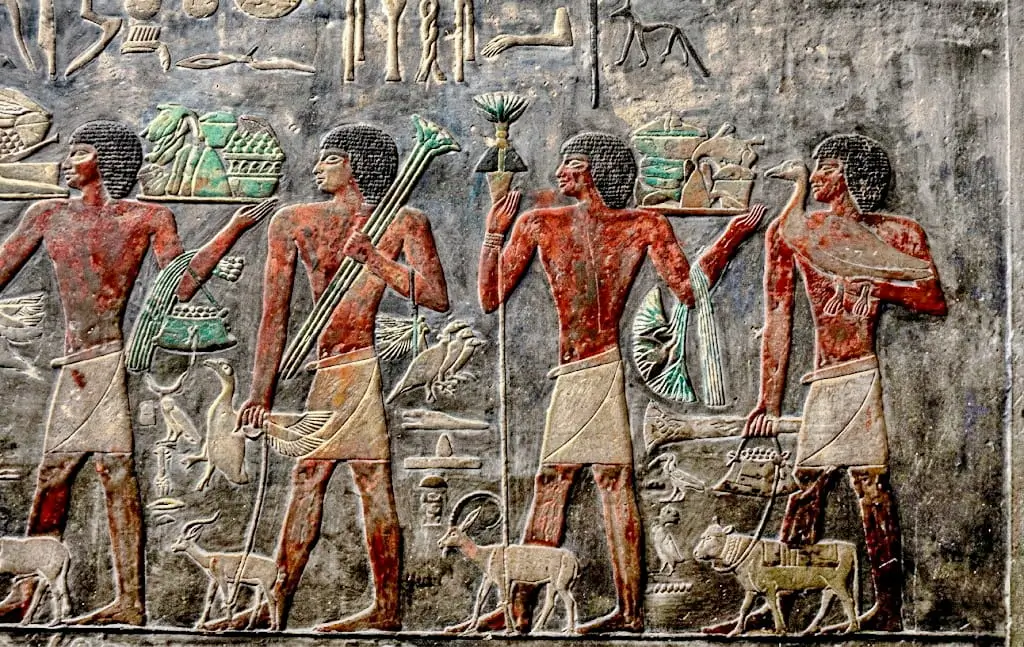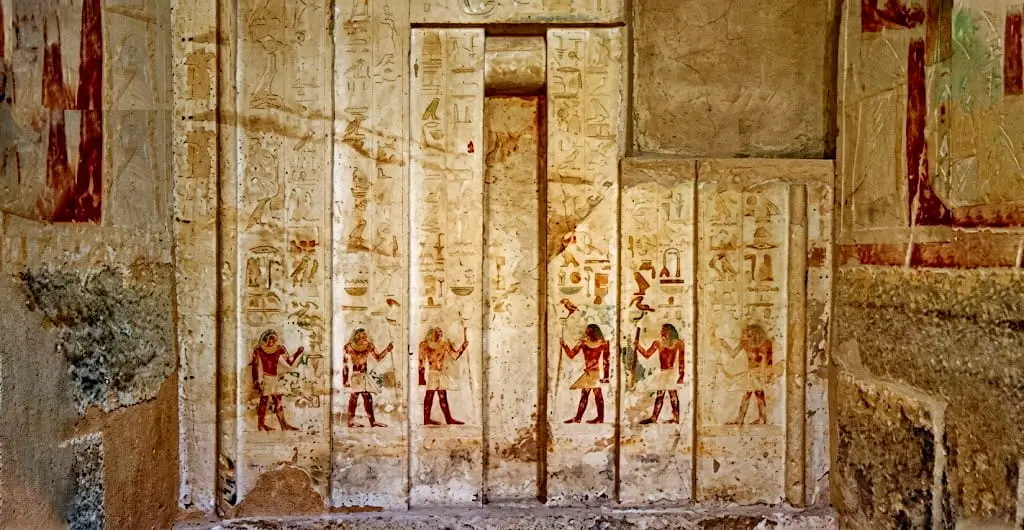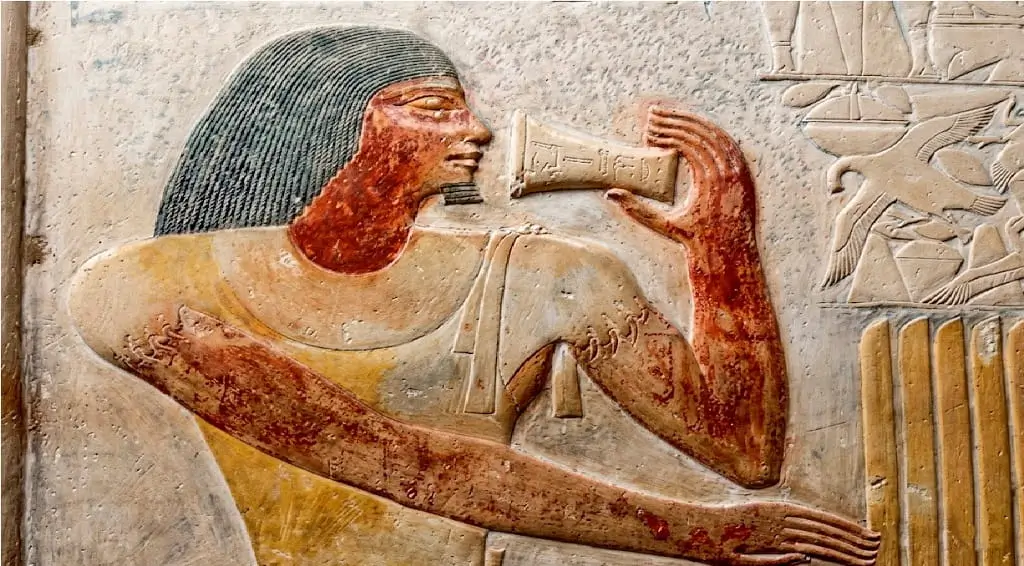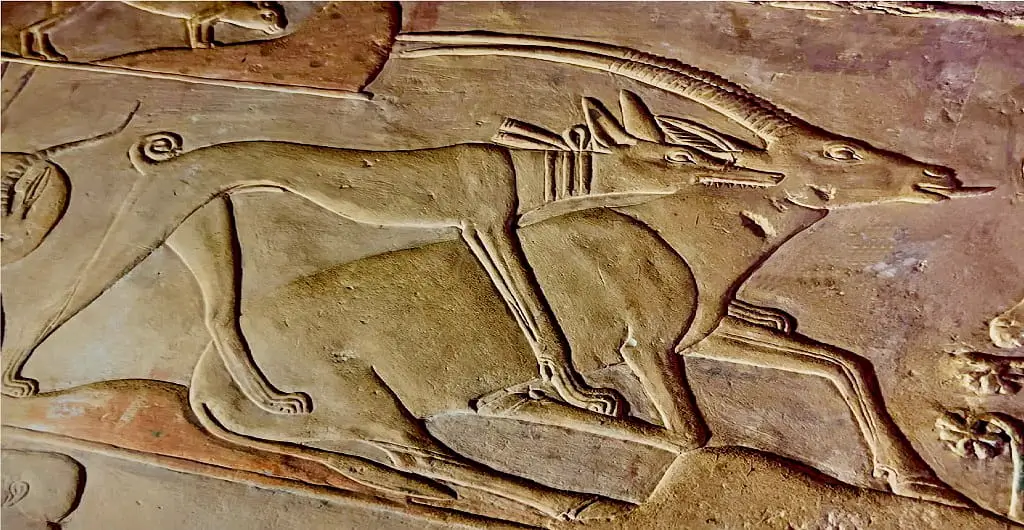
The Saqqara Necropolis holds many secrets, but few are as artistically significant as the Tomb of Ptahhotep. Located just north of the Step Pyramid, this magnificent double mastaba serves as a pinnacle of 5th Dynasty art. While other tombs dazzle with color, Ptahhotep’s sanctuary relies on the sheer elegance of its limestone carvings. It remains a primary destination for those seeking to understand the height of ancient Egyptian craftsmanship.
Tomb of Ptahhotep: A Legacy of Wisdom and Power
Ptahhotep was no ordinary official. He served as the Vizier—the highest-ranking administrator—under the Pharaoh Djedkare Isesi. Beyond his political power, history remembers him for his intellect. He is credited with writing the Maxims of Ptahhotep, a collection of moral advice often cited as the world’s first book of philosophy.
Consequently, his tomb reflects this high status and intellectual depth. This monument is actually a double mastaba, shared with his son, Akhethotep. Together, father and son created a funerary complex that has survived for over 4,300 years.
Why the Tomb of Ptahhotep is Unique
Visitors often rank this tomb as the most beautiful in Saqqara for several reasons:
- Anatomical Precision: The artists captured every muscle and movement of the human and animal figures.
- Unpainted Elegance: The lack of paint allows the viewer to focus entirely on the depth and texture of the relief work.
- Rare Scenes: You will find depictions of daily life, such as gymnastics and personal grooming, that appear nowhere else.
Discover the Tomb of Ptahhotep in This Guide
To help you navigate this sprawling monument, we have structured this authority guide into clear, scannable chapters. We will begin with the architectural layout of the dual chambers. Next, we will decode the symbolism of the reliefs, including the famous banquet and hunting scenes. Finally, we provide expert visitor tips to ensure you capture the best views of these ancient masterpieces.
This guide acts as your digital companion through one of Egypt’s most sophisticated archaeological sites. Let’s start our journey by exploring the structural design of the tomb and how it accommodates two of the Old Kingdom’s most powerful men.