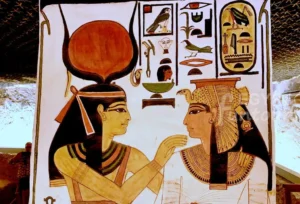
While the royal valleys capture the solemnity of the afterlife, the Sheikh Abd el-Qurna tombs serve as the most prestigious and artistically significant neighborhood for the ancient elite. Perched on the limestone slopes directly overlooking the Ramesseum, this area acted as the “high-rent district” of the 18th Dynasty. It houses the final resting places of the empire’s most powerful viziers, mayors, and governors.
At Egypt Fun Tours, we prioritize the tombs because they offer the highest density of world-class art found anywhere on the West Bank. Consequently, visitors can explore several distinct masterpieces within a short walking distance, each telling a deeply personal story of power, family, and celebration. In this comprehensive guide, we break down why this specific hill remains the pinnacle of ancient private life and how you can navigate its history-soaked paths with ease.
Why the Sheikh Abd el-Qurna Tombs Stand Above the Rest
Before you begin your climb, consider why archaeologists and art historians rank the Sheikh Abd el-Qurna tombs so highly:
- The Front-Row Seat: The officials buried here chose this location specifically because it faces the royal mortuary temples. By doing so, they ensured their spirits would participate eternally in the king’s offerings.
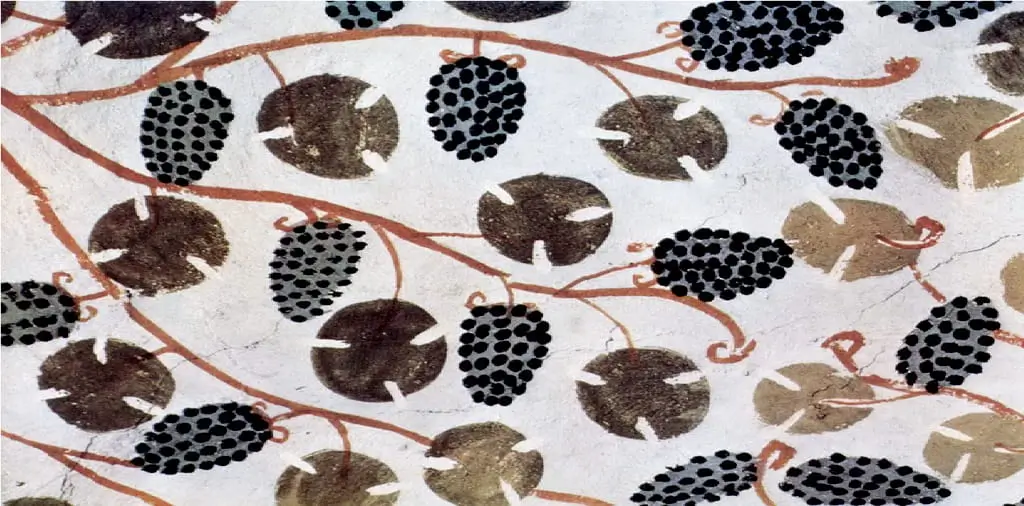
- Superior Craftsmanship: The high-quality limestone of this hill allowed ancient sculptors to achieve a level of relief detail that is simply impossible in softer rock.
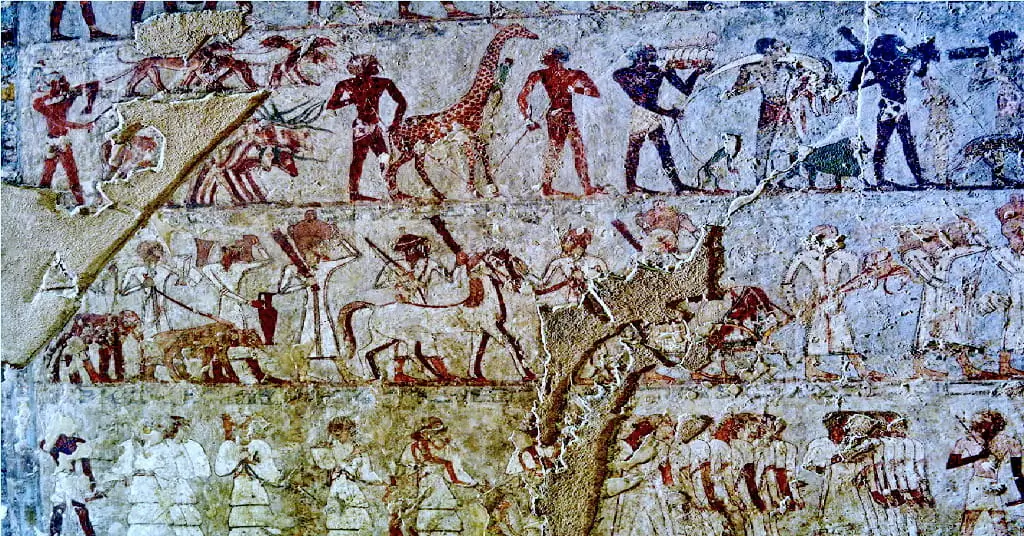
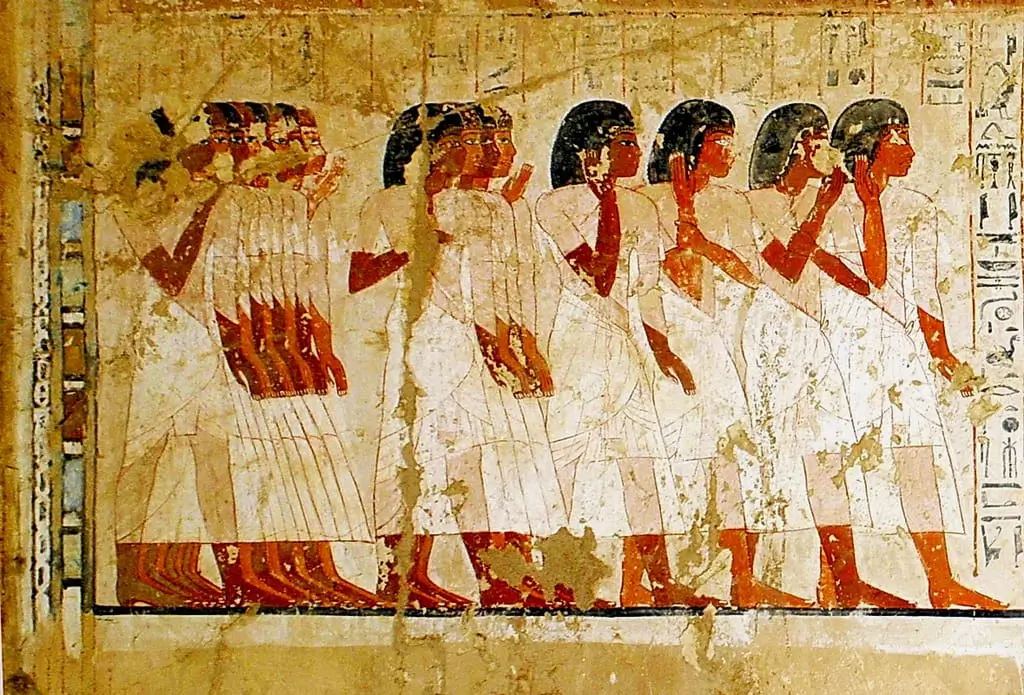
- A Visual Archive: Beyond their beauty, these tombs act as a massive visual database. From tax records and foreign tribute to beer-making and banquets, the walls preserve the daily mechanics of an ancient superpower.
- The Best Views in Luxor: Notably, the height of the hill offers a breathtaking panoramic view of the Nile Valley, making the journey between tombs just as scenic as the art inside them.