Manuscript Treasures and Intellectual Heritage in Wadi Al-Natrun

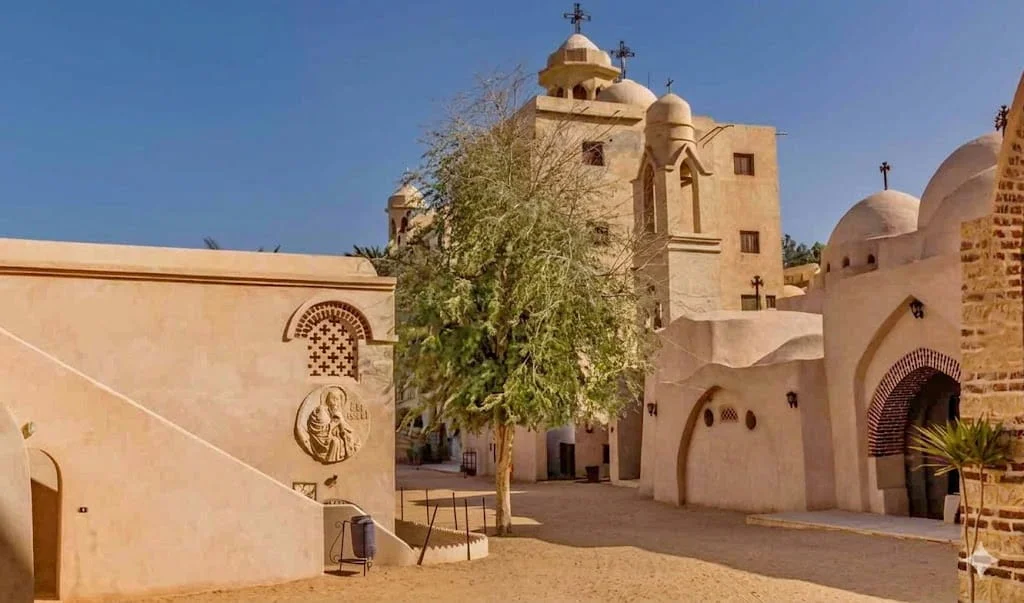
The monasteries of Wadi Al-Natrun function as one of the world’s most significant repositories of ancient knowledge. These desert walls have protected fragile documents for over a millennium, preserving a wealth of information that shaped the theology, literature, and history of the Christian world.
The Role of Scribes in Wadi Al-Natrun
For centuries, the scriptorium was the intellectual engine of the valley of Wadi Al-Natrun. Monks dedicated their lives to the meticulous task of copying sacred texts. They transcribed works in Coptic, Greek, Syriac, and Arabic, ensuring that essential philosophical and religious teachings survived. This dedication turned the valley into a bridge between the ancient world and the Middle Ages. The manuscripts produced here provided the foundation for much of the scholarly tradition that later spread to Europe and the wider Mediterranean.
Treasures of the Libraries in Wadi Al-Natrun
The libraries within these monasteries house a staggering collection of codices and papyri. Many of these texts were rediscovered by European scholars in the 18th and 19th centuries, leading to a global surge of interest in Coptic history. The collections contain not only religious hymns and biblical texts but also early medical treatises, botanical studies, and linguistic guides. Today, the preservation of these paper and parchment artifacts is a high priority. Monasteries have invested in climate-controlled environments and digital scanning to protect these fragile treasures from humidity, heat, and age.
Preserving Ancient Languages in Wadi Al-Natrun
A major part of the intellectual legacy is the preservation of the Coptic language. As the final stage of the ancient Egyptian language, Coptic is a vital link to the country’s Pharaonic past. The monks serve as the primary guardians of this linguistic heritage. By using Coptic in their daily liturgy and study, they keep the language alive. These monasteries are essentially living museums where the language of the ancients is still read, spoken, and understood.
Global Significance of the Records in Wadi Al-Natrun
The importance of these manuscripts extends far beyond the Coptic Church. Researchers from prestigious universities across the globe regularly visit these sites to study the collections. The documents offer unique insights into the social and intellectual climate of the Byzantine and early Islamic periods. They reveal how diverse cultures interacted, traded ideas, and influenced one another in the heart of the Egyptian desert. The scholarly work continues today, as modern experts collaborate with the monastic communities to catalog and study these invaluable historical records.
Challenges and Modern Preservation in Wadi Al-Natrun

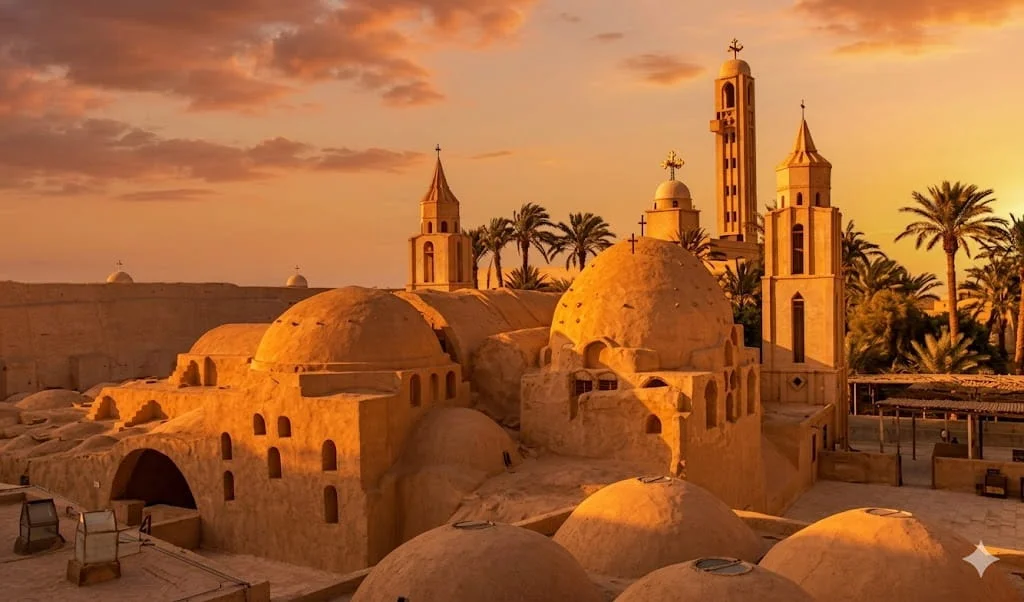
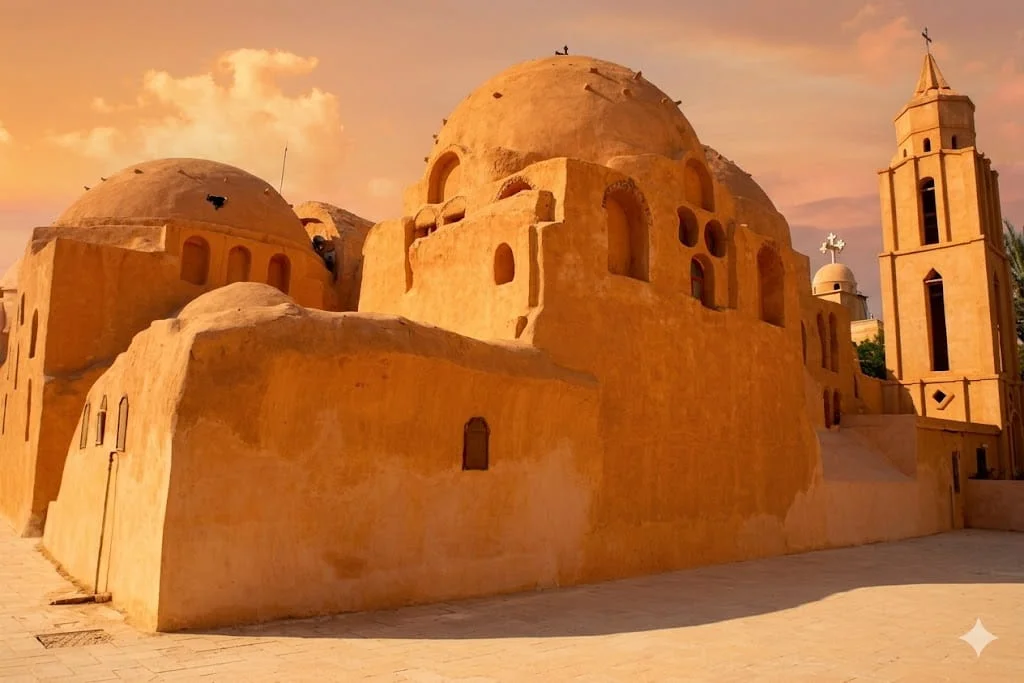
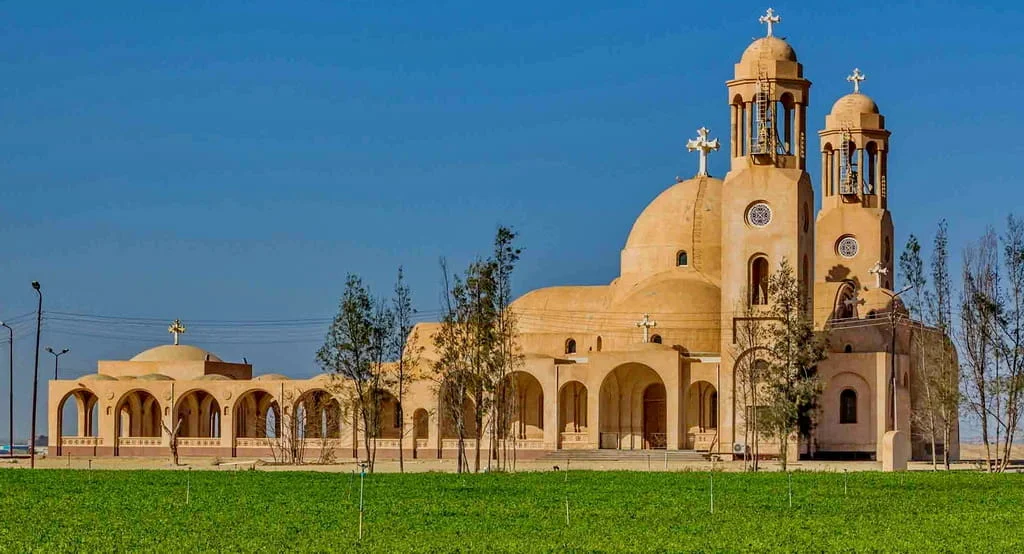
Preserving the ancient monasteries of Wadi Al-Natrun in the modern era presents a complex set of challenges. As the world changes, these isolated sanctuaries must navigate the pressure of development, environmental shifts, and the need to protect delicate structures from the impact of time.
Navigating Development and Access in Wadi Al-Natrun
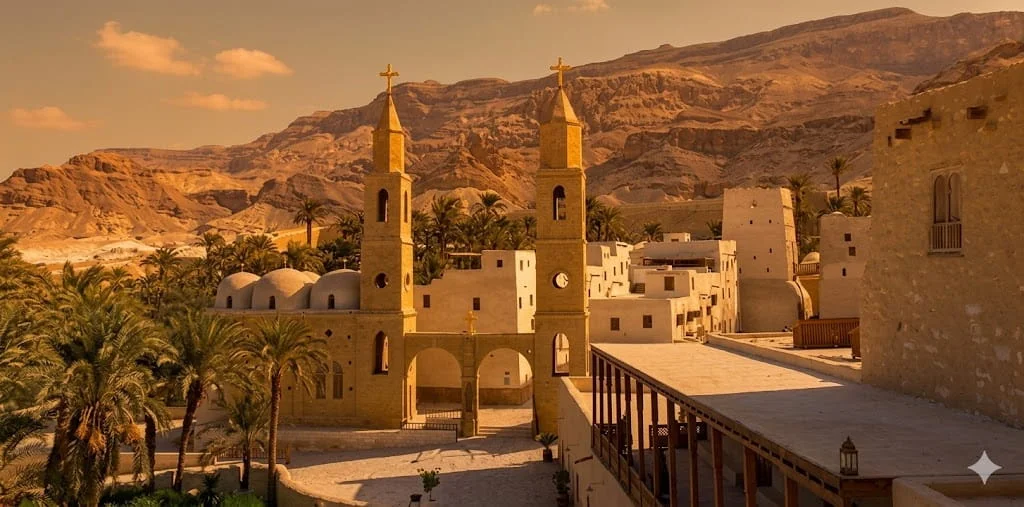
The construction of the Cairo-Alexandria desert highway transformed the region from a remote refuge into an easily accessible destination. While this allows pilgrims and tourists to visit with ease, it also exposes the sites to increased foot traffic and potential urban encroachment. The monasteries now face the challenge of maintaining their atmosphere of deep silence and seclusion amidst the noise of a major transit corridor. Striking a balance between welcoming visitors and protecting the meditative nature of the life within is a constant, ongoing effort.
Environmental Impact on Structures in Wadi Al-Natrun
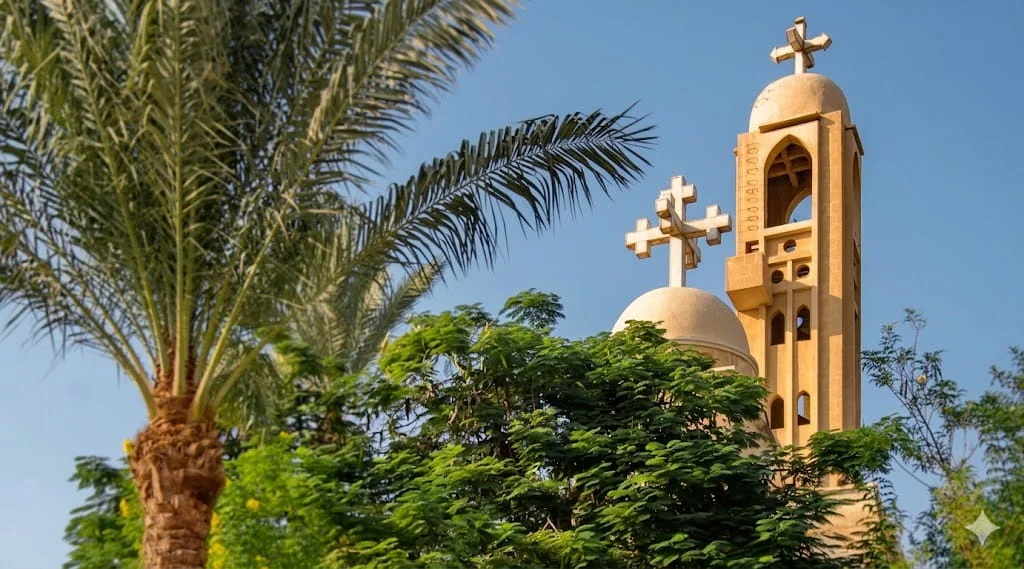
The unique geology of the valley creates persistent environmental difficulties. The fluctuation of the water table, caused by agricultural expansion and climate shifts, poses a serious threat to the foundations of ancient churches and towers. Salt crystallization within the masonry can cause structural degradation over time. Specialized engineering teams and restoration experts work in tandem with the monastic communities to monitor these changes. They employ sophisticated techniques to manage moisture levels and reinforce weakened walls without altering the original historical character of the buildings.
The Push for UNESCO Recognition in Wadi Al-Natrun
There is a growing, collective drive to have the Wadi Al-Natrun region officially inscribed as a UNESCO World Heritage site. Such a designation would provide international recognition, increased protection, and access to global expertise in conservation. Proponents argue that the cultural and spiritual value of these sites is comparable to that of any other major historical monument globally. Achieving this status would assist in securing long-term funding for the preservation of frescoes, manuscripts, and crumbling defensive walls that remain vulnerable to environmental decay.
Sustainable Stewardship in Wadi Al-Natrun
True to their history of self-reliance, the monasteries are leading their own preservation initiatives. By implementing sustainable farming practices on their surrounding lands, they are mitigating local environmental stress. Furthermore, they are actively upgrading their internal infrastructure to include better waste management and energy-efficient lighting. These efforts demonstrate a forward-looking approach to stewardship. They prove that these ancient institutions are capable of adapting to the demands of the 21st century while remaining steadfastly dedicated to their ancestral mission.