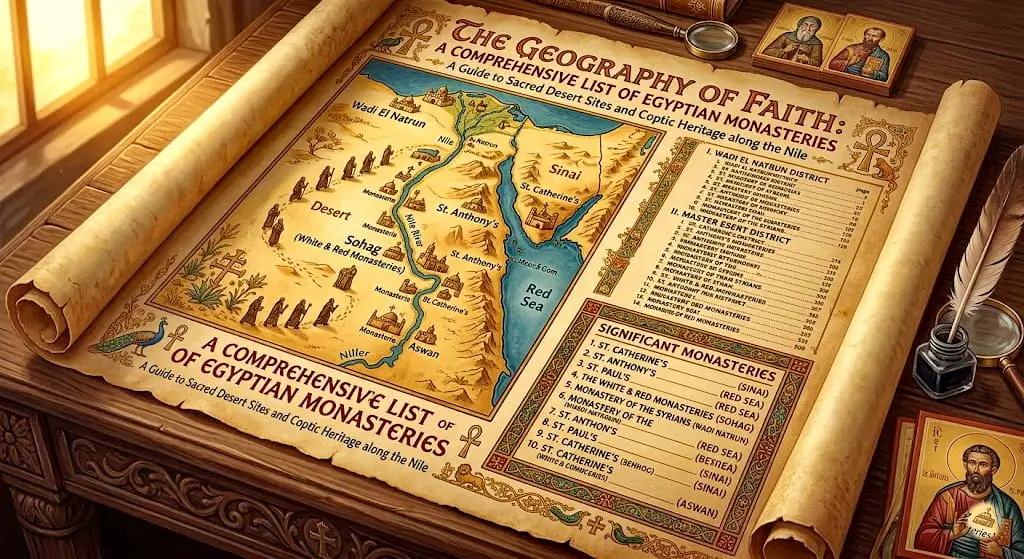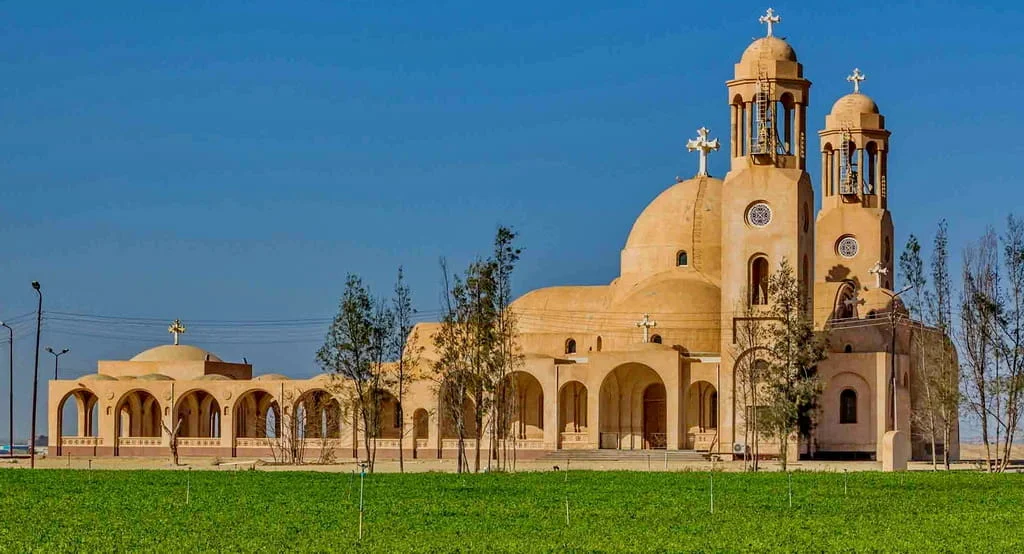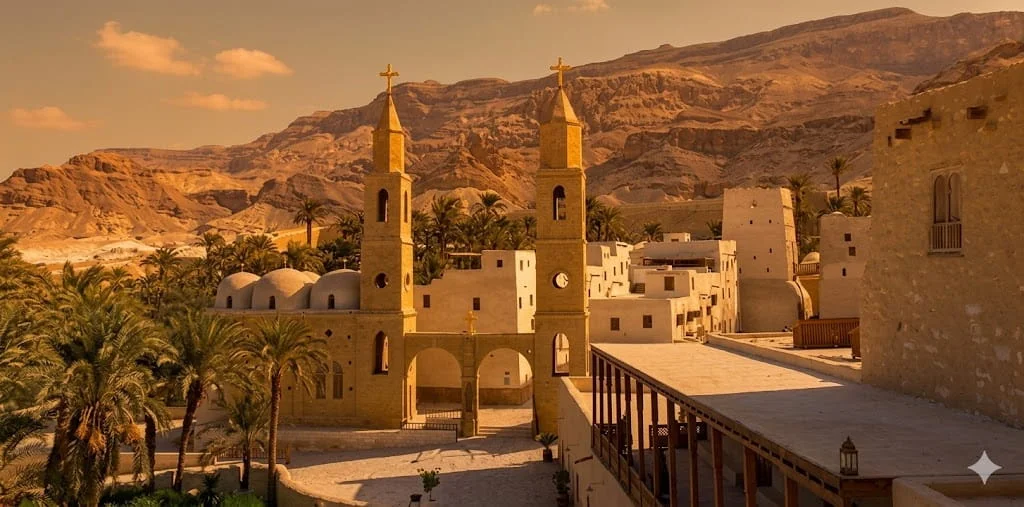
The Egyptian desert is more than just a vast, sandy landscape. For nearly two thousand years, it has served as the birthplace of Christian monasticism. It was here, in the deep silence of the wilderness, that the first monks began their journey. They sought spiritual wisdom and peace. Because of their dedication, they transformed the rugged desert into a sanctuary for prayer. Today, monasteries in Egypt remain living monuments. They perfectly bridge the gap between the ancient world and the modern Coptic faith.
Monasteries in Egypt: Guardians of a Unique Heritage
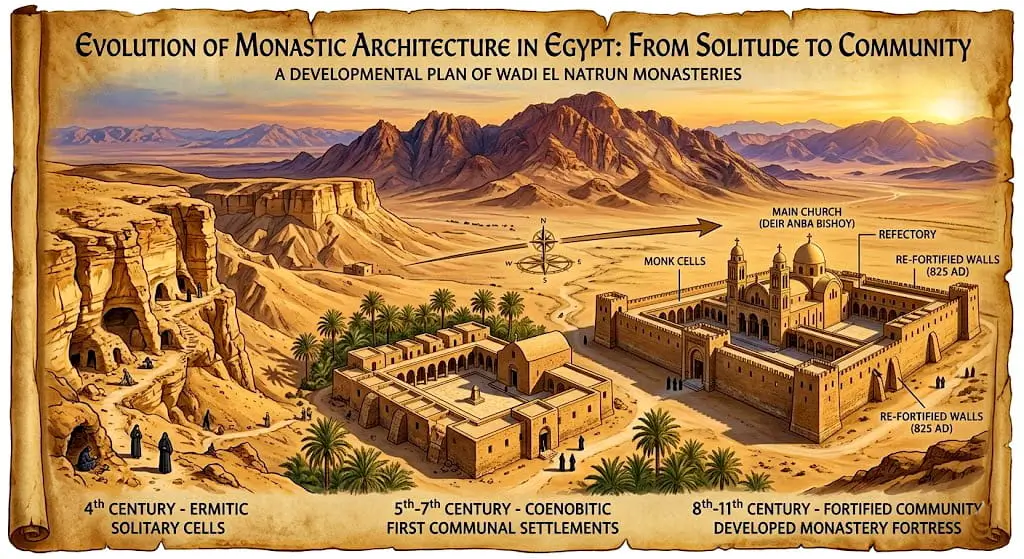
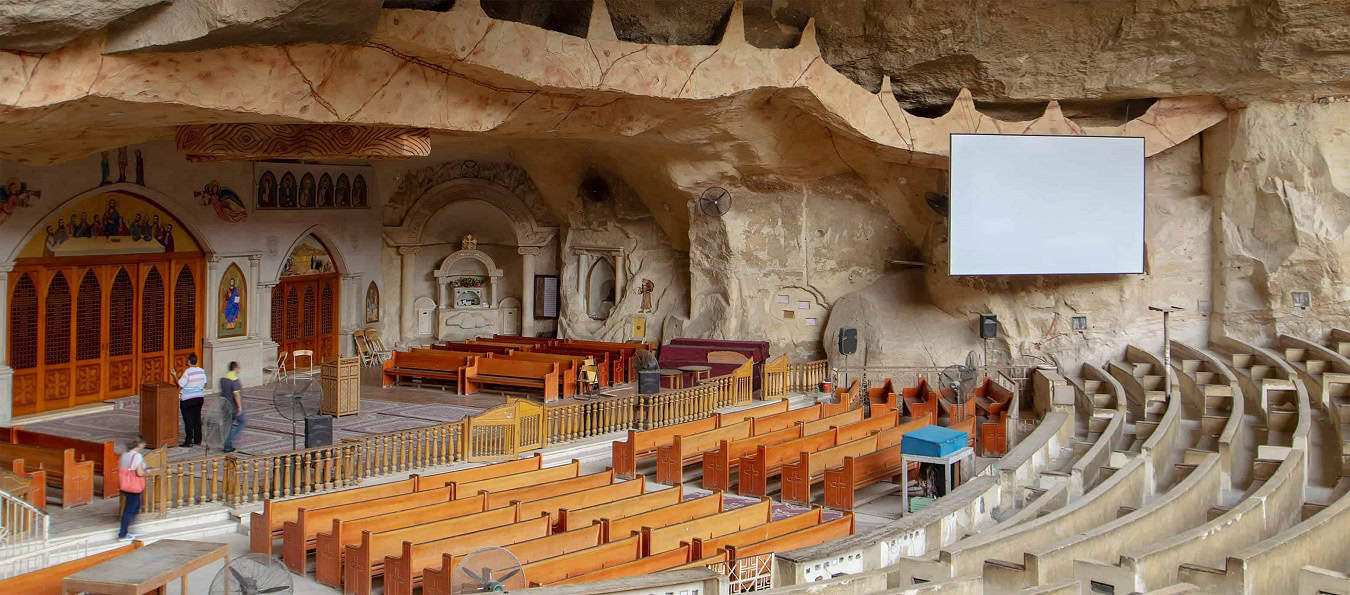
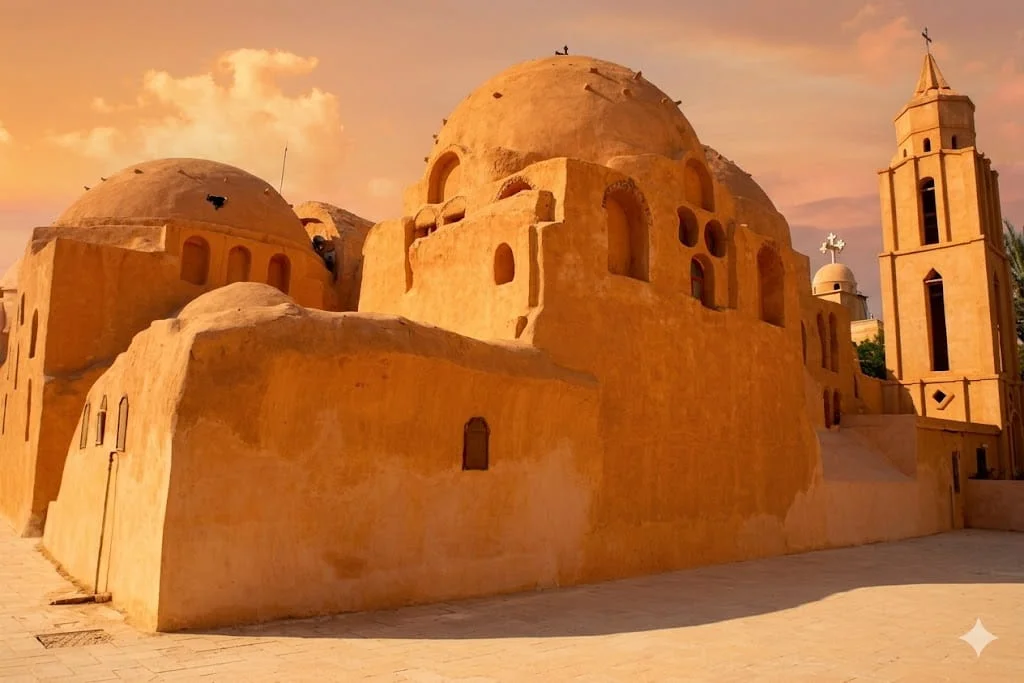
These monastic complexes are much more than just old stone buildings. In reality, they are the vital guardians of a unique cultural heritage. First, consider their architecture. Many monasteries in Egypt were built like fortresses to protect monks from historical raids. Furthermore, the interiors feature stunning, intricate frescoes that have survived for centuries. Each site tells a powerful story of survival, devotion, and artistic expression. Ultimately, these sites served as essential centers for preserving ancient manuscripts and the very foundations of Christian theology.
Monasteries in Egypt: A Legacy That Endures
To visit an Egyptian monastery today is to step directly into living history. Despite the changing of empires and the isolation of the desert, these sites have persisted through time. This guide explores the lasting legacy of the monasteries in Egypt. We will trace the roots of the early monastic movements. Additionally, we will uncover the hidden artistic treasures found in the remote corners of the Nile Valley. As we travel through this sacred geography—from the historic retreats of Wadi El Natrun to the lonely caves of the Red Sea—we will discover a faith that continues to inspire people around the world.
The Origins of Monasticism in Egypt
The story of how monasteries in Egypt began is rooted in the desert. In the third and fourth centuries, many Christians left the cities. They sought a life of prayer and simplicity in the wilderness. Consequently, they abandoned worldly goods to find spiritual closeness with God. Saint Anthony the Great is often called the “Father of Monasticism.” He famously moved into the desert to live in total solitude. His dedication inspired thousands to follow his path.