
The Royal Jewelry Museum: A Hidden Palace of Dazzling Treasures
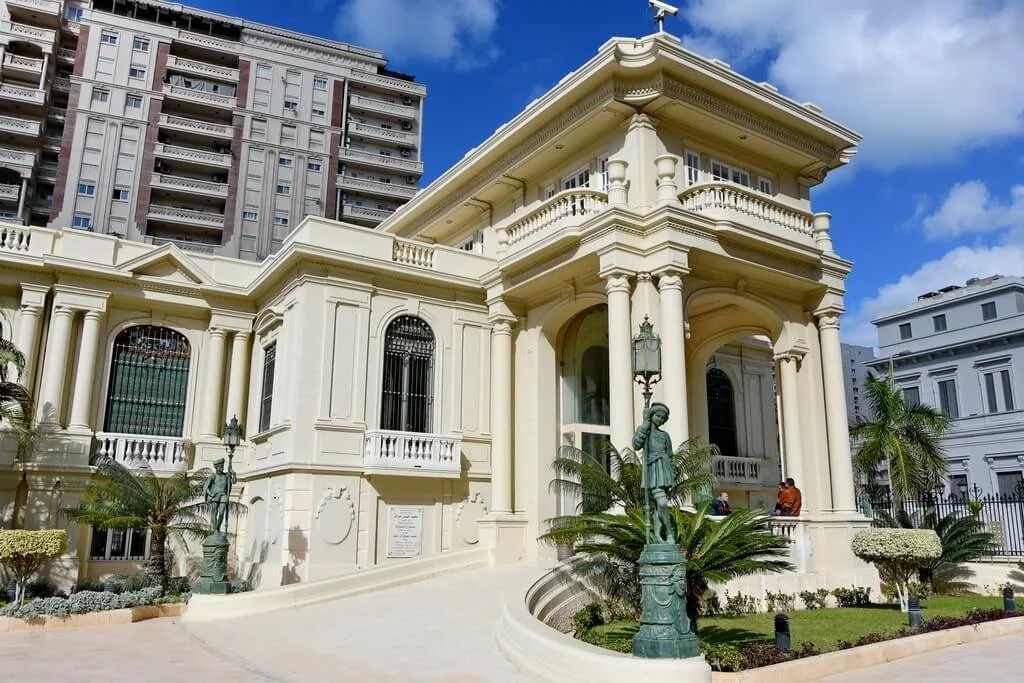
Step into a world of unbelievable opulence at the Royal Jewelry Museum in Alexandria. This isn’t just a museum; it’s a stunning, neoclassical palace that once belonged to the royal family. Inside, you’ll discover the personal, diamond-encrusted treasures of the Muhammad Ali Dynasty, from King Farouk’s chess set to Queen Nazli’s tiaras. It’s a true hidden gem and a must-see on any Alexandria tour.
Alexandria National Museum: A Journey Through Egypt’s Mediterranean History
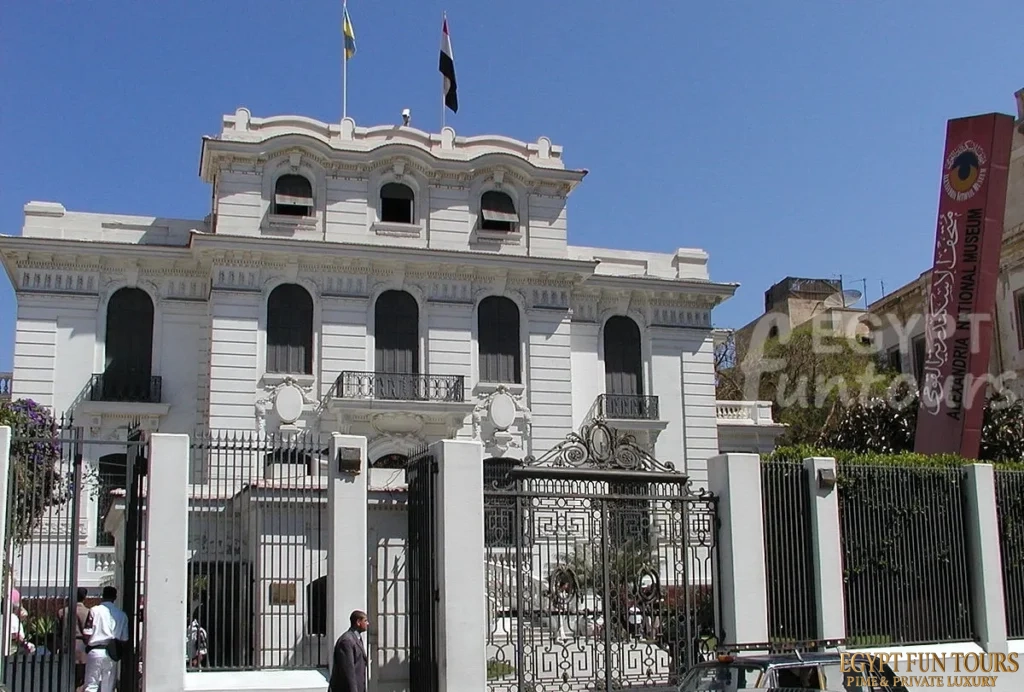
Housed within the restored elegance of a restored Italianate villa, the Alexandria National Museum serves as a breathtaking chronological gateway to the soul of Egypt’s Mediterranean “Bride.” This curated sanctuary masterfully weaves together the tapestry of the city’s multifaceted identity, guiding visitors through the majestic artifacts of the Pharaonic era, the intellectual splendor of the Hellenistic and Roman periods, and the intricate artistry of the Coptic and Islamic ages. By showcasing treasures recovered from the depths of the submerged cities alongside land-based excavations, the museum offers a powerful, singular narrative of a city that has remained a global beacon of culture and conquest for over two millennia.
Discover Kom el-Dikka: Alexandria’s Roman Amphitheater & Lost University
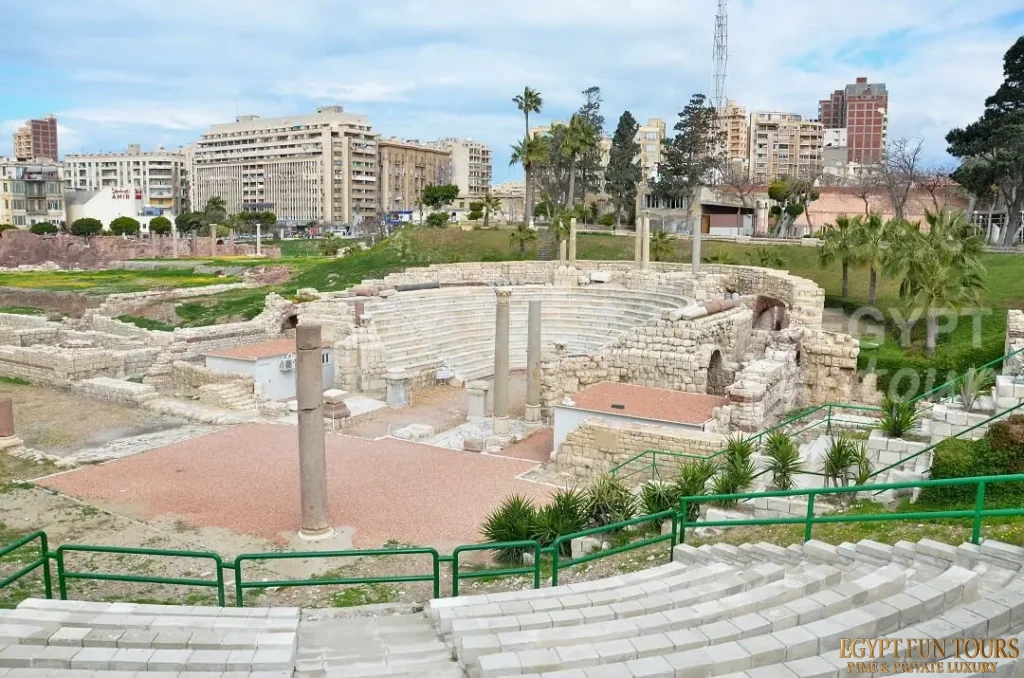
Discover Kom el-Dikka, Alexandria’s fascinating open-air archaeological park. This site is home to Egypt’s only Roman Amphitheater (Odeon), the ruins of a Roman-era university, and the beautiful mosaics of the Villa of the Birds. It’s a captivating look at daily life in Roman Alexandria and a must-see on your day trip from Cairo.
Bibliotheca Alexandrina: The Reborn Wonder of the World
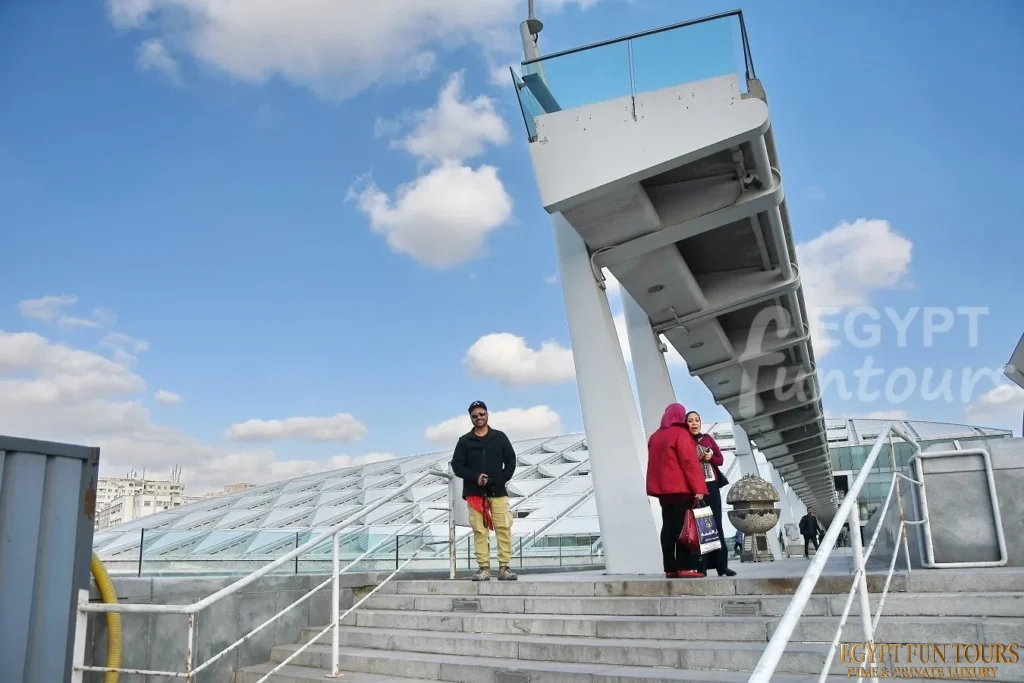
Experience the reborn wonder of the world: the Bibliotheca Alexandrina. This stunning architectural marvel, designed as a “rising sun,” is a modern tribute to the legendary ancient library. More than just a library, it’s a vast cultural center. Explore its breathtaking, 11-level main reading hall, discover Greco-Roman statues in the Antiquities Museum (located inside), see priceless ancient texts in the Manuscripts Museum, and visit the futuristic Planetarium. It’s the must-see cultural heart of modern Alexandria.
Museum of Islamic Art in Cairo: A Global Treasure of Islamic Heritage
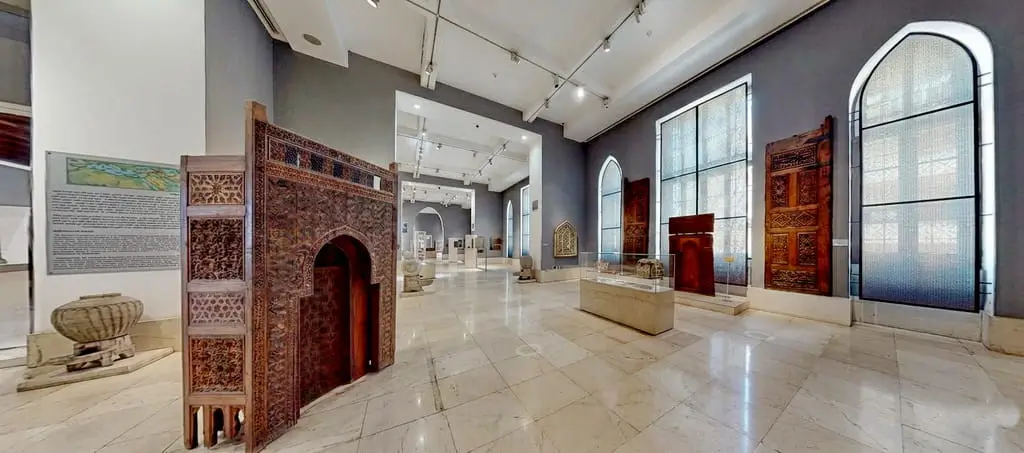
Discover one of the world’s greatest collections at Cairo’s Museum of Islamic Art (MIA). This stunning museum is a treasure chest of the Islamic Golden Age. Explore 25 galleries filled with intricate woodwork, delicate glass mosque lamps, illuminated Qurans, and dazzling carpets from across the globe. It’s the perfect, beautiful contrast to the Pharaonic museums and a must-see on any Islamic Cairo tour.
Aga Khan Mausoleum: Aswan’s Serene Hilltop Sanctuary
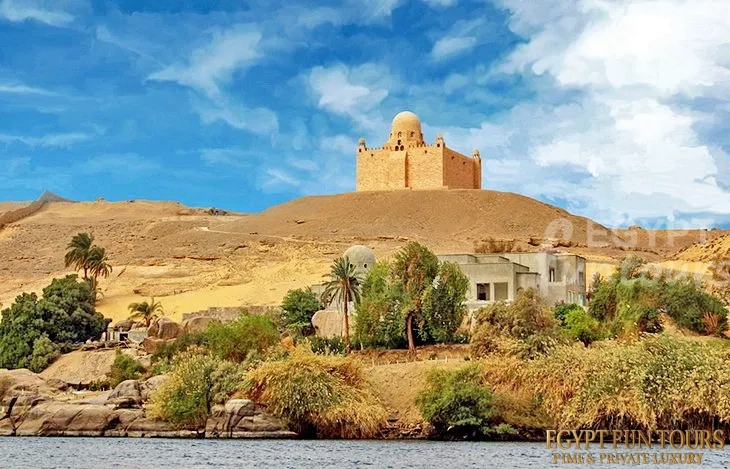
See one of Aswan’s most iconic and romantic landmarks: the Aga Khan Mausoleum. This elegant, white-marble tomb stands on a hill overlooking the Nile, marking the final resting place of Sir Sultan Muhammad Shah Aga Khan III. While the mausoleum itself is closed to the public, it’s famous for the “daily red rose” left by his wife as a symbol of eternal love. The best way to see this landmark is from the river during a sunset felucca sail, where you can capture its stunning beauty against the desert hills.
Aswan High Dam: The Colossal Dam That Changed Egypt Forever
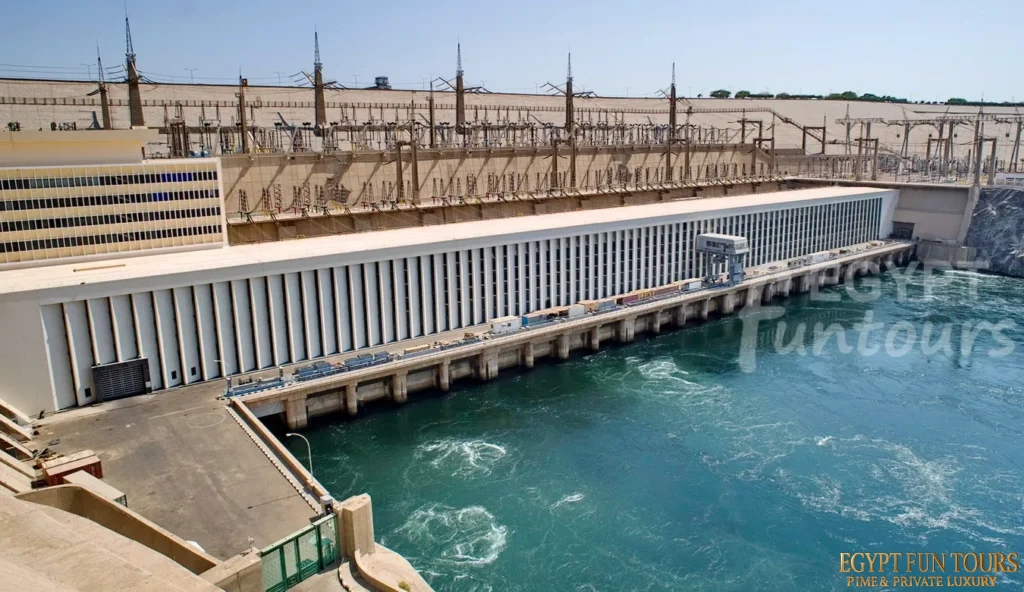
Visit the Aswan High Dam, a colossal 20th-century marvel that forever tamed the Nile River. Stand on top of this massive structure to see the stunning, two-sided view: the vast, man-made Lake Nasser on one side and the narrow Nile on the other. This essential stop explains the creation of Lake Nasser and the incredible UNESCO rescue of Philae Temple and Abu Simbel.
The Nubian Museum in Aswan: A Journey Through a Lost Land
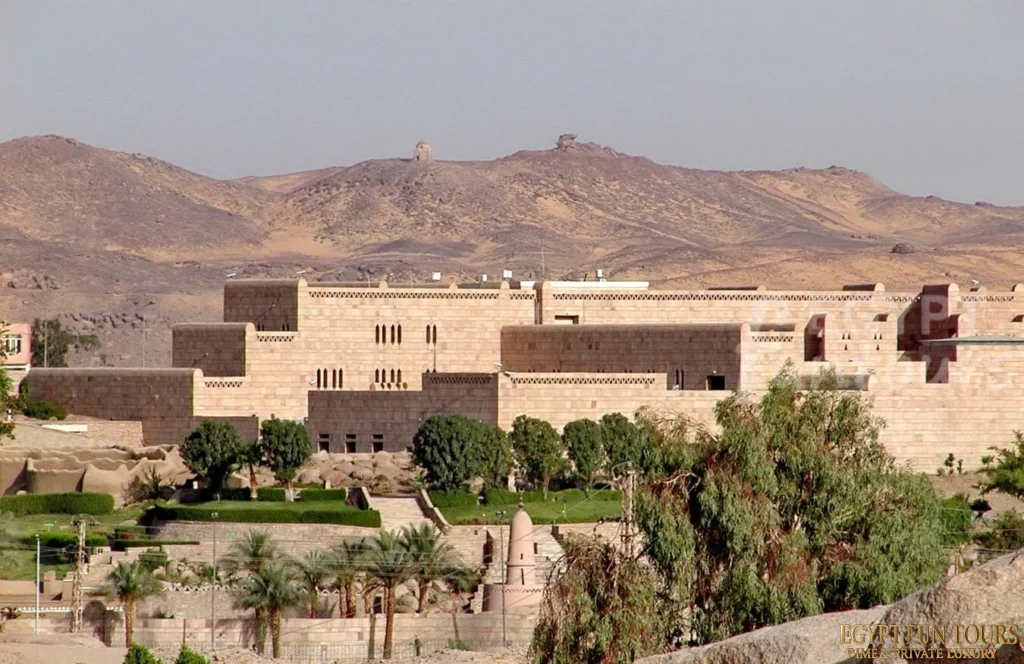
A must-see in Aswan, the Nubian Museum is a beautiful, modern museum that tells the 6,000-year-old story of a land lost beneath Lake Nasser. Built to save Nubia’s heritage from the Aswan High Dam, it’s an “ark” of priceless treasures. Explore exhibits on the powerful Kingdom of Kush (home of the “Black Pharaohs”), see a colossal statue of Ramesses II, and discover beautiful Christian-era frescoes, all housed in a stunning building that mimics a traditional Nubian village.
Aswan’s Tombs of the Nobles: The Ultimate View & Ancient Stories
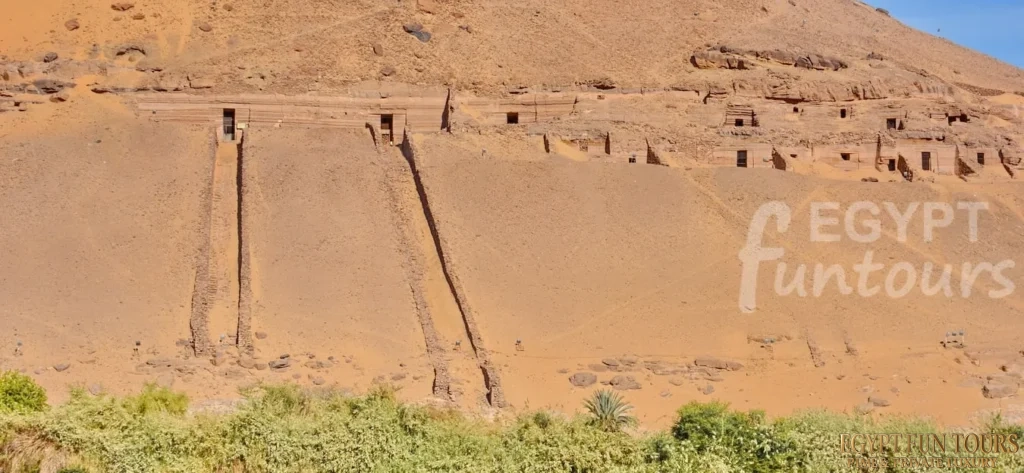
Discover Aswan’s best-kept secret: the Tombs of the Nobles. Carved high into the cliffs of the West Bank, these tombs tell the personal stories of powerful governors and explorers from 4,000 years ago. The adventure begins with a felucca sail across the Nile, followed by a climb up a steep staircase. Your reward is exploring tombs filled with autobiographies and daily life scenes, and enjoying what is, without question, the most breathtaking panoramic view of Aswan and the Nile.
St. Simeon’s Monastery: Aswan’s Desert Fortress of Faith
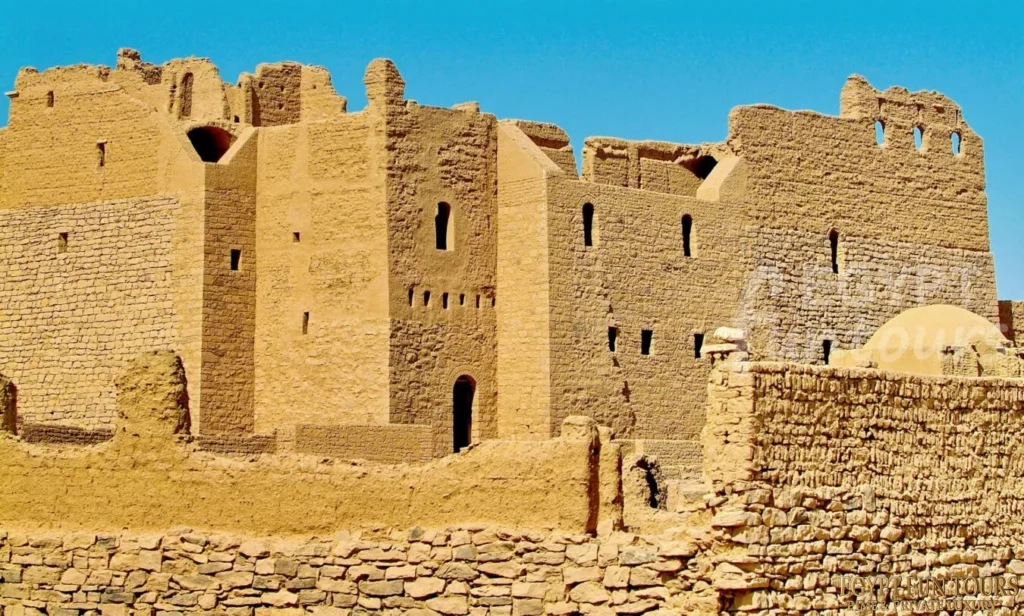
Get off the beaten path with a true adventure to the Monastery of St. Simeon. This massive 7th-century desert fortress is one of Aswan’s best-kept secrets. The journey itself is an experience: you’ll cross the Nile by boat, then take a memorable camel ride up a sandy path to the monastery’s gates. Once inside, you can explore the huge fortified walls, the ancient Coptic church with its faint frescoes, and the monks’ living quarters. The panoramic view of the desert and the Nile from the top is absolutely breathtaking.
Aswan Botanical Garden: A Peaceful Paradise on Kitchener’s Island
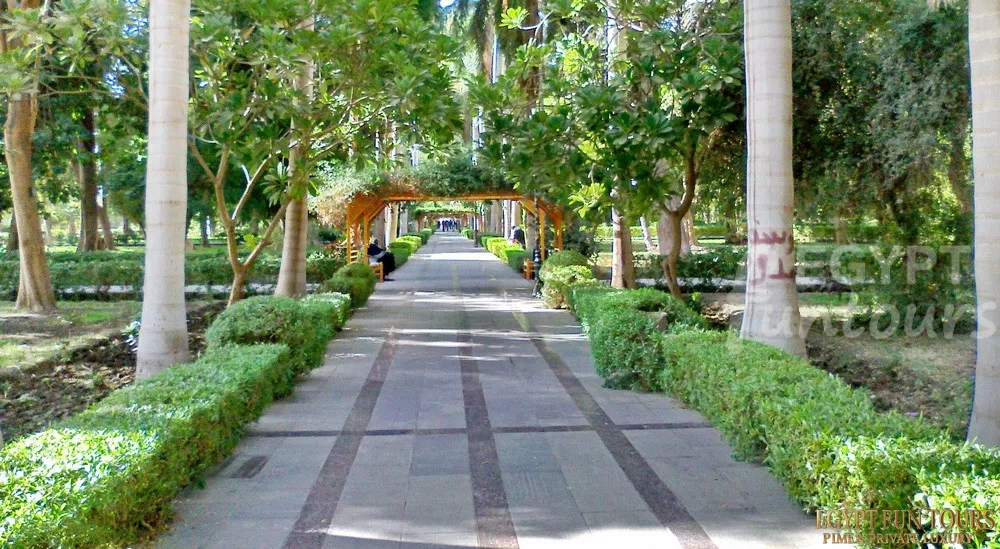
Escape to the Aswan Botanical Garden, a floating, green paradise on the historic Kitchener’s Island. This entire island is a lush, peaceful oasis filled with rare and exotic plants, including a world-class collection of palm trees from five continents. Once the private garden of Lord Kitchener, it’s now the perfect retreat from the city. Walk its shaded, chessboard-like paths, listen to the hundreds of birds, and enjoy a tranquil break. The best way to visit is on a traditional felucca sail.
Elephantine Island: The Ultimate Guide to Aswan’s Ancient Nile Jewel
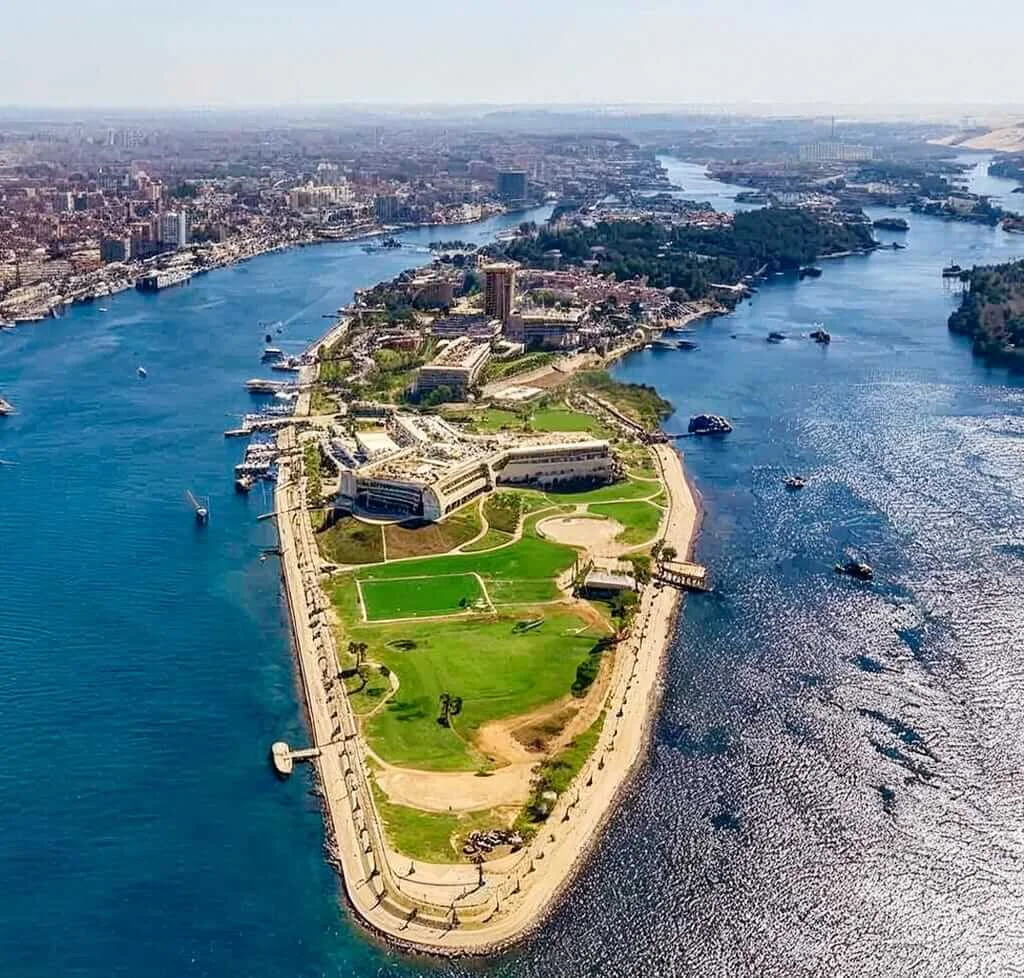
Discover Elephantine Island, the historic heart of Aswan and its oldest inhabited area. This fascinating island is a “two-in-one” experience: one half is a vast archaeological park with the 4,000-year-old Temple of Khnum and a famous Nilometer, which priests used to measure the Nile. The other half is a living, car-free community, home to two colorful Nubian villages. Wander the sandy lanes, see the brightly painted houses, and sip tea at a local cafe for an authentic, peaceful escape.