Tanis Royal Tombs: The Ultimate Guide to the Delta’s Lost Golden Necropolis

Discover the hidden splendor of the Tanis Royal Tombs in the Nile Delta of Egypt. Unearthed intact during the dawn of World War II, this extraordinary subterranean necropolis served as the final resting place for the pharaohs of the 21st and 22nd Dynasties. Visitors can step down into the ancient limestone vaults that once held magnificent silver coffins, golden face masks, and priceless jewelry. Consequently, this definitive guide provides essential travel logistics, historical context, and expert architectural insights to help you explore one of Egypt's most spectacular yet overlooked royal treasures.

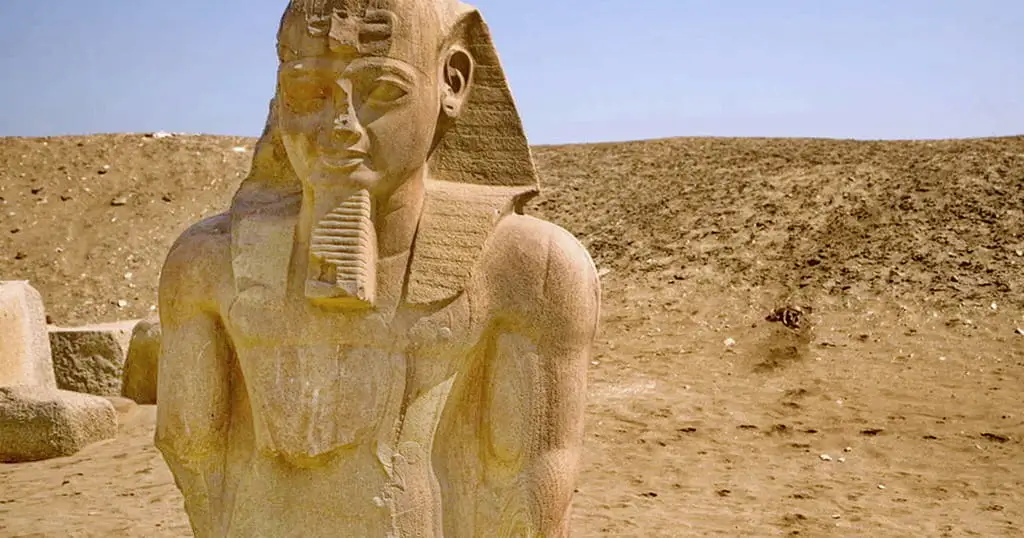
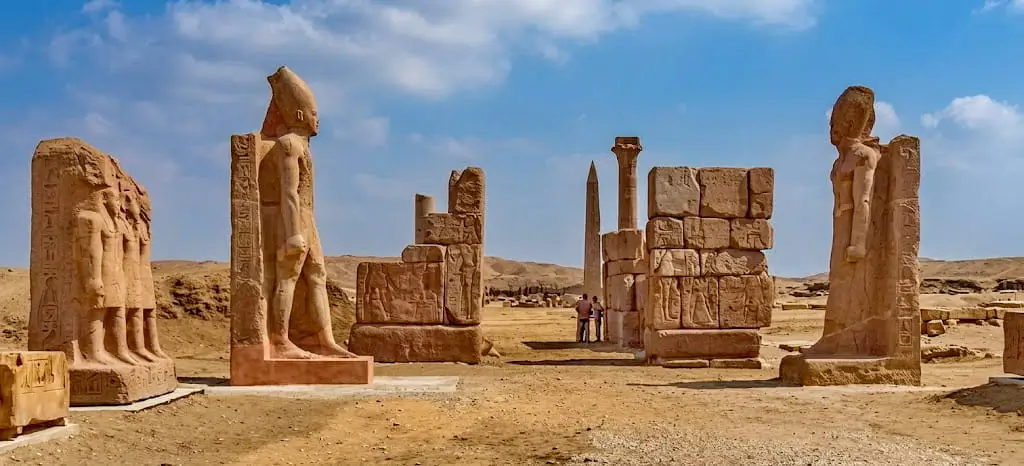
While the majestic Valley of the Kings in Luxor captures the world’s imagination, a similarly spectacular royal necropolis lies hidden in the Nile Delta: The Tanis Royal Tombs. Discovered intact during a time of global turmoil, these subterranean tombs offer an unparalleled window into Egypt’s Third Intermediate Period (specifically the 21st and 22nd Dynasties). This complex captures a chaotic yet artistically brilliant era when kings ruled from the north, recycling monument stones from Ramesside palaces to construct their final resting places.

Unlike the deeply tunneled mountain tombs of Upper Egypt, the Royal Tombs of Tanis feature a unique, compact mud-brick and limestone construction built directly beneath the sacred precinct of the Amun Temple. Most notably, they yielded a breathtaking treasure trove of silver sarcophagi, golden masks, and exquisite jewelry that rivals the tomb of Tutankhamun. This comprehensive, authoritative guide provides everything you need to know about the history, architecture, dazzling treasures, and visiting logistics of the Tanis Royal Tombs.

FUN

Historical Context: The Capital of the Third Intermediate Period

Historical Context The Capital of the Third Intermediate Period - Tanis Royal Tombs

To understand why pharaohs built royal tombs in the muddy plains of the Delta, one must look at the fracturing of the Egyptian empire around 1069 BCE. During this time, the New Kingdom collapsed, and Egypt split into two competing centers of power.

                  [ Collapse of the New Kingdom (1069 BCE) ]
                                      │
                                      ▼
                  [ Egypt Splits into Two Power Centers ]
                                      │
         ┌────────────────────────────┴────────────────────────────┐
         ▼                                                         ▼
[ High Priests of Amun (Thebes) ]               [ Pharaohs of the 21st Dynasty (Tanis) ]
         │                                                         │
         └────────────────────────────┬────────────────────────────┘
                                      ▼
                        [ Capital Moves to Tanis ]
                                      │
                                      ▼
                     [ Construction of Royal Tombs ]
                          (10th - 9th Century BCE)

The high priests of Amun controlled Upper Egypt from Thebes. Meanwhile, a new line of pharaohs established the 21st Dynasty in the north, choosing Tanis as their grand capital.

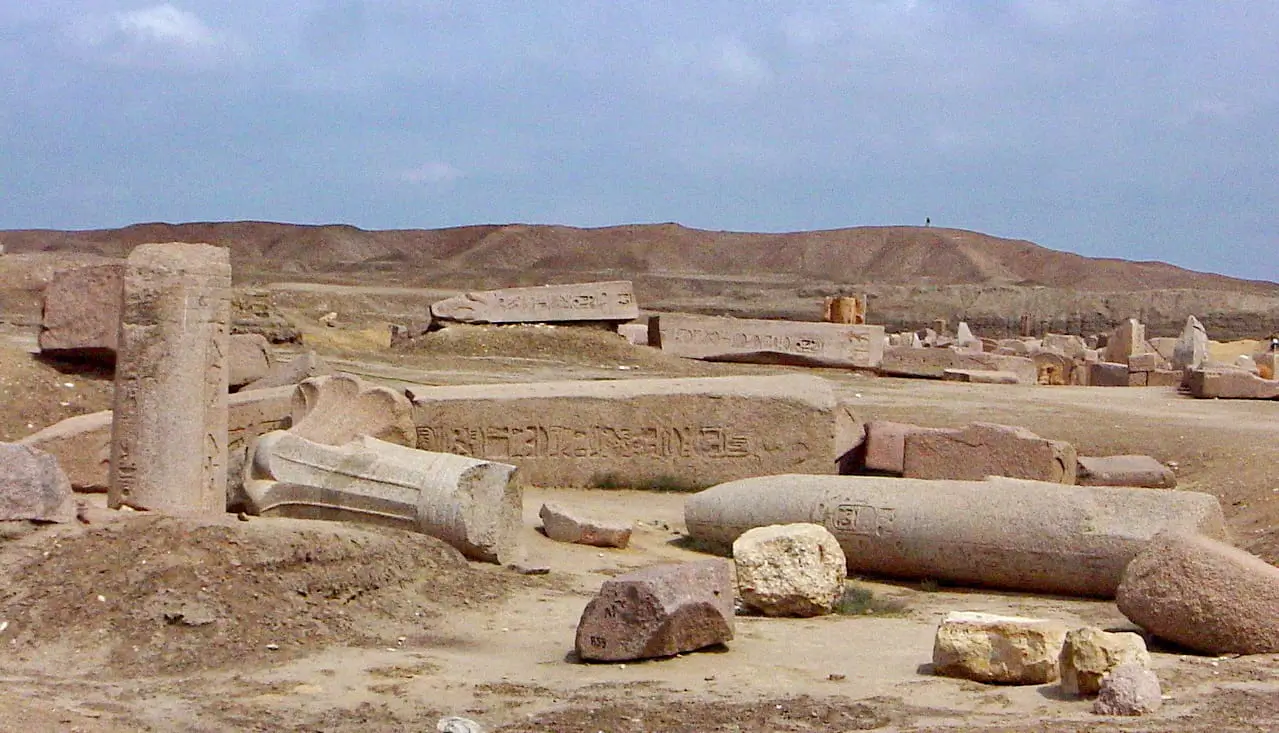
Because the pharaohs no longer controlled the distant stone quarries of Aswan and Luxor, they faced resource scarcity. Consequently, they adopted a brilliant, pragmatic solution. They dismantled the nearby, abandoned capital of Pi-Ramesses. Subsequently, they moved thousands of tons of ready-cut Ramesside obelisks, statues, and blocks to Tanis to build their temples and tombs. This unique practice of architectural recycling defines the very fabric of the Tanis royal necropolis.

FUN

The Miraculous Discovery Amidst World War II

The Miraculous Discovery Amidst World War II

The story of how these tombs came to light reads like a Hollywood script, yet the event remains strangely obscured by global history.

The 1939 Breakthrough

French Egyptologist Pierre Montet spent years excavating the temple enclosure of Tanis. Finally, in February 1939, his team uncovered a slab of stone that led down into a hidden underground complex. Montet had unlocked the intact burial grounds of the northern pharaohs.

Overshadowed by War

The Treasures of Tanis; The Silver Pharaohs (Room 2) - Tanis Royal Tombs

Montet made his greatest discoveries—including the unplundered tombs of Psusennes I and Shoshenq II—in early 1940. Tragically, just weeks after he cracked open the silver sarcophagus of Psusennes, Nazi Germany invaded France.

Because the global press focused entirely on World War II, Montet’s miraculous find received almost no international news coverage. As a result, the “Treasure of Tanis” missed the immediate global fame that Tutankhamun enjoyed two decades earlier.

The Catacombs of Kom Esh-Shokafa: Roman-Egyptian Underworld

Descend into one of the "Seven Wonders of the Middle Ages" at the Catacombs of...
Related post
FUN

Layout and Architectural Deep-Dive

Layout and Architectural Deep-Dive - Tanis Royal Tombs

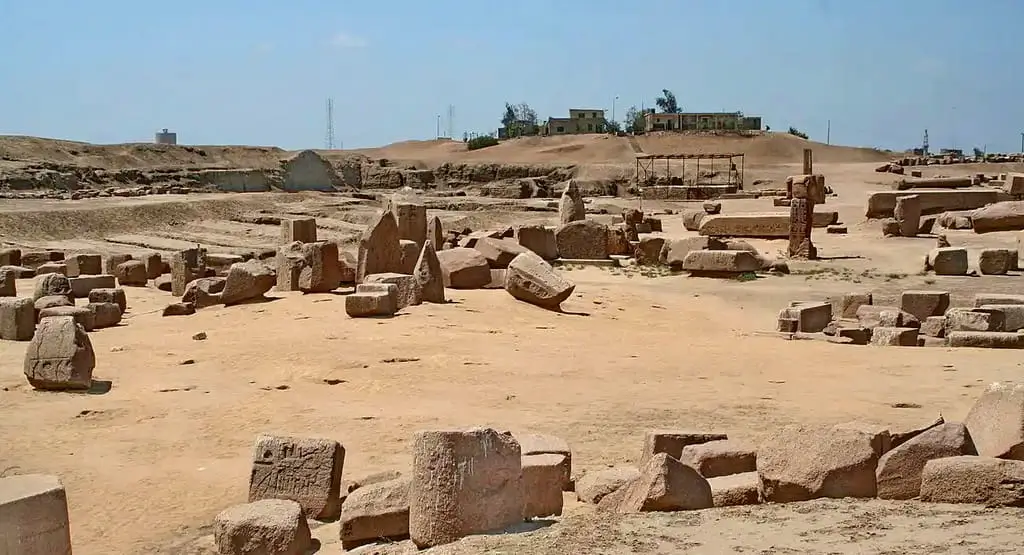
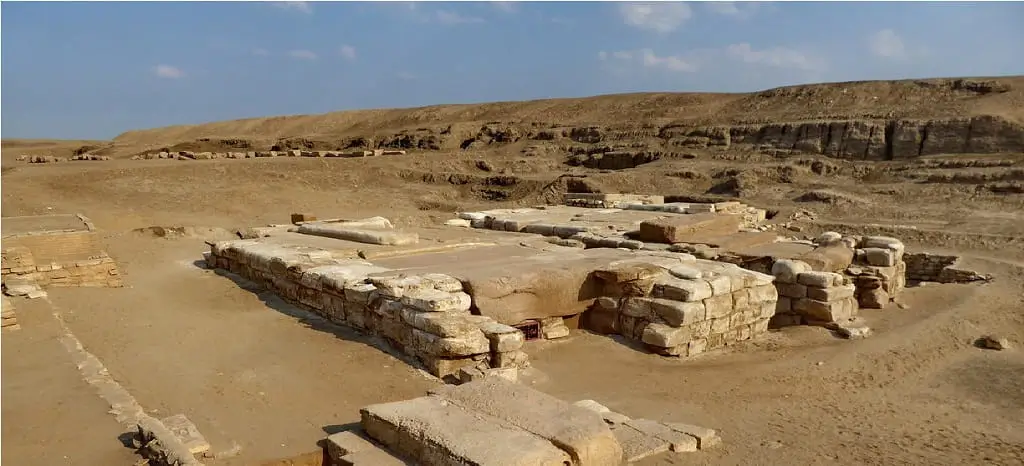
The Tanis Royal Tombs complex consists of a tight cluster of underground limestone vault chambers. Because the Delta has a high water table, the builders could not dig deep into the earth. Instead, they built low stone chambers and covered them with a massive protective mound of mud-bricks.

+-----------------------------------------------------------------+
|                    TANIS ROYAL TOMBS COMPLEX                    |
|                                                                 |
|  [ Tomb NRT I ]             [ Tomb NRT III ]    [ Tomb NRT V ]   |
|  - Osorkon II               - Psusennes I       - Shoshenq III   |
|  - Prince Hornakht          - Undamaged Vault   - Recycled Block |
|  - Recycled Sarcophagus     - Silver Coffin     - Hard Basalt    |
+-----------------------------------------------------------------+

Tomb NRT III: The Intact Vault of Psusennes I

Tomb NRT III The Intact Vault of Psusennes I

Tomb NRT III stands as the undisputed crown jewel of the entire necropolis. It provided archaeologists with an ultra-rare look at an unplundered pharaonic burial.

The Architecture of the Chamber

The tomb features small, block-constructed rooms made from recycled granite blocks. Intriguingly, some walls still bear the carved names of Ramesses II from their original location. The small size of the rooms forced the artisans to cram the heavy sarcophagi tightly into the space.

The Sarcophagus Within a Sarcophagus

Psusennes I protected his body using a fascinating, multi-layered defensive strategy:

  • The outer sarcophagus was a massive red granite monument originally carved for Merenptah (the son of Ramesses II).
  • Inside the granite layer sat a second black basalt sarcophagus.
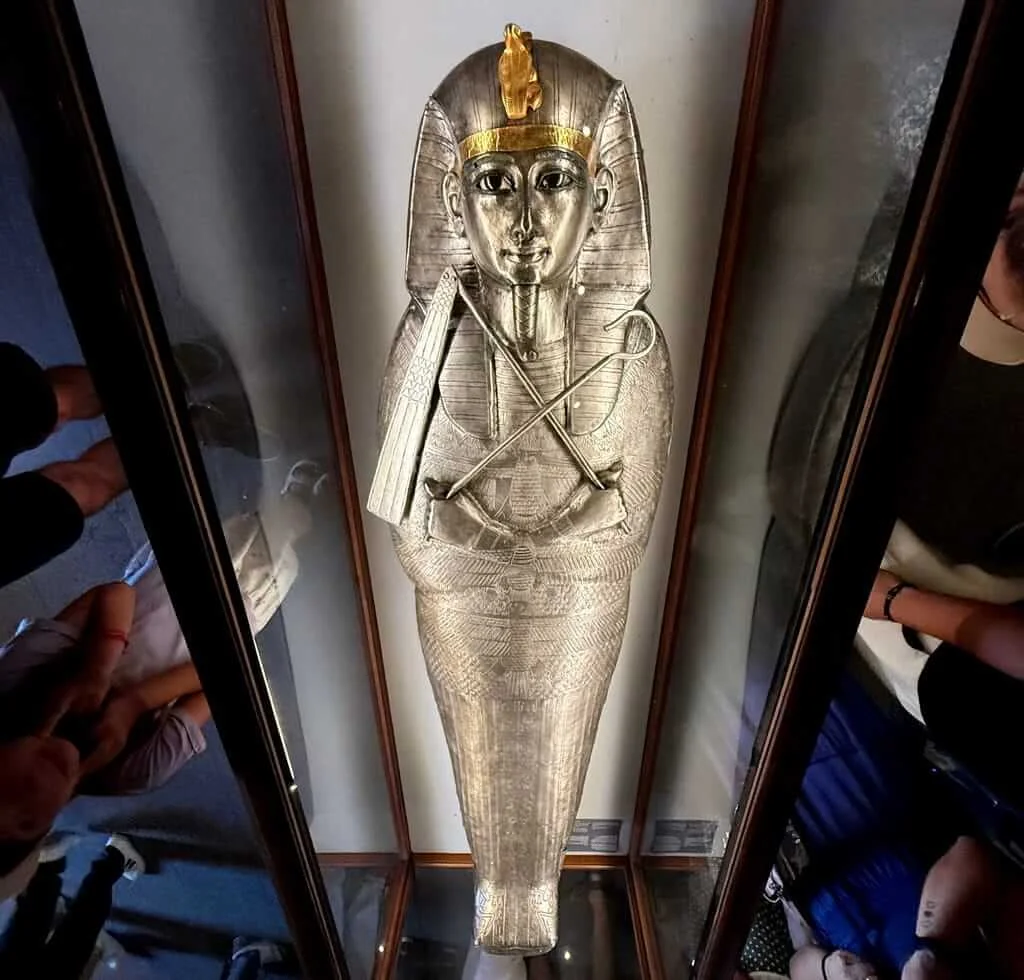
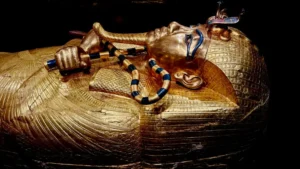
  • Finally, inside the basalt shell sat the ultimate prize: a breathtaking coffin crafted entirely from solid silver. Because silver was incredibly rare and more valuable than gold in ancient Egypt, this coffin represents an astronomical display of wealth.

The Golden Face Mask

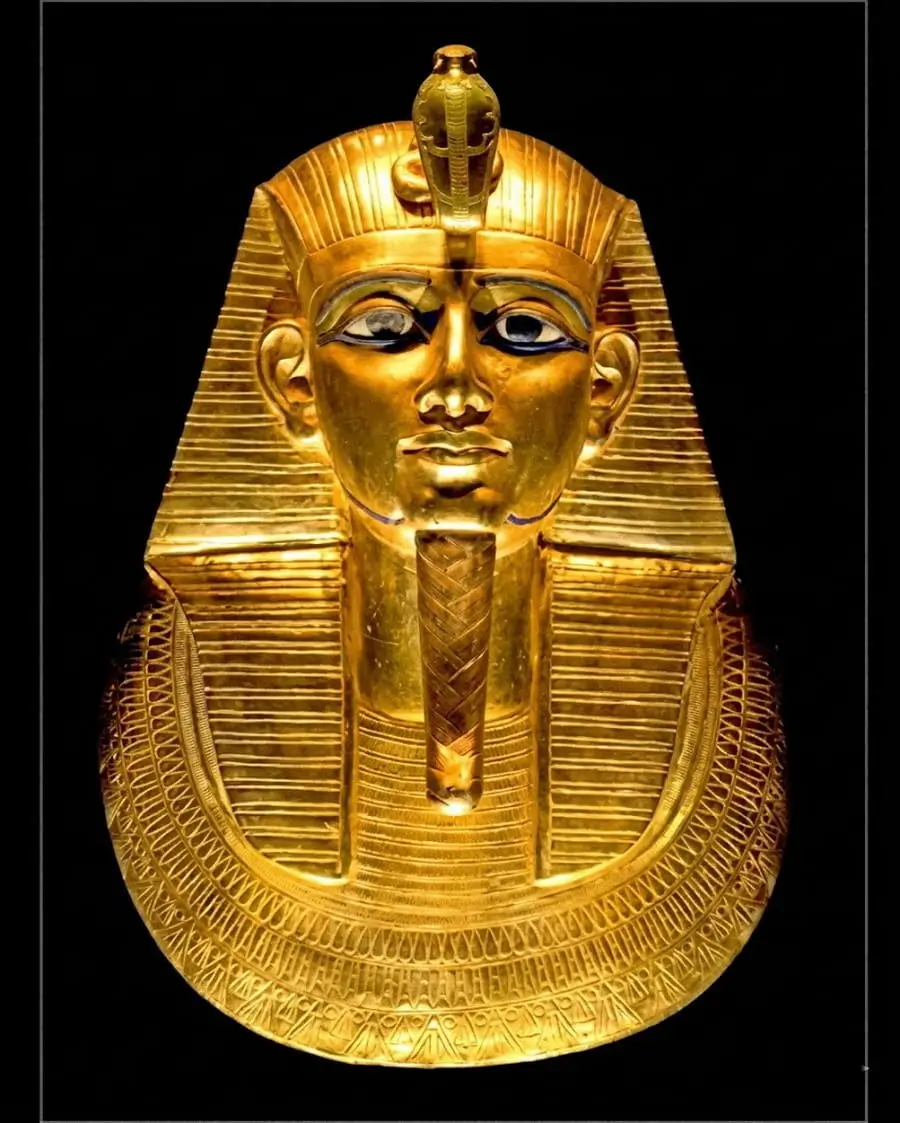
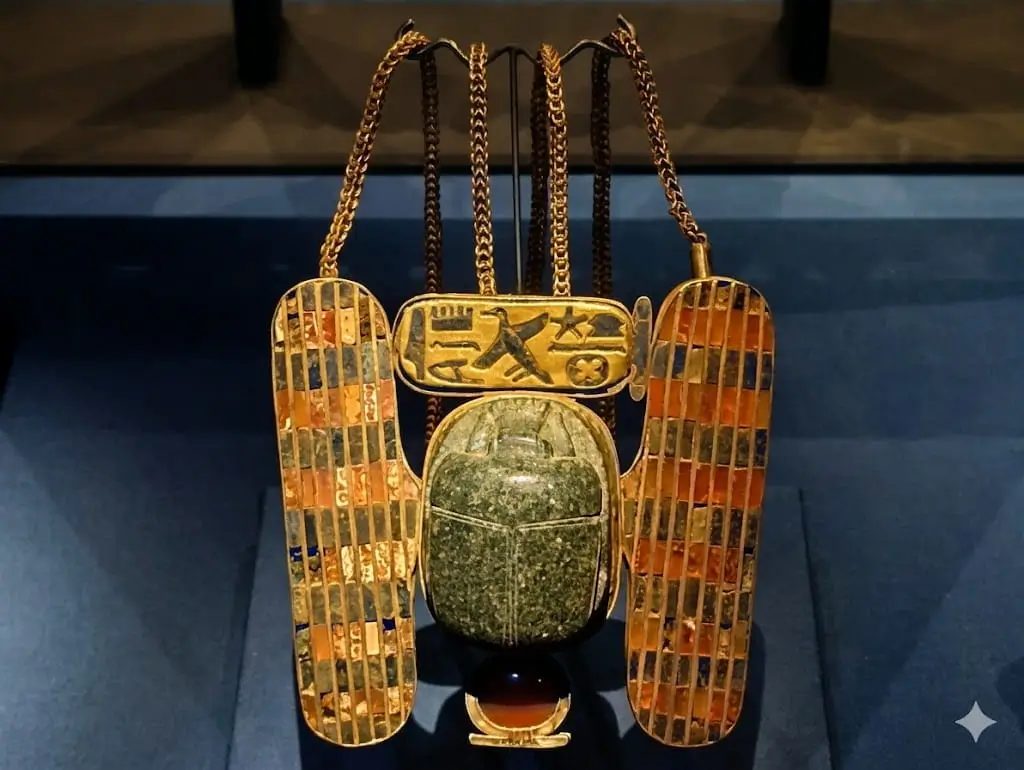
When Montet opened the silver coffin, he discovered the golden face mask of Psusennes I. While simpler than Tutankhamun’s mask, this masterpiece features exquisite gold sheet work, inlaid glass paste, and lapis lazuli eyes, capturing the eternal, divine features of the pharaoh.

NRT I Tomb: The Crypt of Osorkon II

Tomb NRT I houses several royals from the 22nd Dynasty, showcasing how families shared burial vaults across generations.

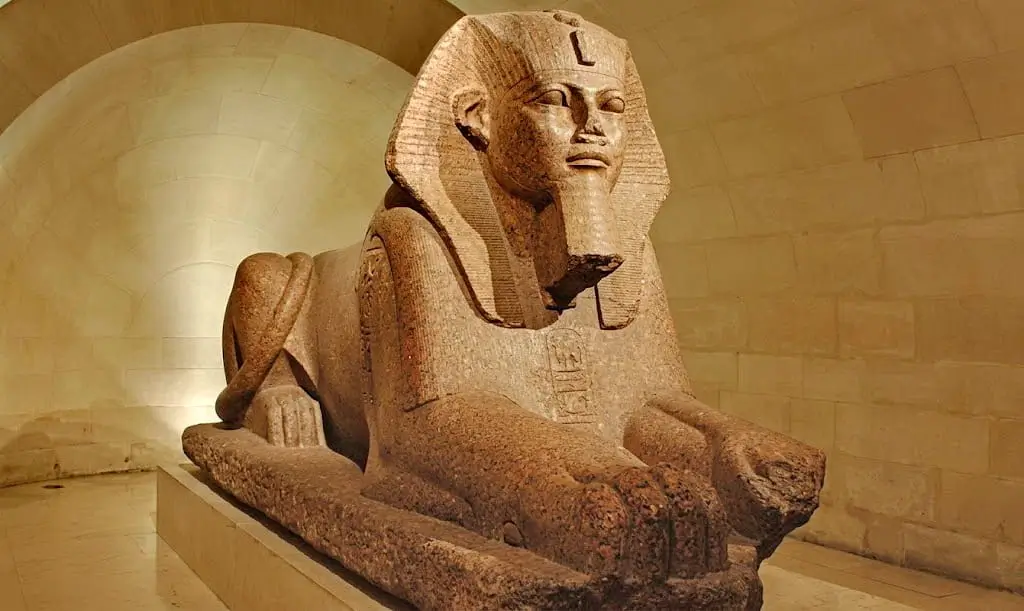
  • The Massive Sarcophagus: Osorkon II rested in a gigantic granite sarcophagus carved from a broken Ramesside obelisk. The sheer scale of the stone block highlights the immense effort required to repurpose these monuments.
  • The Tragedy of Prince Hornakht: Inside this tomb, Montet found the undisturbed burial of Osorkon’s young son, Hornakht, who served as a High Priest. His small sarcophagus contained exquisite golden amulets and jewelry designed to protect the child in the afterlife.

NRT V Tomb: The Recycled Crypt of Shoshenq III

Tomb NRT V offers the most vivid example of architectural recycling in the ancient world.

  • The builders constructed the entire tomb using decorated limestone blocks stolen directly from nearby Ramesside temples.
  • Consequently, when walking through the ruins, you can see upside-down hieroglyphs and fragmented reliefs belonging to older eras, creating a fascinating historical puzzle for visitors.

Mustafa Kamel Tombs: Guide to Alexandria’s Hellenistic Underground

Discover the hidden wonders of the Mustafa Kamel Tombs in Alexandria, Egypt. Dating back to...
Related post
FUN

Key Architectural & Funerary Highlights

Key Architectural & Funerary Highlights - Tanis Royal Tombs

Feature Description Cultural Significance
Recycled Granite Sarcophagi Sarcophagi carved out of old Ramesside obelisks and statues. Illustrates the economic pragmatism and resourcefulness of Delta pharaohs.
Solid Silver Coffins Exquisite coffins shaped like falcon-headed deities or human mummies. Highlights the vast wealth of the dynasty, as silver was scarcer than gold.
Gold Funerary Masks Beaten gold masks featuring classic pharaonic facial detailing. Safeguarded the identity of the king’s spirit (Ka) for eternity.
Sub-Surface Stone Vaults Low, stone-lined rooms built above the water table under a mud-brick mound. Adapts traditional desert tomb architecture to the wet Delta environment.

The Dynamic Imagery of the Treasures

The Dynamic Imagery of the Treasures - Tanis Royal Tombs

Today, the physical treasures recovered from the Tanis Royal Tombs reside in the Egyptian Museum in Cairo, filling a dedicated hall with magnificent gleam.

The Visual Palette of the Artifacts

  • The Silver Falcon Coffin: The falcon-headed silver coffin of Shoshenq II stands out as an artistic marvel. The detailing of the feathers showcases absolute mastery of metalworking.
  • The Intricate Pectorals: The collection includes dozens of gold pectorals (chest ornaments) inlaid with carnelian, lapis lazuli, and turquoise, depicting protective scarabs and wings.

Practical Visitor Guide & Logistics

Practical Visitor Guide & Logistics

For adventurous travelers, history buffs, and tour groups looking to stray far off the beaten path, visiting the physical site of Tanis offers an incredible, raw archaeological experience.

Location and How to Get There

The Royal Tombs sit within the main archaeological zone of San El-Hagar in the Sharqia Governorate, roughly 130 kilometers northeast of Cairo.

  • By Private Tour Car: Driving from Cairo takes approximately 2.5 to 3 hours each way. Take the desert route or agricultural roads toward Zagazig and continue north to San El-Hagar. Hiring a private driver represents the most reliable travel method.
  • By Train/Microbus Combination: Adventurous travelers can take a train from Cairo to Zagazig. From there, local microbuses run regularly to San El-Hagar.

Opening Hours & Ticketing

  • Hours: The archaeological site welcomes visitors daily from 9:00 AM to 5:00 PM.
  • Tickets: You can purchase tickets at the main entrance visitor center. The ticket grants access to the entire outdoor temple ruins as well as the subterranean Royal Tombs. Currently, card payments are standard.
Regulations and Safety

The ministry permits standard photography outside. However, inside the low tomb vaults, use low-light settings on your smartphone. Because the site is remote and sits near agricultural zones, ensure you travel with plenty of bottled water, sunscreen, and a brimmed hat.

Giza Pyramids Complex: The Eternal Horizon of the Fourth Dynasty

The Giza Pyramid Complex remains the ultimate testament to human ingenuity, spanning the intersection of...
Related post
FUN

Crucial Importance of Environmental Conservation

Crucial Importance of Environmental Conservation

Preserving stone structures in the humid, agricultural heartland of the Nile Delta presents massive challenges compared to the deserts of Luxor.

+-------------------------------------------------------------+
|               ENVIRONMENTAL THREATS TO TANIS TOMBS          |
|                                                             |
|   [ High Water Table ]   ──► Seeps into Limestone Chambers  |
|   [ Agricultural Runoff] ──► Delivers Corrosive Salt Crystals|
|   [ Extreme Humid Cycles]──► Weakens Recycled Granite Block |
+-------------------------------------------------------------+

Salt Mitigation

The primary threat to the limestone vaults is salt crystallization caused by surrounding agricultural irrigation. As moisture rises through the soil and evaporates inside the tombs, salt crystals expand, causing the ancient stone reliefs to flake off.

Modern Restoration Work

The Egyptian Ministry of Tourism and Antiquities, alongside international teams, maintains ongoing drainage and structural monitoring efforts. Engineers have installed ventilation systems and protective seals over the tomb openings to stabilize the interior microclimate.

Why the Tanis Royal Tombs Matter

The Tanis Royal Tombs are a testament to human resilience, creativity, and spiritual devotion during an age of empire collapse. They prove that spectacular artistic expression can flourish even in times of resource scarcity.

For any traveler wishing to fully understand the historical trajectory of ancient Egypt, stepping into the subterranean world of the Tanis Royal Tombs provides a thrilling, essential link in the chain of pharaonic history.

Family tour across the essential wonders of Egypt....
Explore the wonders of Egypt in 9-day adventure....
FUN
God_Anubis_Icon
hani ahmed 1

Hani Was our Awesome Tour Guide!

We had an 11-hour layover in Cairo on 12/15/2011. We wanted to go to see the Pyramids, Tahrir Square, and possibly the museum. We were so lucky to have a guide, Hani from Egypt Fun Tour, who made it possible to see all the above, plus the Bazaar, and time

More »

Great shore excursion of Cairo & Giza

We are glad that we arranged our private shore excursion with Egypt Fun tours in last week of October 2012. Booking process was very easy with Hamada and she took care of all our questions promptly just via E-mail. Our group was little worried about safety in Egypt especially because

More »
A Royal Commission The History of Al-Rifa'i Mosque

Highly recommended

Salam, This company is very responsive and accommodating. From the moment we started to chat via email, to the moment we left Egypt at the airport, these fellows were very professional. The tour covered most of what we wanted to see! We customized it to our needs and added some

More »

Transit Stopover in Cairo

We have just returned from a two week holiday in Cape Town. On the way out our airline schedule meant that we had a 15 hour stop in Cairo. We decided to arrange a tour of the city and after asking for quotes/itineraries we chose Egypt Fun Tours. This worked

More »
God_Anubis_Icon

Top-rated Tour Packages

God_Anubis_Icon