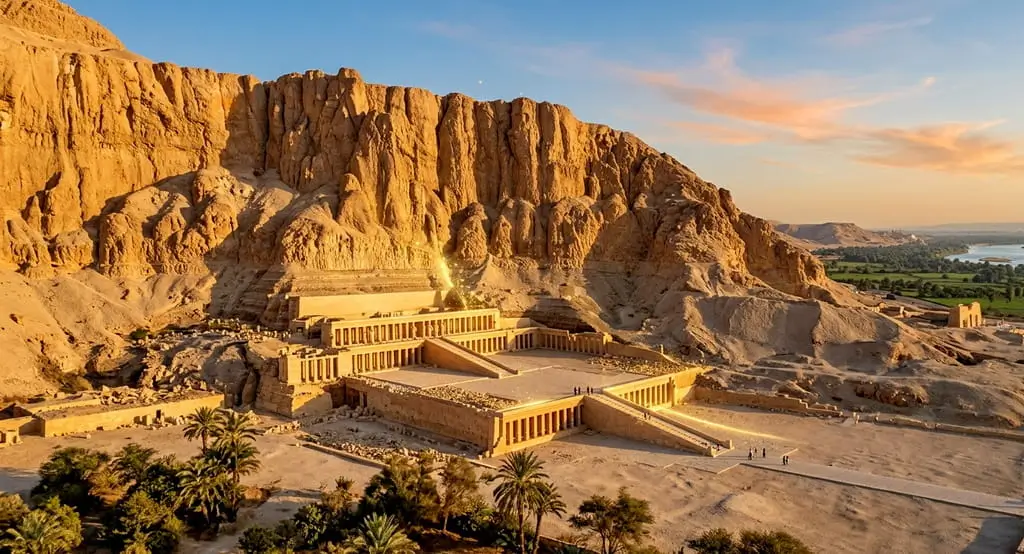
The Mortuary Temples of Ancient Egypt: Mansions of Millions of Years

The Mortuary Temple, or "Mansion of Millions of Years," served as the spiritual and administrative heart of a Pharaoh's eternal legacy. Unlike a tomb, which was a hidden resting place for the physical body, the mortuary temple was a public monument designed for the continuous worship of the King’s transformed, divine spirit. These massive complexes featured symbolic architecture—such as pylons representing the horizon and hypostyle halls mirroring the primordial marsh of creation—where priests performed daily rituals to sustain the King’s soul with offerings of food and prayer. Beyond their religious role, these temples were vital economic hubs, housing vast granaries and workshops that supported thousands of workers and anchored the local economy for centuries.

The Mansion of Millions of Years: An Introduction to Mortuary Temples

In the golden sands of the Theban West Bank, massive stone structures rise like fortresses against the limestone cliffs. Many travelers mistake these grand buildings for the actual tombs of the Pharaohs. However, these are not burial places. They are Mortuary Temples, known to the ancient Egyptians as the “Mansions of Millions of Years.” While the kings hid their physical bodies in secret, underground chambers to protect them from robbers, they built these visible monuments to ensure their names would live forever.

A mortuary temple served a very specific and powerful purpose. It was a bridge between the world of the living and the realm of the gods. In these sacred spaces, the spirit of the deceased King transformed into a divine being. Here, he stood side-by-side with great gods like Amun-Ra or Ptah. The Egyptians believed that as long as the rituals continued within these walls, the Pharaoh would maintain the balance of the universe from the afterlife.

More Than Just a Temple

These structures were far more than quiet places of prayer. In their prime, they were the beating hearts of the Egyptian economy. A mortuary temple functioned like a small city. Within its massive mud-brick enclosure walls, you would find granaries, bakeries, workshops, and libraries. Thousands of priests, scribes, and laborers lived and worked on the temple grounds. They managed vast estates of farmland and collected taxes in the form of grain and cattle.

A Legacy in Stone

From the early pyramid temples at Giza to the towering pylons of Medinet Habu, these buildings reflect the ultimate ambition of the Pharaohs. They wanted to conquer time itself. Every relief carved into the stone and every column raised toward the sky told a story of military victory and religious devotion.

In this guide, we will peel back the layers of history to explore how these temples worked. We will look at the daily rituals that kept the “Mansion” alive and visit the most spectacular examples that still stand today. Join us as we explore the architecture, the mystery, and the enduring power of the Mortuary Temples of Ancient Egypt.
FUN

Mortuary vs. Cult Temples: What is the Difference?

Mortuary vs. Cult Temples What is the Difference

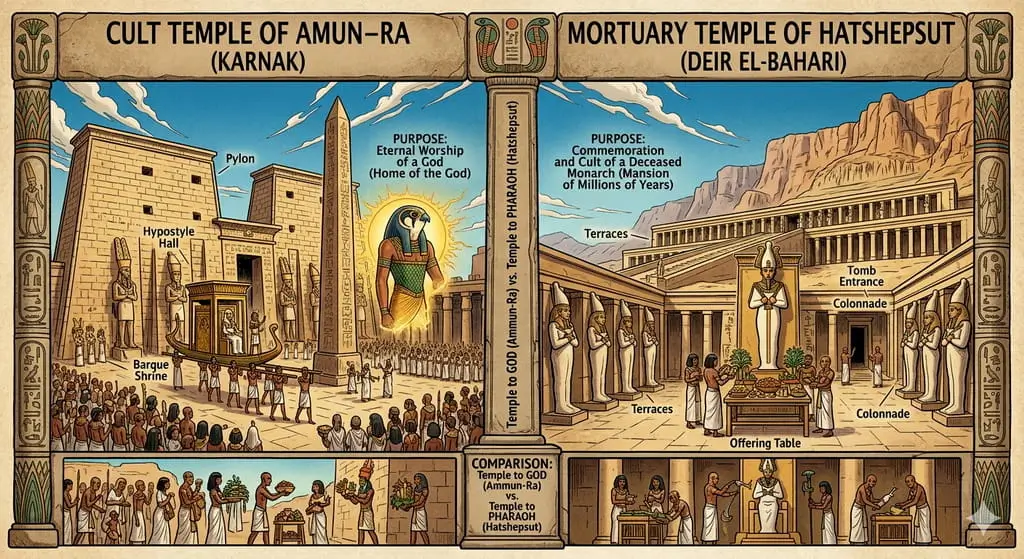
To understand ancient Egypt, you must understand the difference between a Cult Temple and a Mortuary Temple. While they look similar, they served two very different roles in Egyptian society.

Cult Temples: The Homes of the Gods

A Cult Temple belonged to a primary god. For example, the massive Temple of Karnak belonged to Amun-Ra. The Egyptians believed the god actually lived inside the temple statue. The priests cared for the god as if he were a living king. These temples stood for thousands of years and served many different Pharaohs. A King would add a new hall or a statue to show his devotion to that specific god.

Mortuary Temples: The Cult of the King

A Mortuary Temple focused on the Pharaoh himself. While the temple honored gods like Osiris or Amun, the main goal was to keep the King’s spirit alive.

  • The Central Figure: In a Mortuary Temple, the Pharaoh was the star. The priests offered food and prayers directly to his spirit.
  • A Personal Monument: Unlike Cult Temples, which grew over centuries, a Mortuary Temple usually belonged to just one King. He started building it the moment he took the throne.
  • The Divine Transformation: These temples helped the King transition from a human ruler to a god in the afterlife.

How They Worked Together

The two types of temples actually supported each other. During great festivals, the statues of the gods would leave their Cult Temples and travel across the Nile. They would “visit” the Mortuary Temples on the West Bank. This visit recharged the spirit of the deceased Pharaoh with divine energy. This partnership ensured that both the gods and the Kings remained powerful enough to protect Egypt forever.

FUN

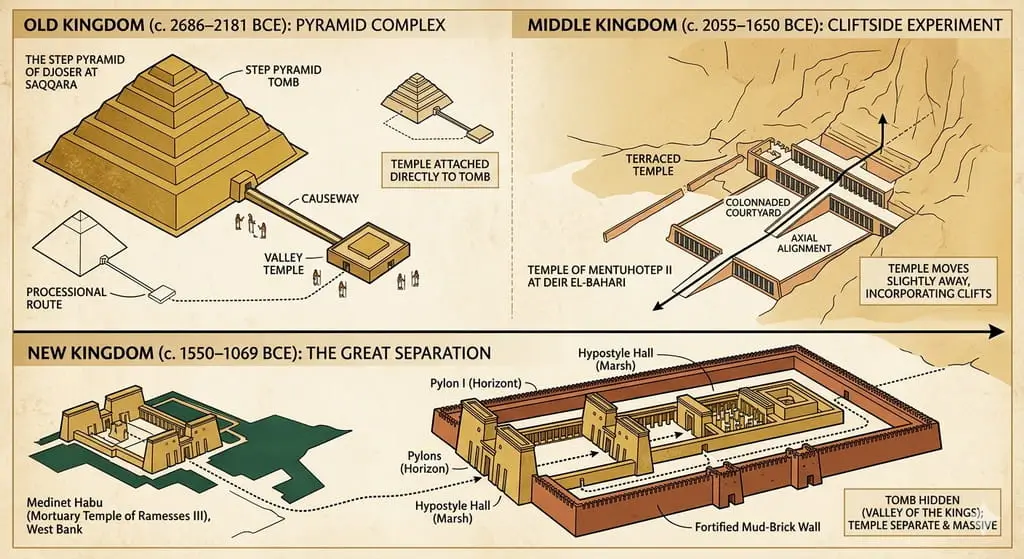
The Evolution of the Temple Layout

The Evolution of the Temple Layout

The design of the mortuary temple changed as Egypt grew and aged. Engineers and architects adapted the buildings to keep up with new religious ideas and the need for better security.

Old Kingdom: The Pyramid Attachment

In the earliest days, the mortuary temple sat right against the side of the King’s pyramid. It acted as the entrance to the tomb. A long stone walkway, or causeway, connected the temple in the high desert to a “Valley Temple” near the water. You can see this clearly at the Great Pyramids of Giza. Here, the temple served as a direct gateway for the King to climb toward the stars.

Middle Kingdom: Moving into the Cliffs

During the Middle Kingdom, architects began to experiment with the landscape. At sites like Deir el-Bahari, builders carved parts of the temple directly into the limestone cliffs. This change created a dramatic look. It also began the trend of separating the burial place from the place of worship. The King wanted a grand monument, but he also wanted to keep his body safe from thieves.

New Kingdom: The Massive West Bank Temples

By the New Kingdom, the Pharaohs made a radical choice. They completely separated the tomb from the temple. They hid their bodies in the secret Valley of the Kings. Meanwhile, they built their “Mansions of Millions of Years” in plain sight along the edge of the desert.

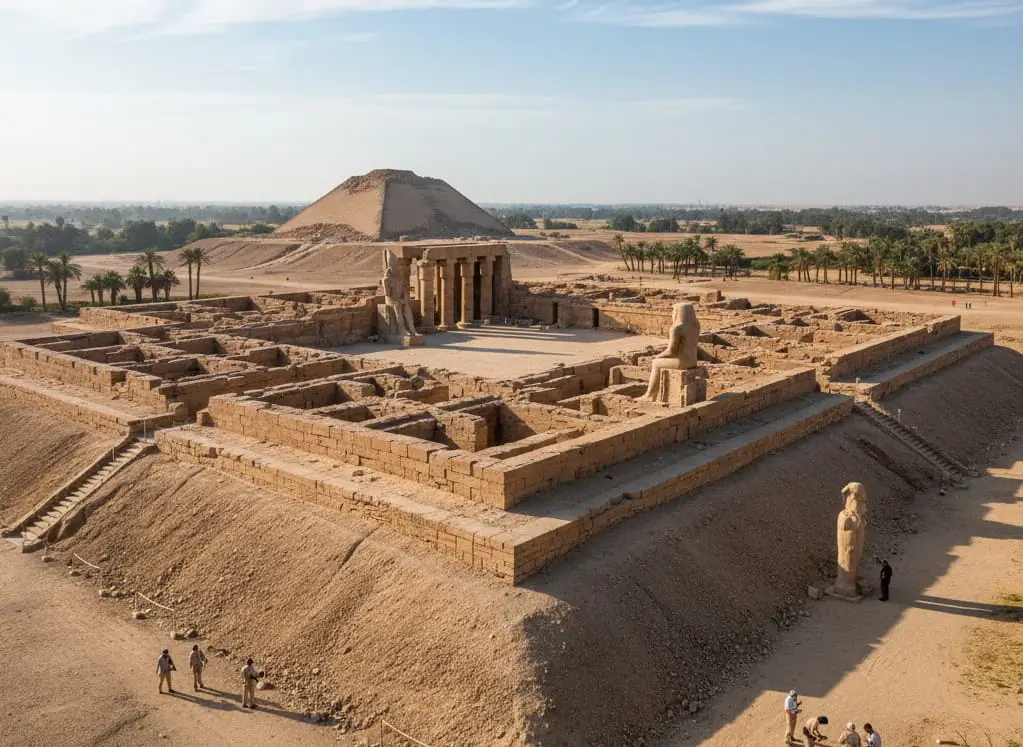
These temples became much larger and more complex. They looked like fortresses, with massive stone gates and high walls. This separation allowed the Pharaoh to have a giant monument for the public to admire while his actual burial remained a secret. This era produced the most famous temples we visit today, such as the Ramesseum and Medinet Habu.

The Mortuary Temples: Key Architectural Features

Every mortuary temple followed a specific blueprint. The architects designed these spaces to mirror the Egyptian view of the universe. As you walk from the entrance to the back, the floors rise, and the ceilings drop. This creates a sense of moving from the physical world into the realm of the gods.

The Pylon: The Gate of the Horizon

The journey begins at the Pylon. This is a massive stone gateway with sloping walls. To the Egyptians, these two towers looked like the hieroglyph for “horizon.” They represented the place where the sun rises and sets. Two tall obelisks and giant statues of the King usually stood in front of the pylon to welcome visitors.

The Open Court: The Public Space

Once you pass through the pylon, you enter a large Open Court. This area allowed for sunlight and fresh air. It was the only part of the temple where the general public could occasionally gather during major festivals. Large pillars often lined the sides of the court, providing shade for the priests as they prepared for ceremonies.

The Hypostyle Hall: The Forest of Columns

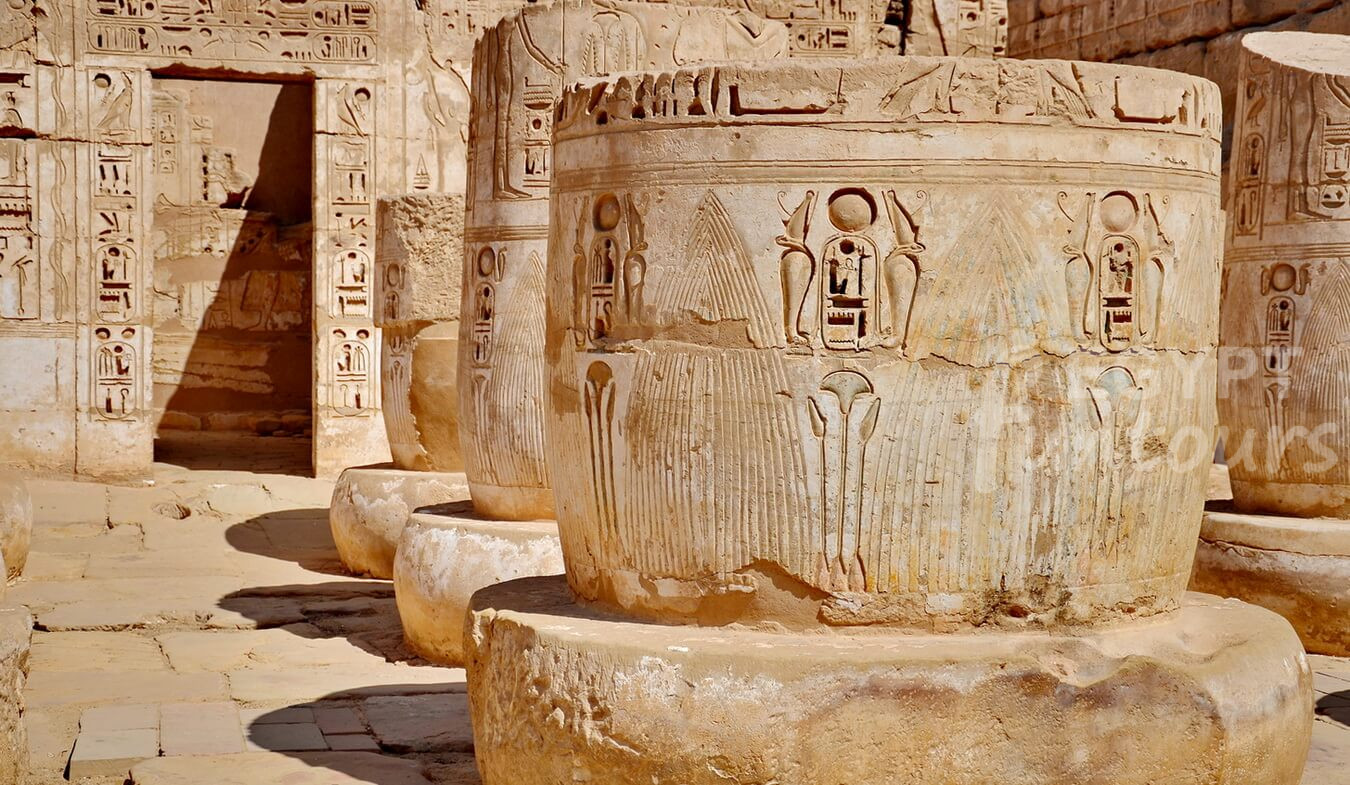
Beyond the court lies the Hypostyle Hall. This is a dark, roofed room filled with massive columns. These columns often have tops shaped like papyrus or lotus plants. This room represents the “primordial marsh” at the beginning of time. The dim light and the “forest” of stone pillars made this space feel mysterious and sacred.

The Barque Shrine: The Sacred Rest Stop

Deep inside the temple, you find the Barque Shrine. This room held a model of a sacred boat. During festivals, priests carried a statue of a god inside a real boat from the Nile to the temple. They placed the boat in this shrine so the god could “rest” while the priests performed rituals.

The Sanctuary: The Heart of the Temple

The most important room is the Sanctuary. It sits at the very back and is the darkest, most private part of the building. Only the High Priest or the Pharaoh could enter this room. Inside stood the cult statue of the King. The Egyptians believed the King’s spirit actually lived within this stone image. It was here that the daily offerings of food, wine, and incense took place to keep the King’s soul strong for eternity.

Abydos Temple: The Sacred Home of Osiris & the Masterpiece of Seti I

Take a pilgrimage to Abydos, the sacred "home" of the god Osiris and the spiritual...
Related post
FUN

Famous Examples: The Must-See Temples

To truly appreciate the grandeur of these “Mansions of Millions of Years,” you must look at the specific temples that still dominate the landscape of the Theban West Bank. Each one tells a unique story of the Pharaoh who built it.

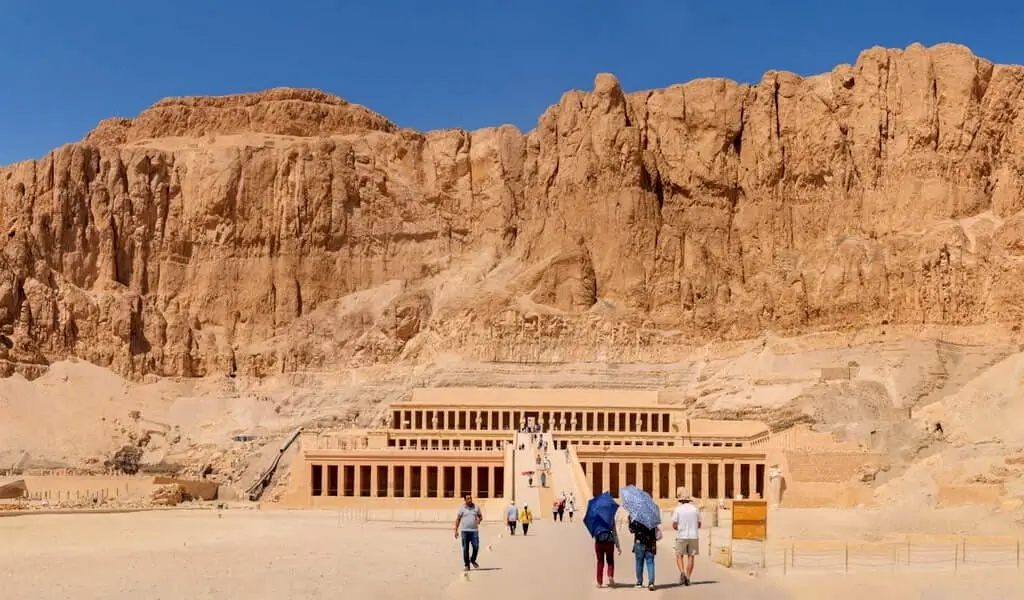
The Mortuary Temple of Hatshepsut (Deir el-Bahari)

Private 2-Day Luxor Immersion from Cairo; An Elite Fly-In Expedition - Temple of queen Hatshepsut

This temple is one of the most striking sights in Egypt. While most temples are boxes made of stone, Hatshepsut’s temple features three massive terraces carved directly into the limestone cliffs.

  • The Design: It rises in layers connected by long ramps.
  • The Reliefs: The walls show famous scenes of an expedition to the Land of Punt to bring back unfamiliar trees and incense.
  • The Legacy: It proves the power and creativity of Egypt’s most famous female Pharaoh.

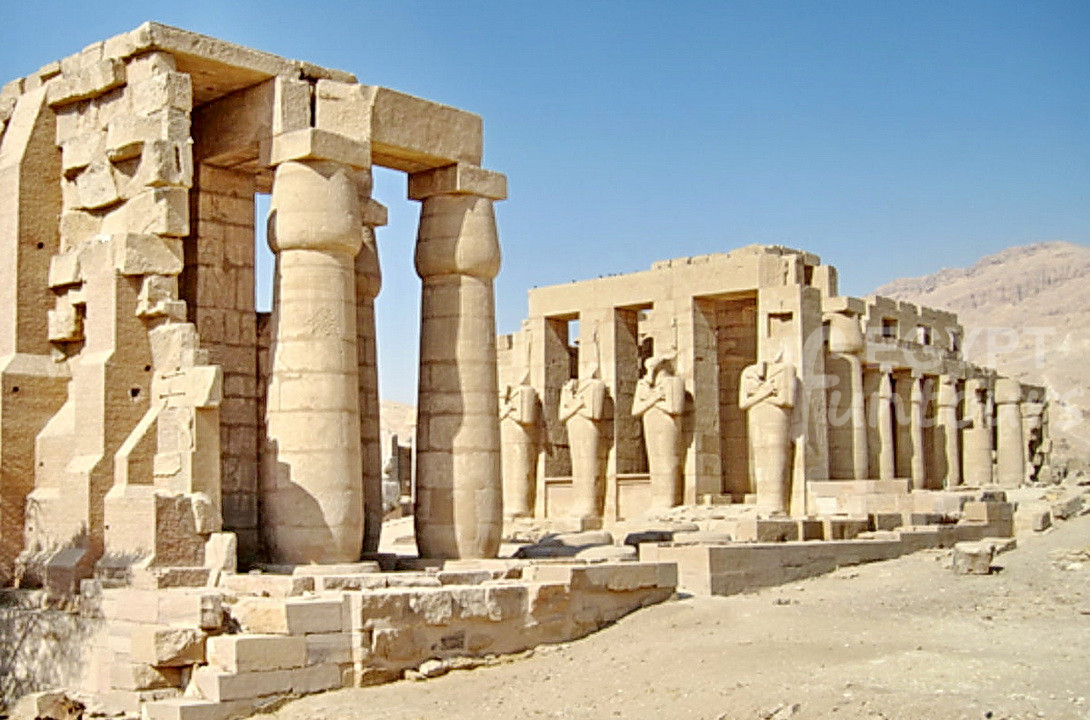
The Ramesseum (Ramesses II)

The Ramesseum luxor

Ramesses the Great built his mortuary temple (The Ramesseum) to reflect his legendary ego. Although it is now in ruins, it remains a place of awe.

  • The Fallen Colossus: You can see the shattered remains of a giant statue of Ramesses that once stood nearly 60 feet tall.
  • War and Victory: The walls depict the Battle of Kadesh, showing the King charging into battle against the Hittites.
  • Inspiration: These ruins inspired the famous poem “Ozymandias.”

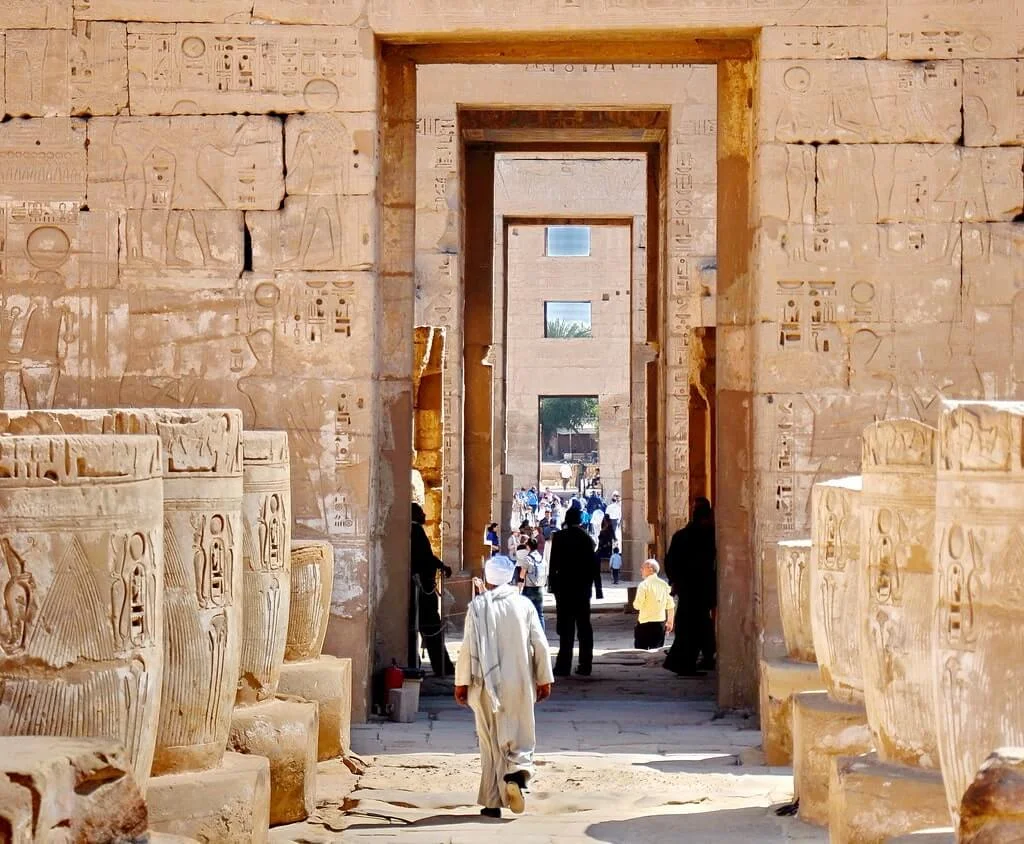
Medinet Habu (Ramesses III)

Medinet Habu - A Fortress of Propaganda and Piety

If you want to see what a temple looked like in its prime, visit Medinet Habu. It is the best-preserved mortuary temple in Egypt.

  • The Fortress Walls: A massive mud-brick wall surrounds the entire complex, making it look like a military fort.
  • The Sea Peoples: The carvings show the King’s great naval battle against the “Sea Peoples,” a mysterious group that tried to invade Egypt.
  • Original Color: Because the carvings are so deep, you can still see traces of the original blue, red, and yellow paint on the ceilings.

The Temple of Seti I (Abydos)

legend osiris abydos temple 3

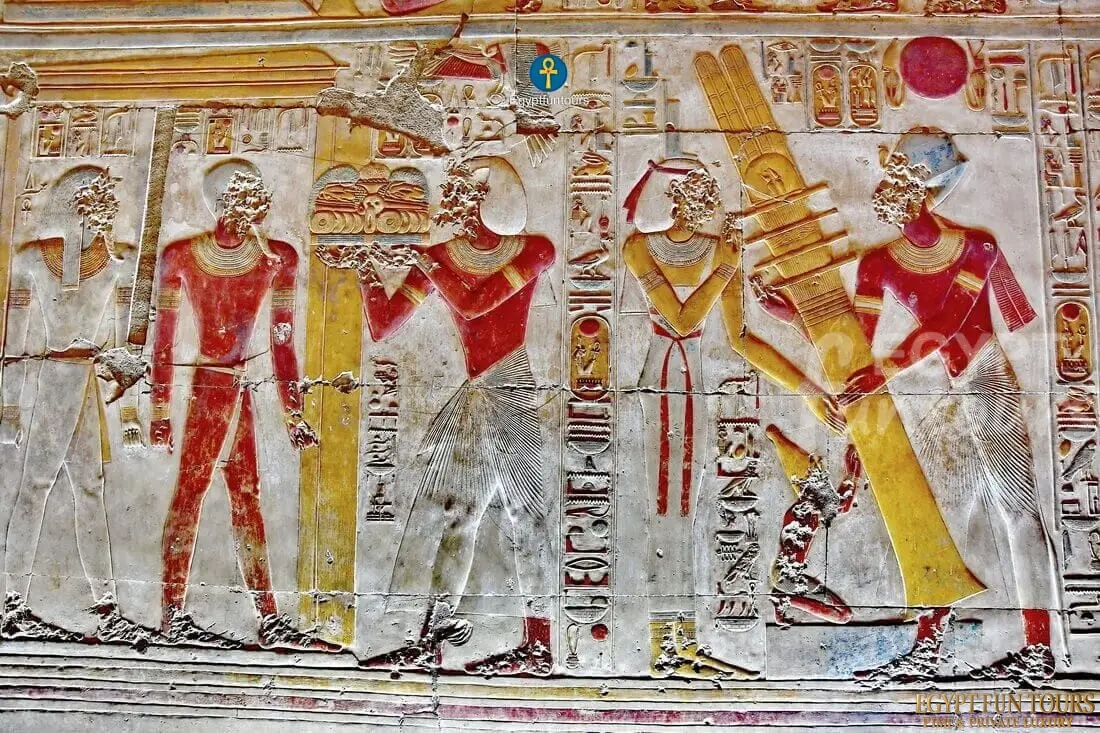
While most mortuary temples sit near Luxor, Seti I built a magnificent one further north at Abydos.

  • Unmatched Quality: Many experts believe the reliefs here are the most beautiful in all of Egyptian history.
  • The King List: This temple contains the famous “Abydos King List,” a wall carved with the names of the Pharaohs who came before Seti I.
  • The Osireion: Behind the temple lies a mysterious, water-filled structure dedicated to Osiris, the god of the afterlife.

Daily Life and Rituals within the Walls

A mortuary temple was never a quiet or empty monument. In its prime, it functioned like a busy machine, running on a strict schedule to serve the spirit of the King. Hundreds of people lived and worked inside the temple enclosure every day.

The Daily Offering Ritual

The most important part of temple life was the daily ritual. Every morning, the High Priest entered the dark sanctuary. He broke the clay seal on the shrine and “woke up” the statue of the King.

  • He washed the statue with holy water and dressed it in fine linen.
  • He applied sacred oils and perfumes.
  • Most importantly, he offered a massive feast of bread, meat, fruit, and wine. The Egyptians believed the spirit of the King consumed the “essence” of the food. Afterward, the priests distributed the physical food among the temple workers as their wages.

The Temple as an Economic Power

Beyond religion, these temples were the “banks” of the ancient world. Each temple owned thousands of acres of farmland, herds of cattle, and even its own fishing boats.

  • Storage: Massive mud-brick rooms called granaries surrounded the stone temple. These rooms stored enough grain to feed entire cities during a bad harvest.
  • Production: Workshops inside the walls produced everything from fine pottery to the linen used for mummification.
  • Employment: The temple provided jobs for bakers, brewers, guards, and scribes. This made the mortuary temple the center of the local economy.

The Beautiful Festival of the Valley

Once a year, the temple became the site of a massive celebration called the “Beautiful Festival of the Valley.”

  • The statue of the god Amun-Ra traveled across the Nile in a grand boat.
  • The god visited each mortuary temple on the West Bank to “recharge” the spirits of the dead Kings.
  • Egyptian families would gather outside the temple walls to picnic and celebrate with their ancestors. It was a time when the world of the living and the world of the dead came together in joy.

Valley Temple of King Khafre: A Gateway to the Afterlife at Giza

The Valley Temple of Khafre, built around 2570 BC on the Giza Plateau, served as...
Related post
FUN

Why the Temples Eventually Fell

luxor temple of madinet habu ramses III 6

Despite their name—the “Mansions of Millions of Years”—these temples did not stay active forever. Several factors led to their eventual decline.

  • The Cost of Maintenance: As the Egyptian Empire grew weaker, the government could no longer afford to pay the thousands of priests and workers needed to run the temples.
  • Security Issues: Because the temples were filled with gold and valuable grain, they became targets during times of civil war or foreign invasion.
  • The Rise of New Religions: When Christianity and later Islam spread through Egypt, the old rituals stopped. People moved into the temples for safety, building small houses and churches inside the ancient stone walls.

Visiting the “Mansions” Today

Walking through a mortuary temple today is a powerful experience. It allows you to see the world exactly as the Pharaohs wanted you to see it. These buildings were their final messages to the future. They were built to show that even though a King might die, his work, his faith, and his name would remain eternal.

When you visit places like Medinet Habu or the Ramesseum, remember that you are not just looking at ruins. You are standing in the center of a grand vision that lasted for over three thousand years. For the best experience, try to visit early in the morning. As the sun rises over the pylons, you can almost imagine the smell of incense and the sound of the priests beginning the daily ritual in the “Mansion of Millions of Years.”

Colossi of Memnon: The Giant Guardians of Luxor’s West Bank

Make your first stop on the Luxor West Bank at the Colossi of Memnon. These...
Related post
FUN

Practical Guide: Visiting the Mortuary Temples

The Mortuary Temple Of Amenmehat III

Most travelers only see the Valley of the Kings, but the mortuary temples offer some of the best photography and history in Luxor. To get the most out of your trip, you need to plan your timing and your route carefully.

When to Go

The best time to visit is early in the morning, right when the sites open at 6:00 AM. The morning sun hits the eastern-facing pylons perfectly, which is ideal for photos. In the afternoon, the heat on the West Bank can be intense. Visiting early also helps you avoid the large tour bus crowds that usually arrive around 10:00 AM.

Buying Your Tickets

You cannot buy tickets at the entrance of most individual temples. You must go to the official Ticket Office (the Mofatish) located on the West Bank main road.

  • Most temples, like Medinet Habu and the Ramesseum, require separate tickets.
  • Some sites, like Hatshepsut’s temple, have their own dedicated ticket booths at the entrance.
  • Bring your passport or a digital copy, as it is often required for the purchase.

Suggested Half-Day Itinerary

If you have one morning to explore the mortuary temples, follow this route:

  1. Medinet Habu: Start here to see the best-preserved colors and massive walls.
  2. The Ramesseum: Head here next to see the “Ozymandias” statue before the sun gets too high.
  3. Temple of Seti I (Qurna): Finish at this quieter temple to enjoy the fine reliefs in peace.

Pro-Tips for the Best Experience

  • Look Up: In many temples, the original paint is best preserved on the ceilings and the undersides of the lintels.
  • Stay Hydrated: There is very little shade in the open courts. Always carry plenty of water.
  • Hire a Local Guide: A professional guide can point out specific reliefs, such as the ancient “king lists” or battle scenes, that are easy to miss on your own.

Final Word: The Legacy of the West Bank

The mortuary temples are more than just stone and sand. They are the strongest evidence of the ancient Egyptian belief in the power of memory. A King was only truly “dead” if his name was forgotten. By building these massive temples, the Pharaohs ensured that thousands of years later, we would still be speaking their names and wondering at their achievements.

When you stand before the pylon of a “Mansion of Millions of Years,” you are witnessing a successful quest for immortality. The buildings have stood the test of time, and the stories carved into their walls continue to fascinate the world today.

An enchanting journey cruising the Nile from Cairo to Aswan....
Explore Cairo, Luxor, and Aswan through this amazing trip...
God_Anubis_Icon

Transit Stopover in Cairo

We have just returned from a two week holiday in Cape Town. On the way out our airline schedule meant that we had a 15 hour stop in Cairo. We decided to arrange a tour of the city and after asking for quotes/itineraries we chose Egypt Fun Tours. This worked

More »

Alexandria! Wow!

Muhammad is the best! He showed me a world I never thought possible! The tombs in Alexandria, by far, were my favorite! I never knew there was a place on earth that contained both Greek and Egyptian carvings in the same tombs! The history and culture of Egypt is so

More »

Valley of Whales – Wadi El Hitan and Wadi El Rayan

What a blast! It was an amazing day and a 5-star day trip. Everything was organised from A to Z by Hamada and Mohamed at Egypt Fun Tours in a timely manner. Pick up/drop off from/to the hotel, exquisite lunch and snacks, 4×4 jeep. Everything was as advertised. Also, the

More »

Valley of the Kings, Hepchepsut

I never had a more positive experience and educational time than this tours. Learning about a variety of kings and queens was amazing! The tour guide was super nice and helped me and my friend every step of the way! Including bargaining for a few souvenirs! I will never forget

More »
4-day-christmas-nile-cruise

Hossam Rashwan Tour Guide

We took this trip with Hossam Rashwan as our tour guide, and I must say that Hossam was the greatest tour guide in Luxor who showed us around. Our tour guide’s tales transported us to Luxor’s past, and we felt as if we were living in ancient Egypt. We really
More »
God_Anubis_Icon

Top-rated Tour Packages

God_Anubis_Icon