
Temple of Dakka: Exploring Greco-Roman Heritage at Wadi el-Sebua

The Temple of Dakka is a unique monument dedicated to Thoth, the god of wisdom, famous for its rare northern orientation parallel to the Nile. Its construction spanned 500 years, beginning with a Meroitic chapel by King Arqamani and expanding under various Ptolemaic and Roman rulers. In the Roman era, it served as both a spiritual hub and a strategic military fortress protected by a massive wall. To escape the rising waters of Lake Nasser, a UNESCO mission relocated the structure to New Wadi es-Sebua, where its grand pylon and intricate Greco-Roman reliefs remain perfectly preserved today.

Temple of Dakka: The “House of Thoth” in Nubia

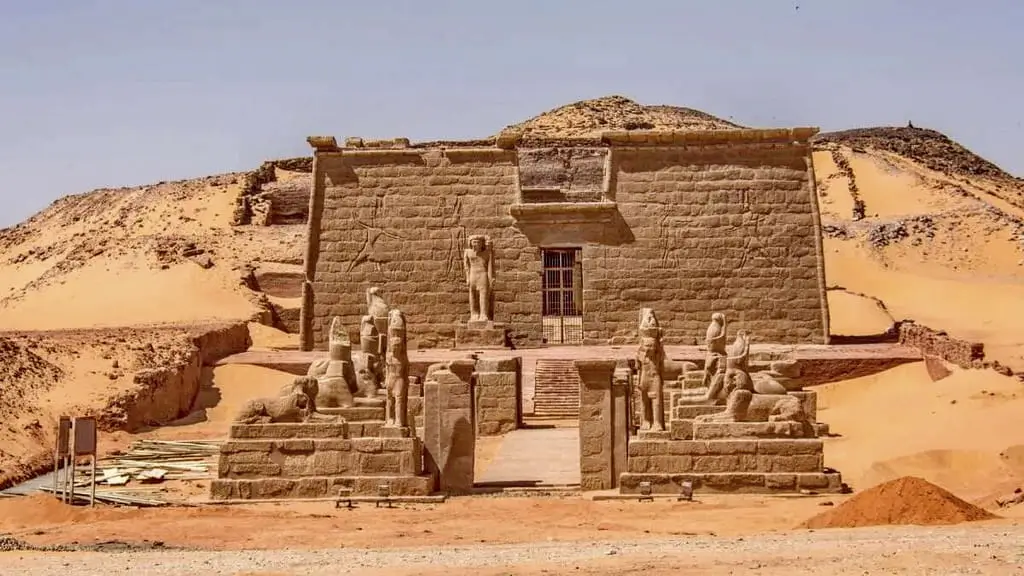
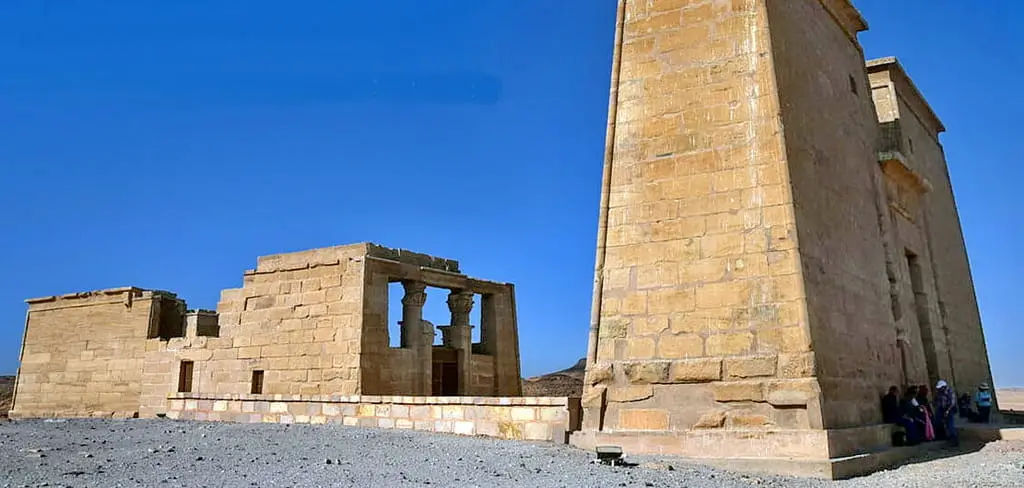
The Temple of Dakka stands as a fascinating architectural anomaly in Nubia. Unlike most Egyptian temples, this sacred site faces north rather than east. Consequently, the structure runs parallel to the Nile’s course. Originally, it served as a vital spiritual center for Thoth, the god of wisdom and writing.

A Fusion of Empires and Styles

This temple is not the work of a single era. Instead, it represents a multi-layered masterpiece of history. The Meroitic King Arqamani first commissioned a small chapel here in the 3rd century BCE. However, later Ptolemaic and Roman rulers expanded the structure significantly over several centuries. Therefore, the Temple of Dakka showcases a unique blend of Meroitic, Greek, and Roman influences.

Temple of Dakka: The UNESCO Rescue Mission

During the 1960s, the Aswan High Dam threatened to submerge this historic treasure. The rising waters of Lake Nasser would have destroyed the site forever. Fortunately, a heroic UNESCO-led mission saved the monument. Workers carefully dismantled the stones and relocated them to New Wadi es-Sebua. Today, the Temple of Dakka remains one of the most well-preserved sites in the region. Visitors still travel here to admire its grand pylon and intricate reliefs.

FUN

The Builders of the Temple of Dakka

The Builders of the Temple of Dakka

The history of the Temple of Dakka spans nearly five hundred years. Many different cultures and rulers contributed to its construction. This collaboration created one of the most complex religious sites in Lower Nubia.

Temple of Dakka: The Meroitic and Ptolemaic Foundations

The project began under King Arqamani (also known as Ergamenes II). He was a Meroitic ruler who founded the original small sanctuary. Later, the Ptolemaic Dynasty expanded the site significantly. Specifically, Ptolemy IV added an antechamber and a grand doorway. Ptolemy IX then enlarged the temple further by building a pronaos with two rows of columns.

Temple of Dakka: Roman Expansion and Completion

The Roman Emperors Augustus and Tiberius also left their mark on the site. They added a second sanctuary and a massive outer enclosure wall. During this period, the temple even functioned as a fortress. Curiously, researchers found stones from the much older 18th Dynasty in the foundations. This suggests that a sacred structure existed at this location during the New Kingdom era.

FUN

Temple of Dakka: Architectural Highlights of the Site

Architectural Highlights of the Site

The Temple of Dakka features several distinct elements that set it apart from its neighbors. Each section reflects the evolving power of the empires that controlled the region.

Temple of Dakka: The Grand Pylon

The most striking feature today is the massive, free-standing pylon. This entrance gateway remains largely intact. Inside the pylon, staircases lead to various internal rooms and the roof. Historically, these upper levels provided a wide view of the surrounding temple complex and the Nile.

Temple of Dakka: The Sanctuary and Sacred Reliefs

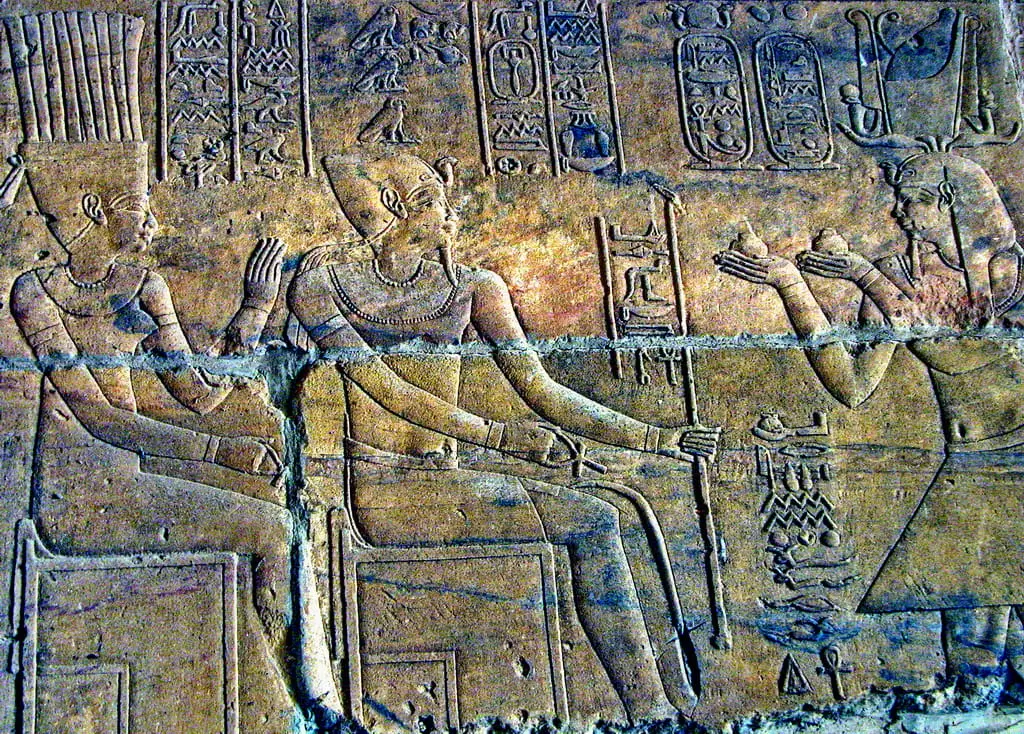
The inner sanctuary, or adytum, contains high-quality religious reliefs. These carvings depict offerings and sacred ceremonies dedicated to the god Thoth. One particularly rare detail is a relief showing a harper. Such musical depictions are elegant and uncommon in the formal temple art of this period.

Temple of Dakka: The Enclosure Wall

In the Roman era, builders surrounded the temple with a vast stone wall. This enclosure measured approximately 270 by 444 meters. Because of these defenses, the Temple of Dakka became one of the strongest religious fortresses along the southern frontier.

The Religious Significance of Thoth at Dakka

The Temple of Dakka served as a major center for the worship of Thoth, known as the “Lord of Pnubs” in this region. Thoth represented wisdom, the moon, and the art of writing, making him a vital deity for the Egyptian administration. By building this temple in Nubia, rulers connected the intellectual traditions of Egypt with the southern frontier.

Furthermore, the temple played a role in the legend of the “Distant Goddess.” According to local mythology, Thoth traveled into the southern deserts to find the goddess Tefnut and persuade her to return to Egypt. The Temple of Dakka symbolized a resting point on this divine journey. Therefore, the site held deep spiritual meaning for pilgrims traveling along the Nile.

Abydos Temple: The Sacred Home of Osiris & the Masterpiece of Seti I

Take a pilgrimage to Abydos, the sacred "home" of the god Osiris and the spiritual...
Related post
FUN

Intricate Reliefs and Roman Graffiti

Intricate Reliefs and Roman Graffiti

The walls of the Temple of Dakka offer a wealth of information for historians. While many sections remain plain, the decorated areas show incredible detail. These reliefs portray the Pharaohs and Emperors making offerings to the Nubian version of Thoth and his consort, Tefnut.

Interestingly, the temple also contains numerous examples of Greek and Roman “graffiti”. Ancient travelers and soldiers carved their names and short prayers into the stone blocks. These inscriptions provide a unique look at the diverse people who visited the site over the centuries. Consequently, the temple acts as a historical record of both royal decree and common human presence.

The Strategic Importance of the Site

During the Roman period, the Temple of Dakka was more than a religious sanctuary. It functioned as a strategic military outpost near the border of the Roman Empire. The massive enclosure wall protected the temple from desert raids.

Because of its location, the temple supervised the trade routes coming from the south. Gold, incense, and unfamiliar goods passed through this region on their way to the Mediterranean. Therefore, maintaining control of Dakka was essential for the Roman governors of Egypt. This blend of military and religious life makes the site unique among the monuments of Lake Nasser.

Temple of Gerf Hussein: History, Architecture, and UNESCO Relocation

The Gerf Hussein temple stands as a magnificent example of New Kingdom "hemispeos" architecture, blending...
Related post
FUN

The UNESCO Salvage Operation: Moving the Temple of Dakka

The UNESCO Salvage Operation Moving the Temple of Dakka

The 20th century brought a massive threat to the monuments of Lower Nubia. With the construction of the Aswan High Dam, the Nile was destined to rise and create Lake Nasser. Consequently, the Temple of Dakka faced certain destruction under the deep waters.

Dismantling the House of Thoth

Between 1962 and 1968, an international team led by UNESCO undertook a daring rescue mission. Engineers carefully numbered every single stone block of the Temple of Dakka. Because the temple was largely built of sandstone blocks rather than being cut into a mountain, it was possible to dismantle the entire structure. They moved the pieces piece-by-piece to a safe location several kilometers away.

New Wadi es-Sebua: A Heritage Hub

The salvage team reconstructed the temple at a site now known as New Wadi es-Sebua. This area serves as a haven for several rescued monuments. Today, the Temple of Dakka sits alongside the Temple of Wadi es-Sebua and the Temple of Maharraqa. By grouping these structures, the UNESCO mission created a unique archaeological park that allows visitors to explore multiple eras of Nubian history in one day.

The Legacy of Dakka

The Temple of Dakka remains one of the most important historical sites in southern Egypt. It is not merely a monument to the god Thoth, but a physical record of the shifting powers that ruled the Nile Valley. From its Meroitic beginnings to its Roman fortifications, the temple tells a story of cultural exchange and survival.

By visiting the Temple of Dakka, you witness the same grand pylon that has stood for millennia. You see the intricate carvings that have survived both ancient wars and modern floods. Whether you are interested in the evolution of Egyptian architecture or the heroic efforts of modern archaeology, this temple offers a profound connection to the past.

Summary Table: Temple Specifications

FeatureDescription
Primary DeityThoth (God of Wisdom)
Main BuildersKing Arqamani, Ptolemy IV, Emperor Augustus
Original LocationLower Nubia (West Bank)
Current LocationNew Wadi es-Sebua
OrientationNorth-Facing (Parallel to the Nile)
Key Architectural FeatureIntact 12-meter high Grand Pylon

Aswan High Dam: The Colossal Dam That Changed Egypt Forever

Visit the Aswan High Dam, a colossal 20th-century marvel that forever tamed the Nile River....
Related post
FUN

Frequently Asked Questions (FAQ)

Is the Temple of Dakka still in its original location?

No, the temple was moved in the 1960s. The original site is now submerged under Lake Nasser. It currently stands at New Wadi es-Sebua.

Why is Thoth so prominent at this temple?

Dakka was a major cult center for Thoth in Nubia. The temple celebrated his role as a messenger and a peacemaker between the gods.

How can I visit the Temple of Dakka today?

The best way to see the temple is by taking a Lake Nasser cruise. These cruises stop at New Wadi es-Sebua specifically so guests can walk through Dakka and its neighboring temples.

Explore the most famous monuments in Cairo and the Nubian city of Aswan...
Enjoy comfort, harmony, and bliss....
FUN
God_Anubis_Icon

Amazing one day tour

Fantastic tour. We were picked up at the airport early in the morning (6 am), and were dropped off in the evening after discovering amazing Cairo. The guide was knowledgeable and took us to many hidden places, which we wouldn’t have found without him. Thank you!

More »

Egypt Fun Tours makes the most out of your layover!

I had a really short layover in Cairo and didn’t want to be stuck in the Cairo Airport for several hours. It was like Mission Impossible: Egypt Fun Tours’ mission was to show me around Cairo during my short 5 hour layover which was made even shorter because my plane

More »

Jeep Safari in the Sahara

I contacted Hani two days before I went to Egypt and asked him if it was possible to combine two of their tours as we were short on time. We had planned to stay in Cairo but with the uprising we decided it would be safed outside of the hot

More »
Amazing Egypt Tours Vacations in December Egypt Fun Tours

Amazing trip with Egypt Fun Tours

We had the time of our lives on a trip to Egypt and the Bahariya/White Desert with Egypt Fun Tours, too. I would highly recommend this company. They are very familiar with organizing this trip, and this means they are well-connected in the desert area. This was invaluable to us

More »
God_Anubis_Icon

Top-rated Tour Packages

God_Anubis_Icon