
The Temple of Derr: A Complete Guide to the Sun Temple of Ramesses II

The Temple of Derr stands as a magnificent rock-cut monument from the 19th Dynasty, showcasing the profound religious and political vision of Ramesses II. Originally situated on the rare east bank of the Nile in Lower Nubia, this "speos" or cave temple is dedicated primarily to the sun god Ra-Horakhty and the deified king himself. It remains famous for its intricate architectural layout that bores deep into the sandstone mountain and its remarkably vibrant interior reliefs that depict both military triumphs and sacred rituals. Following the construction of the Aswan High Dam, a successful UNESCO rescue operation in 1964 saved the structure from the rising waters of Lake Nasser, relocating it to its current home at New Amada. Today, it serves as an essential site for understanding the evolution of Ramesside artistry and the strategic expansion of Egyptian authority in the ancient world.

Temple of Derr: The Hidden Jewel of Ramesses II

The Temple of Derr stands as a powerful testament to the religious vision of the 19th Dynasty. This magnificent rock-cut structure represents a pivotal moment in the reign of Ramesses II. Historically, it is known as the “Speos of Derr.”

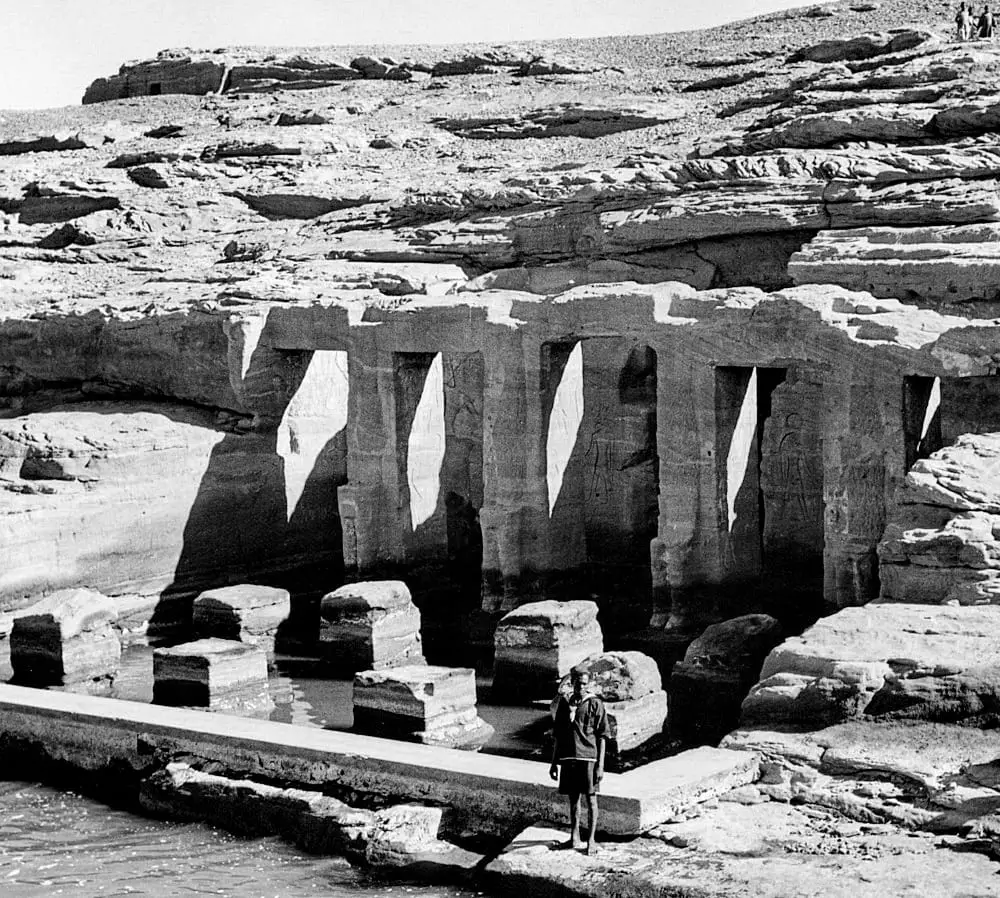
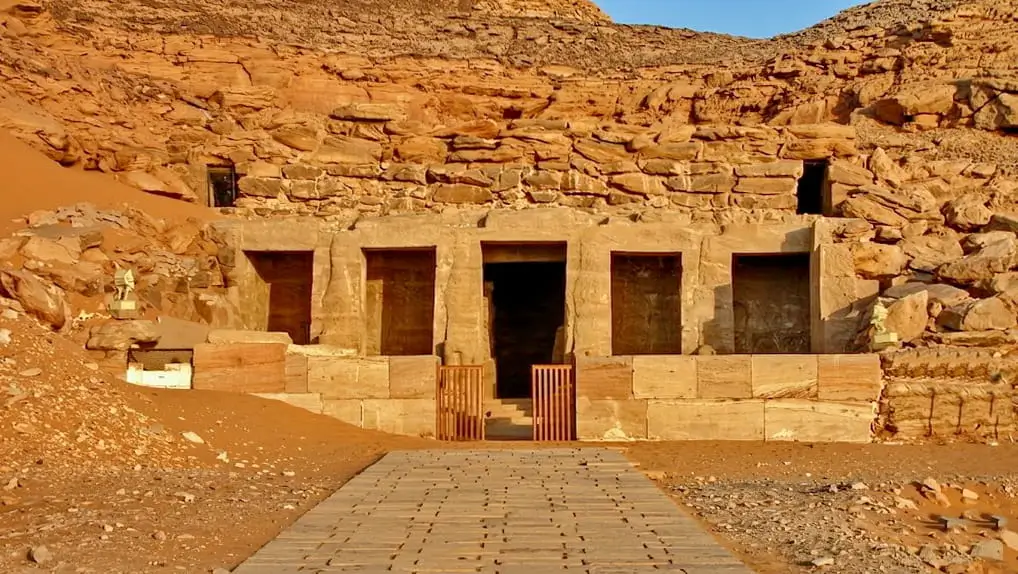
Furthermore, this temple is a rare archaeological anomaly. Most Nubian monuments sit on the west bank of the Nile. However, architects carved this site into the sandstone cliffs of the east bank. Because of this unique placement, it holds a special status among ancient Egyptian structures.

Temple of Derr: A Divine Connection to the Sun

The temple was dedicated primarily to the sun god Ra-Horakhty. Consequently, it served as a divine beacon of Egyptian power in Lower Nubia. By building here, the Pharaoh successfully merged his own identity with the celestial strength of the sun.

Although its fame is sometimes hidden by the shadow of Abu Simbel, Derr offers a more intimate look at Ramesside artistry. For example, the temple features vibrant, hand-painted reliefs. These artworks have survived centuries of environmental changes. Moreover, the complex architectural transition into the heart of the mountain is truly impressive.

Temple of Derr: What This Guide Covers

Today, the temple remains a significant treasure from the UNESCO Nubian Campaign. In this comprehensive guide, we explore the history and mythology of this ancient site.

Specifically, we will examine:

  • The Divine Dedication: Why the king chose Ra-Horakhty for this specific location.
  • Architectural Mastery: A detailed breakdown of the pillared halls and the sacred sanctuary.
  • The Great Relocation: How modern engineering saved the temple from Lake Nasser in 1964.
  • Artistic Legacy: An analysis of the surviving pigments and military reliefs.

Whether you are a scholar or a curious traveler, this guide provides every detail you need. Therefore, let us begin our journey into the enduring legacy of the Temple of Derr.

FUN

The Historical Context: A Pharaoh’s Ambition in Nubia

The Historical Context A Pharaoh’s Ambition in Nubia

The Temple of Derr was not built in isolation. Instead, it was part of a massive construction program launched by Ramesses II. During the 19th Dynasty, the Pharaoh wanted to solidify his control over the southern regions. Consequently, he commissioned several “speos” or rock-cut temples throughout Lower Nubia.

The timing of the construction is also significant. Most scholars believe the temple was finished around the 30th year of his reign. This coincided with his first Sed festival, a jubilee intended to rejuvenate the king’s power. Therefore, the temple does not just honor the gods; it also celebrates the divine nature of the King himself.

Strategic Location and East Bank Significance

In ancient Egyptian tradition, the west bank of the Nile usually symbolized the land of the dead. Conversely, the east bank represented life and the rising sun. Because the Temple of Derr is located on the east bank, it emphasizes its connection to the solar cycle.

Furthermore, its original location was strategically chosen. It sat near a bustling river settlement. As a result, every traveler moving along the Nile would see the Pharaoh’s monument. This acted as a permanent reminder of Egyptian authority. Today, however, the temple sits at the New Amada site. Engineers moved it here in 1964 to prevent it from being swallowed by the rising waters of the High Dam.

FUN

Architectural Layout: Entering the Mountain

Architectural Layout Entering the Mountain - Temple of Derr

The architecture of the Temple of Derr is fascinating because it blends traditional temple elements with the natural landscape. The structure follows a linear path that leads deeper into the rock.

Temple of Derr: The First Pillared Hall

Initially, visitors enter a large hall carved directly into the sandstone. This area originally featured twelve square pillars arranged in three rows. On the walls, you can see dramatic scenes of military conquest. For instance, Ramesses II is depicted smiting his enemies in the presence of the gods. These images were designed to inspire awe and fear in the local Nubian population.

Temple of Derr: The Second Pillared Hall

As you move further inside, the atmosphere becomes more sacred. The second hall is smaller and contains six pillars. Here, the focus shifts from war to worship. Transitioning from the outer world, the reliefs now show the King offering incense and libations. Additionally, the ceiling remains decorated with vultures and royal cartouches, symbolizing protection over the Pharaoh.

The Inner Sanctuary: The Heart of the Temple

At the very end of the axis lies the sanctuary, the most holy part of the temple. This small chamber contains a rock-cut bench with four seated statues. These figures represent the primary deities of the temple:

  1. Ptah: The creator god of Memphis.
  2. Amun-Ra: The king of the gods from Thebes.
  3. Ramesses II: The deified Pharaoh himself.
  4. Ra-Horakhty: The sun god to whom the temple is primarily dedicated.

Interestingly, the temple was designed so that the sun’s rays would occasionally penetrate deep into this room. This solar alignment highlighted the King’s direct relationship with the sun god. Although the relocation changed its original orientation slightly, the sanctuary still holds a powerful spiritual energy for visitors today.

Abydos Temple: The Sacred Home of Osiris & the Masterpiece of Seti I

Take a pilgrimage to Abydos, the sacred "home" of the god Osiris and the spiritual...
Related post
FUN

Artistic Brilliance and the Mystery of the Colors

Artistic Brilliance and the Mystery of the Colors - Temple of Derr

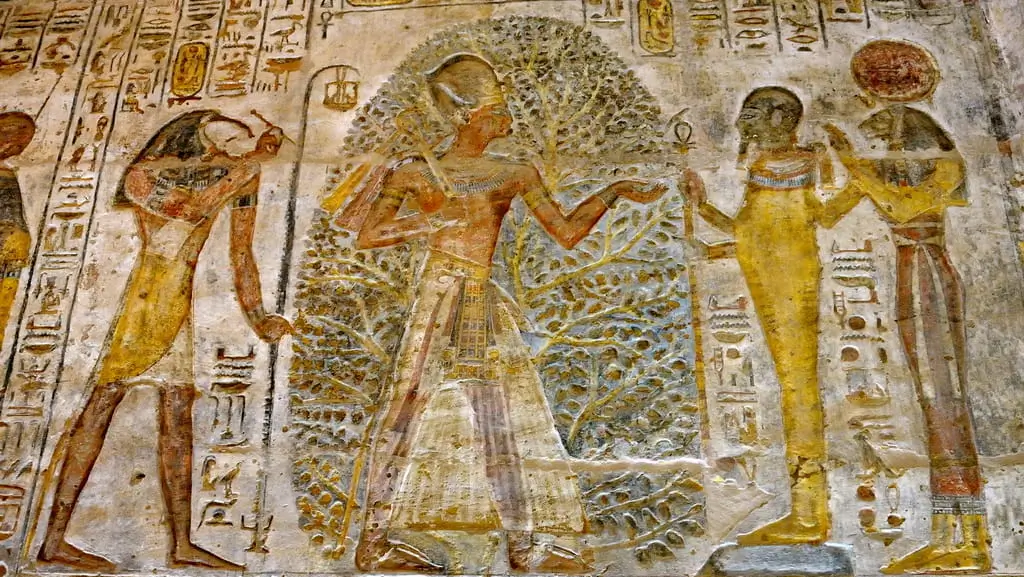
Artists carved the Temple of Derr with incredible precision. They used the vibrant “Ramesside style” to decorate the interior walls. Even today, the scenes retain much of their original pigment. This survival is remarkable because the temple sat in the open air for thousands of years.

The artisans chose specific colors to convey deep meanings. For example, they used bright yellow for the skin of the goddesses. They also applied deep blue to represent the heavens on the ceiling. Because the temple remained hidden under sand for centuries, the desert protected these delicate colors from the sun and wind.

The Christian Conversion: A New Layer of History

During the early Christian era, Coptic monks repurposed the Temple of Derr. They converted the ancient halls into a church. To align the space with their faith, they covered many of the original Pharaonic reliefs with plaster.
Interestingly, these monks painted their own religious icons over the ancient stones. You can still see traces of these paintings in some areas. However, this conversion also led to the intentional destruction of some “pagan” images. The monks hacked away the faces of the Egyptian gods to neutralize their power. Despite this damage, the layered history adds a unique charm to the site today.

Beit el-Wali: The Vibrant Military Masterpiece of Ramesses II

The Temple of Beit el-Wali, the oldest of the Nubian monuments built by Ramesses II,...
Related post
FUN

Saving the Temple: The 1964 UNESCO Mission

Architectural Layout Entering the Mountain - Temple of Derr

The construction of the Aswan High Dam created a massive crisis for Egyptian heritage. Lake Nasser threatened to bury the Temple of Derr forever. To prevent this tragedy, the Egyptian government joined forces with UNESCO.

Engineers and archaeologists worked together on a daring rescue mission in 1964. They cut the entire temple into massive sandstone blocks. Each block weighed several tons. Afterward, cranes lifted these pieces to higher ground.

They reassembled the temple at its current home, New Amada. This site now hosts three different historical monuments. By moving the temple, the team ensured that future generations could still walk through these ancient halls.

The Significance of the Reliefs: War and Piety

The walls of the Temple of Derr tell two different stories. In the outer sections, the Pharaoh appears as a fierce warrior. He drives his chariot over his enemies and shows no mercy. This imagery reinforced his role as the protector of Egypt’s borders.

In contrast, the inner walls reveal the Pharaoh’s spiritual side. Here, he stands quietly before the gods. He offers small statues of “Maat” to represent truth and justice. This balance between war and piety defines the reign of Ramesses II. He wanted everyone to know that he ruled by both physical strength and divine right.

Why You Should Visit the Temple of Derr

Many travelers skip the smaller Nubian sites in favor of Abu Simbel. However, the Temple of Derr offers a much more peaceful experience. Without the massive crowds, you can study the fine details of the carvings at your own pace.

Furthermore, the temple provides a perfect introduction to rock-cut architecture. It helps you understand the evolution of the Pharaoh’s ego as he expanded his influence southward. A visit here completes the story of Ramesses II’s legacy in the heart of Nubia.

Kalabsha Temple: The Rescued Jewel of Aswan

Discover the Kalabsha Temple, Aswan's rescued jewel. This magnificent temple was famously saved from the...
Related post
FUN

Travel Logistics: How to Reach the Temple of Derr

Accessing the Temple of Derr requires a journey into the heart of Lake Nasser. Because of its remote location, you cannot reach the site by car or train. Instead, travelers must board a Lake Nasser cruise. These ships typically travel between Aswan and Abu Simbel.

Most cruise itineraries stop at the Amada site during the morning or late afternoon. Once the ship docks, you will walk a short distance across the desert sand. This path leads you directly to the entrance of the temple. Therefore, you should wear comfortable walking shoes and carry plenty of water.

Photography Tips for the Rock-Cut Interior

The interior of the Temple of Derr offers incredible opportunities for photography. However, the low light inside the mountain presents some challenges. To capture the best images, follow these simple guidelines:

  • Avoid Using Flash: Flash photography often washes out the delicate colors of the ancient pigments. Furthermore, many sites prohibit Flash to protect the artwork.
  • Use a Wide-Angle Lens: The halls are relatively tight. A wide lens helps you capture the full scale of the pillars and the ceiling decorations.
  • Focus on the Details: Look for the small, intricate carvings of the “Solar Barque” or the royal cartouches. These details show the true skill of the 19th-century artisans.

A Lasting Legacy in the Sand

The Temple of Derr remains a masterpiece of ancient engineering and devotion. It stands as a bridge between the physical world and the divine realm of the sun god. By exploring its halls, you witness the immense ambition of Ramesses II.

In conclusion, this temple provides more than just a historical lesson. It offers a quiet moment of reflection away from the modern world. It reminds us that even the most powerful kings sought a connection with the eternal. As you leave the site and look back at the sandstone entrance, you see a monument that has conquered time, water, and the desert itself.

Quick Reference: Temple of Derr Facts

CategoryDetail
BuilderRamesses II (19th Dynasty)
Primary DeityRa-Horakhty
Original LocationEast Bank of the Nile (Lower Nubia)
Current LocationNew Amada Site
Relocation Year1964
Key Architectural FeatureRock-cut “Speos” design
Discover Egypt's historical treasures and stunning natural beauty....
Discover the wonders of ancient and modern Egypt....
FUN
God_Anubis_Icon

Excellent Layover Tour

I would recommend Egypt Fun Tours to everyone who is looking for either a cultural or relaxing trip in Egypt. I was recently on a private layover tour and could not have been any happier with my day in Cairo. My tour guide, Hani was waiting just outside immigration and

More »

11 Wonderful Hours in Cairo

I had an 11 hour layover in Cairo, and it couldn’t have been better spent than with Manal from Egypt Fun Tours. I was able to adjust my tour once we left the airport and Manal had some really great suggestions when I told her what it was I wanted

More »

Amazing Experience

Hamada was incredible! So knowledgeable and kind. He had information about every item, street corner, and relic we looked at. Any questions we had, he had answers! He even made sure to give us tips while walking through the crowds so that we would feel more comfortable when being approached

More »
God_Anubis_Icon

Top-rated Tour Packages

God_Anubis_Icon