
Shatby: Where Ancient History Meets the Intellectual Heart of the City

Shatby represents more than a mere coordinate on a map; it stands as the physical manifestation of Alexandria’s identity. The district refuses to let a single era define it, drawing strength from ancient Greek roots, medieval spiritual guardians, and its modern status as an educational powerhouse. Ultimately, whether you descend into a Ptolemaic tomb or gaze at the futuristic curve of the Great Library, Shatby reminds us that knowledge and history form the city's true foundations.

The Gateway to the Mediterranean: An Introduction to Shatby

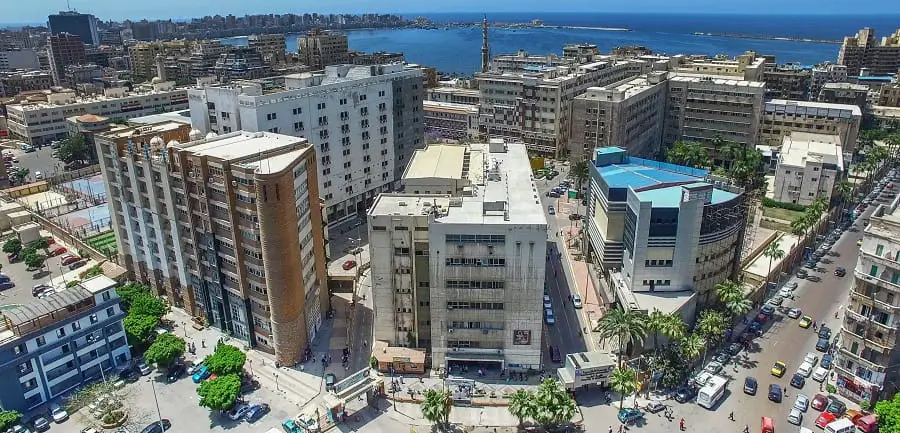
Alexandria lives between the pages of history and the rhythmic pulse of the sea. Nowhere is this fusion clearer than in Shatby. As you travel along the iconic curve of the Corniche, Shatby emerges as a living bridge. It connects the ancient world to Egypt’s modern intellectual future. Here, the salt-laden breeze carries two distinct sounds: the echoes of the first Greek settlers and the spirited debates of today’s scholars. This mix makes Shatby one of the most culturally significant areas in the city.

Shatby: Where the Ptolemies Met the Future

Historically, Shatby served as the threshold of the royal quarter. It houses the Shatby Necropolis, the oldest archaeological site in Alexandria. The city’s founders were laid to rest in these limestone graves over 2,300 years ago. Today, the soaring granite walls of the Bibliotheca Alexandrina stand directly above this ancient history. This modern architectural masterpiece reclaimed Alexandria’s title as a world capital of knowledge.

Beyond its monuments, Shatby serves as the academic soul of the city. As the primary seat of Alexandria University, the neighborhood thrives on the energy of a new generation. You can watch the historic tramway rattle past vintage bookstores or find quiet reflection at the Al-Shatbi Mausoleum. Whether you are tracing the footsteps of the Ptolemies or seeking a sunset view over the sea, Shatby reveals the enduring elegance of Alexandria.

FUN

The Shatby Necropolis: Descending into Alexandria’s Earliest Days

The Shatby Necropolis Descending into Alexandria's Earliest Days

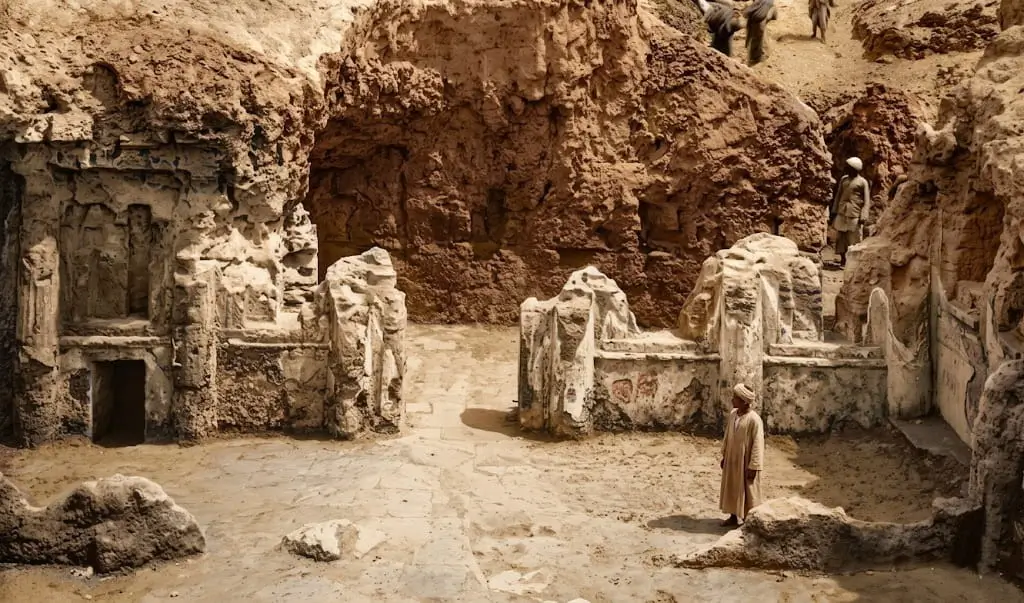
To truly grasp the history of this district, one must look beneath the modern pavement. The Shatby Necropolis represents the very first chapter of the city’s story. Archaeologists believe this site dates back to the late 4th century BCE. Because it predates the larger catacombs found elsewhere, it offers a rare look at the burial customs of the original Greek settlers. These individuals arrived with Alexander the Great and the early Ptolemaic kings to build a new Mediterranean capital.

Shatby: The Architecture of an Ancient Neighborhood

The design of these tombs is particularly fascinating because it mimics domestic life. Rather than grand, isolated monuments, the builders carved these chambers to resemble Greek houses. Most tombs feature a central open-air courtyard surrounded by smaller burial rooms. Furthermore, the walls often display architectural carvings resembling windows and doors. This style suggests that the ancients viewed the afterlife as a continuation of their earthly homes. Consequently, walking through the site feels less like visiting a cemetery and more like exploring a silent, subterranean neighborhood.

Shatby: Treasures of the Mediterranean Crossroads

While the stone structures are impressive, the artifacts found inside tell an even deeper story. During excavations, researchers discovered a vast collection of “Hadra Vases.” These ceramic urns were used to store the remains of foreign visitors, diplomats, and soldiers who died while visiting the city. Indeed, the presence of these vases proves that Shatby was a cosmopolitan hub from its inception. Because these travelers came from across the Greek world, the necropolis serves as a historical record of Alexandria’s early international influence.

Shatby: Connecting the Past to the Present

Today, the site stands as a quiet island of antiquity amidst a bustling modern city. Although the surrounding streets are filled with the noise of students and traffic, the necropolis remains a place of profound stillness. Ultimately, it serves as a reminder that the foundation of Alexandria’s intellectual and cultural greatness was laid here, in the simple limestone chambers of Shatby.

FUN

The Bibliotheca Alexandrina: A Modern Revival of Knowledge

Private Alexandria Day Trip from Cairo; Exploring the Graeco-Roman Pearl of the Mediterranean - Alexandria Bibliothica

While the necropolis reminds us of Alexandria’s birth, the Bibliotheca Alexandrina marks its modern rebirth. This massive complex stands as one of the most significant cultural landmarks in the world. Its location in Shatby is no coincidence, as it sits near the site where historians believe the original Great Library once flourished. Consequently, the building serves as more than just a library; it is a bridge spanning two thousand years of history.

An Architectural Marvel on the Mediterranean

The design of the library is intentionally symbolic. The building takes the shape of a massive tilted disc, which represents the sun rising over the Mediterranean. Furthermore, the exterior walls are crafted from Aswan granite and feature carvings of letters from over 120 different human scripts. This detail emphasizes that the library is a place for all of humanity. Because the roof is slanted and covered in glass panels, the interior reading rooms are flooded with natural light. Indeed, the space is so vast that it can accommodate up to eight million books across eleven cascading levels.

More Than Just Books: A Cultural Complex

The Bibliotheca Alexandrina offers much more than a traditional library experience. For instance, the complex houses four specialized museums that cover everything from ancient antiquities to the history of science. In addition to these museums, visitors can explore a planetarium that looks like a giant silver orb floating in a pool of water. This variety ensures that every visitor finds something of interest. Whether you are a researcher studying rare manuscripts or a student attending a digital lecture, the library provides the tools to explore the depths of human knowledge.

The Digital Frontier and Global Impact

In the modern era, the library has embraced the digital revolution. It contains the only mirror of the “Internet Archive” outside of the United States, preserving a snapshot of the digital world for future generations. Moreover, the library hosts international conferences and cultural festivals throughout the year. As a result, Shatby remains a global destination for intellectuals and curious travelers alike. Ultimately, the Bibliotheca Alexandrina ensures that Alexandria continues to be a “lighthouse” of learning for the entire world.

Ain Sokhna: Your Quick Guide to Cairo’s Red Sea Paradise

Discover Ain Sokhna, Cairo's closest Red Sea paradise, located just 1.5 hours away. This stunning...
Related post
FUN

Spiritual Roots: The Mosque and Tomb of Imam Al-Shatbi

While the library represents the city’s intellectual reach, the spiritual heart of the district resides in a much older tradition. The neighborhood takes its name from Imam Abu Ishaq Al-Shatbi, a 13th-century Andalusian scholar who made Alexandria his home. His presence turned this coastal stretch into a place of pilgrimage and study long before the modern university existed. Today, his mosque and mausoleum stand as quiet guardians of the district’s religious heritage.

The Journey of a Scholar

Imam Al-Shatbi was a renowned master of Quranic sciences and linguistics. He originally hailed from Xàtiva, in present-day Spain, but he eventually fled the political unrest of Al-Andalus to find sanctuary in Egypt. Because Alexandria was a major center for Sufi thought and Islamic scholarship at the time, it was a natural choice for his work. Consequently, his teachings took deep root in the local community. Even today, his tomb remains a site of great respect, where visitors come to offer prayers and reflect on the city’s history as a refuge for the wise.

A Sanctuary of Peace and Architecture

The mosque dedicated to the Imam is a beautiful example of traditional Islamic architecture. Although it is smaller than some of the grander mosques in the city center, it offers a distinct sense of intimacy and peace. The interior features elegant woodwork and arched windows that allow the Mediterranean light to filter into the prayer hall. Furthermore, the mosque serves as a focal point for the local community, especially during religious holidays. Because it is located near the sea, the sound of the waves often mixes with the call to prayer, creating a serene atmosphere that contrasts with the busy streets nearby.

The Living Connection to the Past

The legacy of Al-Shatbi is not just found in the stone of the mosque, but in the identity of the people who live here. The district has retained its name for centuries, proving that the influence of a single great mind can shape an entire city’s geography. Ultimately, the mosque serves as a vital link between Alexandria’s medieval Islamic period and its ancient Greco-Roman foundations. It reminds every traveler that Shatby is a place where different cultures and eras have always found a way to coexist and thrive.

The Anfushi Tombs: Alexandria’s Subterranean Art Gallery

The Anfushi Tombs represent a rare artistic bridge where the Greek spirit met the Egyptian...
Related post
FUN

The Academic Soul: Alexandria University and Student Life

The Academic Soul Alexandria University and Student Life

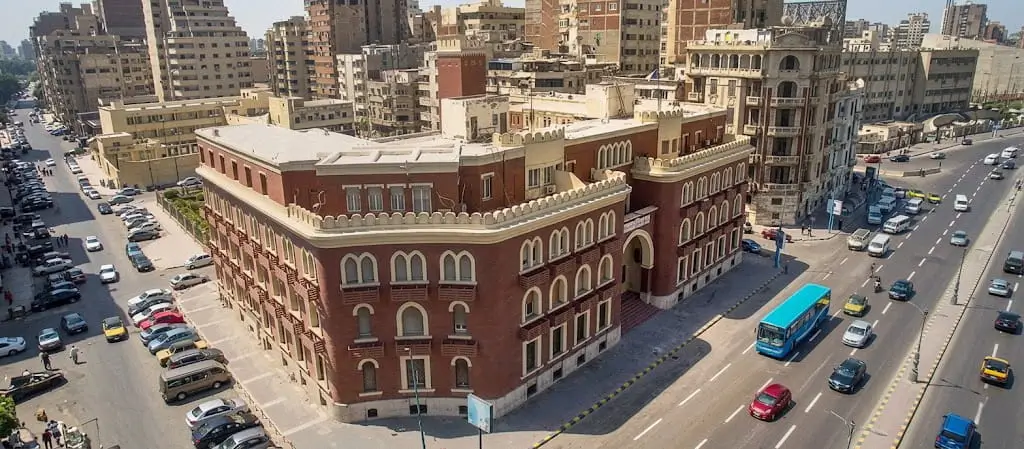
Beyond the monuments and ancient tombs, Shatby is defined by the vibrant energy of its students. As the main campus for Alexandria University, the district functions as the academic engine of the city. Every morning, thousands of students pour into the neighborhood, filling the air with the sound of discussion and the hurried pace of university life. This constant influx of youth ensures that Shatby never feels like a stagnant museum; instead, it is a place of constant evolution.

A Heritage of Higher Learning

Alexandria University was established in the early 20th century to revive the city’s ancient reputation for higher learning. The Shatby campus houses some of the university’s most prestigious faculties, including Law, Arts, and Commerce. Because many of the campus buildings feature Neo-Classical designs, the area feels like a grand European academic quarter. Furthermore, these institutions have produced some of Egypt’s most famous writers, scientists, and political leaders. Consequently, walking through the campus gates feels like walking through a factory of ideas that has shaped the modern nation.

The Culture of the Sidewalk

The influence of the university spills out into the surrounding streets, creating a unique local culture. The sidewalks are lined with a dense collection of bookstores, copy shops, and stationery stalls that have served students for generations. Moreover, the local cafes are famous for being “intellectual hubs” where professors and students gather to debate everything from law to literature. Indeed, these cafes are the best place to experience the authentic spirit of Shatby. Whether you are browsing for a rare second-hand book or simply enjoying a tea while observing the student bustle, you are participating in a tradition that stretches back to the days of the Great Library.

Safaga, Egypt: The Red Sea’s Hidden Gem for Divers, Windsurfers, and Healers

Discover Safaga, the Red Sea's hidden gem for adventurers and wellness seekers. Located 60km south...
Related post
FUN

The Mediterranean Pulse: The Shatby Corniche and Coastal Life

The Mediterranean Pulse The Shatby Corniche and Coastal Life

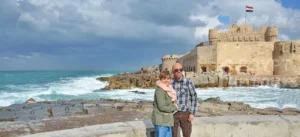
While history and academia define the land, the sea defines the spirit of this district. The Shatby Corniche is arguably the most vibrant stretch of Alexandria’s waterfront. Here, the wide promenade offers panoramic views that shift from the deep Mediterranean blue during the day to a shimmering gold at sunset. Consequently, it serves as the city’s favorite “outdoor living room,” where residents and travelers alike come to breathe in the salt air.

A Shoreline of Recreation and Reflection

Unlike the crowded port areas, the shoreline in Shatby offers a blend of relaxation and activity. Shatby Beach remains a popular spot for a quick dip or a sunset stroll along the golden sands. Furthermore, the calm waters occasionally attract snorkeling enthusiasts eager to glimpse the submerged history that rests just off the coast. For those who prefer to stay dry, the promenade provides ample space for jogging, cycling, or simply sitting on the stone walls to watch the local fishermen cast their lines into the surf.

The Social Hub: Casino El Shatby and Seaside Dining

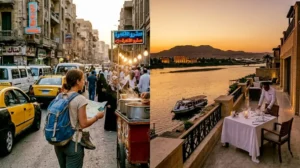
The district is also home to iconic social landmarks like Casino El Shatby. Do not be misled by the name; these “casinos” are historic seaside pavilions that host a variety of cafes and restaurants. For example, spots like Aroma Lounge and OPA offer diners front-row seats to the Mediterranean. Because these establishments sit directly over the water, they provide a unique sensory experience. You can enjoy fresh seafood or a traditional Egyptian tea while the waves literally crash beneath your feet. Indeed, enjoying a meal here is an essential part of the “Shatby experience.”

Practical Travel Tips for Your Shatby Visit

To ensure you make the most of your time in this diverse neighborhood, keep these practical logistics in mind:

  • Getting There: The Alexandria Tram (Blue Line) is the most scenic way to arrive. Simply hop off at the “Shatby” or “University” stops. Alternatively, Uber and Careem are highly reliable and affordable for direct trips from downtown.
  • Best Time to Visit: Aim for the late afternoon. This allows you to explore the Shatby Necropolis during daylight and reach the Bibliotheca Alexandrina before its evening programs, finishing with a sunset walk on the Corniche.
  • Photography: The best light for photographing the Bibliotheca’s granite walls is in the morning, while the Corniche and the Al-Shatbi Mosque are best captured during the “golden hour” just before sunset.
  • Combine Your Trip: Because Shatby is centrally located, it is easy to combine with a visit to the Mazarita district or a longer walk toward the Citadel of Qaitbay.

Conclusion: The Soul of Alexandria

Shatby represents more than a mere coordinate on a map; it stands as the physical manifestation of Alexandria’s identity. The district refuses to let a single era define it, drawing strength from ancient Greek roots, medieval spiritual guardians, and its modern status as an educational powerhouse. Ultimately, whether you descend into a Ptolemaic tomb or gaze at the futuristic curve of the Great Library, Shatby reminds us that knowledge and history form the city’s true foundations.

A comprehensive travel package covers the attractions of Cairo, Luxor, Aswan, Nile Cruise, Dendara & Abydos, & El-Fayoum oasis desert adventure....
Explore the vibrant cities of Cairo and Luxor, sail the Nile, and experience the breathtaking beauty of the White Desert....
FUN
God_Anubis_Icon

Cairo Day Trip

My day trip to Cairo was brilliant, and close to the best one-day experience of my life. Hani was an amazing ambassador for his city and country; his wealth of knowledge, courtesy, and good humour was awesome. The itinerary was perfect, I visited most of the famous landmarks as well

More »
Cairo belly dance show - Egypt Fun Tours

The BEST tour – a dream come true

I’ve been dreaming of going to Egypt since I was 7 years old. At 37, I finally made it. Even with the warnings that it’s not safe for Americans. Thankfully, Egypt Fun Tours quickly put any worry aside. Hamada, the owner, was recommended by a friend. He was our personal

More »

One of the best tours I have ever had!

I was thoroughly impressed by the professionalism of this tour company. I emailed to inquire about the Cairo layover tour about 30 hours before my flight was scheduled to leave from New York. I was pleasantly surprised to get a quick response confirming the tour and assuring that a guide

More »

Early Layover Tour in Cairo

My husband, 2 sons – aged 9 & 11 – and I landed in Cairo at 5:15am on Saturday 12 January 2013. We had booked an early layover tour with Egypt Fun Tours after reading the great reviews in TripAdvisor. As promised he and his driver awaited us in a

More »
God_Anubis_Icon

Top-rated Tour Packages

God_Anubis_Icon