Egyptian Culture: Ancient Roots & Modern Expression
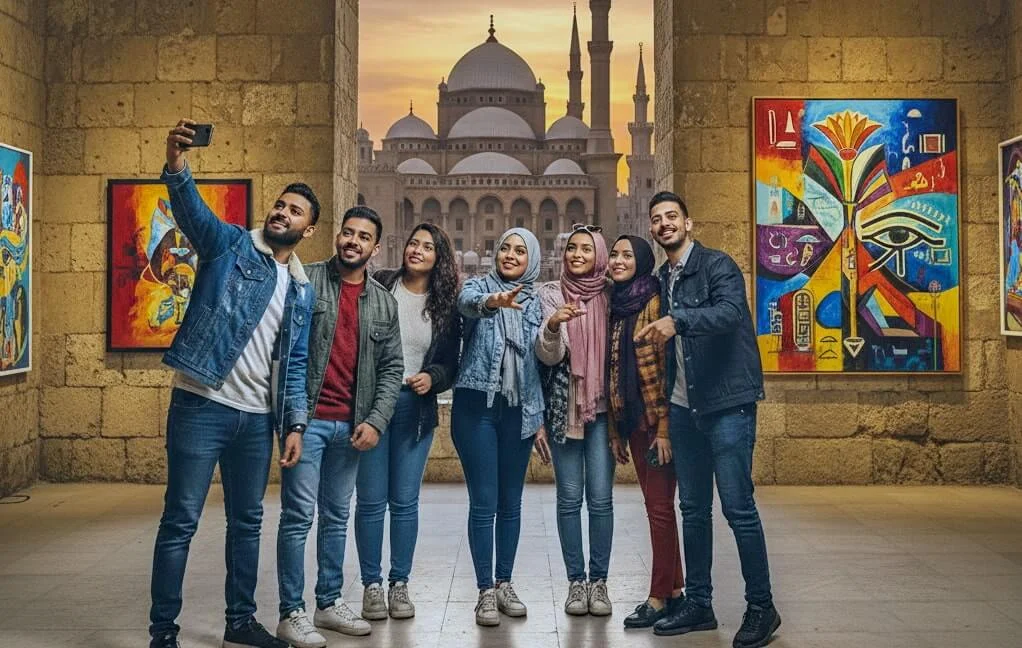
Modern Egyptian culture is a dynamic tapestry woven from threads of its ancient past, its long history as a center of the Islamic and Christian worlds, and contemporary global influences. This synthesis is what makes Egypt so unique and endlessly fascinating.
Arts, Entertainment, and Intellectual Life
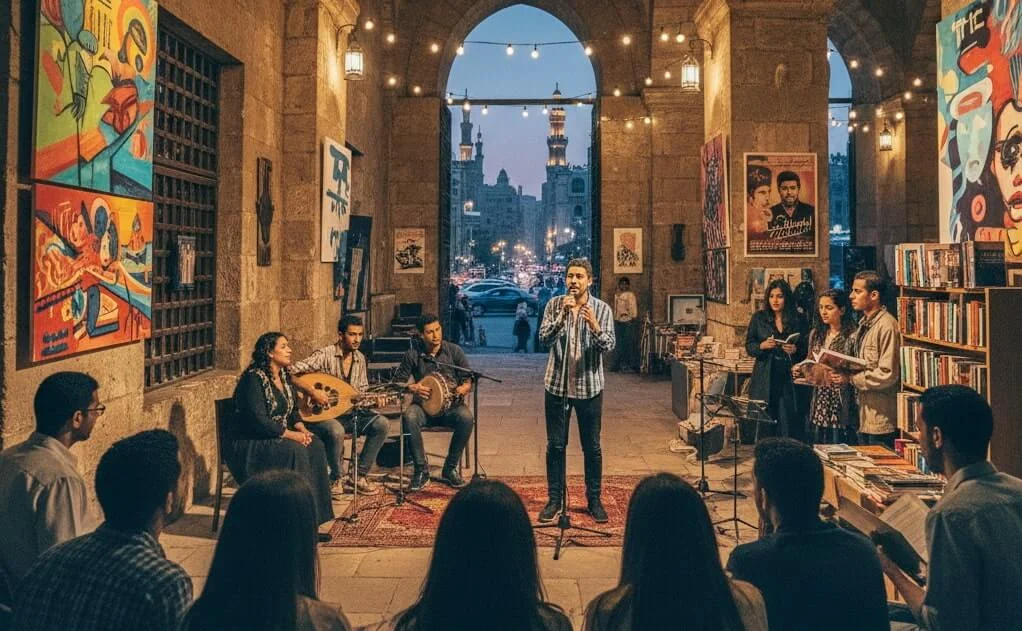
Egypt has long been a cultural and intellectual powerhouse in the Arab world, particularly in cinema, music, and literature.
Egyptian Cinema:
Often called the “Hollywood of the Middle East,” the Egyptian film industry has been producing movies since the early 20th century. Modern Egyptian films and TV dramas are hugely popular across the region and offer a window into contemporary Egyptian society, its challenges, and its humor. Watching a recent Egyptian film can be a profound way to understand modern life and social dynamics.
Music and Dance:
From the classic, soul-stirring sounds of legendary singers like Umm Kulthum to the energetic, electronic beats of modern Mahraganat music, Egyptian music is incredibly diverse. Traditional folkloric dances, like the mesmerizing “tanoura” (a whirling dervish dance), are often performed at cultural events and celebrations, connecting audiences with a spiritual and artistic heritage.
Visual Arts:
Contemporary art galleries are flourishing in Cairo, showcasing the work of modern Egyptian painters, sculptors, and photographers. These artists often explore themes of identity, social change, and the rich cultural history of their homeland, offering a critical and beautiful perspective on modern life.
Literature:
Egypt has produced literary giants like Nobel laureate Naguib Mahfouz, and its contemporary literary scene is vibrant. The annual Cairo International Book Fair is one of the largest in the world, a testament to the country’s enduring love affair with the written word.
Religion and Spirituality in Daily Life
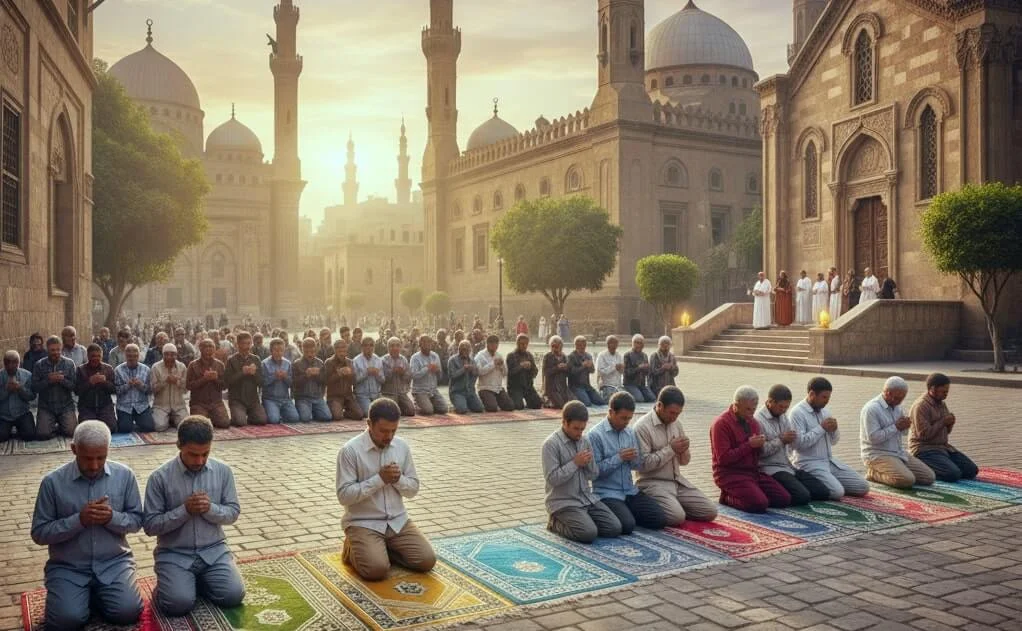
Religion today plays a significant role for most Egyptians. Islam is the majority religion, with a sizable Coptic Christian minority. The calls to prayer echo from mosques five times a day. Church bells also punctuate the day in Christian neighborhoods.
This deep-seated faith is a source of strength, community, and moral guidance. It is central to Egyptian culture. As a traveler, you can witness genuine devotion. You can also observe traditions that have shaped the culture for centuries. When you visit religious sites, dress respectfully. Be mindful of local customs. This is part of understanding Egyptian culture deeply.
Language and Social Etiquette
The official language is Modern Standard Arabic, but the spoken language is a distinct, lyrical dialect known as Egyptian Arabic. Learning a few key phrases will go a long way in making connections with locals.
- “Ahlan wa sahlan” (Welcome) and “shukran” (thank you) are essential.
- “Inshallah” (God willing) and “Ma’a as-salama” (go with peace) are common expressions that reflect the deep-rooted influence of religion on daily life.
In terms of social etiquette, a few things to keep in mind:
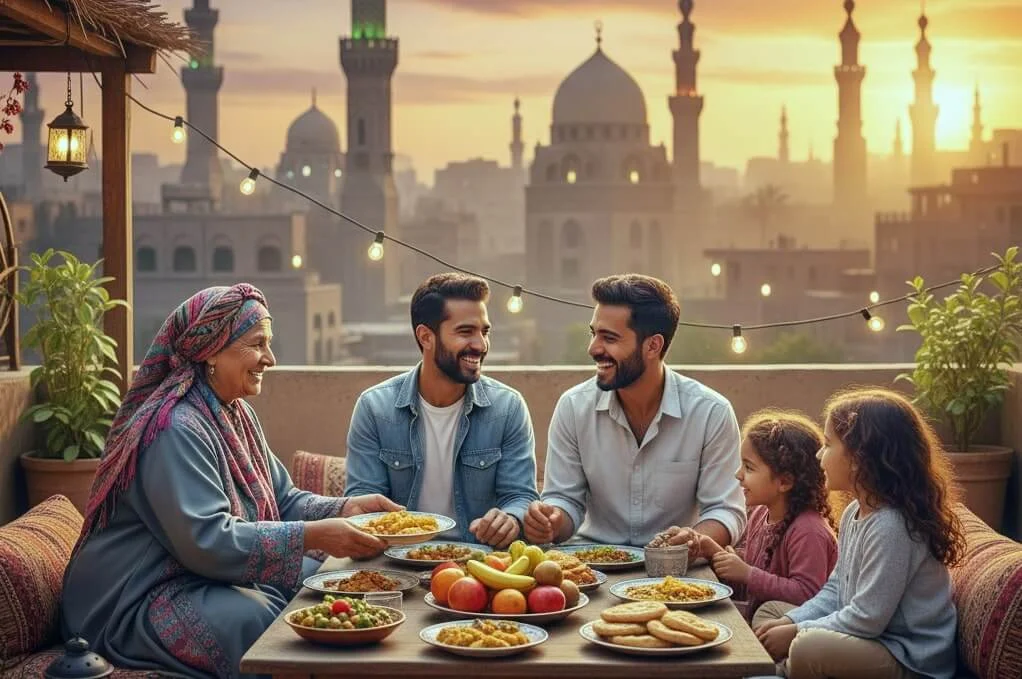
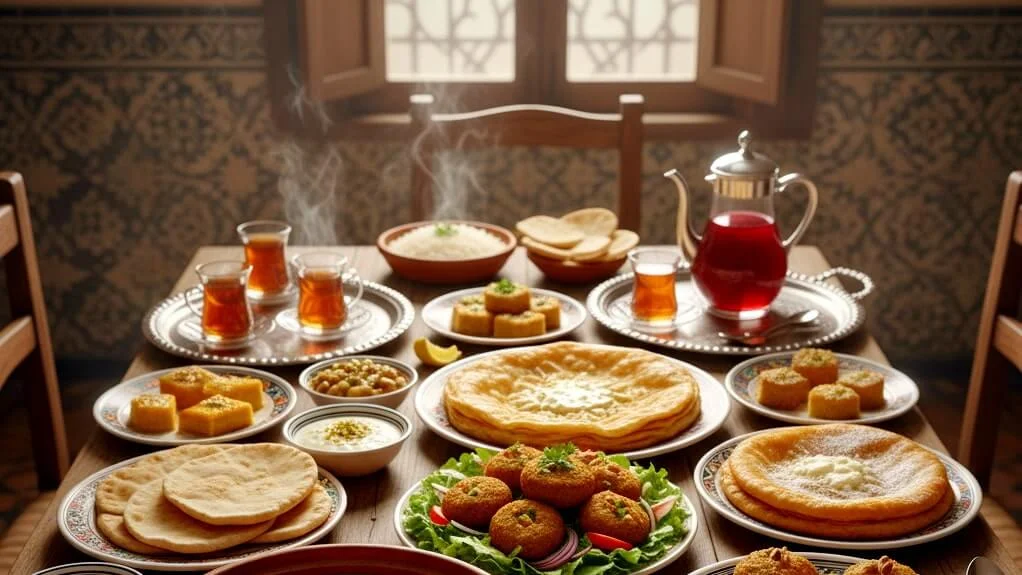
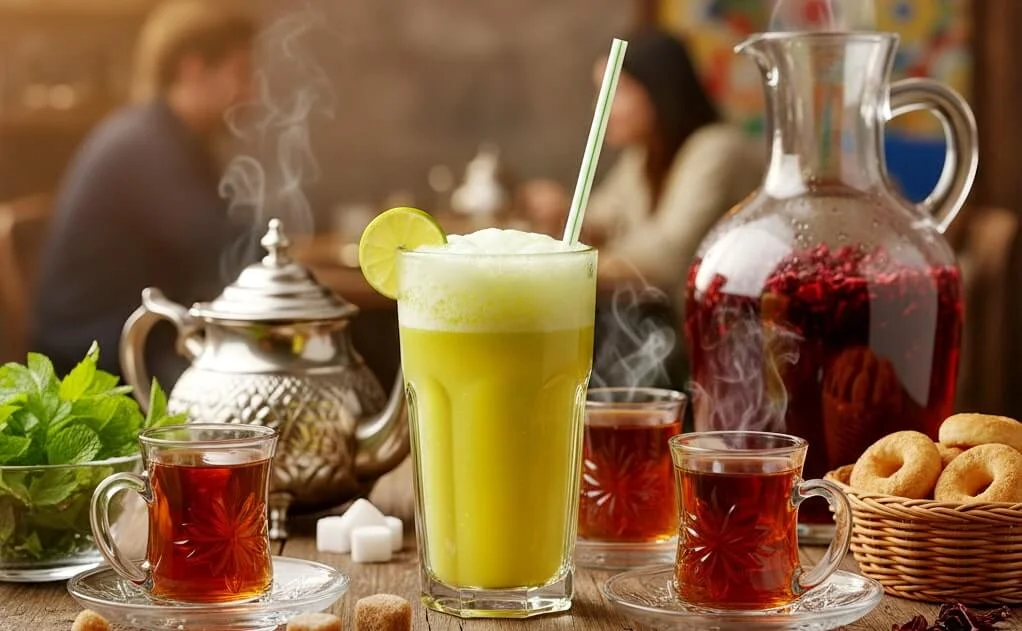
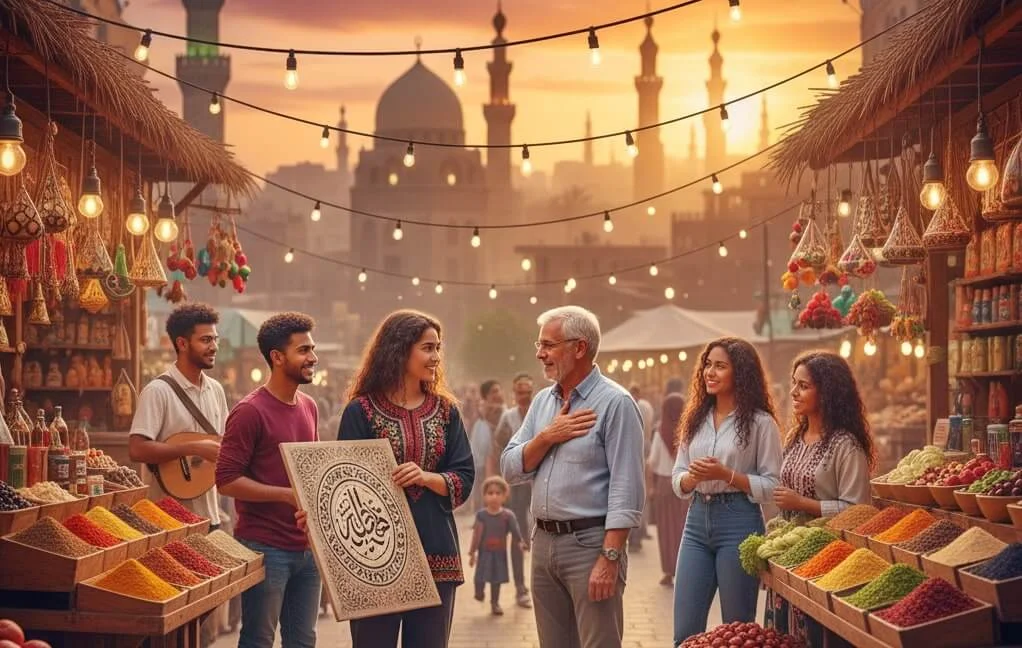
- Hospitality: Accepting an offer of tea or food is not just polite; it’s a sign of respect and an embrace of the culture. Refusals can sometimes be seen as a slight.
- Respect for Elders: Elders are highly respected, and it’s customary to greet them first and show deference.
- Dress Code: While Cairo is cosmopolitan, dressing modestly, especially in more conservative areas or when visiting religious sites, is a sign of respect. This applies to all people.