
The Giza Zoo: A Historic Journey Through Cairo’s Iconic Wildlife Park

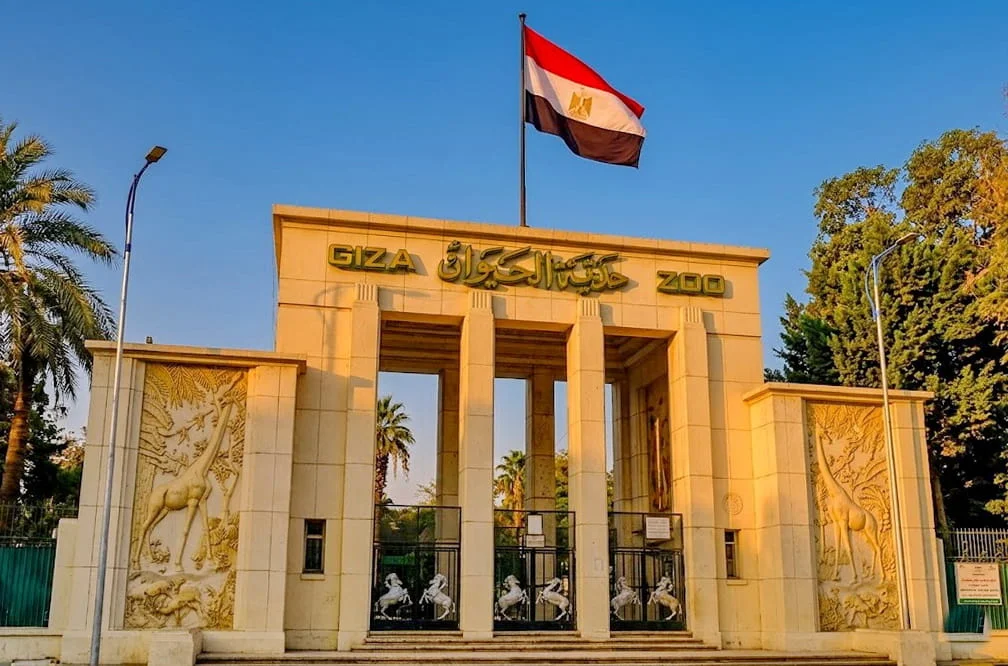
The Giza Zoo, established in 1891 and historically recognized as one of the oldest and most beautiful zoological gardens in Africa, is currently undergoing a comprehensive, multi-billion EGP redevelopment project. After decades of declining infrastructure and criticism regarding animal welfare—which led to the loss of its international WAZA accreditation in 2004—the zoo officially closed in July 2023 to modernize its facilities, transition to open-range habitats, and restore its status as a premier tourist attraction. While long cherished by Egyptians as a rare, accessible green space and a site of significant cultural memory, the ongoing transformation aims to align the park with 21st-century international standards, with a projected reopening expected following the extensive renovation efforts.
WhatsApp
Email
Print

Khedive Ismail established the Giza Zoo and opened its gates on March 1, 1891. The park covers roughly 50 feddan, or 51 acres, of land. This space once formed part of the historic Harem gardens. Ismail imported unfamiliar plants from South America, Africa, and India to beautify the area. For example, a banyan tree stands there, which workers planted in 1871. Initially, the zoo’s collection included 180 birds and 78 other species. Ismail acquired all these animals from his private menagerie.

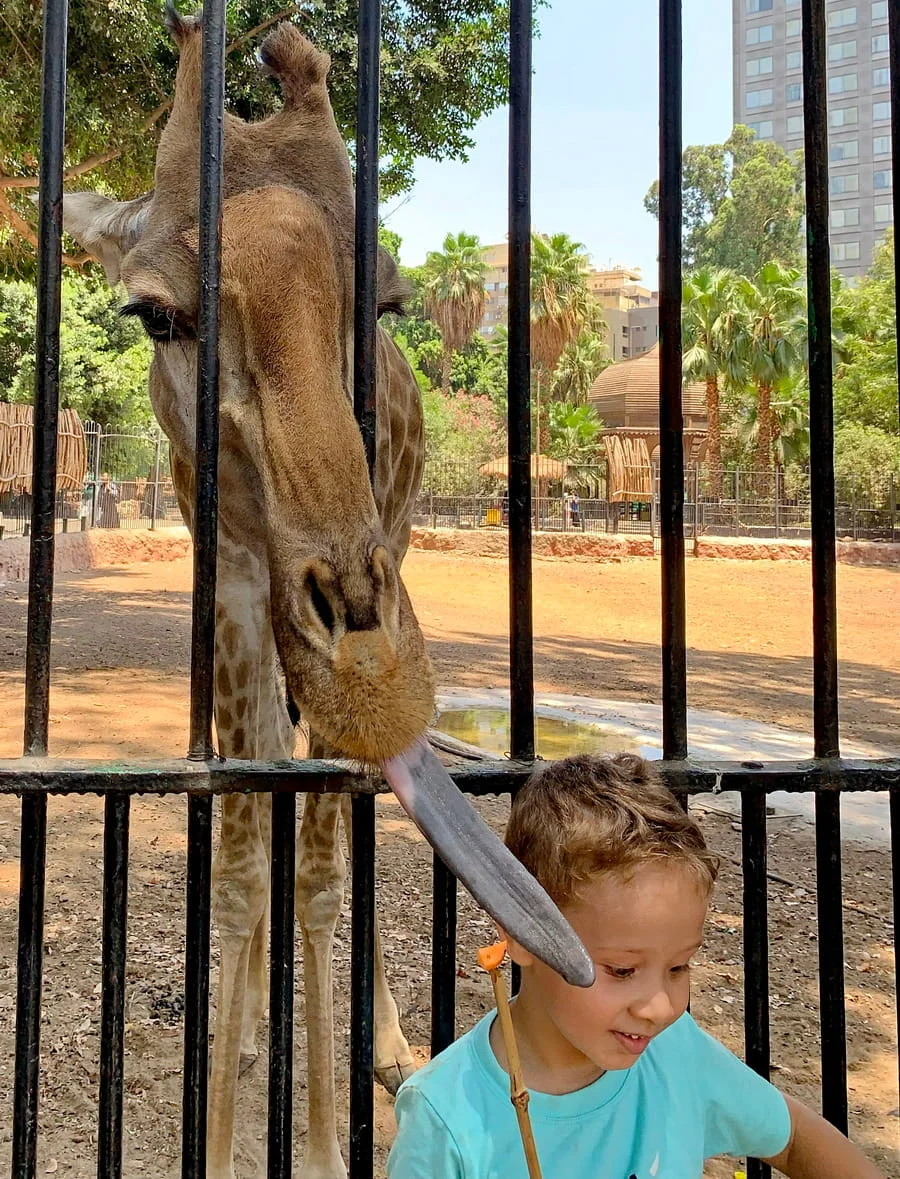
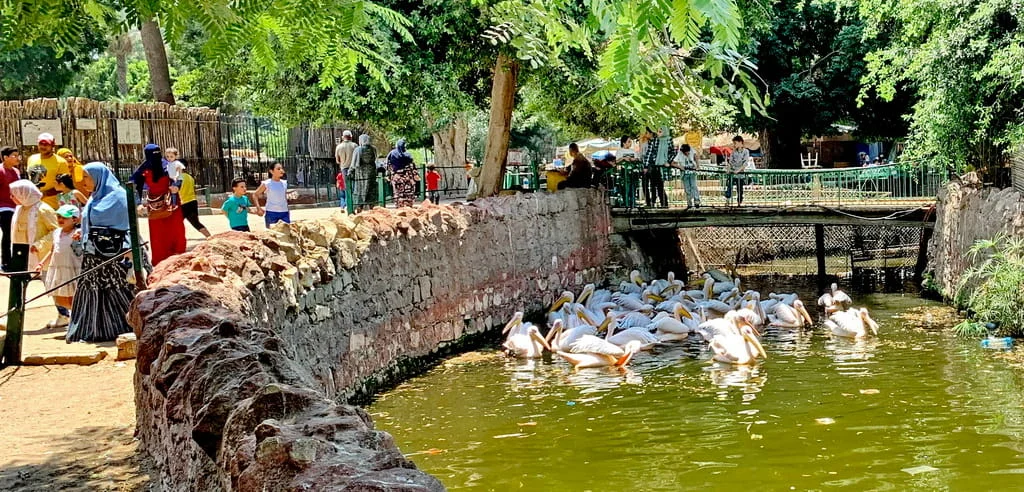
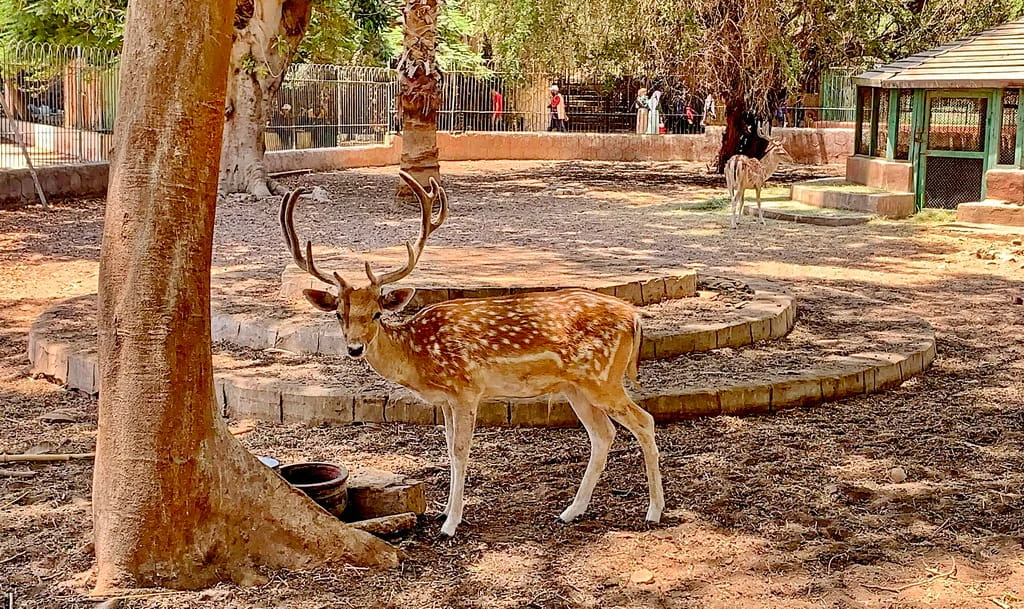
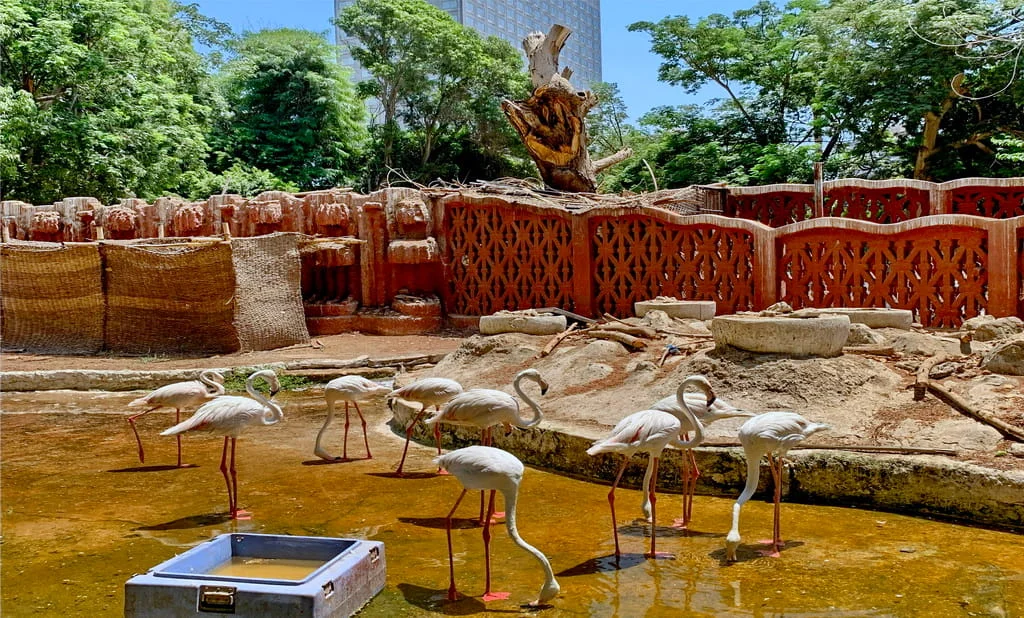
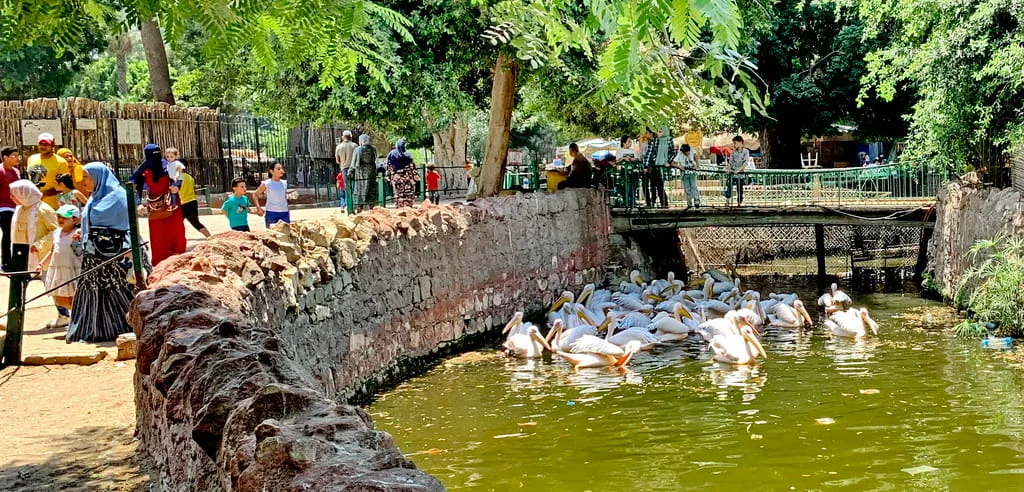
The Giza Zoo remains one of Egypt’s most popular tourist attractions. Every day, hundreds of schoolchildren visit from outside the city. Additionally, Cairo schools organize weekly trips to the park. Visitors consistently enjoy viewing the diverse collection of birds, reptiles, and mammals.

The eye of Horus

Architectural Layout and Iconic Features

Architectural Layout and Iconic Features

The Giza Zoo features a unique topography and creative landscaping. Designers divided the grounds into five distinct mountainous sections. Citadel Hill, constructed in 1867, serves as the largest section. A small park encircles its plateau, and guests reach it via a picturesque spiral walk. This area displays historic statues of the Fayoum rhinoceros, crocodiles, and various extinct bird species.

The zoo offers several other impressive features:

  • Intricate Landscapes: The grounds feature plant-covered walkways, diverse streams, and a central resting hall.
  • Water Features: Water flows into cascades that feed a lake. Two islands sit in the lake, and a traditional wooden bridge connects them.
  • Innovative Engineering: Streams pass through caverns decorated with hanging white coral reefs.
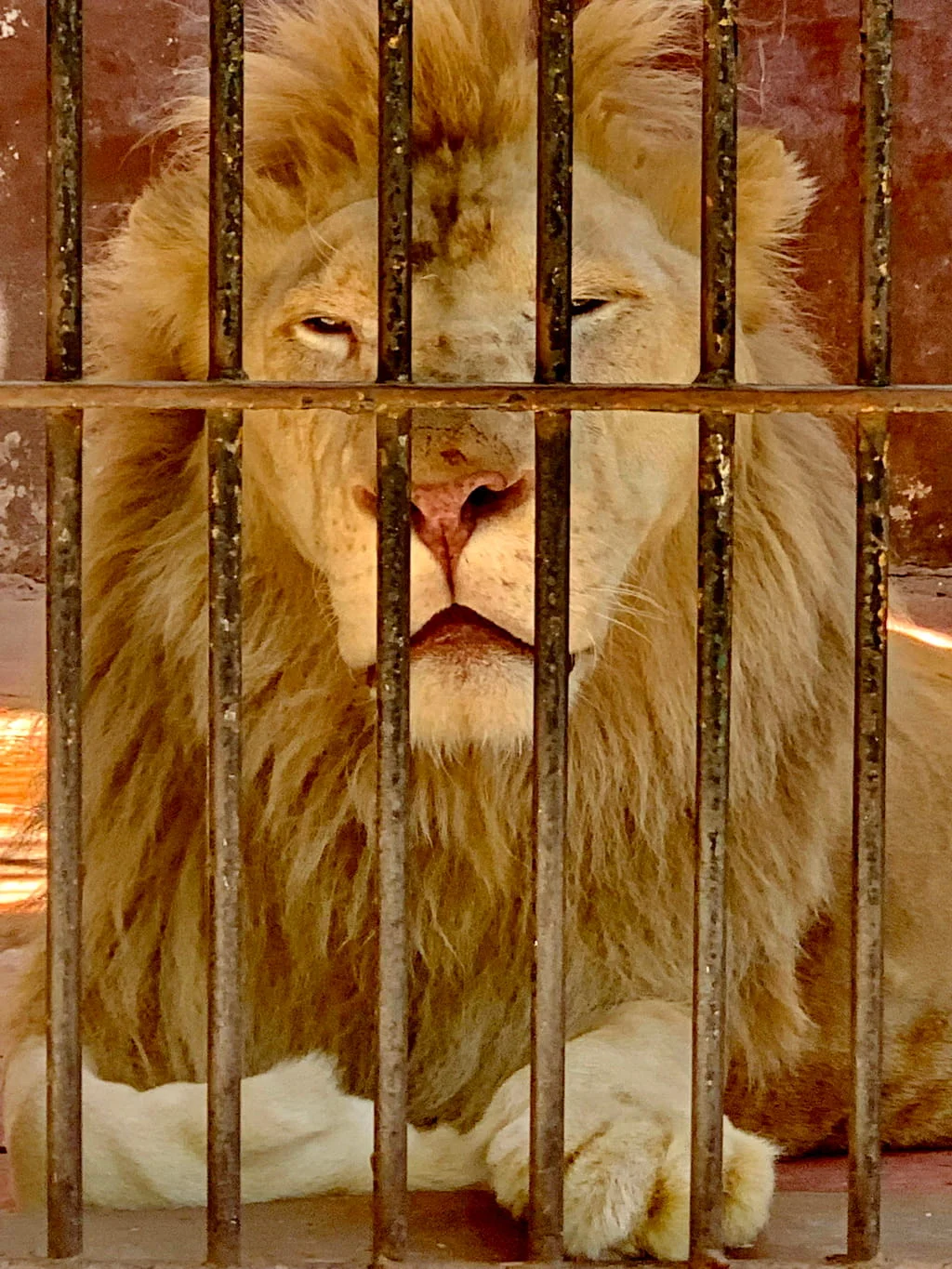
  • Unique Structures: Two artificial hills sit in front of the lions’ exhibit. A unique iron-suspended bridge connects these hills, representing the only structure of its kind in Egypt.
  • Artistic Details: Artisans placed many cement and pebble sculptures of birds and reptiles throughout the garden.
Golden Scarab

Scientific Research and the Museum

Scientific Research and the Museum

The Giza Zoo acts as more than a public park; it also serves as a center for natural history. Officials established the on-site museum in 1906. Three large rooms house vast collections of embalmed birds, reptiles, fish, and mammals. Furthermore, significant skeletal specimens reside in this collection. Two additional halls display further biological diversity. An embalming facility sits conveniently behind the museum.

Beyond these exhibits, the zoo supports experts who study animal and avian behavior. Additionally, five non-governmental organizations operate programs within Egypt. These groups promote environmental awareness and encourage the protection of wild animals.

Wildlife Conservation Initiatives

Wildlife Conservation Initiatives

The Giza Zoo displays a significant array of African wildlife. Importantly, the zoo provides a sanctuary for species that are currently extinct in the wild within Egypt. These species include mountain goats, rams, Egyptian gazelles, and herons. The management maintains long-term plans to support the reintroduction of these animals into their natural habitats.

Visitor Information

  • Address: Oula, Giza District, Giza Governorate
  • Phone: +202 35708895
  • Capacity: The zoo cares for 175 species and 6,000 total animals.
  • Status: The government announced a closure for renovations in December 2022. Consequently, the Giza Zoo remains closed to the public as of July 2025.

The Legacy of Islamic Medieval Cairo: A City of a Thousand Minarets

Islamic Medieval Cairo, a UNESCO World Heritage site, represents the densest and most spectacular collection...
Related post
The eye of Horus

Giza Zoo: The Impact of the Renovation

Giza Zoo The Impact of the Renovation

The ongoing redevelopment of the Giza Zoo represents the most significant transformation in its 135-year history. Launched in 2023, the multi-billion Egyptian pound project aims to modernize the facility, restore its historical integrity, and regain international accreditation.

Modernizing for International Standards

The zoo is shifting from traditional cage-based exhibits to an open-range model that prioritizes animal welfare according to global standards. Key improvements include:

  • Expanded Ecosystems: The zoo is being reorganized into continental segments—Africa, Asia, and America—to better reflect the natural habitats of the animals.
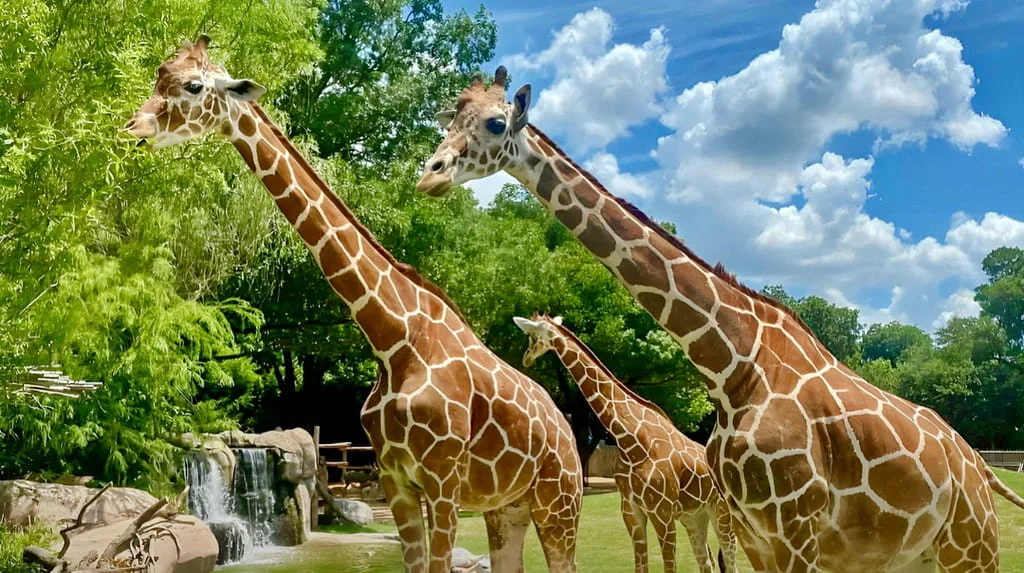
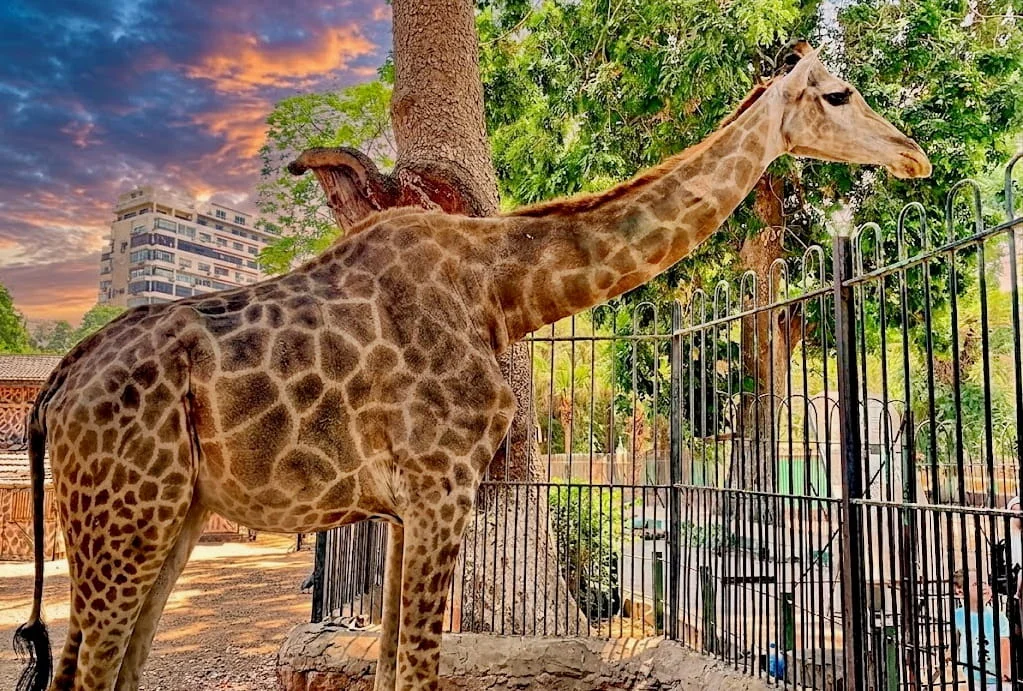
  • New Wildlife Additions: To enhance biodiversity, the project includes the introduction of hundreds of new animals, such as Asian elephants and giraffes.
  • Advanced Care Facilities: The renovation introduces modern veterinary clinics, specialized nutrition systems, and professional training for staff to ensure top-tier animal husbandry.

Giza Zoo: Preserving Heritage and Enhancing Experience

Giza Zoo Preserving Heritage and Enhancing Experience

While modernization is a priority, the project maintains a strict focus on preserving the zoo’s historic identity.

  • Restoration of Landmarks: Authorities are meticulously restoring iconic structures, including the Eiffel Suspension Bridge, the Japanese Kiosk, the Royal Rest House, and various historic grottos.
  • Landscape Conservation: Over 5,000 historic trees are being protected throughout the construction process.
  • Technological Integration: The zoo is undergoing a digital transformation to include smart security systems, electronic ticketing, and interactive educational platforms.
  • Enhanced Connectivity: A new tunnel and other pathways will integrate the Giza Zoo with the neighboring Orman Botanical Garden, creating a vast, unified green space for visitors.

Ultimately, these efforts aim to turn the Giza Zoo into a globally competitive wildlife attraction that blends its 19th-century charm with 21st-century technology and entertainment, such as new “Heritage Nights” light shows.

Khan el-Khalili Bazaar: The Ultimate Expert Guide to Cairo’s Living Souq

Khan el-Khalili Bazaar is one of the world's most famous historic markets, located in the...
Related post
Golden Scarab

The Botanical Significance of the Giza Zoo

The Botanical Significance of the Giza Zoo

The Giza Zoo holds immense botanical value, often overshadowed by its animal inhabitants. Originally designed as a botanical garden, the grounds feature rare plant species and cacti from across the globe.

  • Historical Plantings: Khedive Ismail personally imported many rare trees and plants, including a magnificent banyan tree planted in 1871, which remains a landmark today.
  • Diverse Flora: The park’s layout incorporates a wide variety of trees, shrubs, succulents, and climbing plants, creating a lush, forest-like environment in the heart of the city.
  • Educational Potential: These gardens act as a living classroom, allowing visitors to observe and study diverse plant forms that are otherwise rare in Egypt’s desert climate.

Visitor Tips: Planning Your Future Visit

Although the zoo is currently undergoing extensive renovations, these tips will be invaluable once the park reopens to the public.

  • Timing Your Visit: To avoid the large crowds and noise from local vendors, aim to visit early in the morning.
  • Preparation: The park is massive and requires significant walking; comfortable footwear is essential.
  • Guided Services: While many employees are helpful, exercise caution when selecting a guide or a photographer for your visit.
  • Dining: Since onsite restaurant options can be limited, consider bringing your own snacks and water to ensure a comfortable experience.
  • Transportation: The most efficient way to reach the zoo from the city center is by booking a taxi or an Uber.

Explore Egypt’s Coptic Heritage at the Civilization Museum (NMEC)

Journey into the fascinating era that bridges the gap between the pharaohs and Islamic Egypt....
Related post
The eye of Horus

The Role of Education and Conservation

The Role of Education and Conservation

The Giza Zoo serves as a vital pillar for environmental education in Egypt.

  • Community Engagement: The zoo frequently hosts school trips, introducing students to the importance of wildlife preservation and biodiversity.
  • Research Hub: Beyond public recreation, the site functions as a research facility where experts study animal behavior and avian biology.
  • Advocacy: Several non-governmental organizations collaborate with the zoo to run campaigns that raise awareness about the protection of wild animals in Egypt.

Understanding the Renovation Vision

Understanding the Renovation Vision

The ongoing modernization efforts reflect a shift toward global standards of animal welfare and sustainable design.

  • Animal Welfare: The zoo is transitioning from traditional cage-based exhibits to open-range, naturalistic habitats that better simulate the animals’ original environments.
  • Global Connectivity: The revitalized zoo aims to join the ranks of the world’s leading zoological parks by partnering with international research institutions and universities.
  • Cultural Legacy: The project is meticulously preserving historic landmarks, such as the Eiffel-designed iron bridge and various 19th-century grottos, ensuring the zoo’s unique architectural heritage remains intact.

Giza Zoo: The Influence of European Landscape Architecture

Giza Zoo The Influence of European Landscape Architecture

It stands as a prime example of 19th-century European landscape design adapted for the Egyptian climate.

  • A “Garden City” Aesthetic: The park reflects the Victorian passion for creating “naturalistic” spaces within urban environments.
  • The Influence of the Khedivial Era: Khedive Ismail utilized French and Italian design principles to modernize Cairo, and the zoo serves as a testament to this period of international architectural exchange.
  • The Role of Artificiality: The heavy use of grottos, artificial hills, and decorative cascades was intentional, designed to transport the visitor from the dusty reality of Cairo into an idealized, lush landscape.

In Popular Culture and Cinema: Giza Zoo

This Zoo has long been a fixture in the Egyptian imagination, often serving as a backdrop for local films and literature.

  • A Symbol of Family Tradition: For generations of Egyptians, the zoo has functioned as a quintessential family destination, making it a powerful symbol of national childhood nostalgia.
  • Cinematic Landmark: The zoo’s unique architecture, particularly the historic suspension bridge and the Japanese Kiosk, frequently appears in classic Egyptian cinema, cementing its status as a cultural icon.
  • A Living Record: Through its history of hosting visitors and its evolution alongside the city, the zoo acts as a “living record” of Cairo’s urban development over the last century.
God_Anubis_Icon
Giza pyramids Tours - Egypt Fun Tours

Thanks to egypt fun tours!

Thank u Hani for the enlightening tour of Giza and Saqqara. Thank u also for the great recommendation – Felfela – which we enjoyed a lot. returning the commission u got at the papyrus shop was something we didn’t expect and truly appreciate. shookran!

More »

A great day!!!!

Thank you Hamada for an incredible day! Thank you for the stories and the history, you are so knowledgeable and we didn’t feel rushed at all or like we missed out on things, will definitely be recommending this tour to everyone 🙂

More »

11 Wonderful Hours in Cairo

I had an 11 hour layover in Cairo, and it couldn’t have been better spent than with Manal from Egypt Fun Tours. I was able to adjust my tour once we left the airport and Manal had some really great suggestions when I told her what it was I wanted

More »

Jeep Safari in the Sahara

I contacted Hani two days before I went to Egypt and asked him if it was possible to combine two of their tours as we were short on time. We had planned to stay in Cairo but with the uprising we decided it would be safed outside of the hot

More »

Big tick off our bucket list!

Booked the evening before and were able to do everything we hoped to in a day, with a knowledgeable guide & at a reasonable price! Lunch was included and absolutely delicious! Learnt about the history of Egypt, which was the most important part of sightseeing in Cairo/Giza. Hamada also gave

More »
God_Anubis_Icon

Top-rated Tour Packages

God_Anubis_Icon
WhatsApp
Email
Print