God Amun
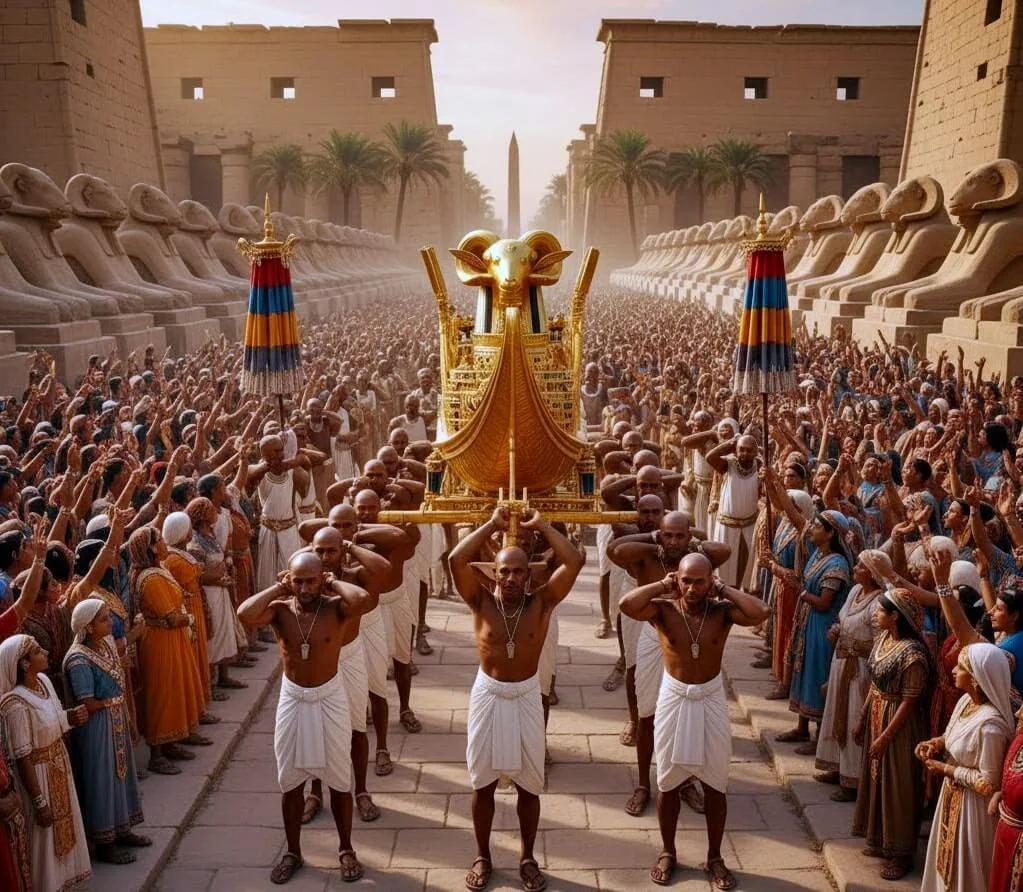
The Hidden One Revealed: A Comprehensive Guide to the God Amun. Amun, whose name means “the hidden one,” rose from a local Theban deity to become the king of the gods, Amun-Ra. His power was centered at the vast Karnak Temple, and his worship spread across Egypt and beyond. He remains a key figure in understanding ancient Egyptian power and belief.
The Rise of a Supreme Deity
Ancient Egyptian mythology is a complex tapestry of gods and beliefs. Few deities achieved the supreme status of the god Amun. Amun, whose name means “the hidden one,” began as a local deity in Thebes. Over time, his influence grew. He became one of the most powerful gods in the Egyptian pantheon. His rise to prominence reflects the political and religious changes of the New Kingdom.
God Amun: Origins and Theban Roots
Amun’s story starts in the city of Thebes. He was originally a minor local deity of the air and fertility. His importance grew alongside the city itself. When the Theban pharaohs came to power in the Middle Kingdom, they elevated their local god. Amun became a national deity. He represented the royal family’s power. His worship spread across Egypt.
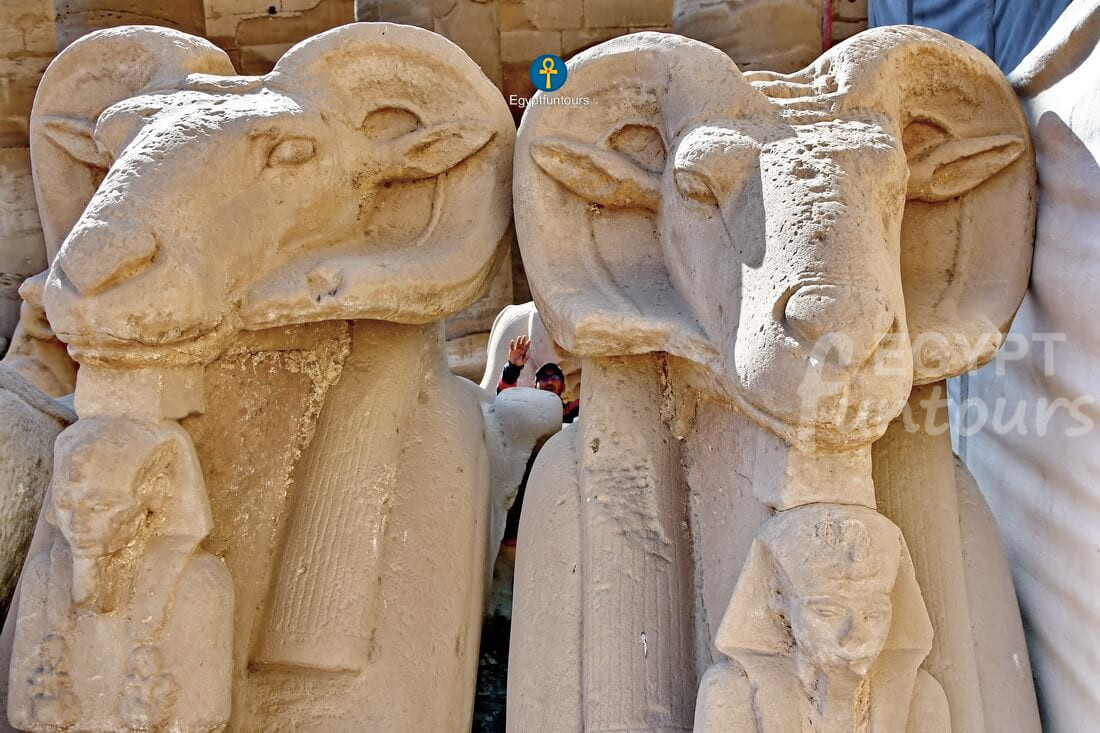
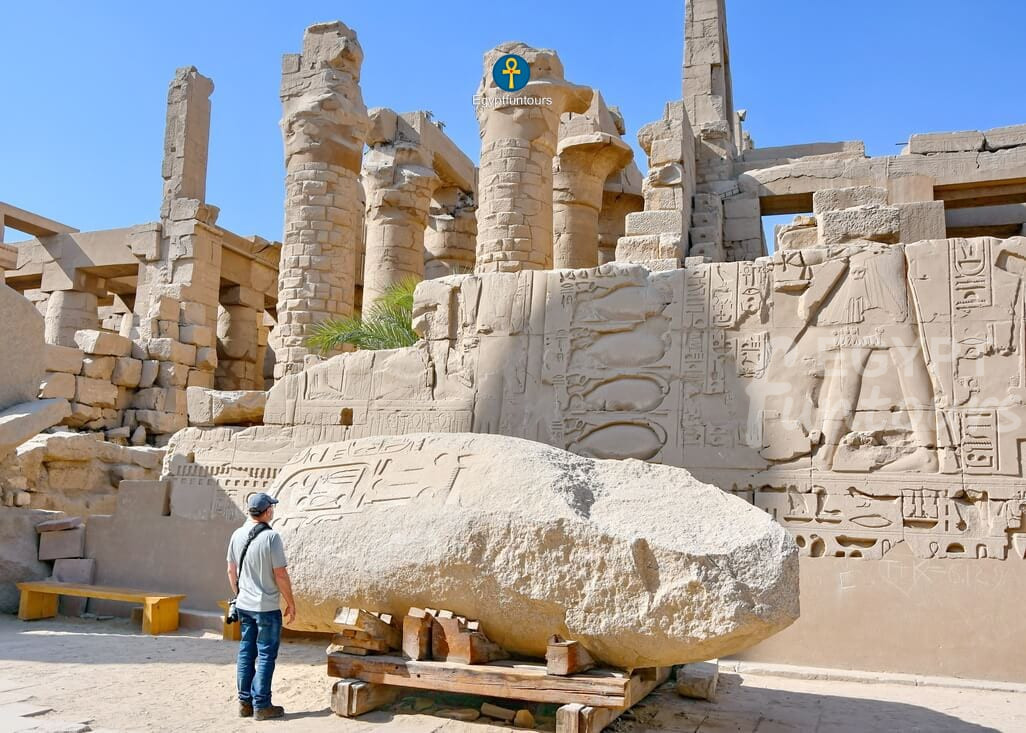
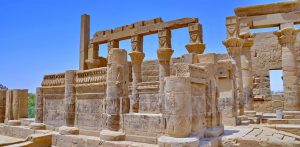
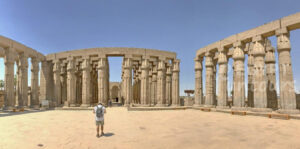
Thebes became the religious capital of Egypt. Amun’s temple, Karnak, grew into a massive complex. It was the largest religious building in the world. Priests of Amun held immense power and wealth. They managed vast land holdings. They influenced royal policy. Amun’s rise was a story of a local god becoming a universal king.