

Egypt’s Bronze Shield: The Life and Career of an Egyptian Soldier

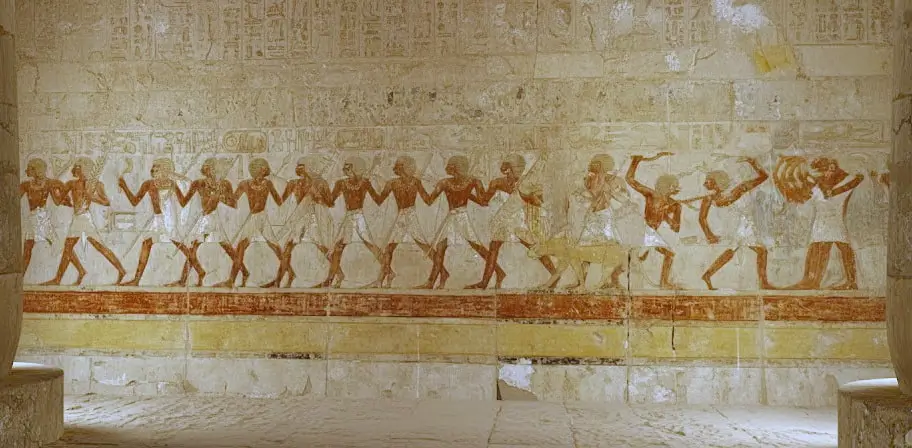
We see them marching in eternal processions on temple walls, but who was the ancient Egyptian soldier? This summary delves into the human experience of military life, examining the journey from a nefer (recruit) to a seasoned veteran. It covers the bonds of brotherhood, the logistics of rations and pay, the terror of the battlefield, and the social mobility that a successful career could offer. This is the story of the loyalty, sacrifice, and ambition of the men who served the god-king.
WhatsApp
Email
Print

Most men in ancient Egypt were farmers, tied forever to the land. However, a different path offered a rare chance at wealth, status, and glory. This was the life of an Egyptian soldier. This career was a respected and vital role in the Ancient Egyptian Jobs hierarchy. The army was a professional, state-funded force. Its soldiers did more than just fight. In peacetime, they also managed the state’s massive building projects. They were, in every sense, Egypt’s bronze shield.

Recruitment: Choosing the Soldier’s Life

The state drafted farmers for temporary labor. Joining the army, however, was a voluntary, long-term career. Why would a man choose this dangerous path? The life of an Egyptian soldier offered one of the few ways to move up in society.

A farmer’s son could escape a grueling life in the fields. A second son with no land to inherit could make his own fortune. Military service was a direct path to the pharaoh’s favor. With that favor came the potential for riches and a new life. Many soldiers also came from military families. They simply followed their fathers into service.
The eye of Horus

The Training: Forging a Bronze Shield

The Training; Forging a Bronze Shield

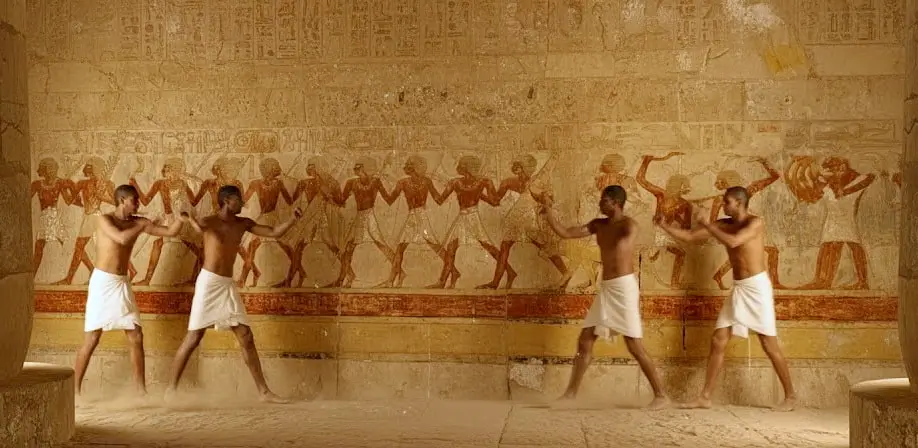
The transition from civilian to soldier was brutal. Recruits faced endless physical conditioning. This built the strength and endurance needed for long marches and combat.

  • They ran, wrestled, and marched for miles under the desert sun.
  • Recruits also spent months on weapon drills.
  • They practiced with spears and shields.
  • They learned to move as a single, unified block.

Archers, a key part of the army, practiced endlessly. They had to master the powerful composite bow. Discipline was extreme. The goal was to forge a tough, obedient, and professional force that would not break in battle.

Golden Scarab

The Soldier’s Toolkit: Ancient Egyptian Weaponry

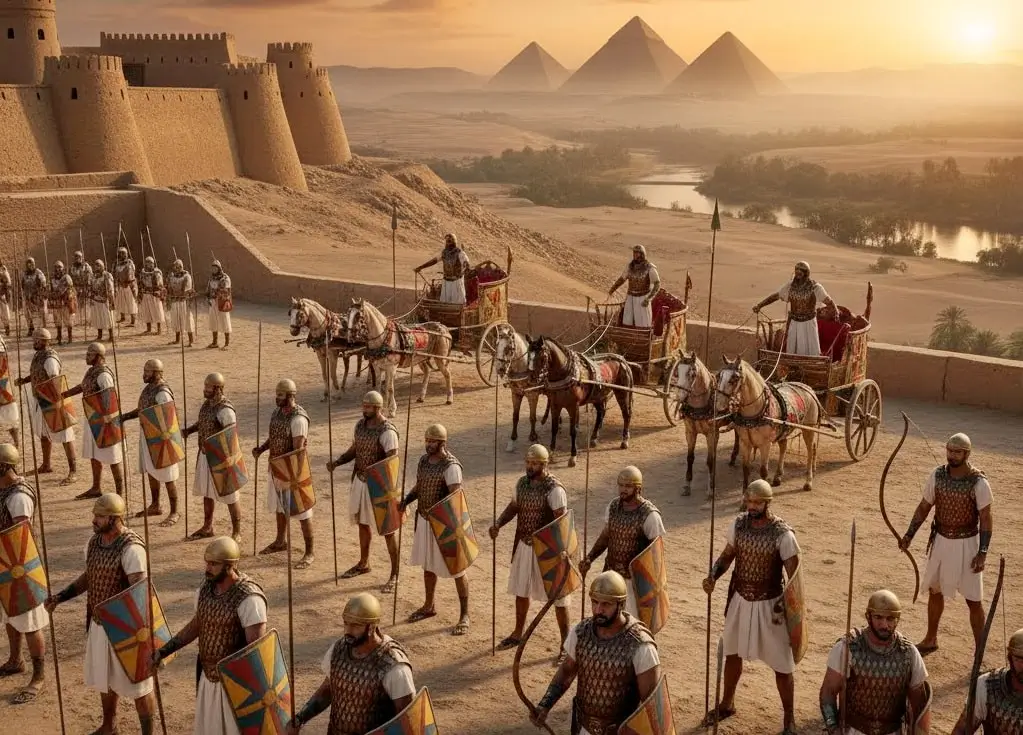
A soldier’s gear depended on his specific role. The army used a combined-arms approach with specialized units. The life of an Egyptian soldier meant mastering one of these toolkits:

  • Spear and Shield: This was the most common setup. Infantrymen carried a long wooden shield with a rawhide cover. They also used a spear with a sharp bronze tip.
  • Bow and Arrow: Archers were critical to the army. They used the powerful composite bow to rain arrows on the enemy from a distance.
  • Khopesh: This was the famous Egyptian sickle-sword. Its curved, bronze blade was a fearsome chopping weapon for close-quarters combat.
  • War Chariot: This was the ancient world’s “tank.” The chariot corps was the army’s elite, fast-moving strike force. It was crewed by a driver and an archer.

The Profound Egyptian Influence on Greek Civilization

Egypt profoundly influenced ancient Greek civilization in various aspects. Key influences include religious syncretism, with...
Related post
The eye of Horus

A Soldier’s Two Roles: Defense and Labor

A Soldier's Two Roles; Defense and Labor

The life of an Egyptian soldier involved two primary functions. One was for war, and the other was for peace.

Defending the Two Lands (National Defense)

The soldier’s main job was to protect Egypt’s borders. He also had to project the pharaoh’s power.

Soldiers crewed massive, mud-brick border fortresses in Nubia and the Sinai. They marched with the pharaoh on foreign campaigns. They also acted as a national police force to quell internal rebellions.

Overseers of the King’s Work (Labor Projects)

What did a soldier do during peacetime? He became a manager for Egypt’s great labor force.

Their discipline and organization made them the perfect overseers. An Egyptian soldier would supervise the drafted farmers at Giza or Karnak. They also guarded valuable mining expeditions in the remote deserts. They ensured the work was done efficiently and on schedule.

Ancient Agriculture in the Northern Oasis: How Qanats Powered Rome

Ancient engineers transformed Egypt’s harsh desert depressions into flourishing agricultural hubs through the sophisticated implementation...
Related post
Golden Scarab

The Rewards of Service: Plunder, Land, and Status

The risks of a soldier’s life were great. The rewards, however, were even greater. This system turned the army into a loyal and motivated force. A successful life of an Egyptian soldier led to many rewards:

  • Share of Plunder: After a successful battle, the pharaoh distributed “booty.” A brave soldier could receive gold, silver, cattle, weapons, or even captives.
  • Land Grants: This was the ultimate retirement plan. The pharaoh often rewarded a distinguished soldier with his own plot of fertile land. This grant even came with servants (captives from the war) to work it.
  • Social Status: A land grant lifted a soldier and his family out of the peasant class. He joined the respected class of landowners. He could retire with wealth, status, and the king’s favor.

Merchants and Traders: How Ancient Egyptian Trade Thrived on Barter

Discover how ancient Egyptian trade flourished without a single coin. Learn about the deben, the...
Related post
The eye of Horus

Walk the Ramparts of History

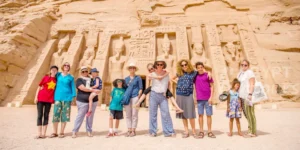
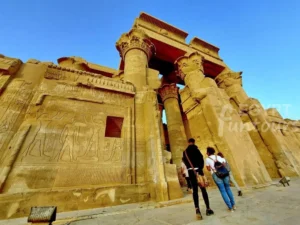
Do you want to see the world of the Egyptian soldier? With Egypt Fun Tours, you can visit the massive border forts that once guarded the empire. You can stand before the temple walls at Karnak and Abu Simbel. These walls show epic carvings of pharaohs leading their armies. Our expert guides will bring the story of Egypt’s bronze shield to life.

God_Anubis_Icon

Great layover tour

First things first…I was in Cairo about a week before the protests of 2011 started. As far as the tour was concerned, I was very pleased. I was met at the airport by a knowledgeable guide (Sara) who spoke great English and a driver. They took me to Giza first,

More »

Egypt Fun Tours – Does it All!

My husband and I visited Egypt in March 2013. First, let me say, ‘Go, go, go!’ – it’s safer and definitely friendlier than many places we’ve visited. Tourism is drastically down – thanks mostly to media misinformation – so it’s a great time to visit to avoid line-ups and crowds

More »

Big tick off our bucket list!

Booked the evening before and were able to do everything we hoped to in a day, with a knowledgeable guide & at a reasonable price! Lunch was included and absolutely delicious! Learnt about the history of Egypt, which was the most important part of sightseeing in Cairo/Giza. Hamada also gave

More »

Jeep Safari in the Sahara

I contacted Hani two days before I went to Egypt and asked him if it was possible to combine two of their tours as we were short on time. We had planned to stay in Cairo but with the uprising we decided it would be safed outside of the hot

More »

One of the best tours I have ever had!

I was thoroughly impressed by the professionalism of this tour company. I emailed to inquire about the Cairo layover tour about 30 hours before my flight was scheduled to leave from New York. I was pleasantly surprised to get a quick response confirming the tour and assuring that a guide

More »
God_Anubis_Icon

Top-rated Tour Packages

God_Anubis_Icon
WhatsApp
Email
Print