The Theology of the Royal Ka: The Secret of the Temple of Luxor

Defining the “Ka” in the Temple of Luxor
To understand the Temple of Luxor, one must understand the Egyptian soul. The Egyptians believed the soul had several parts. The Ka was the “double” or the life force. Every human had a Ka, but the Pharaoh possessed a special “Royal Ka.” This divine spirit passed from one king to the next. The Temple of Luxor was the specific geographic location where this divine spirit resided. Therefore, the temple was not just a building; it was a battery for the king’s power.
The Mystery of the Divine Birth
On the walls of the inner sanctuary in the Temple of Luxor, there are unique scenes of a “Divine Birth.” These reliefs claim that the god Amun-Ra took the form of the Pharaoh’s father to conceive the king. By carving these images in the Temple of Luxor, the Pharaoh proved his blood was divine. Consequently, any political rival would be seen as fighting against the gods themselves. This made the Temple of Luxor the ultimate tool for political propaganda.
Rejuvenation Through the Opet Festival
During the Opet Festival, the human king entered the Temple of Luxor to “recharge” his Royal Ka. He would stand before the statue of the god in the dark sanctuary. In this moment, the human man and the divine spirit became one. When he walked out of the Temple of Luxor, he was no longer just a man; he was a living god. This ritual was essential for the stability of Egypt. If the king did not visit the Temple of Luxor, the people believed the Nile would stop flowing, and the sun would stop rising.
The Transformation of the Pharaoh’s Image
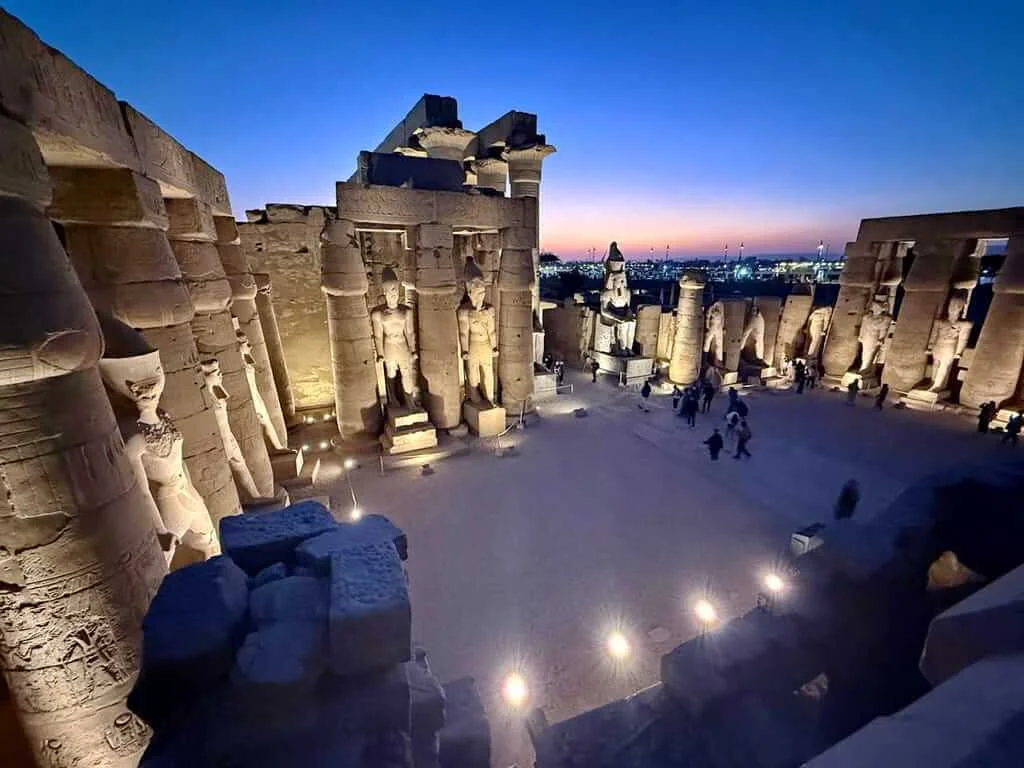
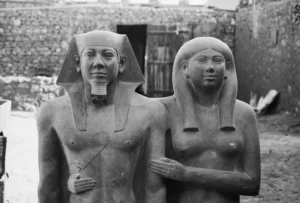
If you look at the statues at the Temple of Luxor, you will notice they look idealized. They do not show wrinkles or age. This is because they represent the Royal Ka, which is eternally young and perfect. Even when a king like Ramesses II was eighty years old, his statues at the Temple of Luxor showed a muscular, youthful man. This was not vanity; it was a theological requirement. The Temple of Luxor served as a mirror reflecting the king’s immortal side.
The Role of the High Priest
Only a few people were allowed into the deepest parts of the Temple of Luxor. The High Priest of Amun played a vital role in the Ka rituals. He would purify the king with sacred water and incense. These ceremonies were performed in total silence. Today, when you walk through the quiet halls of the Temple of Luxor at night, you can still feel the weight of this ancient secrecy.
Cultural Continuity: The “Moulid” of Abu Haggag

A Modern Opet Festival
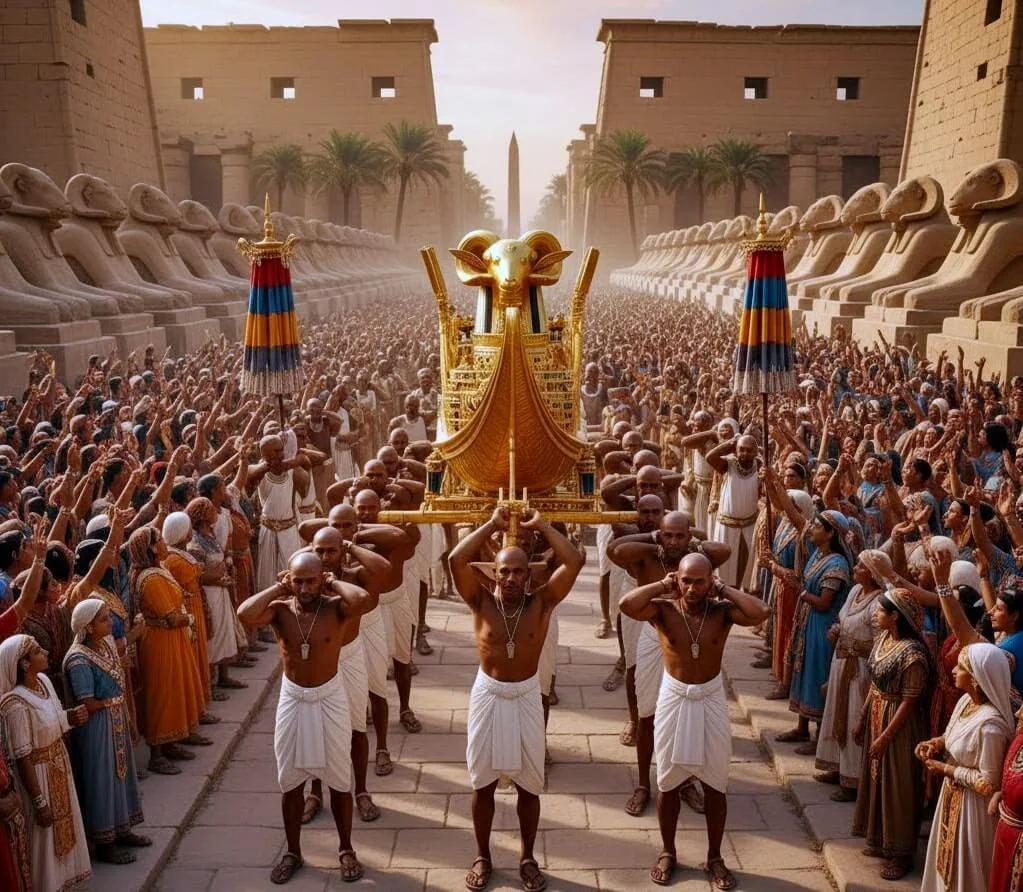
Remarkably, the traditions of the Temple of Luxor did not end with the Pharaohs. Every year, the people of Luxor celebrate the Moulid of Abu Haggag. During this festival, residents carry small boats through the streets on their shoulders. This is almost identical to the ancient Opet processions that once moved through the Temple of Luxor.
The Persistence of Sacred Space
Even though the religion changed to Islam, the “spirit” of the celebration remains tied to the Temple of Luxor. The mosque, which sits inside the temple courtyard, acts as the focal point for the festival. Therefore, the Temple of Luxor is not a “dead” monument. It is a living site where the traditions of 1400 BC still breathe in 2026. This continuity is what makes the Temple of Luxor the most significant cultural site in the Nile Valley.