
The Destruction of Human Being: How Beer Saved Humanity in Ancient Egypt
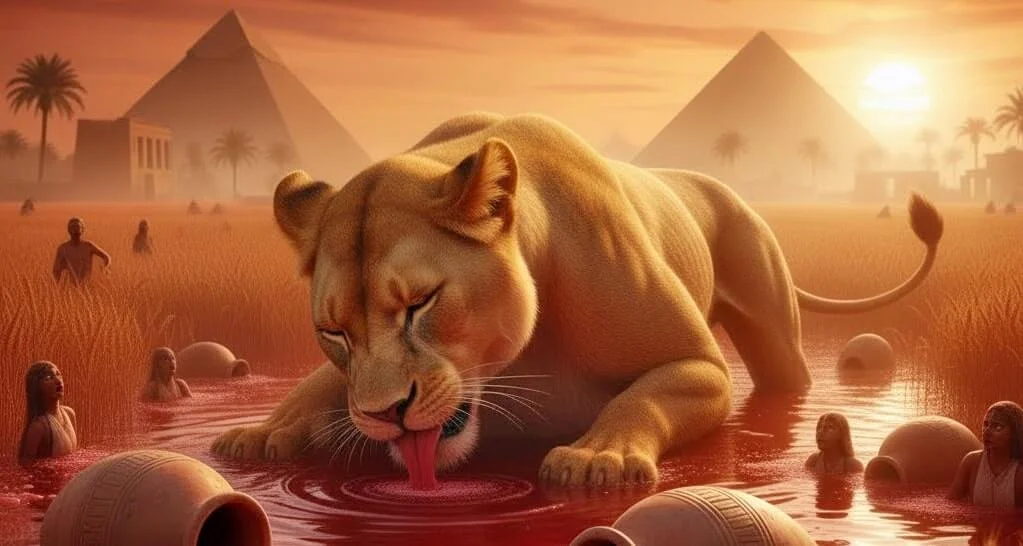
Discover the epic Egyptian myth of the Destruction of Human Being, a dramatic tale of divine fury and clever redemption. When the sun god Ra grew old, humanity rebelled against him. Enraged, Ra unleashed his ‘Eye’ in the form of the terrifying lioness goddess, Sekhmet, who began a brutal slaughter of mortals. As the earth ran red, Ra regretted his decision but couldn’t stop the bloodthirsty goddess. This blurb summarizes the story of how Ra devised a brilliant plan involving 7,000 jars of red-dyed beer to trick Sekhmet, pacify her rage, and save humanity from total annihilation.
The Amarna Revolution: Akhenaten, Nefertiti, and the Amarna Style
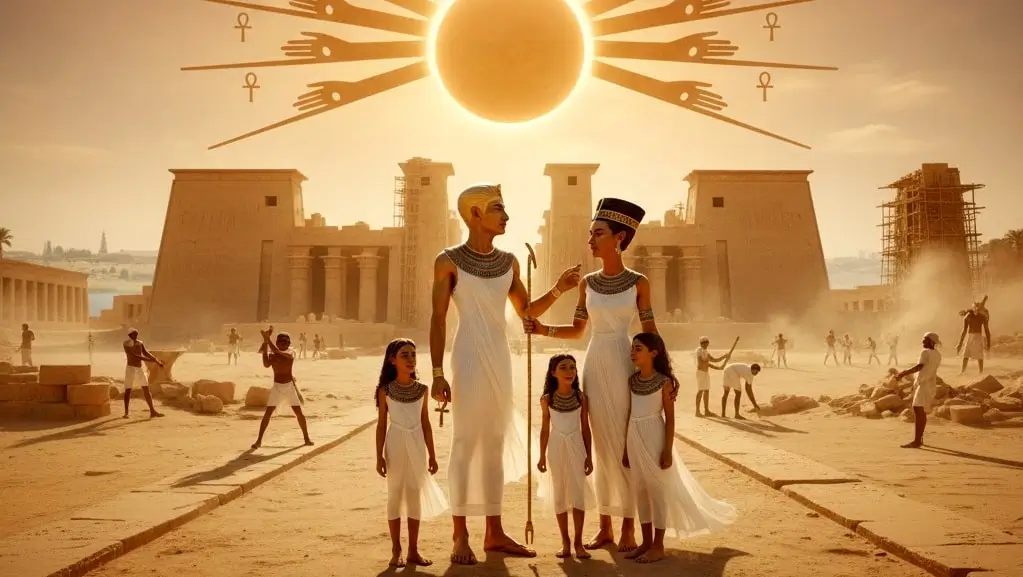
Discover the captivating story of Akhenaten and Nefertiti, the “heretic” royal couple who shattered a thousand years of Egyptian tradition. This guide explores their radical religious revolution, which abandoned the old gods for a single sun-disc, the Aten. See how they built a new capital, Amarna, and unleashed the unique Amarna Style—an art of shocking realism, intimate family portraits, and exaggerated features. We cover their mysterious downfall, the attempt to erase them from history, and how their abandoned city became a perfect “time capsule,” preserving their world and the iconic Nefertiti Bust for us to find.
Kamose: The Warrior Pharaoh Who Dared to Reunite Egypt
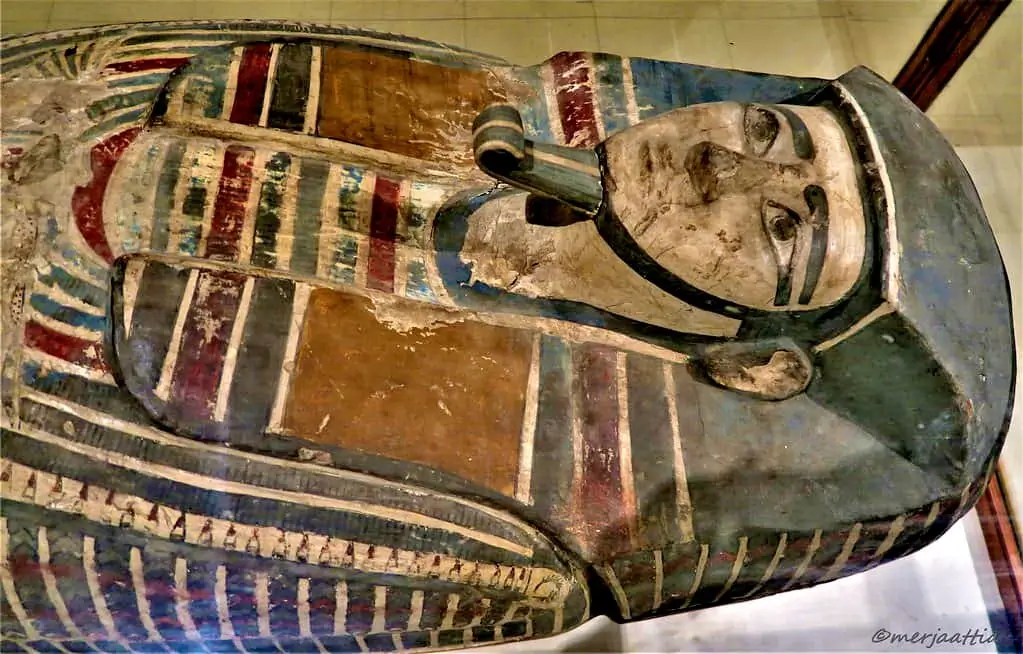
Pharaoh Kamose was the defiant last king of Egypt’s 17th Dynasty, who refused to accept a divided kingdom. Rather than pay tribute to the Hyksos rulers in the north, he launched a courageous war of liberation, leading his Theban armies up the Nile. His daring campaigns successfully weakened the Hyksos and intercepted their alliance with the Nubians. Although Kamose died before finishing the fight, his victories were the crucial first step that enabled his successor, Ahmose I, to finally reunite Egypt and launch the glorious New Kingdom.
Great Pyramid of Giza: An Enduring Wonder of the Ancient World
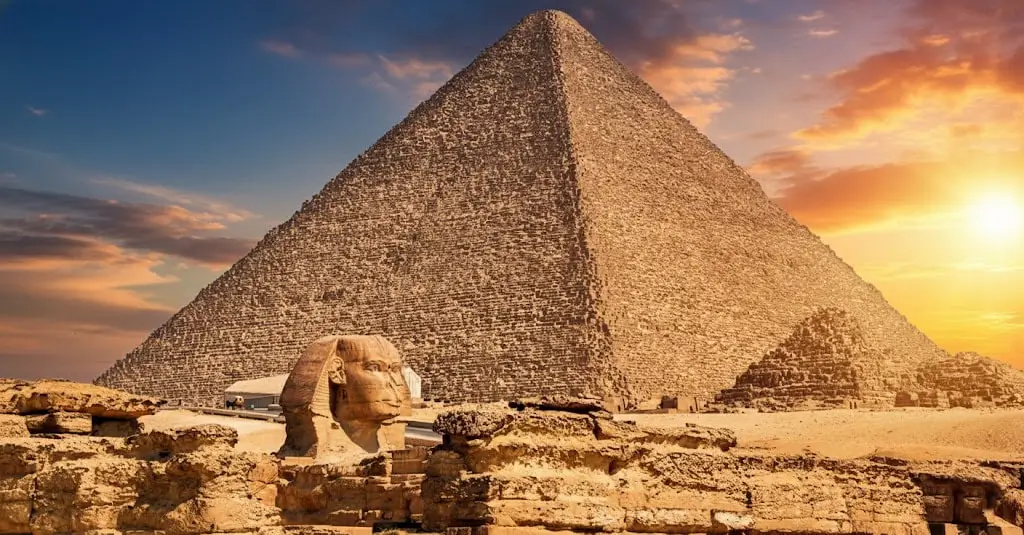
Dive into the mystery of the Great Pyramid of Giza, the last surviving wonder of the ancient world. Built as a monumental tomb for Pharaoh Khufu over 4,500 years ago, this architectural marvel continues to baffle engineers with its precision construction from millions of massive stone blocks. Our guide explores its incredible history, the secrets of its internal chambers like the King’s Chamber, its position alongside the Great Sphinx, and provides practical tips for visiting this unmatched testament to human ingenuity.
Gods in the Stars: Decoding the Sacred Astronomy of the Pharaohs
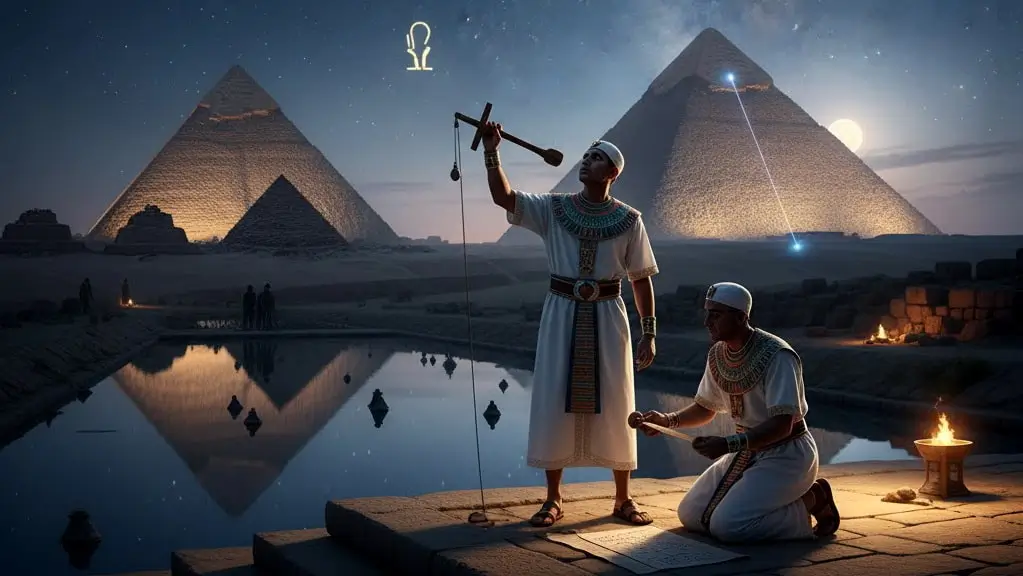
We often look at the pyramids and temples and wonder, “How did they do it?” The answer isn’t just manpower; it’s starlight. Ancient Egyptian astronomy was the secret tool that allowed them to build for eternity, create the world’s first 365-day calendar, and, most importantly, predict the annual flood that gave life to their entire civilization.
Queen Tiye: The Mastermind of the Harem Conspiracy

History knows two famous Egyptian royals named Queen Tiye. One was a revered, god-like queen. This is the story of the other Tiye—the ambitious secondary wife of Ramesses III who masterminded a bloody plot to assassCinate her pharaoh and steal the throne for her son.
Unveiling the Harem Conspiracy: The Plot to Assassinate Ramesses III
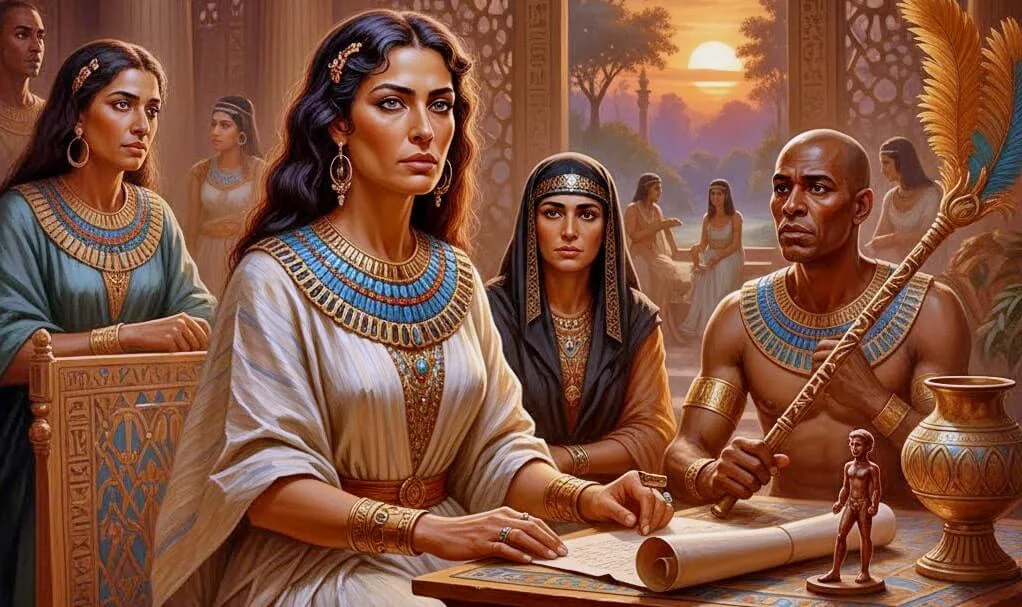
Uncover the gripping story of the Harem Conspiracy, a bloody plot to assassinate Pharaoh Ramesses III from within his own palace. Led by his ambitious wife, Queen Tiye, a network of traitors used dark magic, secret codes, and brute force to murder the king and steal the throne. For over 3,000 years, the plot’s success remained a chilling mystery. Then, a modern CT scan of the pharaoh’s mummy revealed the shocking truth. This is the full story of the conspiracy, the dramatic trial that followed, and the forensic evidence that proved the assassins struck their mark.
Ramesses III: The Life, Wars, and Death of Egypt’s Last Great Pharaoh

Explore the turbulent reign of Ramesses III, the last great warrior pharaoh of Egypt’s New Kingdom. This article delves into his defining moment: the brutal land and sea battles where he repelled the mysterious “Sea Peoples,” saving Egypt from the Bronze Age Collapse engulfing its neighbors. But his victory was short-lived. We examine the internal crises that defined his later years, from crippling economic struggles to the first recorded labor strike in history, and uncover the shocking palace intrigue of the “Harem Conspiracy” that ultimately led to his assassination.
The Ancient Egyptian Calendar: Unlocking Time, Seasons & the Nile

Discover the genius of the Ancient Egyptian Calendar, a system perfectly synced to the Nile’s three agricultural seasons: Inundation (Akhet), Growth (Peret), and Harvest (Shemu). More than just tracking floods, this brilliant 365-day calendar—using 12 months of 30 days plus 5 epagomenal days for festivals—was also a sophisticated celestial map that tracked the star Sirius (Sothis) to mark the New Year. This revolutionary Egyptian calendar system was so accurate it became the foundation for our own modern Gregorian calendar. With Egypt Fun Tours, you can see this ancient timekeeping carved in stone, from the stunning Dendera Zodiac to the lively harvest scenes in Luxor’s tombs, turning abstract history into a visible reality you can explore.
Ancient Egyptian Literature: Uncovering the Stories of the Pharaohs
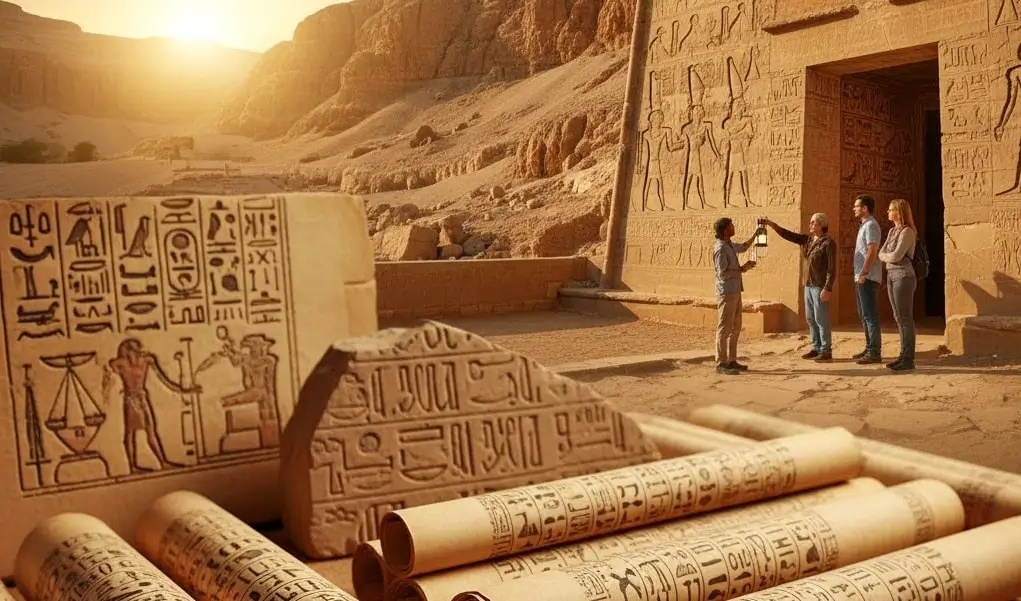
Explore the true soul of Egypt through its ancient words. Ancient Egyptian literature is a vast treasure trove of myths, religious texts, and surprisingly modern stories that bring the pharaohs’ world to life. Written by skilled scribes on everything from towering tomb walls to delicate papyrus scrolls, this literature covers all aspects of their lives. It includes the sacred Book of the Dead, which acted as a map for the afterlife, as well as practical wisdom, thrilling adventures like the Story of Sinuhe, and passionate love poetry. Understanding these texts is the key to unlocking the civilization; with Egypt Fun Tours, you won’t just see the hieroglyphs—you’ll discover the fascinating stories, beliefs, and passions they tell, turning every temple and tomb into a living history book.
Merchants and Traders: How Ancient Egyptian Trade Thrived on Barter

Discover how ancient Egyptian trade flourished without a single coin. Learn about the deben, the unit of weight they used as a “price tag,” and how merchants operated a complex barter system along the Nile. Explore the massive, state-sponsored expeditions that brought back gold, incense, and ebony from foreign lands like Punt.
The Ancient Egyptian Embalmer: The Sacred & Secret Artist of Mummification
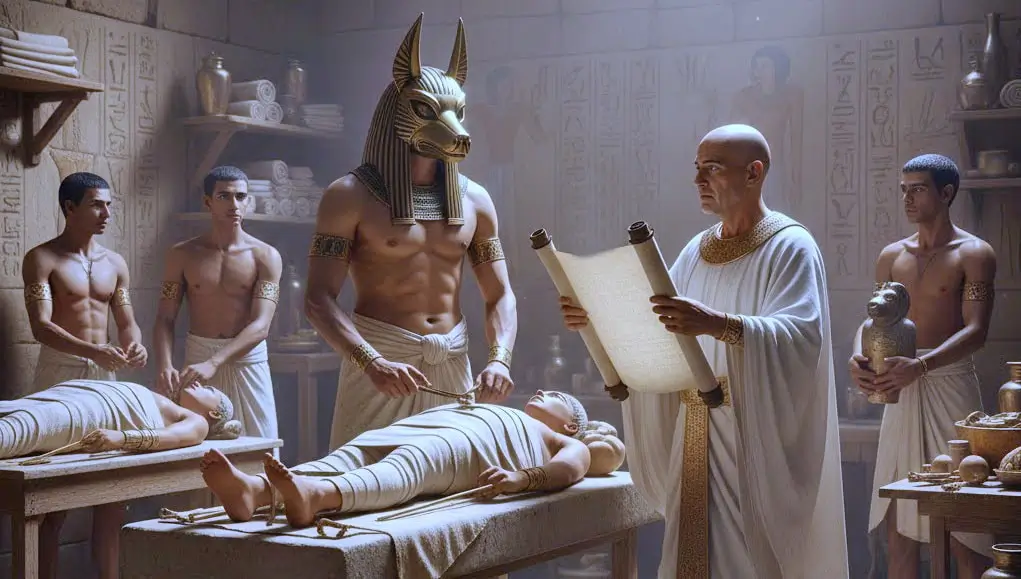
Step inside the secret workshop of the ancient Egyptian embalmer. Discover the 70-day, step-by-step process of mummification and learn the sacred roles of the chief embalmer (Hery-Seshta) and the spell-reciting lector priest (Hery-Tep). Find out why this highly skilled and essential job was considered ritually “unclean.”