
The Temple of Isis at Shenhur: The Hidden Sanctuary of the Roman East
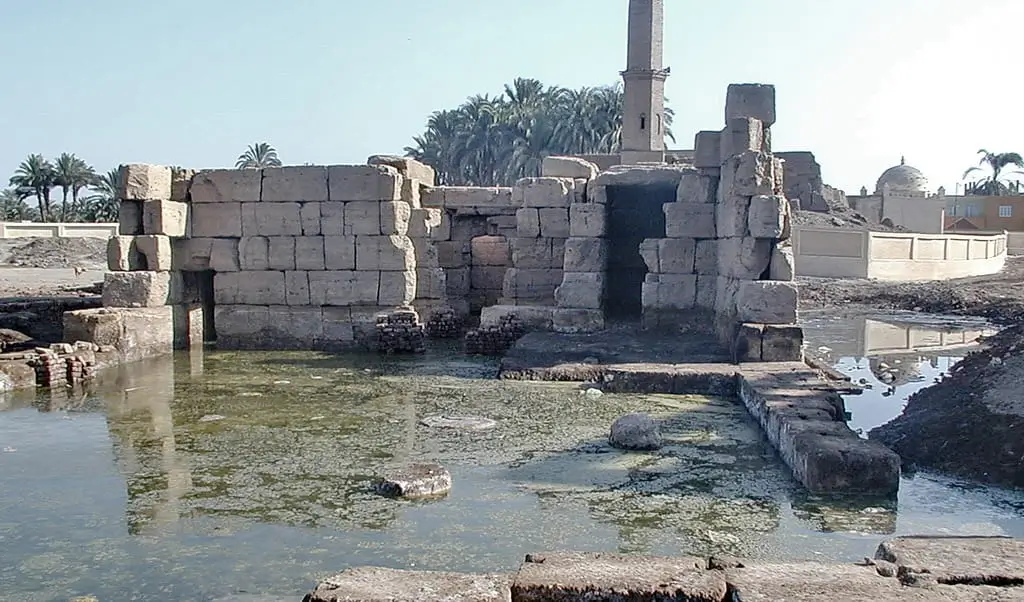
The Temple of Isis at Shenhur is a vital archaeological site located between Luxor and Koptos. Built during the Roman period (30 BCE – 117 CE), it reveals how emperors like Augustus and Trajan adopted Pharaonic roles to legitimize their rule. The temple functioned as a theological bridge, merging the religious traditions of Upper Egypt while centering on the goddess Isis and the local child-god Horudja. Its limestone walls feature remarkably preserved reliefs that transition from sacred Pharaonic art to evidence of Byzantine domestic life. Today, Shenhur stands as a critical “missing link” that preserves the final, vibrant flourish of ancient Egyptian culture.
The Temple of El-Tod: A Guide to the Forgotten Sanctuary of Montu
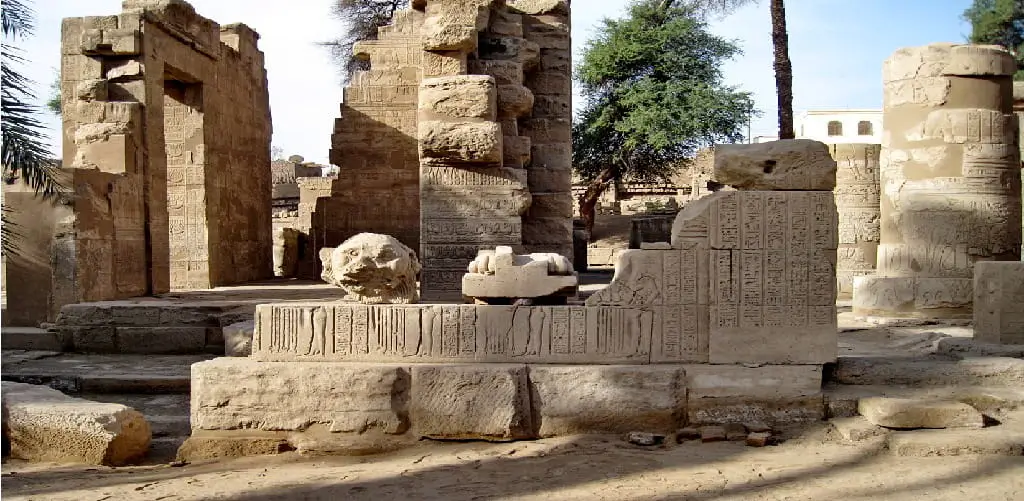
The Temple of El-Tod serves as a vital chronological bridge in Egyptian history, marking the southern boundary of the “Theban quadrilateral” dedicated to the war god Montu. While the site features significant additions from the Ptolemaic and Roman eras, its true value lies in its Middle Kingdom foundations and the legendary Tod Treasure—a cache of Aegean silver and Mesopotamian lapis lazuli discovered in 1936. Today, El-Tod offers a serene, off-the-beaten-path experience for those looking to explore the evolution of Egyptian religious architecture and the international trade reach of the 12th Dynasty.
Tomb of Neferhotep (TT49): The Chief Scribe & Ancient Karnak
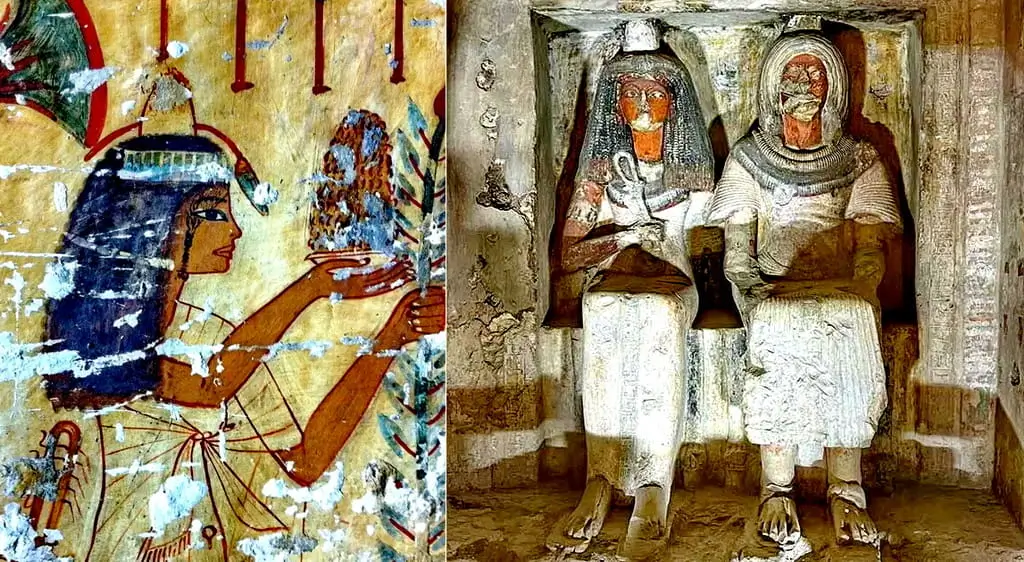
The Tomb of Neferhotep (TT49) stands as one of the most significant architectural archives of the late 18th Dynasty. Serving as the Chief Scribe of Amun under King Ay, Neferhotep documented the physical grandeur of the Temple of Amun at Karnak with unparalleled precision, preserving a visual blueprint of pylons and sacred lakes as they appeared over 3,300 years ago. His tomb famously captures the “Gold of Honor” ceremony, depicting Neferhotep receiving royal rewards from the palace’s Window of Appearance. Ultimately, TT49 offers a critical bridge between the spiritual and the administrative, immortalizing the man responsible for the records, rituals, and infrastructure that defined the transition back to traditional Theban power.
Tomb of Neferronpet (TT178): Gold, Metalworking & The Treasury of Amun
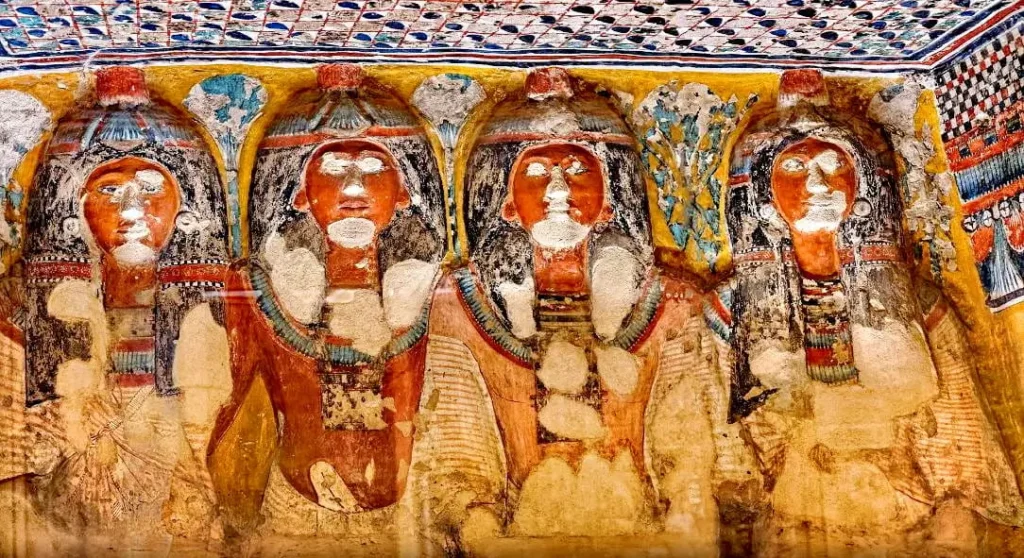
The Tomb of Neferronpet (TT178) provides an essential look at the internal mechanics of the 19th Dynasty. As Scribe of the Treasury under Ramesses II, Neferronpet managed the immense wealth of the Temple of Amun. His tomb acts as a visual manual of ancient industry, featuring rare scenes of gold weighing and metalworking workshops. Beyond these professional records, the artwork offers a humanizing glimpse into the elite lifestyle, famously depicting Neferronpet playing the strategic game of Senet. Ultimately, while the Tomb of Huy (TT40) documents how Egypt acquired its wealth, TT178 immortalizes the sophisticated administration and craftsmanship required to process it.
Tomb of Huy (TT40): The Gateway to the Pharaoh’s Southern Empire
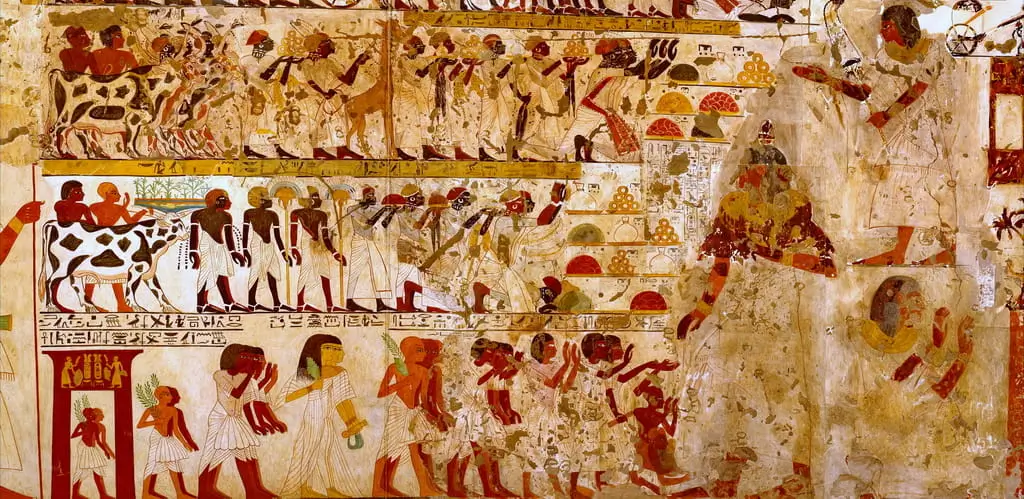
The Tomb of Huy (TT40) serves as a vital historical archive of Egypt’s southern empire during the reign of Tutankhamun. As Viceroy of Kush, Huy managed the logistics and diplomacy that fueled the 18th Dynasty’s wealth. His tomb is famous for its vibrant “tribute scenes,” featuring rare depictions of African wildlife (giraffes) and massive quantities of Nubian gold. Historically and artistically, TT40 marks a critical transition point, blending the naturalism of the Amarna Period with the restored grandeur of traditional Theban art, offering a rare glimpse into the administrative power behind the boy-king’s throne.
The Tomb of Ankh-Hor (TT414): A Sprawling Monument to the Saite Revival
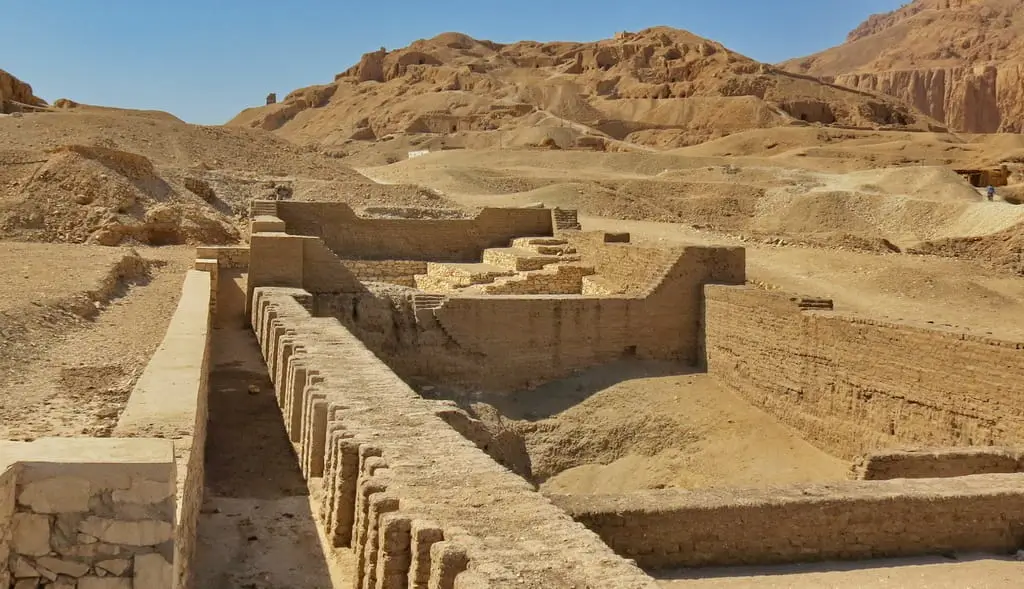
The Tomb of Ankh-Hor (TT414) serves as a monumental tribute to the Saite Renaissance, showcasing the immense wealth of the 26th Dynasty. As the Steward of the Divine Adoratrice, Ankh-Hor designed a subterranean labyrinth that prioritized scale and classical elegance over traditional New Kingdom layouts. The complex is a masterpiece of archaism, where artists precisely revived the proportions and delicate low-relief styles of the Old Kingdom. Beyond its initial construction, the tomb’s four centuries of continuous use—stretching into the Ptolemaic Era—offers a unique archaeological timeline of ancient Theban funerary traditions. Today, it remains an essential site for understanding how Egypt’s Late Period elite used architectural grandeur to reclaim their national identity.
The Tomb of Pabasa (TT279): A Masterpiece of Ancient Industry and Art
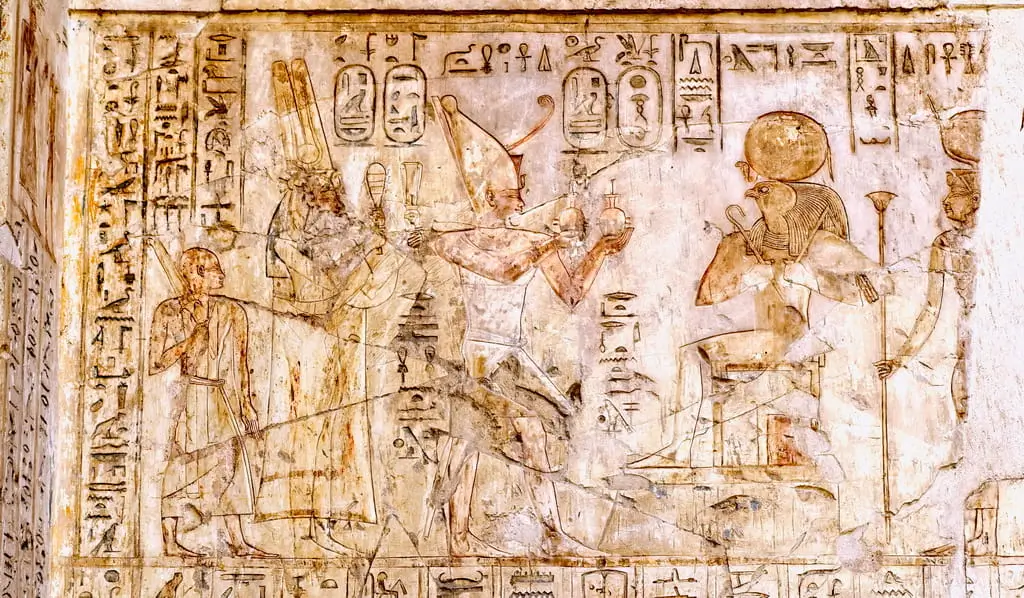
The Tomb of Pabasa (TT279) stands as a premier example of the Saite Renaissance, where 26th-dynasty officials revived the elegance of Egypt’s distant past. As the Chief Steward of the God’s Wife of Amun, Pabasa built a monument that rivaled royal structures in both scale and detail. While its open-air Sun Court and massive siltstone sarcophagus highlight his immense political power, the tomb’s true fame lies in its intimate “Daily Life” reliefs. Specifically, the beekeeping scene remains one of archaeology’s rarest glimpses into ancient industry, proving the sophistication of Egyptian apiculture. For modern visitors, TT279 offers a quiet, high-definition look at a civilization expertly blending tradition with administrative mastery.
Tomb of Kheruef (TT192): Guide to Asasif’s Masterpiece
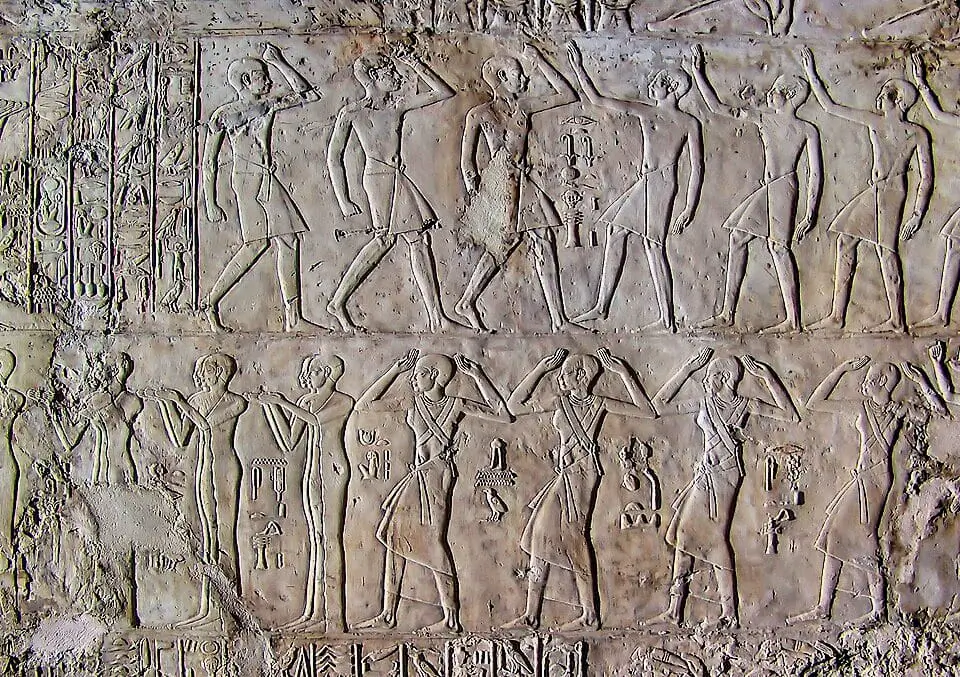
The Tomb of Kheruef (TT192) stands as a monumental bridge between traditional Egyptian aesthetics and the radical naturalism of the Amarna Period. As the largest private burial complex in the Theban Necropolis, it reflects the immense prestige of Kheruef, who served as the powerful Royal Steward to Queen Tiye. The tomb is globally renowned for its masterful low-relief carvings, which provide an unparalleled historical record of Pharaoh Amenhotep III’s royal jubilees and sacred rituals. From its sprawling open courtyard to the fluid, energetic depictions of ritual dancers, TT192 remains an essential site for understanding the peak of 18th Dynasty architectural engineering and artistic sophistication.
The Tomb of Amenemope (TT148): The Temple-Tomb of Dra’ Abu el-Naga
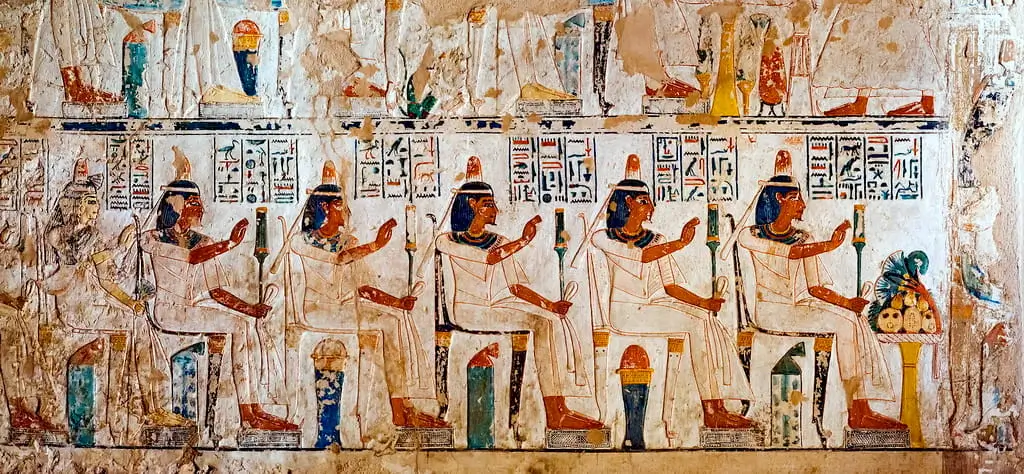
The Tomb of Amenemope (TT148) stands as one of the most monumental private funerary complexes in the Dra’ Abu el-Naga necropolis. Dating to the 20th Dynasty, it belonged to the “Third Prophet of Amun,” a high-ranking priest who served during the reigns of Ramesses III through Ramesses V. The tomb’s massive “temple-style” architecture, featuring a grand pylon and a vast pillared hall, reflects the immense political and economic power held by the Amun priesthood during the late New Kingdom. Historically significant for its use of the Litany of Re—a solar text usually reserved for pharaohs—the tomb highlights the spiritual “democratization” of the era. Currently, TT148 is a focal point of modern conservation, where an Austro-Egyptian mission uses advanced technology to restore its deep-cut reliefs and stabilize its colossal structure for future study.
Tomb of Shuroy (TT13): Guide to Dra’ Abu el-Naga’s Hidden Gem
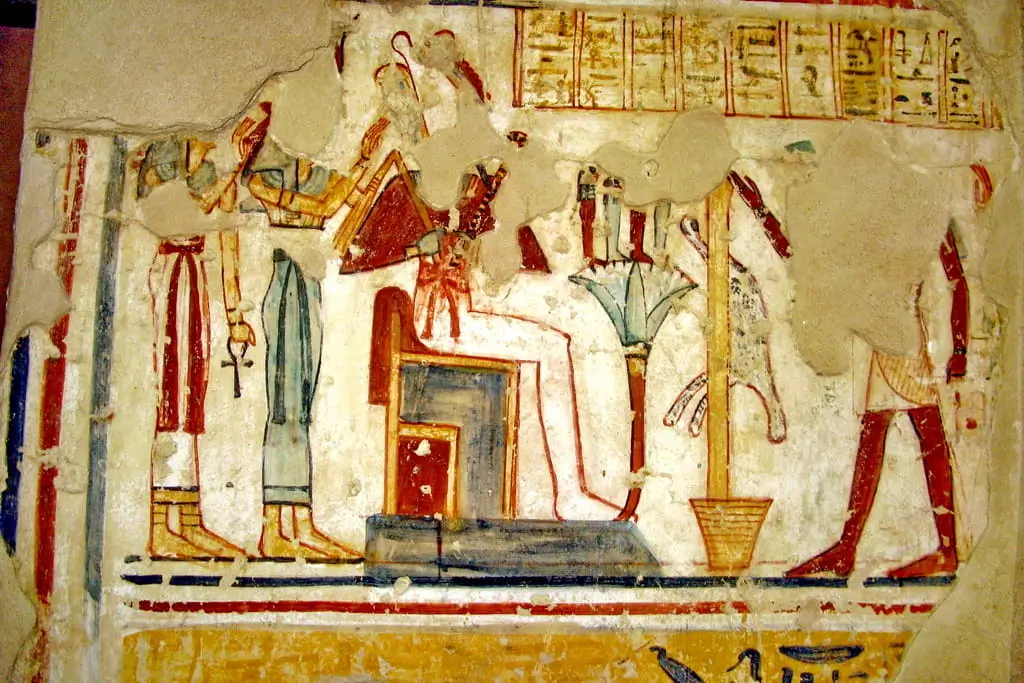
The Tomb of Shuroy (TT13) is a standout archaeological site in the Dra’ Abu el-Naga necropolis, dating to the Ramesside Period. As the “Head of the Brazier-bearers of Amun,” Shuroy held a vital ritual role, which he commemorated through unique, high-contrast artistry. Unlike many contemporary tombs that used yellow backgrounds, TT13 features luminous white-washed walls that make its polychrome religious vignettes—such as the “Weighing of the Heart” and scenes from the “Book of Gates”—extraordinarily clear. This “hidden gem” offers a rare, well-preserved look at the spiritual journey and professional pride of a high-ranking New Kingdom official.
The Tomb of Roy (TT255): A Masterpiece of Late 18th Dynasty Art
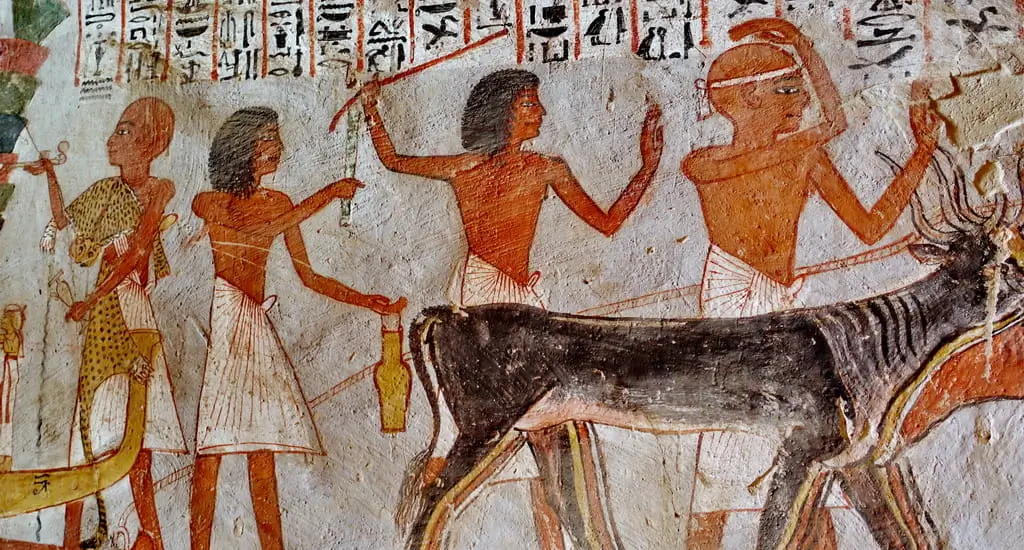
The Tomb of Roy (TT255) is a vivid, single-room masterpiece from the late 18th Dynasty. Despite its small size, it features some of the best-preserved artwork in Luxor, characterized by bright white backgrounds and jewel-toned pigments. The murals are famous for their emotional depth, particularly the visible tears on the faces of mourning women during the funeral procession. By blending the fluid grace of the post-Amarna style with traditional religious themes, Roy’s tomb offers a perfectly concentrated “snapshot” of elite craftsmanship and 18th-Dynasty elegance.
The Tomb of Inherkhau (TT359): Masterpieces of the 20th Dynasty
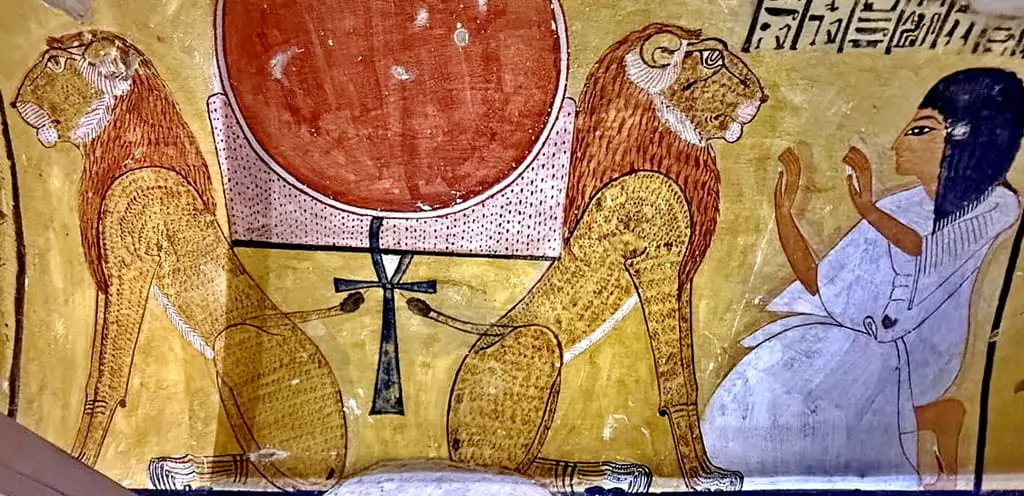
The Tomb of Inherkhau (TT359) is a 20th-Dynasty masterpiece in Deir el-Medina, showcasing the elite skills of a royal foreman. It is famous for its vibrant golden walls and a unique ceiling covered in intricate geometric rosettes and spirals. The highlight is the iconic painting of the Great Cat of Heliopolis slaying the serpent Apophis, symbolizing the triumph of light over chaos. This tomb represents the peak of artisan craftsmanship, blending royal-quality art with the deep religious mysteries of the Egyptian afterlife.