
The Pyramid of Senusret III: A Fortress for the Afterlife
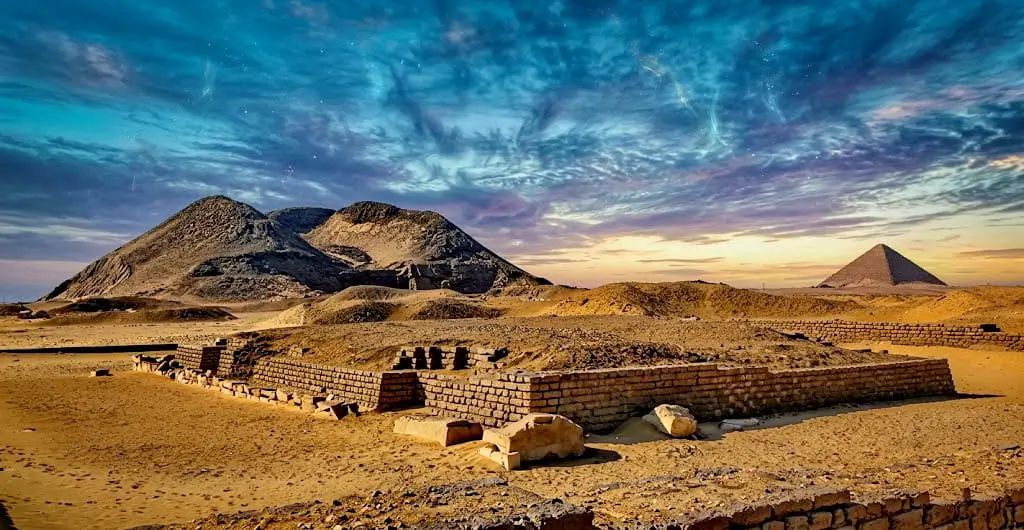
The Pyramid of Senusret III Dahshur stands as a bold monument to Middle Kingdom security and royal power. King Senusret III revolutionized pyramid design by moving the entrance from the traditional north side to a hidden location in the west. This strategic shift aimed to protect the royal remains from the growing threat of tomb robbers. While the original white limestone casing has vanished, the massive mudbrick core remains a dominant feature of the Dahshur landscape. Specifically, the discovery of the “Dahshur Treasure” within the queens’ galleries proves the immense wealth of the Twelfth Dynasty. For the traveler in 2026, the site offers a raw look at the evolution of ancient engineering and the transition toward the hidden tombs of the New Kingdom. Therefore, the Pyramid of Senusret III Dahshur is an essential stop for understanding the intersection of military precision and funerary art.
The Black Pyramid of Amenemhat III: A Haunting Desert Landmark
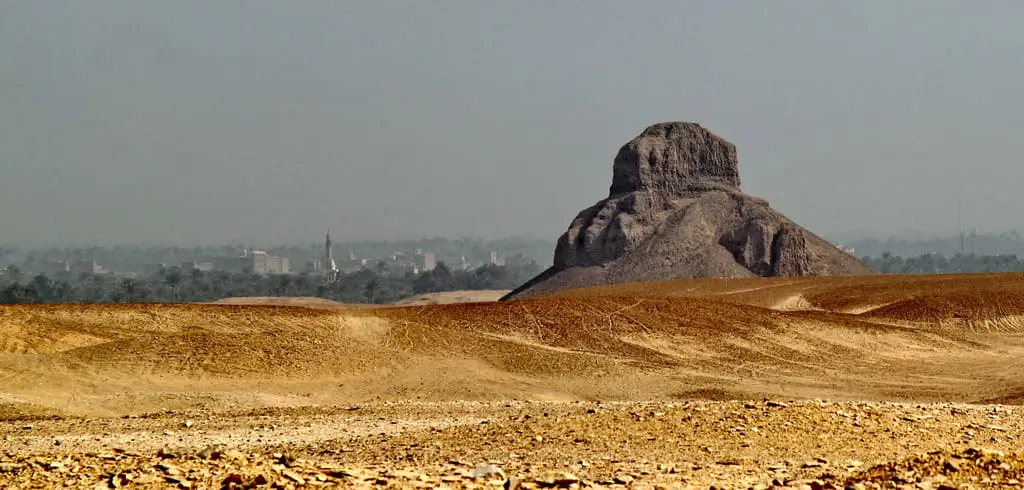
The Black Pyramid Dahshur remains a haunting masterpiece of Middle Kingdom ambition and geological struggle. King Amenemhat III attempted to revolutionize royal burials by creating a massive mudbrick labyrinth for himself and his queens. However, the heavy core and unstable ground caused the structure to sink and crack almost immediately. Specifically, the discovery of the grey basalt pyramidion proves that the monument once achieved a state of artistic perfection. Because the king eventually abandoned the site, the pyramid stands today as a silent, jagged mountain of dark brick. For the traveler in 2026, it offers a rare look at the risks of ancient engineering and the raw beauty of the Dahshur plateau. Therefore, it is an essential chapter in the story of Egypt’s royal funerary evolution.
The White Pyramid of Amenemhat II: A Middle Kingdom Revival
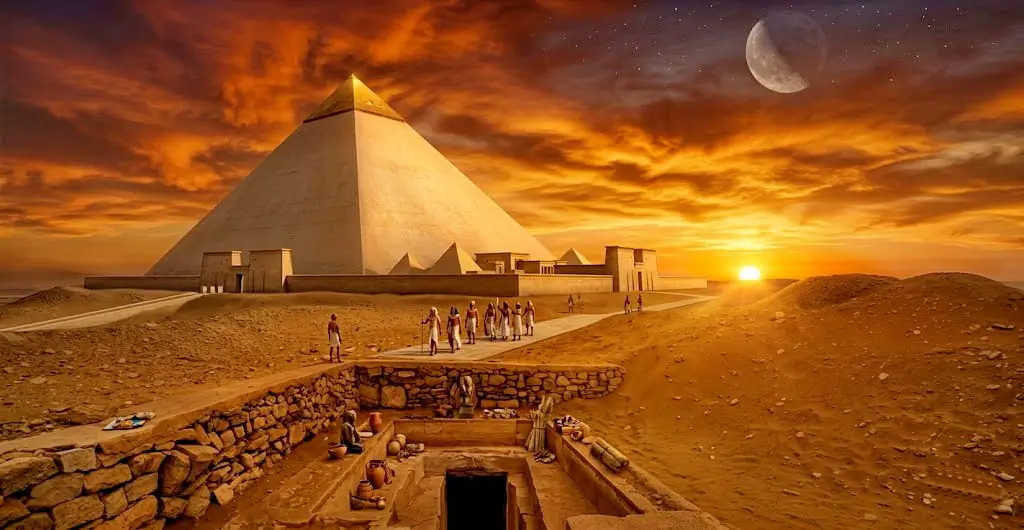
Amenemhat II, a ruler of the 12th Dynasty, broke with the precedent set by his immediate predecessors by moving his pyramid complex to Dahshur, near Giza. Though it was likely known to the ancient Egyptians as “Sekhem Amenemhat” (“Amenemhat is Power”), its modern title, the “White Pyramid,” stems from its construction. While some sources suggest it was cased in gleaming Tura limestone that robbers later stripped, revealing limestone rubble, other details mention a core framework of radiating limestone walls filled with sand or cheaper stone, finished with polished casing that left distinct piles of debris around its base. Today, the monument is heavily ruined, appearing as a eroded mound of mudbrick and rubble, as much of its stone was quarried for later buildings. Its subterranean structure featured a false gabled ceiling made of limestone slabs, unique four-niched walls in the burial chamber, and a quartzite sarcophagus placed against the western wall. Significantly, its surrounding enclosure wall protected a collection of royal family tombs, whose excavation yielded invaluable treasures of jewellery and funerary items.
The Red Pyramid of Dahshur: The World’s First Successful True Pyramid
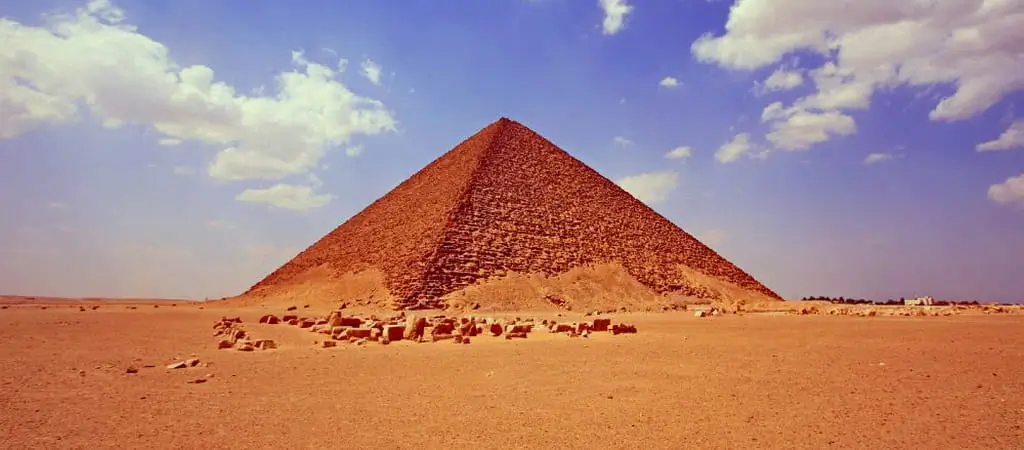
The Red Pyramid Dahshur represents the ultimate architectural triumph of King Sneferu and the Fourth Dynasty. As the world’s first successful true, smooth-sided pyramid, it corrected the structural instability seen in earlier monuments. By utilizing a consistent 43-degree angle and innovative horizontal masonry, ancient engineers created a structure that has endured for over 4,500 years. Specifically, its three massive internal chambers and soaring corbelled ceilings showcase the peak of Old Kingdom engineering. Furthermore, its unique reddish limestone core provides one of the most striking sights on the Dahshur plateau. Therefore, the Red Pyramid in Dahshur remains an essential pillar of Egyptian history and a must-visit destination for travelers.
The Bent Pyramid: A Masterpiece of Ancient Engineering and Evolution
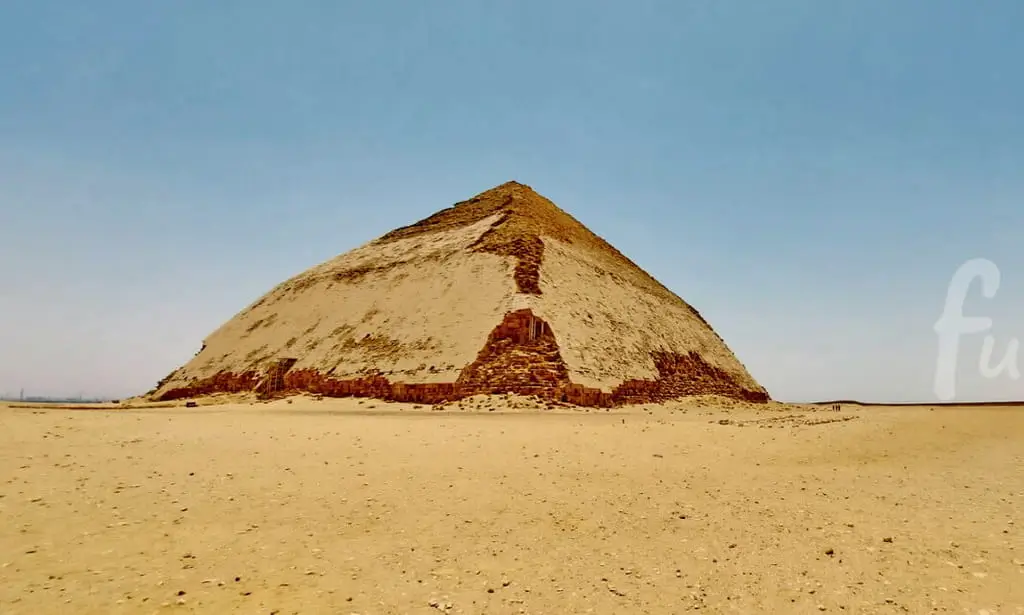
The Bent Pyramid Dahshur represents a definitive turning point in the history of Egyptian architecture. It stands as a physical record of the transition from step pyramids to smooth-sided structures. By adjusting the slope from 54 to 43 degrees, ancient engineers saved the monument from structural failure. Consequently, the pyramid remains one of the best-preserved examples of Old Kingdom construction. Furthermore, its surviving limestone casing offers a rare look at the original splendor of royal tombs. Therefore, the Bent Pyramid Dahshur is a vital destination for any traveler seeking to understand the ingenuity of the Fourth Dynasty.
The Church of the Blessed Virgin Mary at Gebel el-Teir: A Sacred Ascent
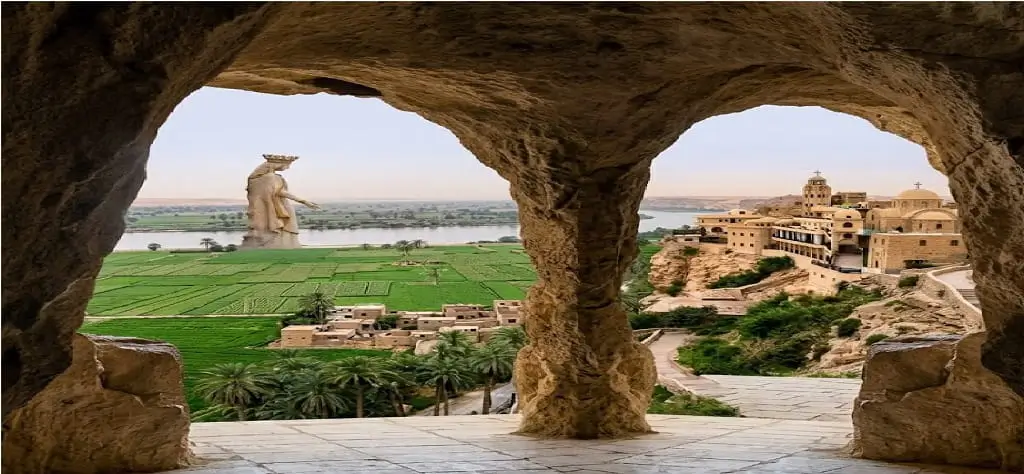
The Church of the Blessed Virgin Mary Gebel el-Teir represents a unique intersection of faith, history, and nature. It preserves the 4th-century vision of Empress Helena through its magnificent rock-cut nave. Furthermore, the holy grotto provides a direct link to the journey of the Virgin Mary in Egypt. The site also inspires visitors with the miraculous “Legend of the Handprint” and stunning Nile views. Consequently, it remains a vital stop for pilgrims and travelers in 2026. Therefore, the Church of the Blessed Virgin Mary Gebel el-Teir stands as an enduring monument to the spiritual heritage of the Nile Valley.
Beni Hasan: The Masterpieces of Middle Kingdom Art
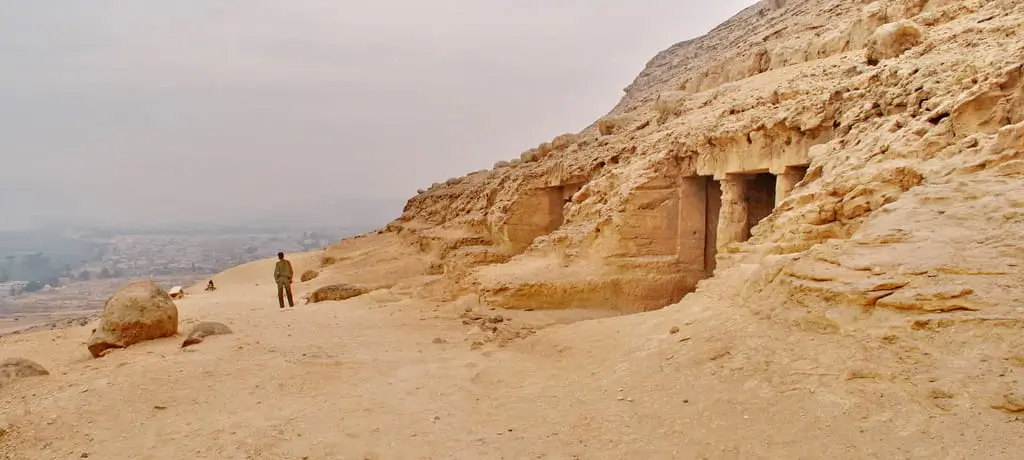
The Beni Hasan Tombs Middle Kingdom represent the pinnacle of 12th Dynasty provincial art and architecture. Famous for their “Proto-Doric” columns and detailed wrestling scenes, these rock-cut tombs offer an unparalleled look at the life of ancient Egyptian nomarchs. This guide covers the architectural innovations of Tomb 2, the historical significance of the Asiatic caravan, and practical tips for visiting in 2026. Consequently, it serves as the ultimate resource for understanding this Middle Kingdom necropolis.
The Tomb of Petosiris: A Unique Blend of Greek and Egyptian Art
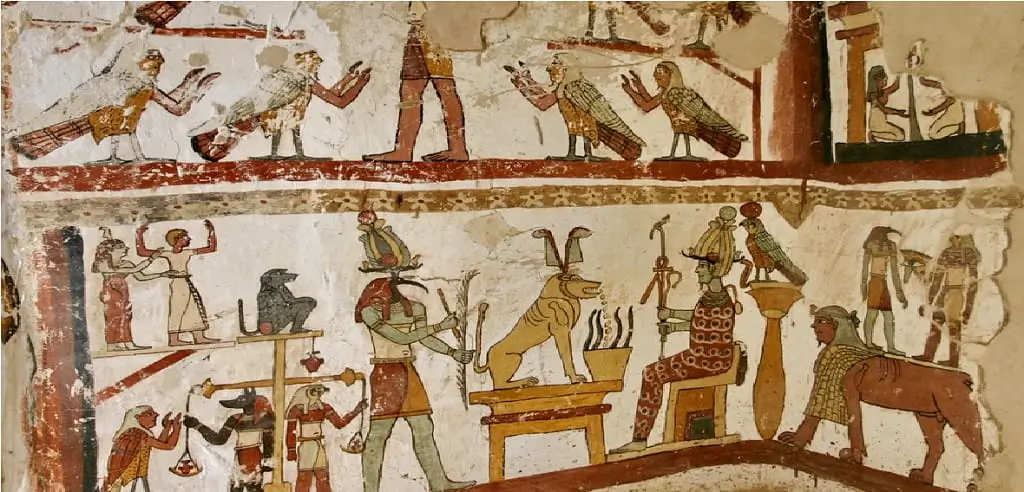
The Tomb of Petosiris at Tuna el-Gebel is a premier example of Greco-Egyptian art from the late 4th century BCE. Specifically, it features a unique blend of traditional Pharaonic religion and Mediterranean artistic realism. This guide explores the “Daily Life” reliefs, the genealogy of the High Priest, and the surrounding catacombs of Thoth. For travelers in 2026, it remains an essential off-the-beaten-path destination in Middle Egypt. Consequently, it is a vital site for understanding the cultural transitions of the Late Period.
Amarna: The Complete Guide to Akhenaten’s Ancient Sun City
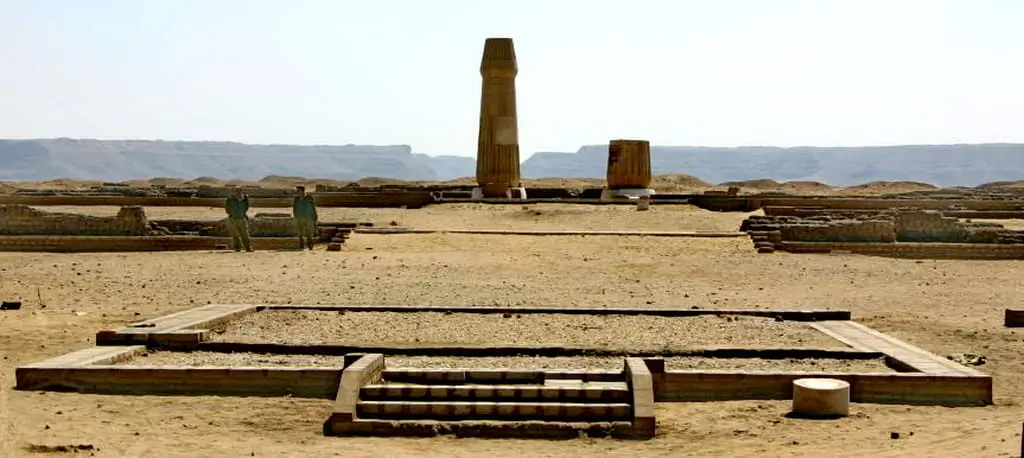
Amarna was the revolutionary capital of King Akhenaten during the 14th century BCE. Specifically, it served as the center of the Atenist religion and a new era of naturalistic art. Although it was destroyed by later Pharaohs, its remains offer the best-preserved urban plan from ancient Egypt. Today, travelers can explore its rock-cut tombs and temples to witness the legacy of the “Sun City.” Consequently, Amarna remains one of the most significant archaeological sites for understanding the 18th Dynasty.
Exploring Gebel el-Silsila: Why This Hidden Nile Gem is a Must-Visit
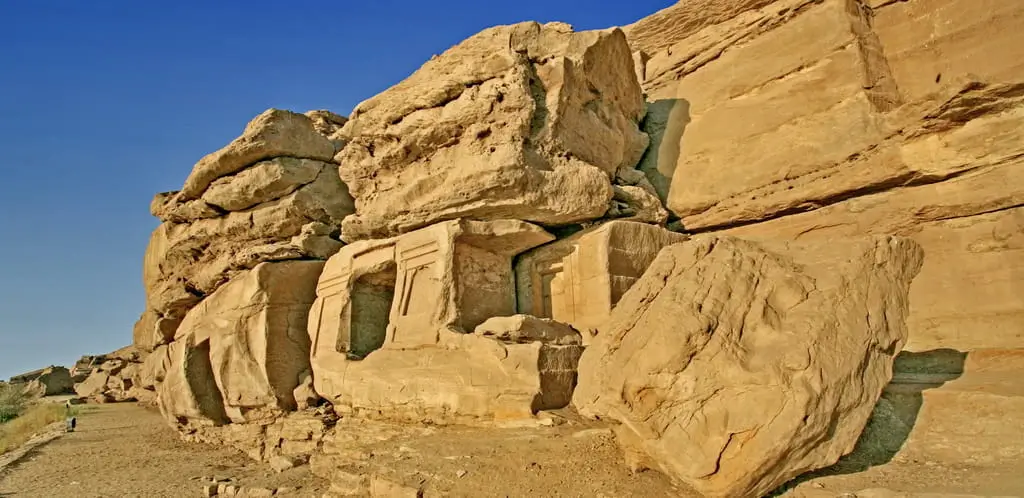
Gebel el-Silsila was the essential sandstone quarry for Egypt’s greatest New Kingdom temples. However, it was also a sacred landscape dedicated to the Nile and the god Sobek. Furthermore, recent excavations have uncovered lost temples and a vibrant community of ancient craftsmen. Consequently, the site offers a unique look at both industrial power and spiritual life. Therefore, it remains a must-visit destination for anyone seeking the true foundations of history.
The El-Kab Tombs: The Military Cradle of the New Kingdom
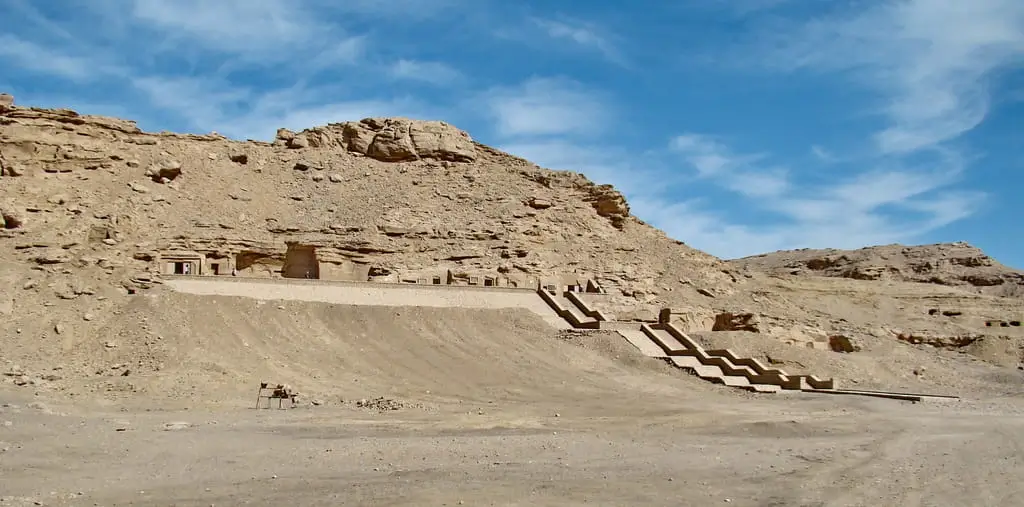
The El-Kab Tombs represent a critical archaeological archive that documents the very birth of the Egyptian New Kingdom. Because these rock-cut chambers housed the “Lords of El-Kab,” they provide first-hand military and civic accounts that you cannot find in the royal monuments of the north. Furthermore, the site showcases a sophisticated procedure of artistic and religious evolution, featuring the earliest known depictions of war chariots and rare scenes of daily agricultural life. Consequently, visiting these cliffs allows you to witness the strategic and spiritual foundations of an empire guarded by the vulture goddess Nekhbet.
Sehel Island: Unlocking the Secrets of the Famine Stela
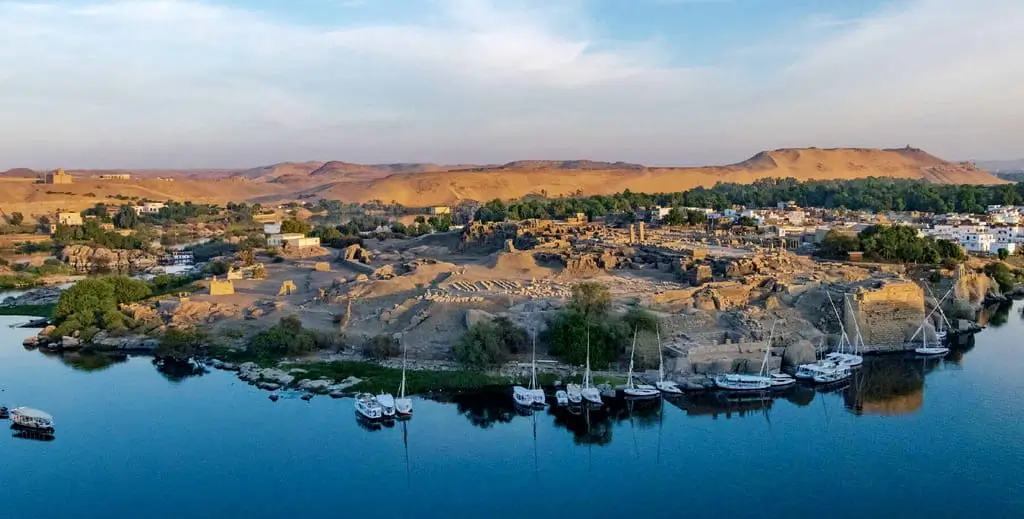
Sehel Island remains a vital link to Egypt’s administrative and spiritual past. Its granite boulders preserve a unique “open-air library” that high-speed modern life cannot erase. By bridging the ancient records of the Famine Stela with the vibrant traditions of the modern Nubian community, the island offers a complete picture of Nile Valley history. Visitors do not just see ruins; they walk through a living archive where every stone tells a story of survival, faith, and human ambition. As a site where the desert meets the river’s power, Sehel stands as an essential destination for anyone seeking the authentic heart of Aswan.