
Qubbet el-Hawa: The Complete Guide to Aswan’s City of the Dead
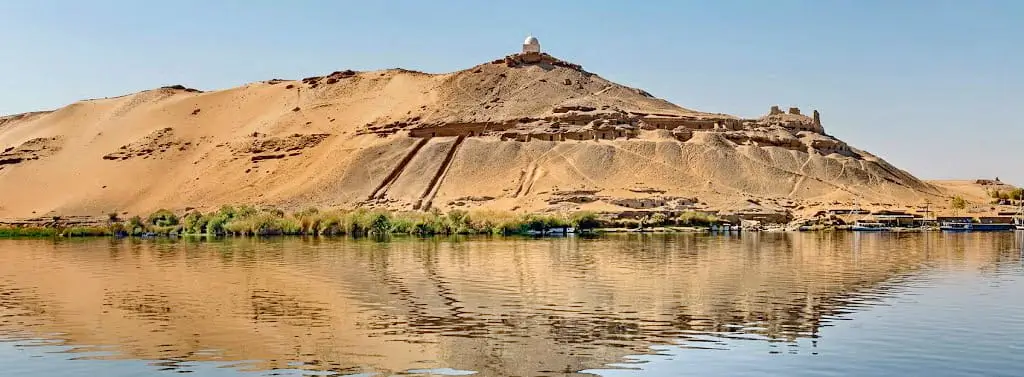
Qubbet el-Hawa stands as a monumental archive carved into the sandstone cliffs of Aswan. As the final resting place for the governors of Elephantine Island, it offers a rare glimpse into the lives of ancient Egypt’s most daring pioneers. These “Keepers of the Door of the South” did not just build tombs; they left behind the world’s first travel journals, documenting epic expeditions into the heart of Africa. From the Old Kingdom autobiographies of Harkhuf to the vibrant Middle Kingdom artistry of Sarenput II, the site tracks the evolution of Egyptian culture on the frontier. Today, the “Dome of the Wind” remains a focal point for modern archaeology, where new discoveries continue to unveil the deep economic and social ties that once linked the Nile Valley to the rest of the continent.
The Tomb of Pennut: A Complete Guide to Aniba’s Relocated Treasure
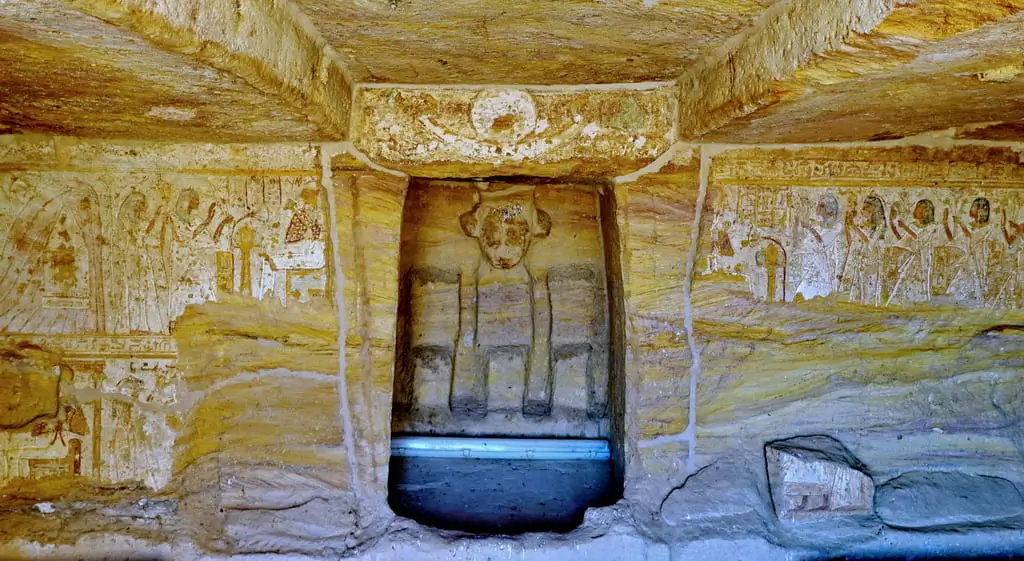
The Tomb of Pennut stands as a vital testament to the endurance of ancient history and the success of modern international cooperation. As the only non-royal tomb rescued during the UNESCO mission to save the monuments of Lower Nubia, it offers an unparalleled look into the 20th Dynasty’s administrative and religious landscape. From its meticulously carved legal inscriptions to the vibrant depictions of the afterlife journey, the tomb preserves the legacy of a man who bridged the gap between the Egyptian crown and the provincial heart of Miam. Today, relocated to the safety of New Amada, this rock-cut masterpiece continues to serve as a cornerstone for our understanding of the cultural and economic life of the Nile Valley over 3,000 years ago.
Temple of Dakka: Exploring Greco-Roman Heritage at Wadi el-Sebua
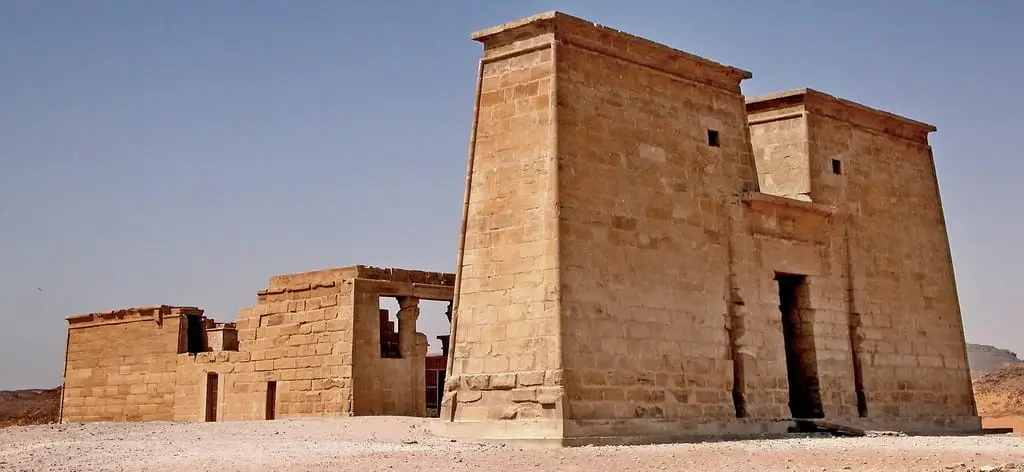
The Temple of Dakka is a unique monument dedicated to Thoth, the god of wisdom, famous for its rare northern orientation parallel to the Nile. Its construction spanned 500 years, beginning with a Meroitic chapel by King Arqamani and expanding under various Ptolemaic and Roman rulers. In the Roman era, it served as both a spiritual hub and a strategic military fortress protected by a massive wall. To escape the rising waters of Lake Nasser, a UNESCO mission relocated the structure to New Wadi es-Sebua, where its grand pylon and intricate Greco-Roman reliefs remain perfectly preserved today.
Temple of Gerf Hussein: History, Architecture, and UNESCO Relocation
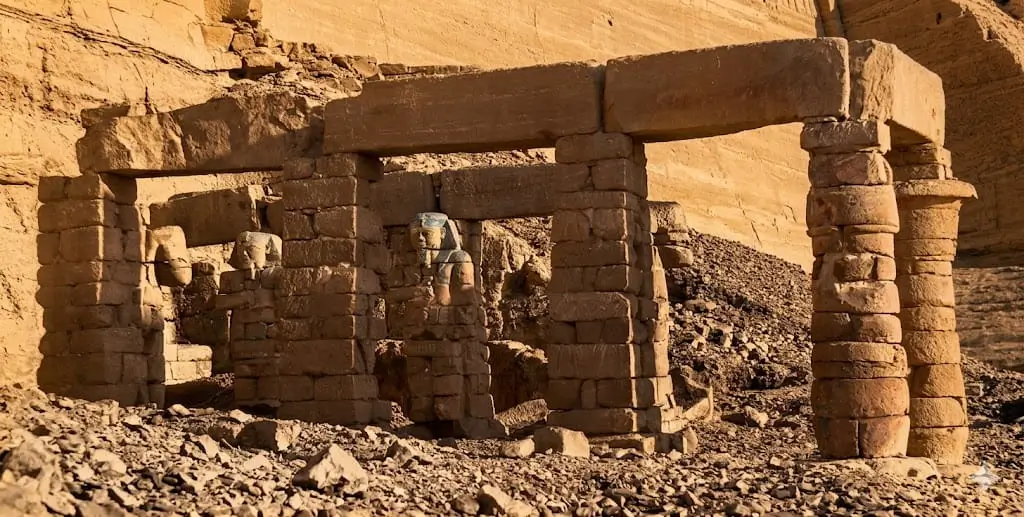
The Gerf Hussein temple stands as a magnificent example of New Kingdom “hemispeos” architecture, blending a traditional masonry exterior with a profound rock-cut interior. Built by the Viceroy of Kush, Setau, under the reign of Ramesses II, the site was originally known as Per-Ptah or the “House of Ptah”. While its “brutalist” artistic style features robust, colossal statues that differ from the refined aesthetics of northern Egypt, it served as a powerful tool for divine propaganda and political authority in Nubia. Although the rising waters of Lake Nasser submerged the original site, a dedicated UNESCO rescue mission saved its sacred heart. Today, the relocated temple resides at New Kalabsha, where it remains a vital link to Egypt’s spiritual and historical heritage.
The Temple of Derr: A Complete Guide to the Sun Temple of Ramesses II
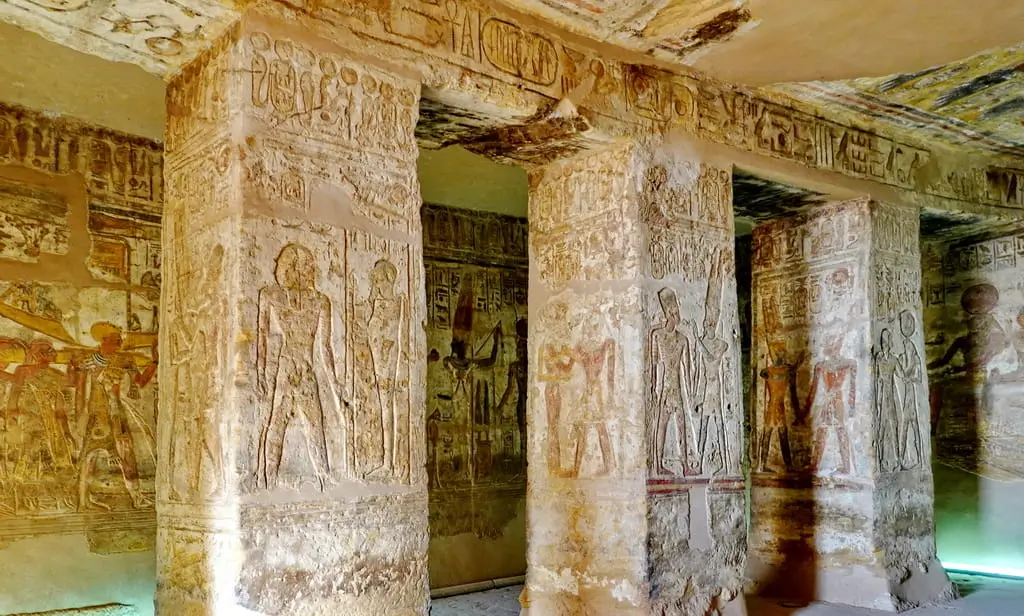
The Temple of Derr stands as a magnificent rock-cut monument from the 19th Dynasty, showcasing the profound religious and political vision of Ramesses II. Originally situated on the rare east bank of the Nile in Lower Nubia, this “speos” or cave temple is dedicated primarily to the sun god Ra-Horakhty and the deified king himself. It remains famous for its intricate architectural layout that bores deep into the sandstone mountain and its remarkably vibrant interior reliefs that depict both military triumphs and sacred rituals. Following the construction of the Aswan High Dam, a successful UNESCO rescue operation in 1964 saved the structure from the rising waters of Lake Nasser, relocating it to its current home at New Amada. Today, it serves as an essential site for understanding the evolution of Ramesside artistry and the strategic expansion of Egyptian authority in the ancient world.
Beit el-Wali: The Vibrant Military Masterpiece of Ramesses II
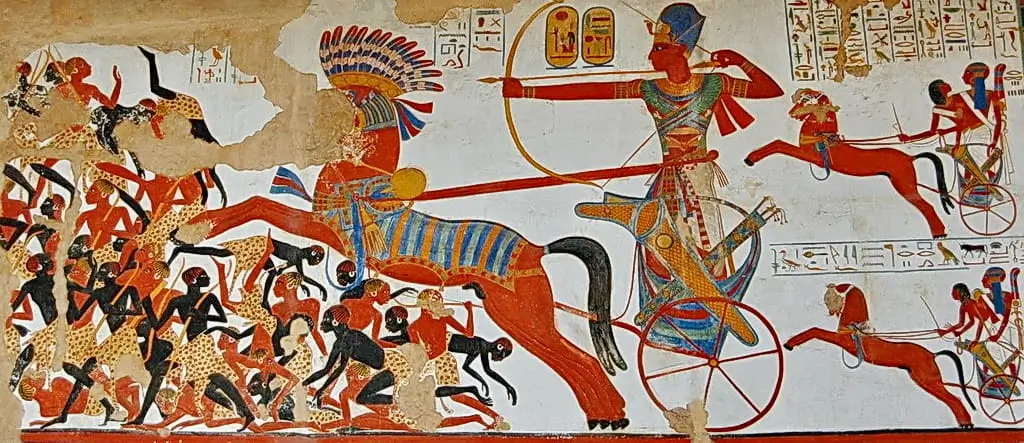
The Temple of Beit el-Wali, the oldest of the Nubian monuments built by Ramesses II, serves as a vibrant gateway into the 19th Dynasty’s history. This rock-cut sanctuary is renowned for its remarkably preserved interior, featuring military reliefs that depict the Pharaoh’s early conquests and a diverse array of southern tribute, including gold and African wildlife. Originally carved into sandstone cliffs near Aswan, the temple was meticulously relocated to the island of New Kalabsha during the 1960s UNESCO rescue mission. Today, it offers travelers and researchers an intimate look at ancient Egyptian artistry, where 3,300-year-old pigments remain vivid due to their accidental protection by early Christian plaster.
Wadi el-Sebua: Exploring the Sun Temple of Ramesses II in Nubia
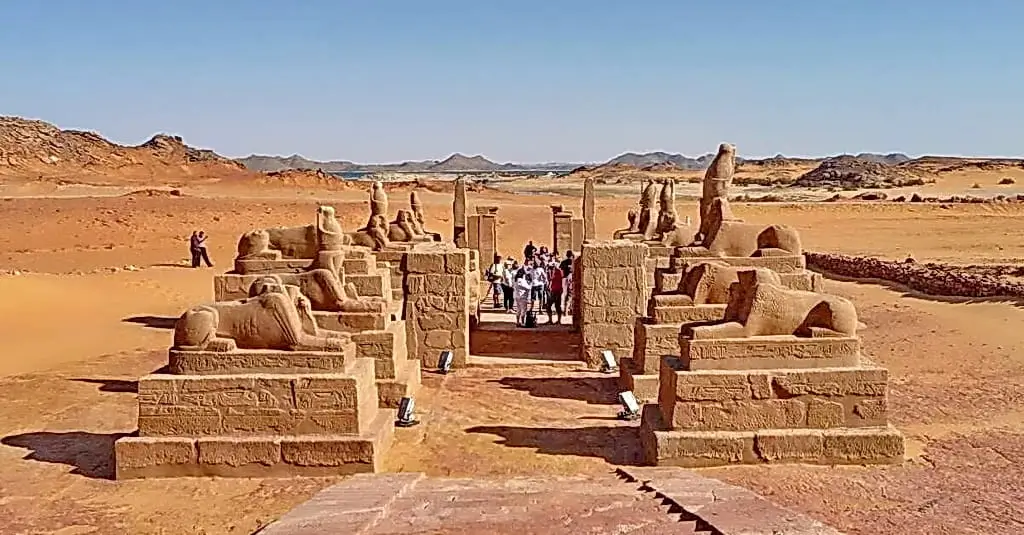
The Temple of Wadi el-Sebua, or the “Valley of the Lions,” is a spectacular New Kingdom monument built by Ramesses II. It features a famous avenue of sphinxes leading to a sanctuary carved directly into the desert rock. This “hidden gem” also reveals a unique history, as early Christians later converted the space into a church, layering Coptic art over Pharaonic reliefs. Saved by a massive UNESCO rescue mission, it remains an essential stop for travelers seeking the most well-preserved and atmospheric sites along Lake Nasser.
The Temple of Amada: History, Architecture, and the Great Move
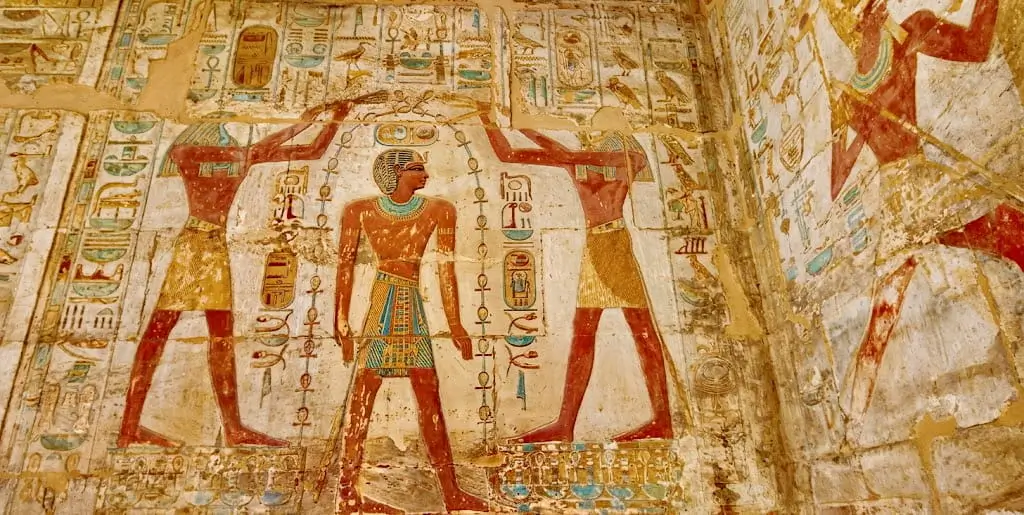
The Temple of Amada is the oldest Egyptian monument in Nubia and a masterpiece of New Kingdom art. While smaller than its neighbors, it features the region’s most vibrant, well-preserved reliefs from the reigns of Thutmose III and Amenhotep II. Beyond its ancient history, the temple represents a modern engineering triumph; to protect its delicate paintings from Lake Nasser, French engineers moved the entire structure in one piece on a specialized rail system. Today, it stands as an essential “hidden gem” for travelers seeking the finest examples of 18th Dynasty craftsmanship.
Moving Mountains: The Epic Relocation of the Abu Simbel Temples
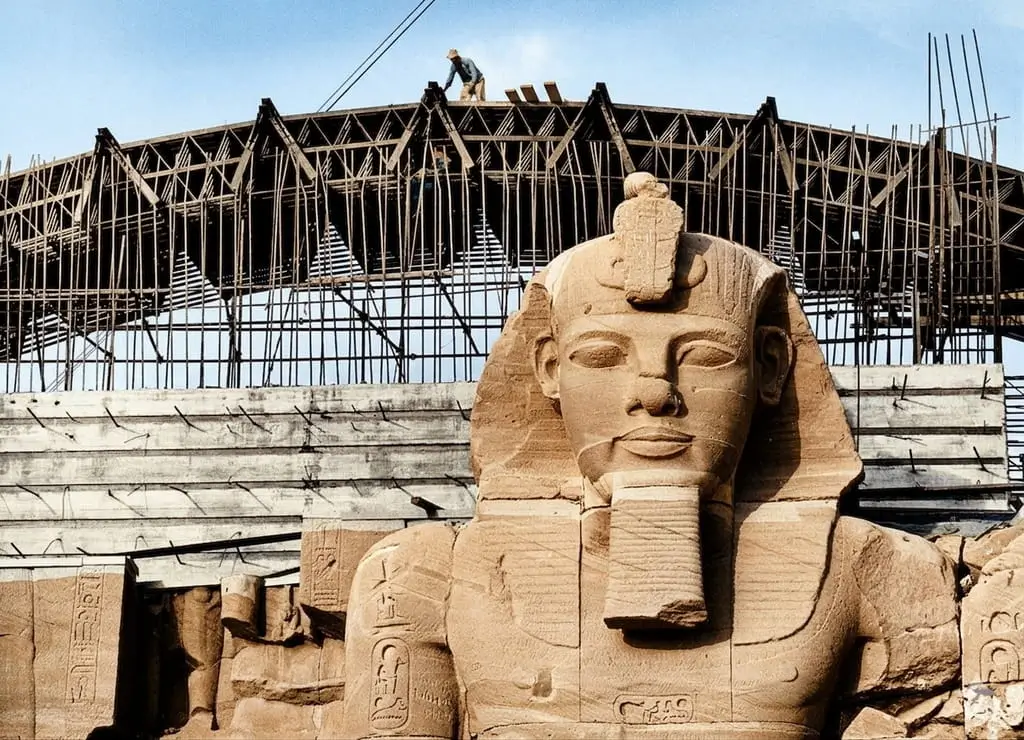
The relocation of the Abu Simbel temples was a massive international engineering feat carried out between 1964 and 1968 to save the ancient monuments from the rising waters of Lake Nasser. This project involved meticulously cutting the entire temple complex, including the colossal statues of Ramses II, into thousands of precision blocks weighing up to 30 tons each. These segments were then transported to a new site approximately 200 meters further inland and 65 meters higher than the original location. To preserve the site’s historical appearance and structural integrity, a giant reinforced concrete dome was constructed to support the artificial hill over the temples, ensuring that the alignment with the sun—a key architectural feature—remained intact.
The Great Temple of Ramesses II: The Eternal Glory of the Sun King
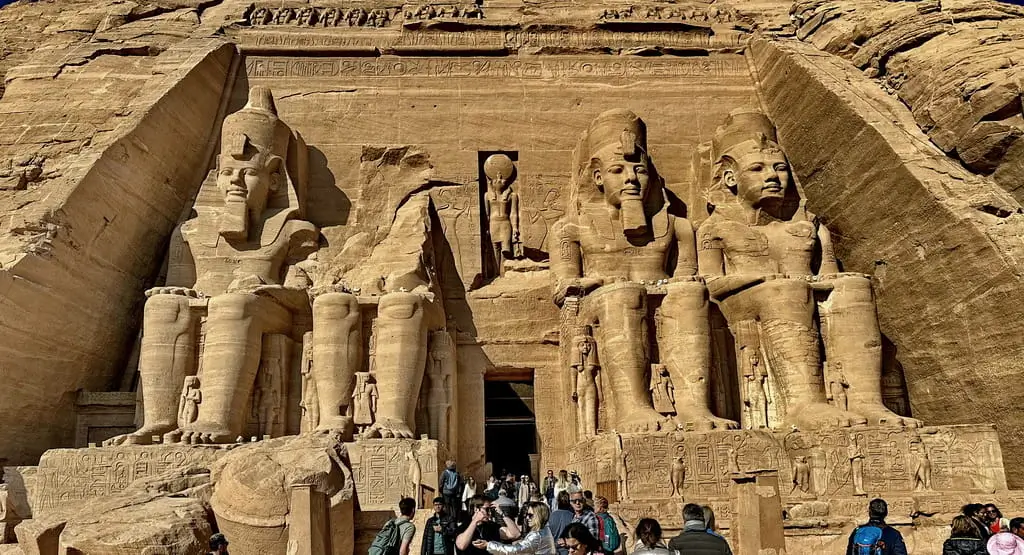
The Great Temple of Ramesses II at Abu Simbel stands as the definitive monument of the 19th Dynasty, embodying the absolute power and divine status of Egypt’s most famous Pharaoh. Carved directly into the Nubian cliffs, its façade is dominated by four colossal 20-meter statues that have guarded the southern frontier for over three millennia. Inside, the temple reveals a complex narrative of military triumph through the Battle of Kadesh reliefs and a profound mastery of science through its biannual solar alignment. Following its historic relocation by UNESCO in the 1960s, the temple remains an enduring symbol of human ingenuity, bridging the gap between ancient engineering and modern preservation.
The Temple of Nefertari: A Monument to the Queen of the Two Lands
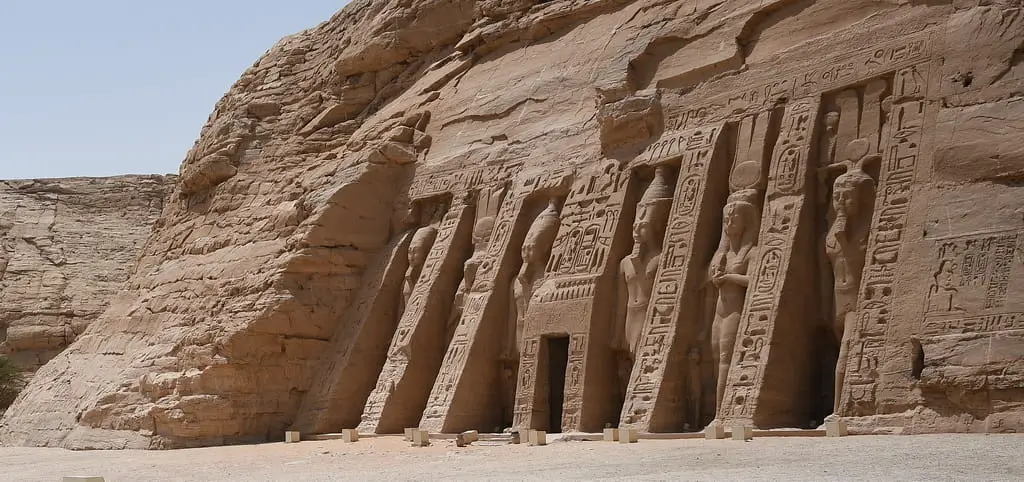
The Temple of Nefertari at Abu Simbel is a unique masterpiece of the 19th Dynasty, serving as a monument to both divine power and royal devotion. Dedicated to the goddess Hathor and Ramses II’s favorite wife, Nefertari, it famously defies tradition by carving the Queen’s statues at the same scale as the Pharaoh’s on its massive façade. Inside, the hall features “Hathoric” pillars and refined reliefs that depict Nefertari participating in sacred rituals as a divine equal. Following its dramatic 1960s rescue by UNESCO, this “Small Temple” remains a definitive symbol of the woman “for whom the sun shines” and a vital link in Egypt’s architectural history.
The Mortuary Temple of Mentuhotep II: The Architectural Pioneer of Deir el-Bahari
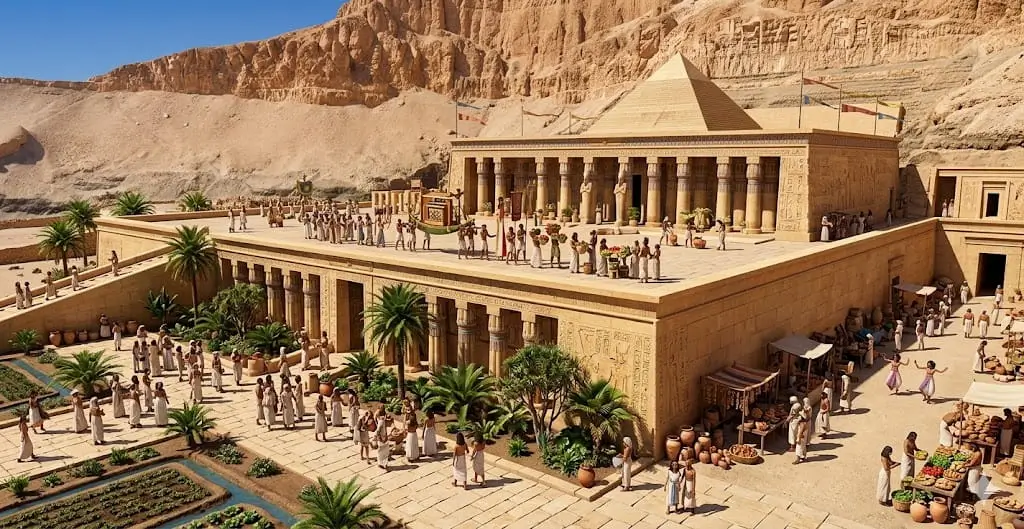
The Mortuary Temple of Mentuhotep II stands as a revolutionary masterpiece of Middle Kingdom architecture, dramatically set against the limestone cliffs of Deir el-Bahari. As the first terraced temple in the Theban Necropolis, it bridged the gap between the monumental pyramids of the Old Kingdom and the hidden, rock-cut tombs of the New Kingdom. This sanctuary served as a powerful political manifesto for Mentuhotep II, the “Second Founder of Egypt,” who commissioned the complex to celebrate the reunification of the Two Lands and the birth of the Middle Kingdom. Today, the site remains a profound “missing link” in Pharaonic history, having served as the direct architectural blueprint for the neighboring Temple of Hatshepsut built five centuries later.