Sema-Tawy: Ancient Egyptian Symbol of Unitifaction

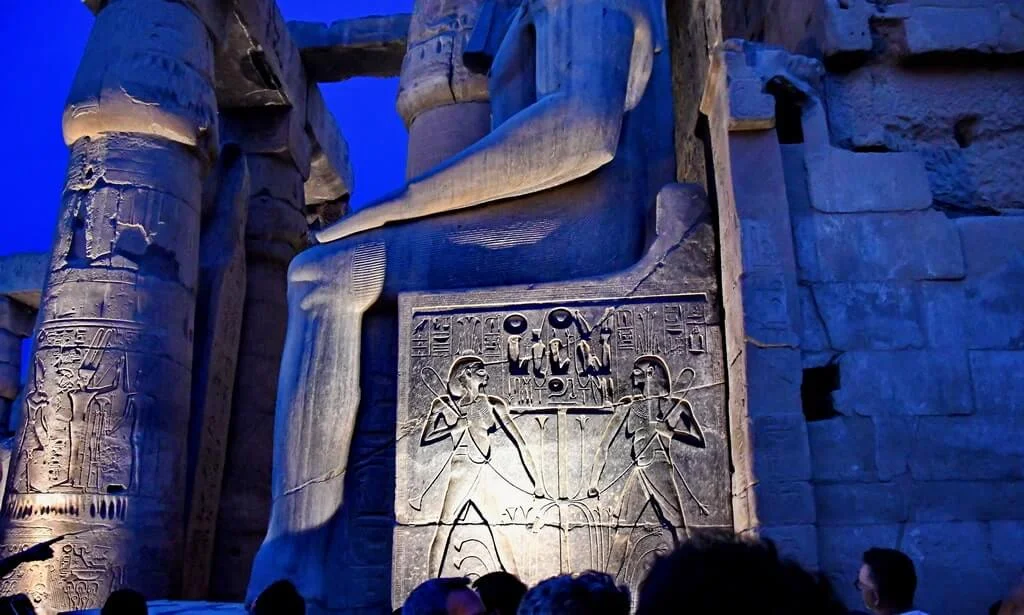
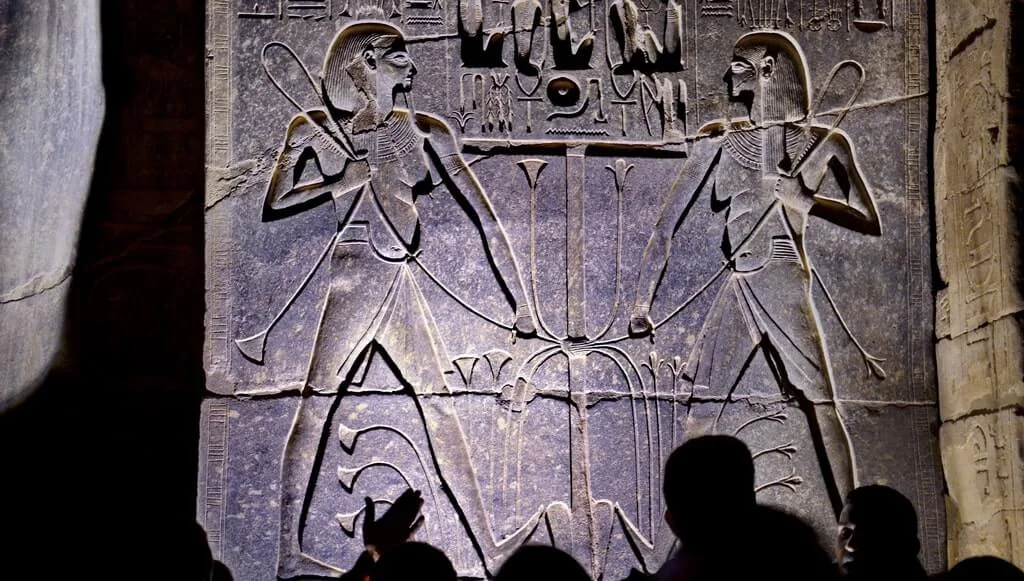
The Sema-Tawy is a powerful ancient Egyptian symbol that represents the unification of Upper and Lower Egypt. It visually depicts a papyrus plant (Lower Egypt) and a lotus flower (Upper Egypt) intertwined around the "sema" hieroglyph, which means "union." This symbol was used to legitimize the pharaoh's rule and reinforce the concept of cosmic order and balance (Ma'at). The Sema-Tawy was extensively used on royal thrones, temple walls, and statues throughout Egyptian history, demonstrating its central role in political and religious thought.
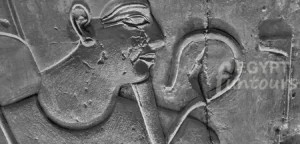
The eye of Horus
WhatsApp
Email
Print

Sema-Tawy: The Uniter of the Two Lands

The Sema-Tawy, a powerful and enduring symbol of ancient Egypt, visually encapsulates the nation’s core ideology. Translating to “The Uniter of the Two Lands,” this emblem goes far beyond simple decoration. It represents the perpetual unification of Upper and Lower Egypt and the pharaoh’s crucial role in maintaining this cosmic and earthly balance. Understanding Sema-Tawy provides a key to unlocking the political and religious foundations of a great civilization.

Divider

The Anatomy of a Sacred Symbol

ancient Egyptian lotus flower Egypt Fun Tours 1

The Sema-Tawy is built from a few distinct, yet intricately linked, elements. Each component holds profound meaning. At the heart of the symbol are two plants tied together in an intricate knot. The papyrus plant (Cyperus papyrus), a symbol of the lush, marshy delta of Lower Egypt, is entwined with the lotus flower (Nymphaea caerulea), representing the narrow river valley of Upper Egypt. This elegant union signifies the harmonious blend of these two distinct geographical and cultural regions, showcasing a unity that transcends their differences.

The Central Hieroglyph

The plants wrap around the “sema” hieroglyph (Gardiner sign F36). This hieroglyph, which depicts a windpipe and lungs, represents the very act of “union” or “joining.” It provides the literal meaning for the symbol, underscoring that the unification was not just a historical event but an active, breathing force maintained by the pharaoh. The sophisticated knotting further emphasizes the unbreakable nature of this bond.

Golden Scarab

The Divine Protectors

The divine protectors of Sema-tawy

Often, the gods Horus and Set flank the Sema-Tawy, physically binding the plants with their hands. Horus, the falcon-headed patron of Upper Egypt, represents kingship and order. Set, the mythical beast, represents Lower Egypt and chaos. Their presence references their mythological struggle, where Horus’s eventual triumph over Set brought stability and order to the world.

The eye of Horus

The Ideological Power of Sema-Tawy

The ideological power of Sema-tawy

The Sema-Tawy was more than a mere logo; it was a potent tool for propaganda and ideological reinforcement. The symbol was a powerful statement of the pharaoh’s right to rule. It visually confirmed his dominion over both Upper and Lower Egypt, a claim that legitimized his power in the eyes of his subjects and rivals. This was especially crucial during periods of internal strife or at the beginning of a new dynasty.

Cosmic Order and Duality

Ancient Egyptian cosmology was built on the concept of duality—light and dark, life and death, order and chaos (Ma’at and Isfet). The Sema-Tawy perfectly fit this worldview. It symbolized the pharaoh’s role as the divine agent who maintained Ma’at by preventing the “Two Lands” from descending back into chaos (Isfet). The pharaoh was the very embodiment of this balance.

Divider

Historical Usage and Legacy

Historical usage and legacy of Sema-tawy

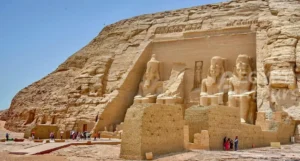
Scribes and artisans used the Sema-Tawy motif extensively throughout Egyptian history, from the Old Kingdom to the Ptolemaic Period. You can find the symbol on royal thrones, like Tutankhamun’s. It constantly reminded the ruler of their primary responsibility. Artisans also carved the Sema-Tawy into the bases of colossal statues. They placed it on the walls of temples. This placement declared the pharaoh’s power at the very foundations of his legacy.

The eye of Horus

Sema-Tawy: The Symbol’s Longevity

The Sema-Tawy stands as a timeless and powerful testament to the central role of unity in ancient Egyptian thought. It reveals how pharaohs presented themselves as divine maintainers of cosmic order. They eternally ensured the harmony of their kingdom. Its longevity proves the enduring nature of this core Egyptian principle.

Current weather in Egypt

Divider
6 Days Luxury Tour {Egypt Treasures} - Cairo and Nile Cruise Affordable Tour Package

A trip of a lifetime in a 10 hour layover!

We recently scheduled a layover tour in Cairo through Egypt Fun Tours. Our layover was 10 hours and we scheduled the tour just about a day and a half before our arrival. When we arrived in Cairo we very easily made our way out of the airport (after getting our

More »
15-Day Historical Egypt Tour Package

all good!

we took pyramid and Cairo city tours and all went smoothly. The were very flexible to adapt to our requirements. Car, car driver and guide were great. very knowledgable and professional tour. Very recommendable

More »
4 Days Egypt Experience for Solo Woman Egypt Fun Tours min 1

Amazing experience

My husband and I had a ten-hour layover in Cairo and luckily found Egypt Fun Tours while researching tour companies online. The owner, Hamada, picked us up from the airport and brought us around Cairo. He took us to see the pyramids, which was a memory I will never forget.

More »

Amazing one day tour

Fantastic tour. We were picked up at the airport early in the morning (6 am), and were dropped off in the evening after discovering amazing Cairo. The guide was knowledgeable and took us to many hidden places, which we wouldn’t have found without him. Thank you!

More »
God_Anubis_Icon

Top-rated Tour Packages

God_Anubis_Icon
WhatsApp
Email
Print