Siwa Open Market: A Guide to the Hidden Treasures of the Berber Oasis

The Siwa Open Market is the cultural heart of Egypt's most remote Berber oasis. Located at the base of the historic Shali Fortress, this market specializes in authentic Siwi silver jewelry, hand-woven palm-leaf baskets, and world-famous organic dates. Unlike the high-energy bazaars of Cairo, Siwa offers a peaceful atmosphere where trade follows a slow desert rhythm. It is the premier destination for travelers seeking "Liquid Gold" olive oil and the symbolic five-color embroidery that defines the identity of the Western Desert.

Siwa Open Market: The Treasure of the Sunset Oasis

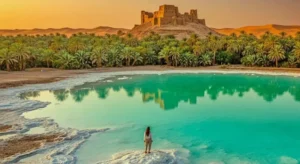
The Siwa Open Market lies deep in the Western Desert, 600 kilometers from Cairo. Locally called Market Square or Bazar Shali, it is the cultural heart of Egypt’s most remote oasis. Unlike the busy Nile bazaars, Siwa reflects a unique Berber heritage and centuries of desert peace. The air smells of sun-dried dates, and trade follows the slow rhythm of the Sahara.

The Guardians of Berber Craftsmanship

The Siwa Open Market is the only place in Egypt where you can find authentic Siwi-Berber handicrafts. These items are not mere souvenirs; they are deeply symbolic tools of daily life and identity.

  • Siwi Silver Jewelry: Unlike the gold-centric markets of Cairo, Siwans have a historical preference for silver. Look for the Aghraw, a heavy, solid silver collar, or large, engraved bracelets featuring geometric patterns that are distinctly North African.
  • Intricate Embroidery: Siwi embroidery is world-famous for its five traditional colors: green, red, orange, yellow, and black. These represent the stages of a ripening date. You will find this work on Galabeyas, wedding veils, and the unique Asherah Nahwak (traditional wedding dresses).
  • Palm-Leaf Basketry: Using the abundance of the oasis, Siwan women weave “Maamourah” baskets. These are often conical, decorated with red leather and mother-of-pearl buttons, and were traditionally used to store a bride’s trousseau.
FUN

Siwa Open Market: The “Liquid Gold” and Desert Harvests

Siwa Open Market; The Liquid Gold and Desert Harvests

Siwa is a global agricultural heritage site, and its open market is the primary outlet for its famous organic produce. Because the oasis remained semi-isolated until the 1980s, the farming methods remain largely unchanged by modern chemicals.

  1. Siwa Dates: Often called the best in the world, look for the Siwi, Frehi, and the rare, honey-like Takdat varieties.
  2. Extra Virgin Olive Oil: Siwan olive oil is prized for its low acidity and rich, buttery flavor. You can buy it fresh from the press at the market stalls.
  3. Salt Lamps and Crystals: Sourced from the surrounding salt lakes, these hand-carved lamps glow with a warm, peach-colored light and are believed by locals to clear the air of negative energy.
FUN

Siwa Open Market: Navigating the Market Square

Siwa Open Market Navigating the Market Square

The market is centered around the shadow of the Shali Fortress, the 13th-century mud-brick citadel that once housed the entire population. Shopping here is a communal experience.

  • The Afternoon Ritual: The market truly comes alive after the mid-day heat has passed. In the late afternoon, the square fills with local men sharing tea and children playing, creating an atmosphere that is more “village gathering” than “tourist trap.”
  • Fixed Prices vs. Haggling: While haggling is common in Egypt, many Siwan shopkeepers prefer a more straightforward approach. If a price seems fair, it usually is. A polite negotiation is fine, but aggressive bargaining is often seen as disrespectful in this quiet community.
  • The Language of the Oasis: While everyone speaks Arabic, you will hear the locals speaking Siwi (a Berber dialect). Learning a simple “Azul” (Hello in Berber) will immediately open doors and earn you a warm smile.

Khan el-Khalili: Your Guide to Cairo’s Historic Bazaar

Khan el-Khalili is one of the world's most famous historic markets, located in the heart...
Related post
FUN

Siwa Open Market: Practical Visitor Information

Siwa Open Market Practical Visitor Information

  • Best Time to Visit: The spring (March–April) and autumn (October–November) provide the most comfortable temperatures for exploring the outdoor stalls.
  • Location: The main market square sits directly at the base of the Shali Fortress in the center of Siwa Town.
  • Etiquette: Siwa is a very conservative and traditional society. People should dress modestly (covering shoulders and knees) to show respect for the local culture.
  • Currency: Cash is essential. There are very few ATMs in the oasis, and they can occasionally run out of bills or reject international cards.

Exploring the Luxor Tourist Market: The Vibrant Heart of Ancient Thebes

The Luxor tourist market, or Sharia el-Souq, is a captivating open-air bazaar that serves as...
Related post
FUN

Siwa Open Market: Completing Your Siwan Journey

After you have explored the Siwa Open Market, continue your immersion into the “Sunset Oasis” with these nearby stops:

  1. The Siwa House Museum: Located a short walk from the market, this traditional house displays antique silver and wedding costumes in their original context.
  2. Cleopatra’s Bath: After a long afternoon of shopping, head to this natural stone pool for a refreshing dip and a glass of hibiscus tea at a nearby cafe.
  3. Sunset at Fatnas Island: Just a 15-minute drive from the market, this is the definitive spot to watch the sun sink into the salt lake.

The Siwa Open Market is a place where time seems to have slowed down to wait for you. It is the perfect destination to find a piece of the “real” Egypt—one made of salt, sand, and silver.

The Aswan Tourist Market: A Definitive Guide to Egypt’s Southern Souq

The Aswan tourist market, or Sharia el-Souq, is a vibrant three-kilometer bazaar that serves as...
Related post
FUN

The Visual Language of Siwa: A Heritage Symbol Guide

In the Siwa Open Market, the vibrant embroidery found on traditional dresses (Asherah Nahwak) and wedding veils is far more than decoration. It is a coded language that tells the story of the oasis’s fertility, the changing seasons, and the protection of the wearer. When you purchase an embroidered piece in Siwa, you are carrying a map of Berber cosmology.

The Five Sacred Colors

Siwi embroidery is strictly defined by five specific colors. Each represents a stage in the life cycle of the Date Palm, which is the lifeblood of the oasis:

  1. Green: Represents the young, growing fronds and the start of life.
  2. Yellow: Symbolizes the first ripening of the dates.
  3. Red: Stands for the fully ripe fruit and the heat of the desert sun.
  4. Orange: Represents the harvest and the golden glow of the sunset.
  5. Black: Symbolizes the earth and the deep shadows of the palm groves.

Common Symbols and Their Meanings

  • The Sun Disk: Often found at the center of a chest piece, this circular pattern honors the sun that sustains the desert.
  • The Palm Tree: Stylized vertical lines signify the “Tree of Life,” representing stability and family lineage.
  • The Protective Eye: Unlike the blue “Evil Eye” common in Cairo, Siwi embroidery uses geometric triangles to “pierce” negative energy and protect the wearer from envy.
  • Salt Crystals: Small diamond shapes represent the salt lakes that surround the oasis, symbolizing purity and the wealth of the land.
Explore the Giza pyramids, Cairo Museums, Islamic and Coptic Cairo, and many more...
Discover ancient and modern Egypt and have fun in Hurghada beach resort....
God_Anubis_Icon

A great day!!!!

Thank you Hamada for an incredible day! Thank you for the stories and the history, you are so knowledgeable and we didn’t feel rushed at all or like we missed out on things, will definitely be recommending this tour to everyone 🙂

More »

Jeep Safari in the Sahara

I contacted Hani two days before I went to Egypt and asked him if it was possible to combine two of their tours as we were short on time. We had planned to stay in Cairo but with the uprising we decided it would be safed outside of the hot

More »

Alexandria! Wow!

Muhammad is the best! He showed me a world I never thought possible! The tombs in Alexandria, by far, were my favorite! I never knew there was a place on earth that contained both Greek and Egyptian carvings in the same tombs! The history and culture of Egypt is so

More »
Souqs and Markets in Egypt - Egypt Fun Tours

Cairo walking tours

After a rocky start (the driver had been in an accident on his way to pick me up,) the company very quickly sent another driver/guide named Mohammed, who was a real pro. Thoroughly enjoyed my first day in Egypt!

More »

Great layover Tour!!

I had an excellent layover tour with Hani. He is knowledgable, fun, and passionate about his city. I went for a tour of the pyramids, sphinx, and to a papyrus factory which were all great. Ask him any question about Egyptian history and he will surely know the answer! Also

More »
God_Anubis_Icon

Top-rated Tour Packages

God_Anubis_Icon