
The Thirty-first Dynasty of Egypt: The Dawn of the Second Persian Period
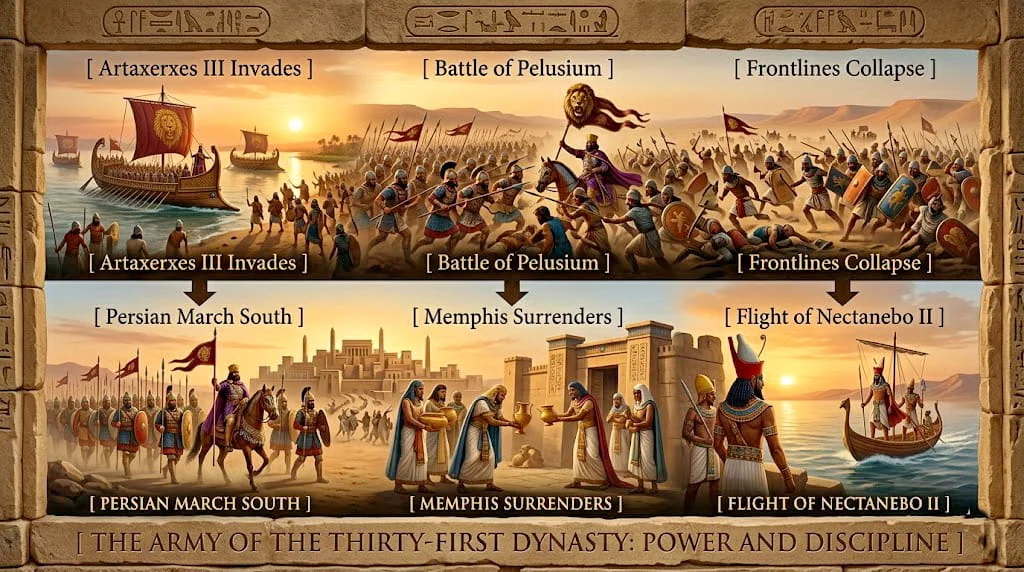
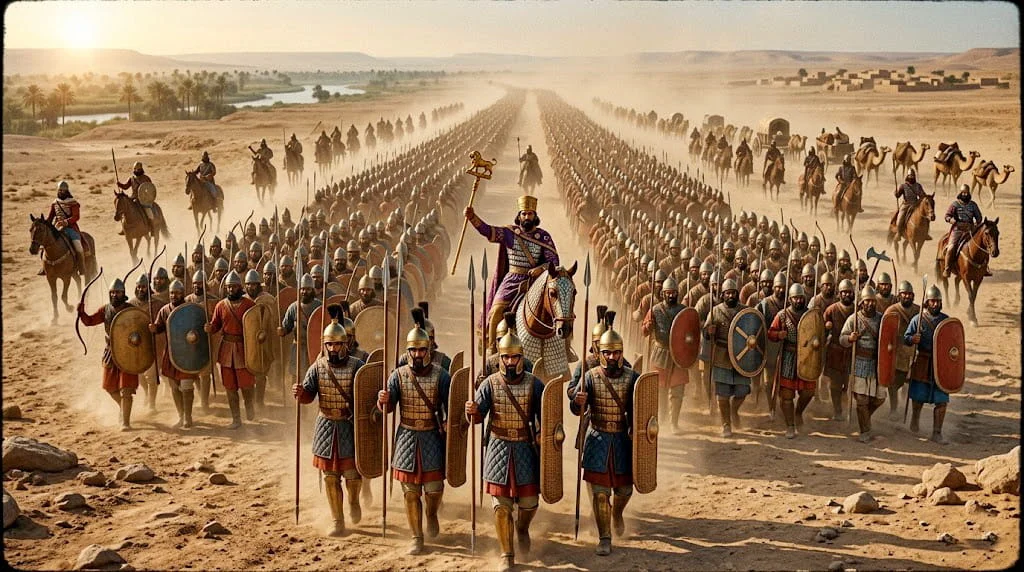
The year 343 BCE brought deep trauma to the Nile Valley. The final native pharaoh, Nectanebo II, gathered his royal treasures and fled south into Nubia. His escape shattered a three-thousand-year-old tradition of native rule. In his wake, the triumphant Achaemenid Empire swept across the land. This invasion established the Thirty-first Dynasty of Egypt, which historians also refer to as the Second Persian Period.
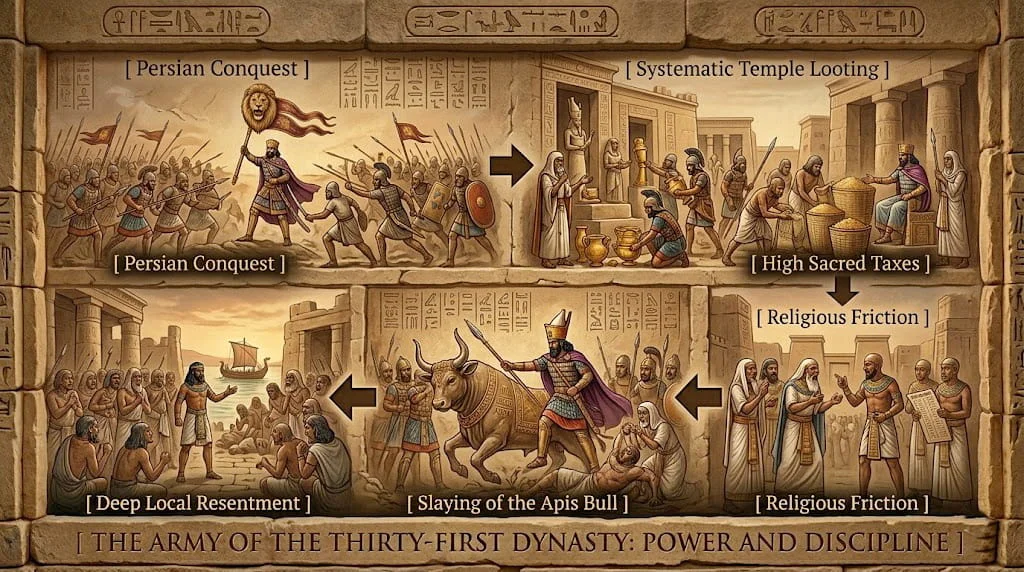
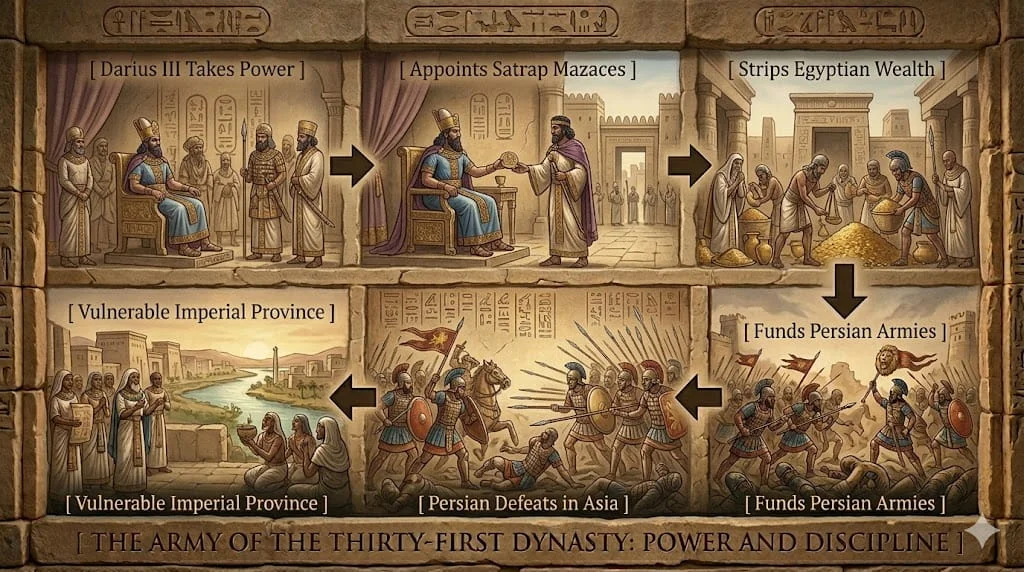
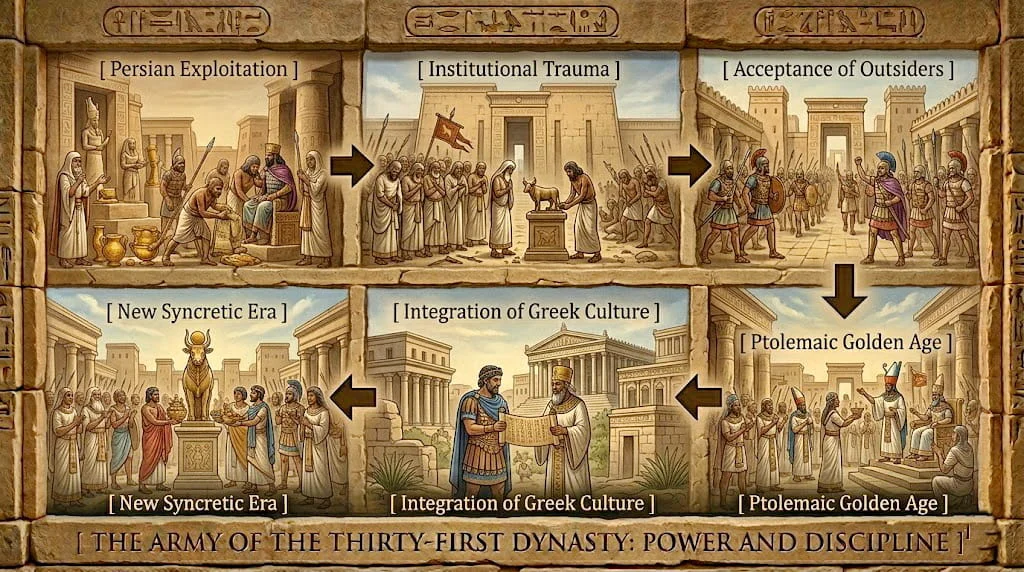
Unlike older Egyptian eras, this brief dynasty (343–332 BCE) left no grand monuments. Rulers completely ignored the peaceful maintenance of Ma’at. Instead, the era brought military oppression, heavy taxes, and deep religious conflict. The Persian Great Kings did not rule as divine living gods. They viewed Egypt simply as a distant province to exploit.
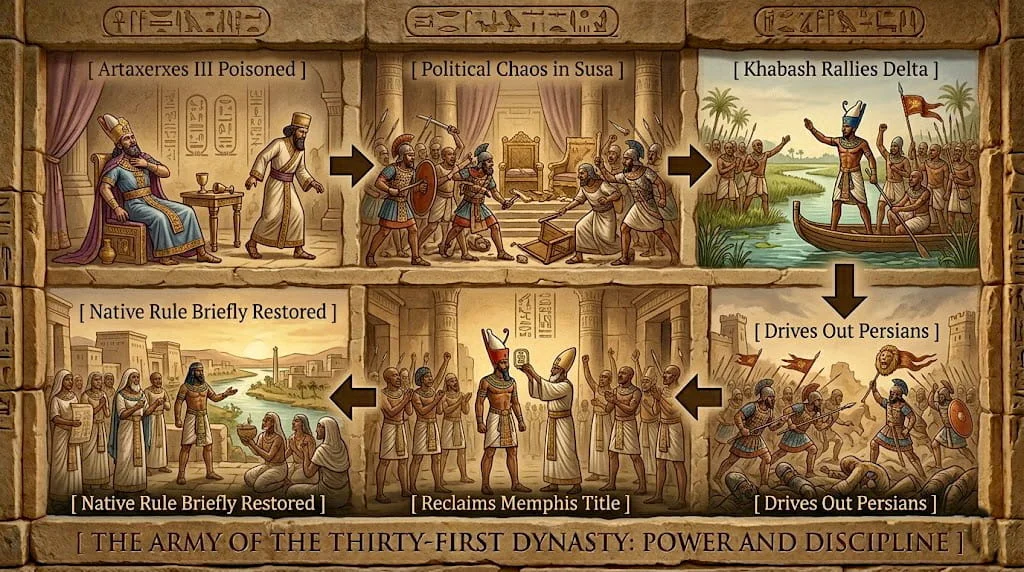
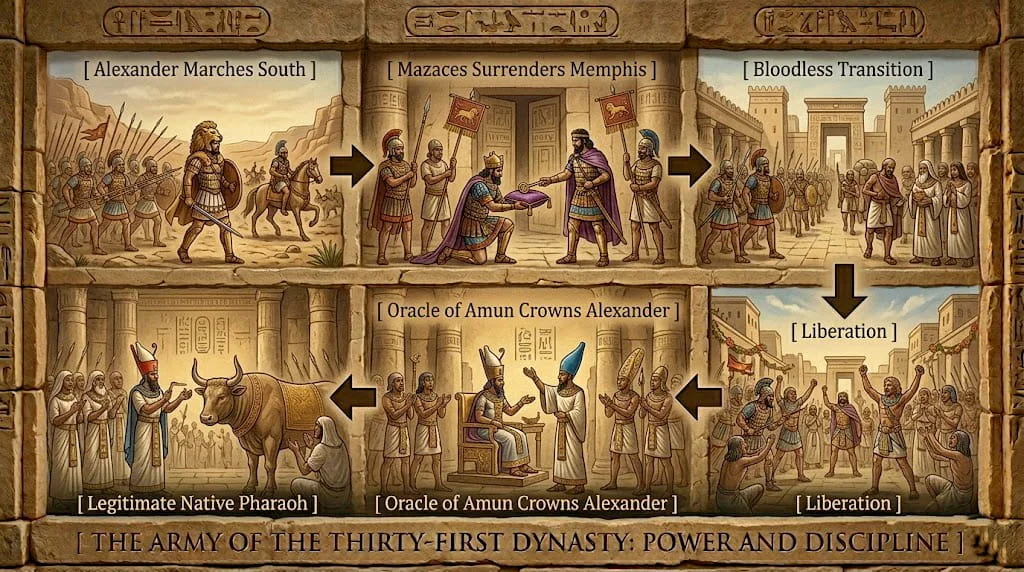
This harsh treatment soon sparked fierce local rebellions. The Nile Delta quickly became a dangerous frontline of native resistance. By exploring this dark twilight of the Late Period, we see exactly why the Egyptian people changed. They eventually welcomed Alexander the Great not as an enemy, but as a true savior.