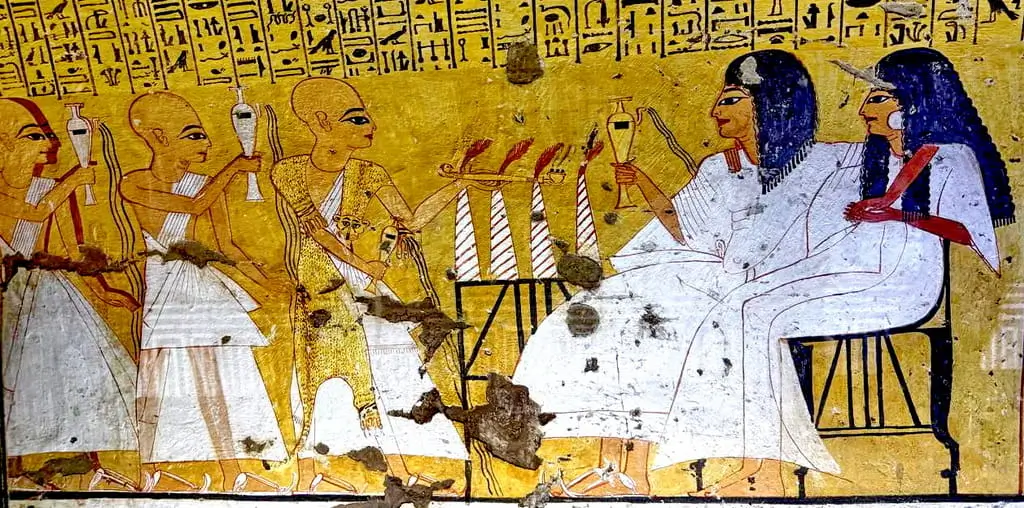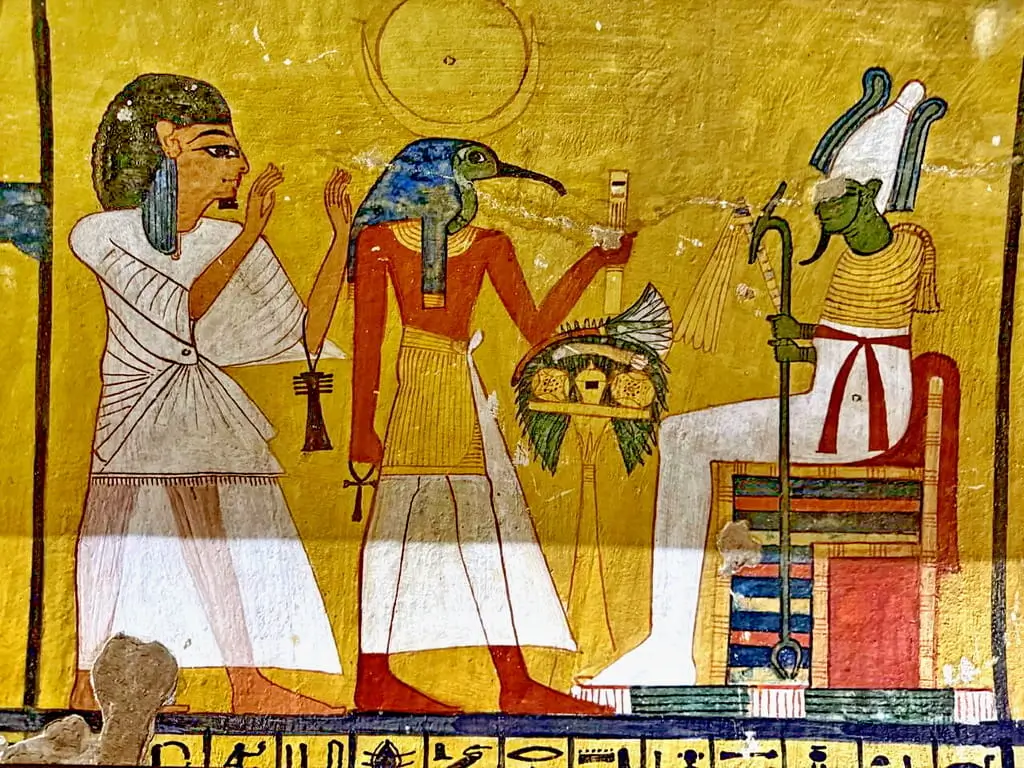
The Tomb of Inherkhau (TT359) stands as one of the final great artistic achievements of the New Kingdom. Located in the heart of Deir el-Medina, this tomb belonged to a man of immense influence. As the “Foreman of the Lord of the Two Lands,” Inherkhau didn’t just build tombs; he supervised the entire workforce responsible for the royal burials of the 20th Dynasty. His own final resting place reflects that high status, showcasing a level of detail and mythological complexity that rivals the royal valley itself.
The Tomb of Inherkhau: Artistic Evolution
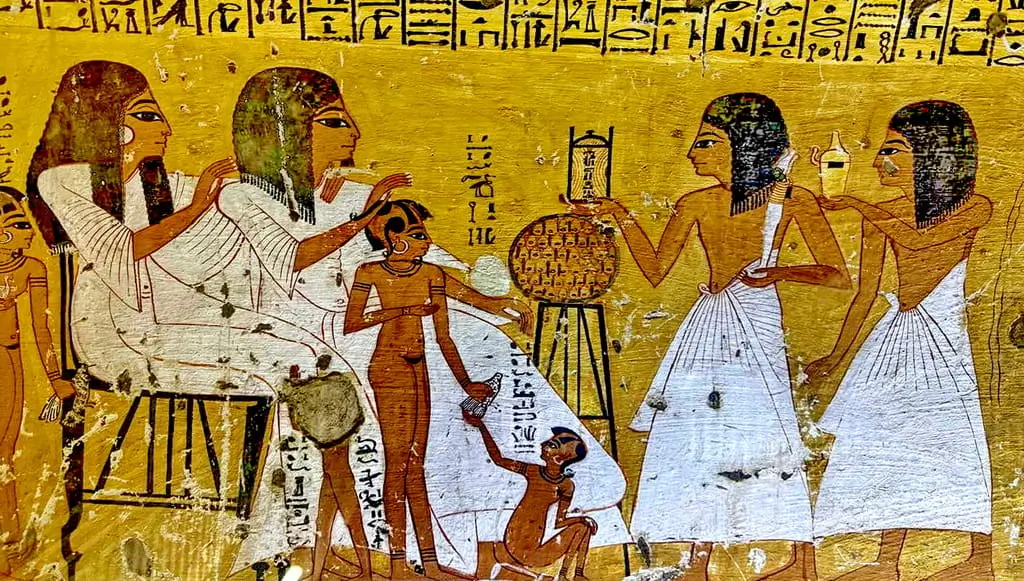
What sets Inherkhau’s tomb apart is its incredible preservation and its shift in style. By the time of Ramesses III and Ramesses IV, the artistic traditions of the artisans had evolved. The paintings here move away from the simple daily life scenes of earlier eras, focusing instead on the deep, mysterious rituals of the Book of the Dead and the Book of Gates. The vibrant colors and steady, professional brushstrokes prove that Inherkhau had the very best artists in the world—his own crew—decorating his walls.
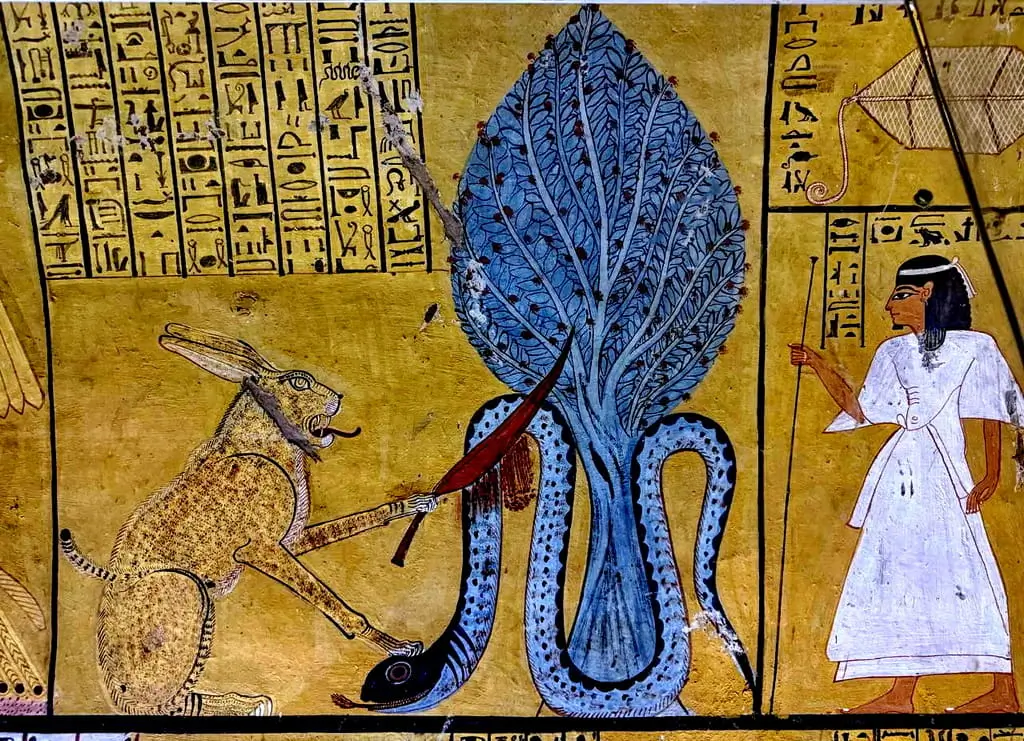
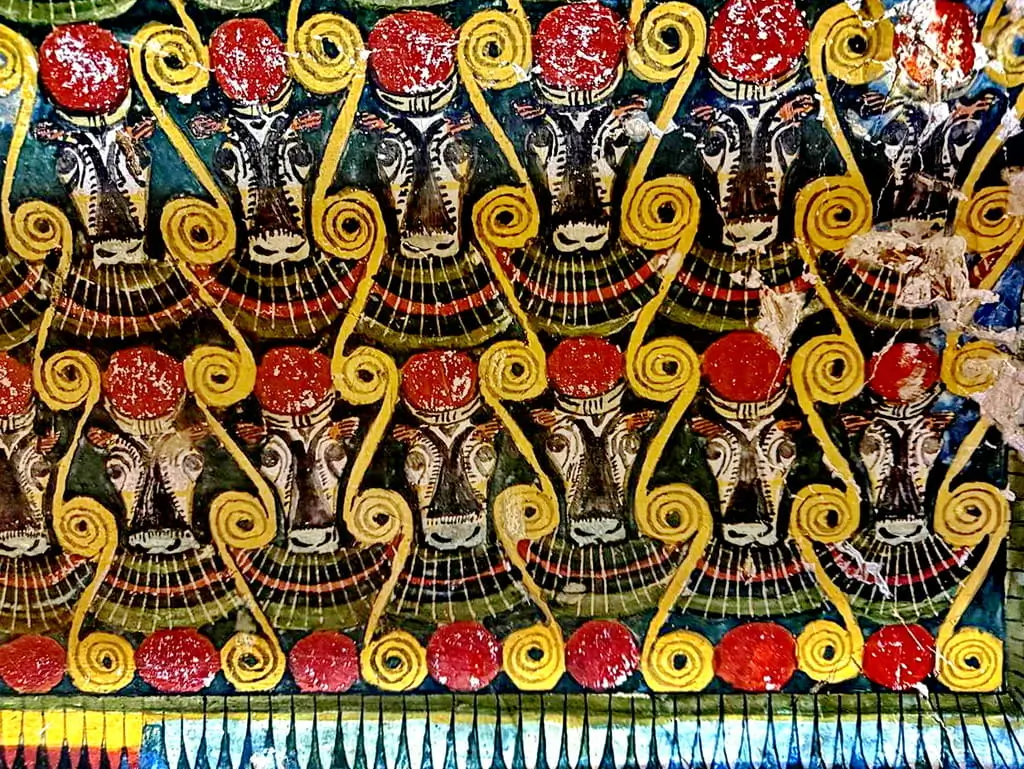
Visitors often name TT359 as a highlight of the West Bank because it contains some of the most iconic “textbook” images in Egyptology. From the famous battle between the Great Cat of Heliopolis and the serpent of chaos to the intricate, patterned ceilings, the tomb feels like a sacred art gallery. It offers a rare opportunity to see the 20th Dynasty at its creative peak, through the eyes of the man who literally held the keys to the most important construction site in ancient Egypt.