
A Hidden Gem of Dra’ Abu el-Naga
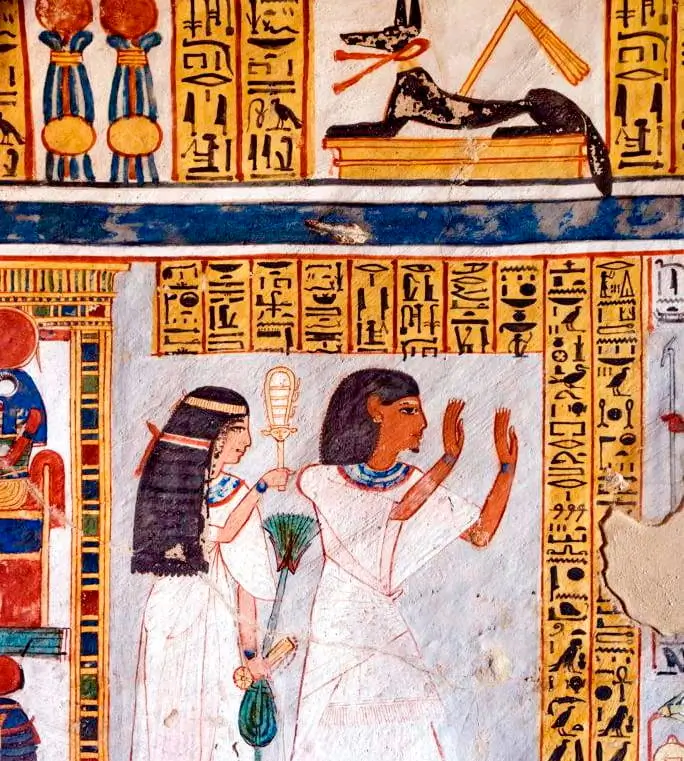
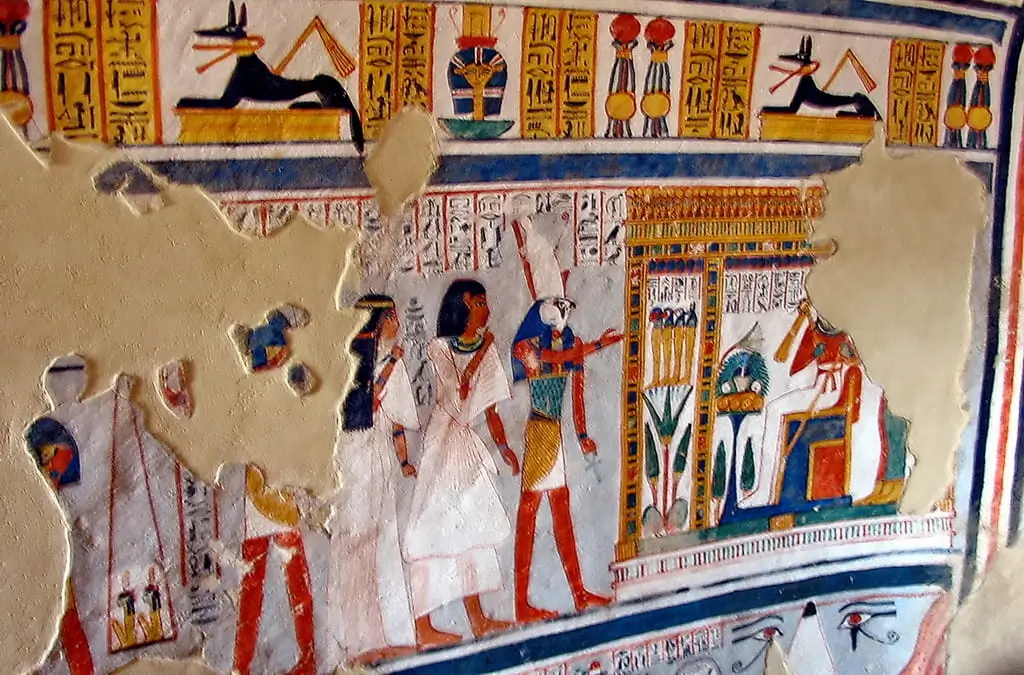
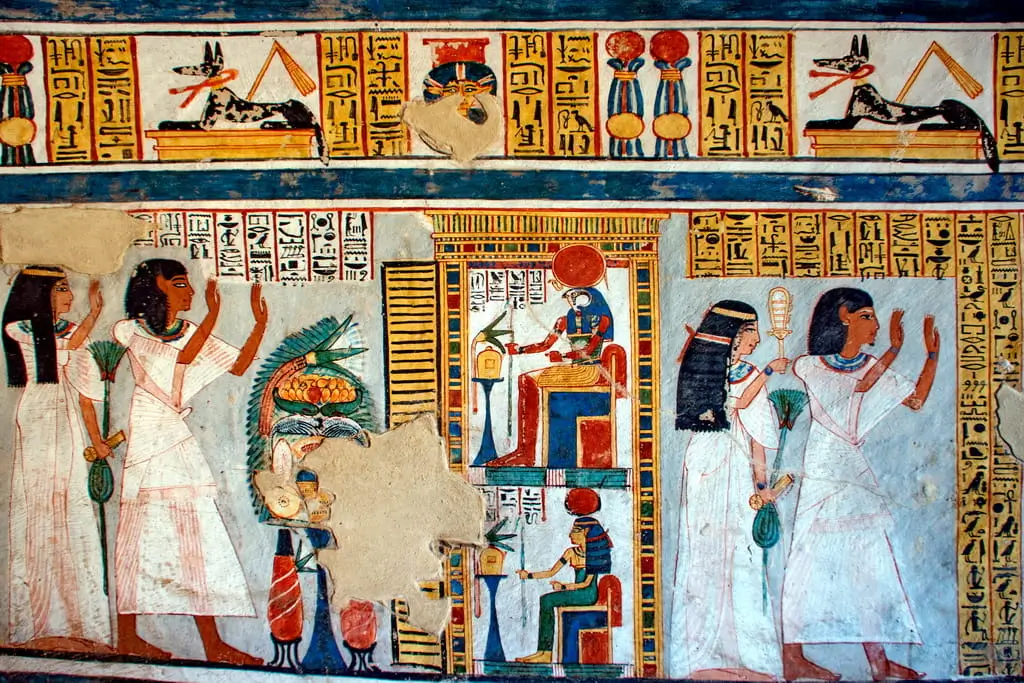
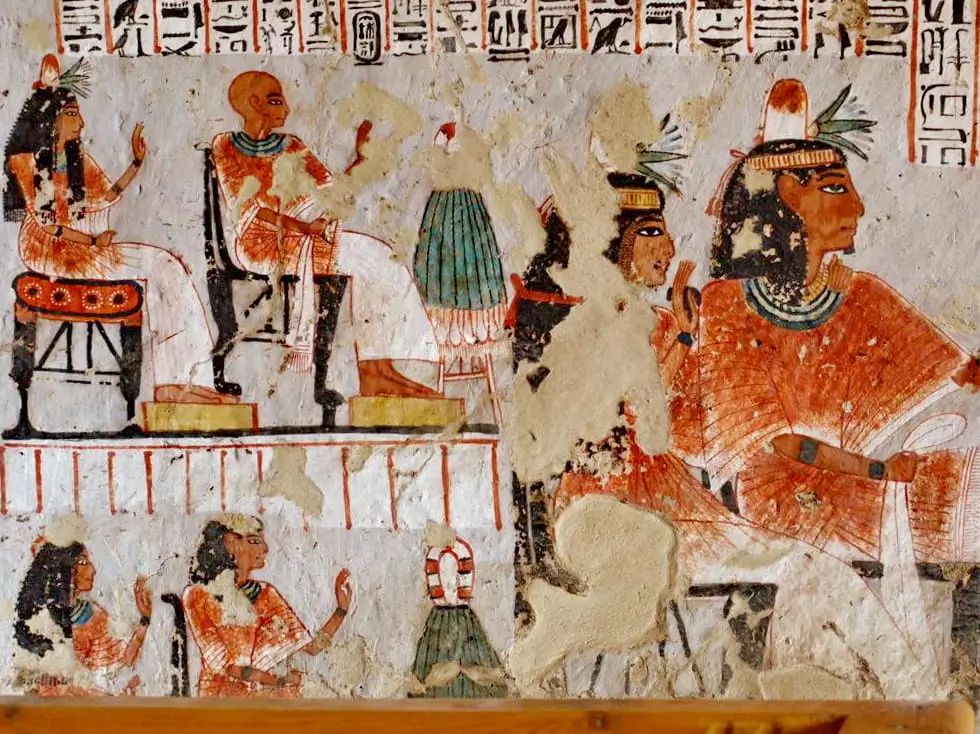
The Tomb of Roy (TT255) proves that a small space can hold immense beauty. Located in the necropolis of Dra’ Abu el-Naga, this late 18th-Dynasty tomb belonged to a man named Roy. He served as a “Royal Scribe” and the “Steward of the Estates of Horemheb.” Although the tomb consists of only one small chamber, its vivid colors and master-level brushwork make it a highlight of the West Bank.
A Period of Artistic Rebirth
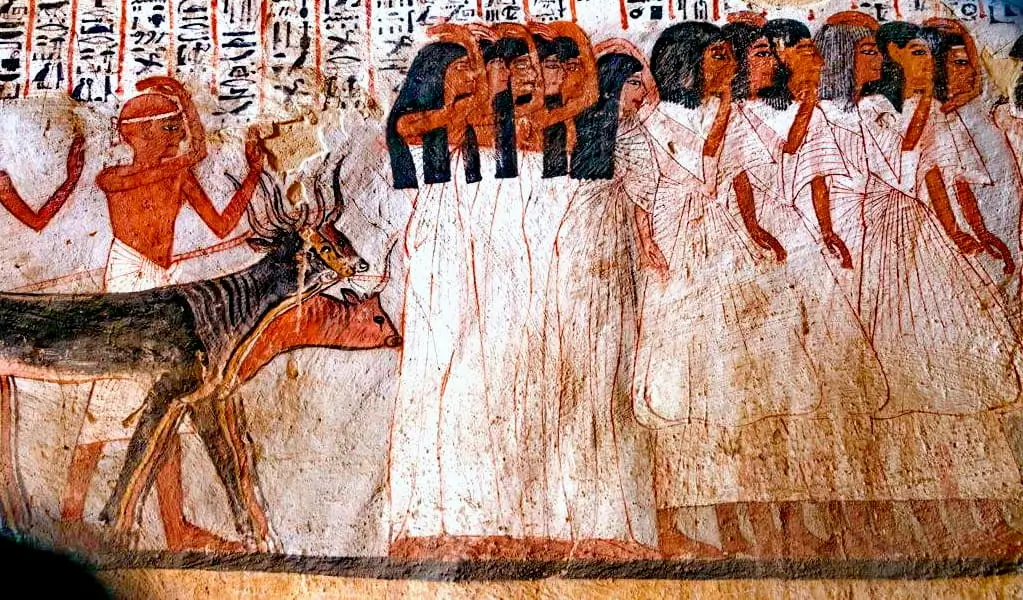
Roy lived during the reign of King Horemheb, a pivotal time in Egyptian history. Because this era followed the Amarna Period, artists were returning to traditional religious themes. However, they kept the graceful, fluid style of the previous years. As a result, the murals in TT255 feel alive. You can see this energy in the rhythmic movements of mourning women and the detailed scenes of the grain harvest.
Intimate Detail and Vivid Color
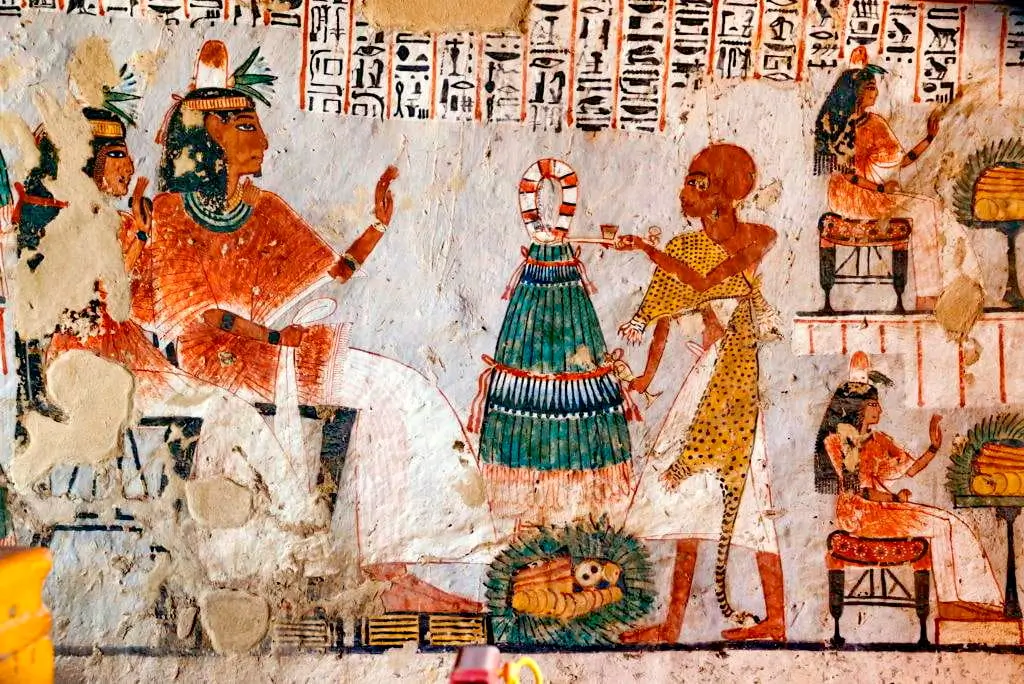
Furthermore, the tomb offers a much more personal experience than the massive royal valleys. The white-washed walls reflect light perfectly, making the ancient pigments look remarkably fresh.
- The Palette: The artists used bright blues, deep reds, and rich greens that have not faded over 3,000 years.
- The Craftsmanship: Because Roy was a high-level official, he hired the finest draftsmen to illustrate his journey to the afterlife.
Consequently, the Tomb of Roy serves as a perfect “snapshot” of elite life at the end of the 18th Dynasty. It reminds every visitor that in ancient Egypt, the quality of the art mattered far more than the size of the room.