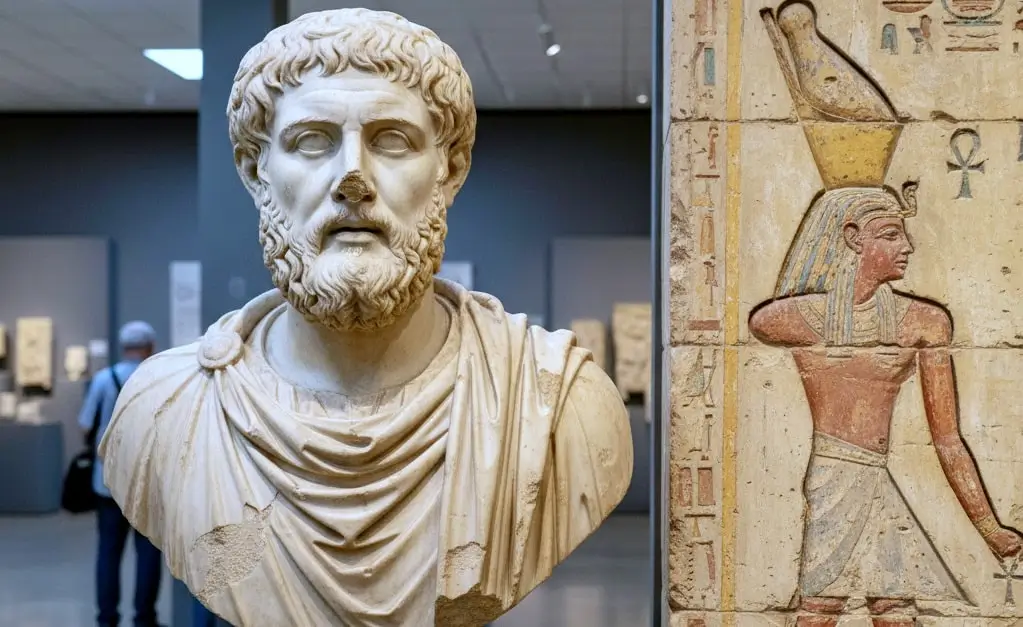
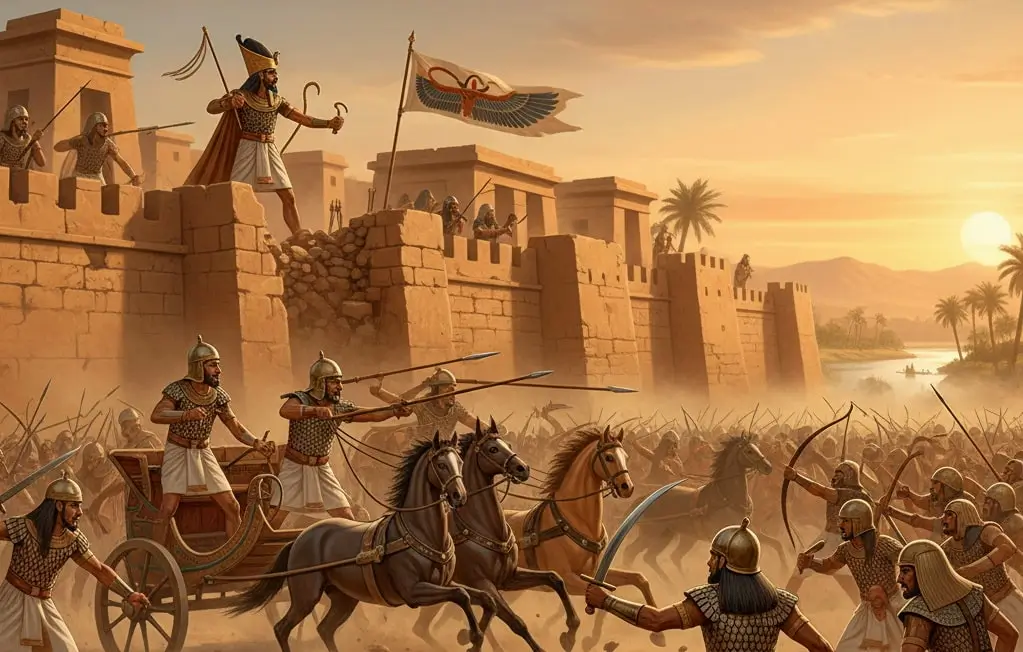
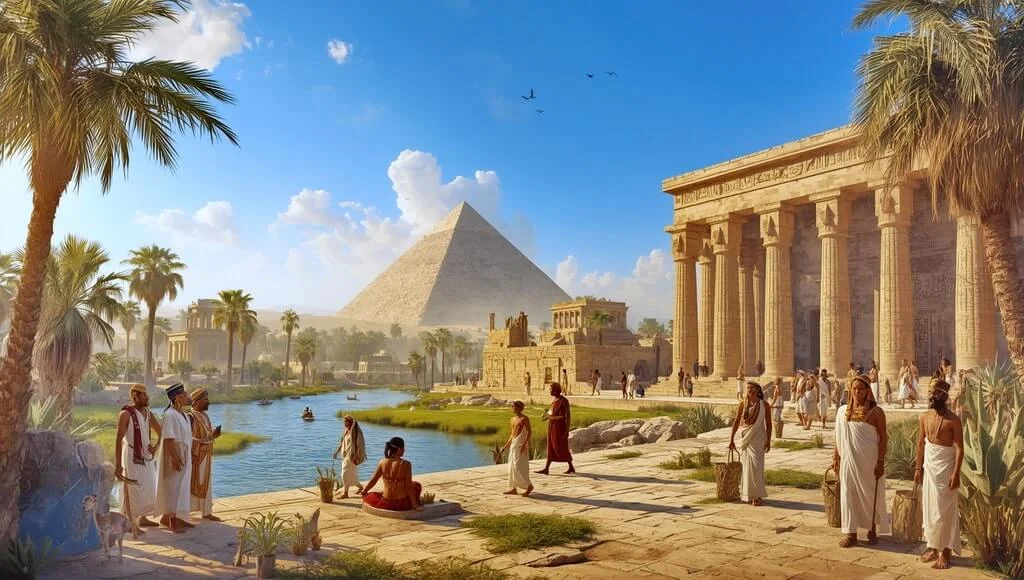
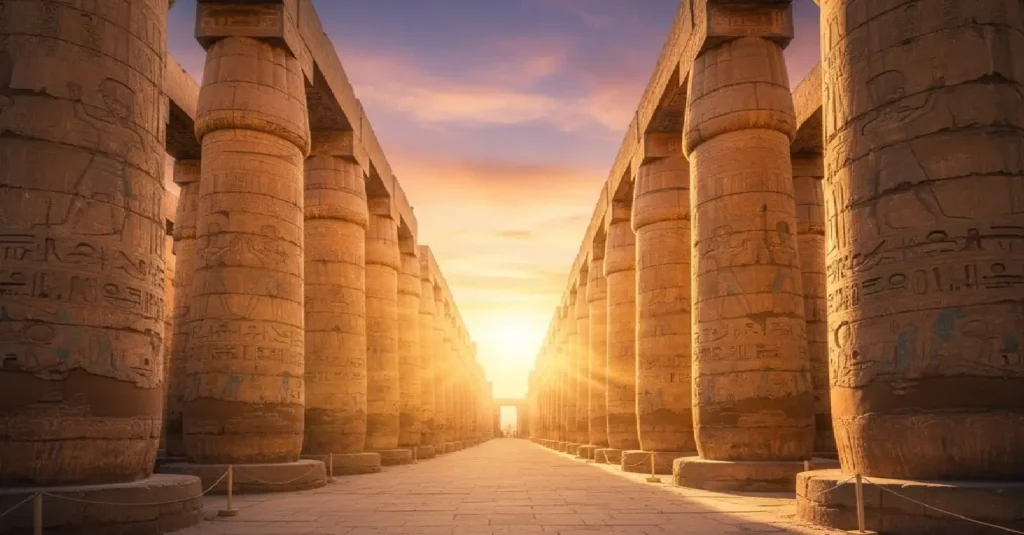
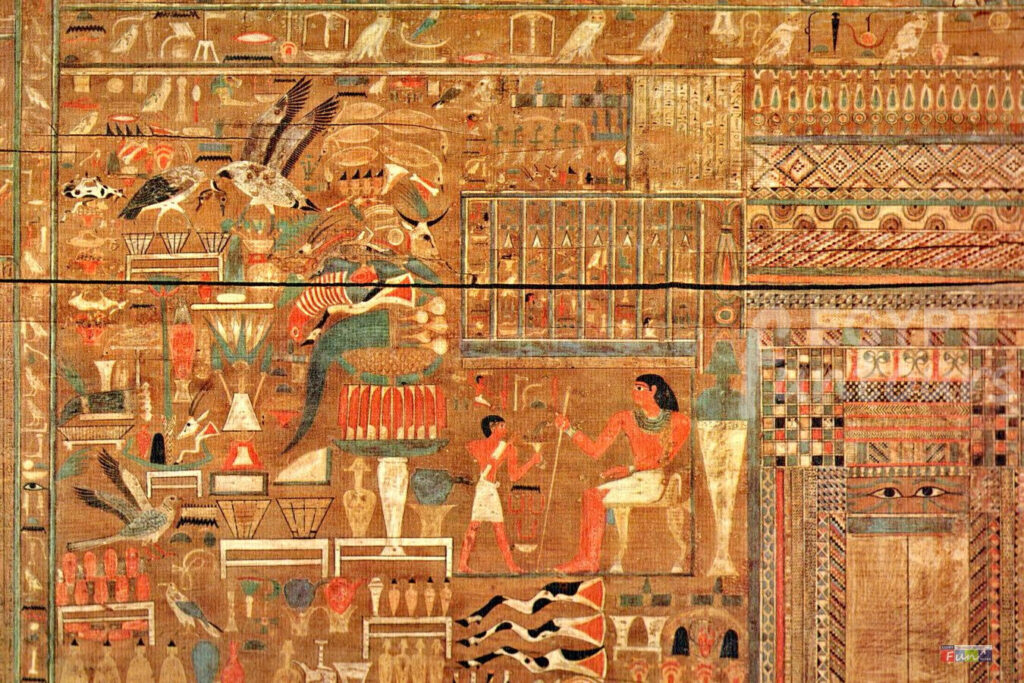
Welcome to the definitive timeline of the land of the Pharaohs. To truly experience the magic of Egypt, one must understand the layers of time beneath the sand. Egypt’s historical eras represent over 3,000 years of innovation, power, and architectural wonder.
From the first stones of the Step Pyramid to the golden treasures of Tutankhamun, each period offers a unique window into a civilization that shaped the modern world. Whether you are planning your first trip or are a seasoned history enthusiast, this guide will help you navigate the epic chronology of the Nile.
Ancient Egypt Timeline: Eras, Rulers & Landmarks
Historical Era
Approximate Dates
Famous Pharaohs
Must-See Monuments
Early Dynastic
3100 – 2686 BCE
Narmer (Menes), Djer
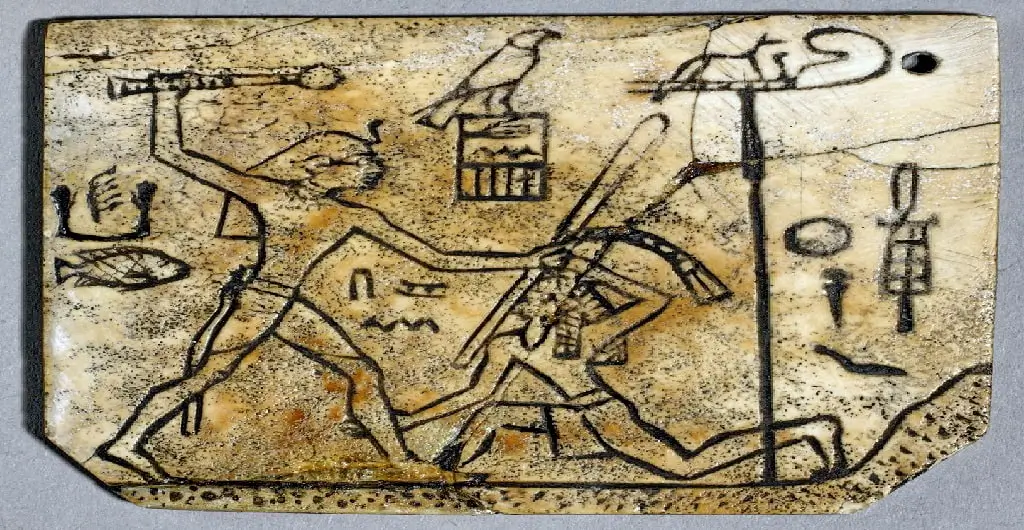
Royal Tombs at Abydos, Narmer Palette
Old Kingdom
2686 – 2181 BCE
Djoser, Khufu, Khafre
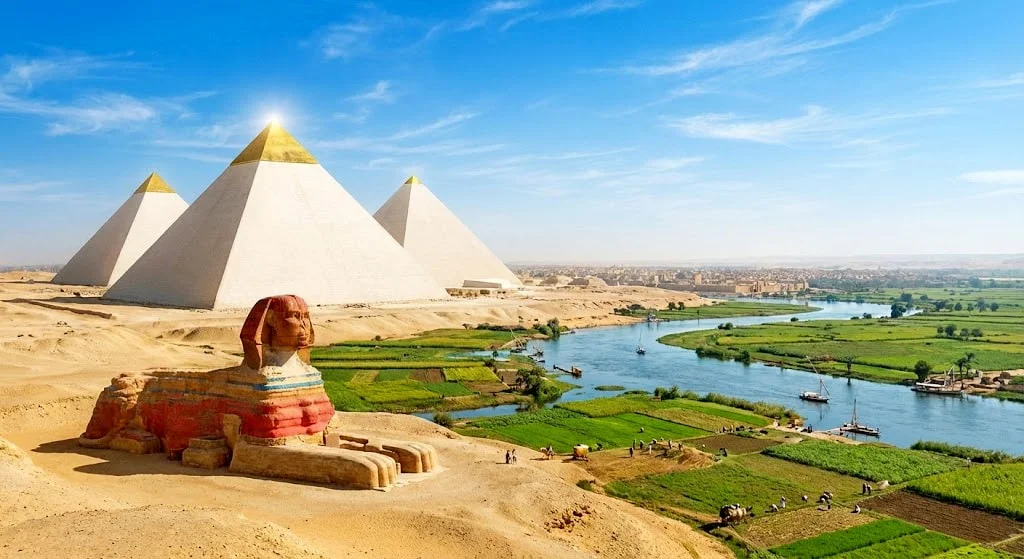
Step Pyramid (Saqqara), Great Pyramids of Giza, Sphinx
Middle Kingdom
2055 – 1650 BCE
Mentuhotep II, Senusret III
Beni Hasan Tombs, Karnak (Early structures), White Chapel
New Kingdom
1550 – 1069 BCE
Hatshepsut, Thutmose III, Ramses II, Tutankhamun
Valley of the Kings, Luxor Temple, Abu Simbel, Karnak Complex
Late Period
664 – 332 BCE
Psamtik I, Nectanebo II
Temple of Hibis (Kharga), Serapeum (Saqqara)
Greco-Roman
332 BCE – 642 CE
Alexander the Great, Cleopatra VII
Philae Temple, Edfu Temple, Kom Ombo, Catacombs of Alexandria
Read More
The Dawn of Majesty: Early Dynastic & Old Kingdom
The story of Egypt’s historical eras begins with the unification of Upper and Lower Egypt around 3100 BCE. This led to the Old Kingdom (c. 2686–2181 BCE), famously known as the “Age of the Pyramids.” During this era, Pharaohs like Khufu and Khafre commissioned the Great Pyramids of Giza—monuments so grand they remain the only surviving Wonder of the Ancient World.
The Cultural Renaissance: The Middle Kingdom
After a period of transition, the Middle Kingdom (c. 2055–1650 BCE) emerged as a “Golden Age” of literature and art. This era shifted focus toward the welfare of the people and the rise of the god Osiris. Travelers today can still see the influence of this period in the intricate jewelry and profound texts that moved away from the absolute austerity of the pyramid builders toward a more human-centered culture.
The Empire of Gold: The New Kingdom
Perhaps the most famous of all Egypt’s historical eras, the New Kingdom (c. 1550–1069 BCE) was the age of Egypt’s greatest empire and its most legendary figures. This is the era of:
Hatshepsut: The powerful female Pharaoh who built the stunning Deir el-Bahari.
Ramses the Great: The warrior king who left his mark on nearly every temple in Egypt, including Abu Simbel.
Tutankhamun: The “Boy King,” whose intact tomb in the Valley of the Kings captivated the world.
The Final Chapters: Late Period & Greco-Roman Egypt
As the Pharaonic age drew to a close, Egypt became a Mediterranean hub. The Greco-Roman Period (332 BCE–642 CE) saw the rise of Alexandria and the blending of Egyptian and Greek cultures. Temples like Philae and Edfu, which tourists marvel at today, were actually completed during this final flourish of ancient tradition before the Byzantine and Islamic periods began.
Why Understand These Eras Before You Tour?
At Egypt Fun Tours, we believe that a temple isn’t just a pile of stones—it’s a story. Knowing Egypt’s historical eras allows you to see the difference between a 4,500-year-old pyramid in Saqqara and a 2,000-year-old temple in Philae. It turns a sightseeing trip into a true journey through the evolution of human genius.
Ready to see these eras for yourself? Explore our [Destination Guides] or check out our [Tour Types] to start planning your historic adventure!
Fun Facts: Egypt’s Historical Eras
1. The Old Kingdom (The Pyramid Age)
Not Built by Slaves: Contrary to Hollywood movies, the Pyramids of Giza were built by paid laborers who were well-fed (on prime cuts of beef!) and even had their own “workers’ village” with medical care.
The Tallest for Millennia: The Great Pyramid of Khufu was the tallest artificial structure in the world for over 3,800 years until a cathedral was built in England in 1311.
White as Snow: When first built, the pyramids weren’t sandy brown. They were covered in polished white limestone that gleamed so brightly they could be seen from miles away.
2. The Middle Kingdom (The Cultural Age)
The First “Board Games”: People in this era loved a game called Senet.It was so popular that it was buried in tombs to help the deceased have some fun on their way to the afterlife.
Jewelry for the Soul: Middle Kingdom artists were obsessed with tiny details.They made jewelry with such small inlays that modern goldsmiths are still amazed by their precision.
The First Peace Treaty: While later perfected in the New Kingdom, the roots of international diplomacy began here as Egypt expanded its trade and built “Walls of the Ruler” to protect its borders.
3. The New Kingdom (The Golden Empire)
Makeup for Everyone: People of all genders wore heavy black kohl eyeliner. It wasn’t just for fashion; it protected their eyes from the harsh desert sun and acted as an antibacterial.
The Female King: Pharaoh Hatshepsut was so powerful that she often wore the traditional “False Beard” of the pharaohs to show her absolute authority.
The World’s First Strike: History’s first recorded labor strike happened in the New Kingdom when tomb builders at Deir el-Medina didn’t receive their grain rations and sat down in protest!
4. The Greco-Roman Period (The Final Flourish)
Cleopatra wasn’t “Egyptian”: Though she was the last Pharaoh of Egypt, she was actually of Greek descent (the Ptolemaic line). However, she was the only one in her family who bothered to learn the Egyptian language!
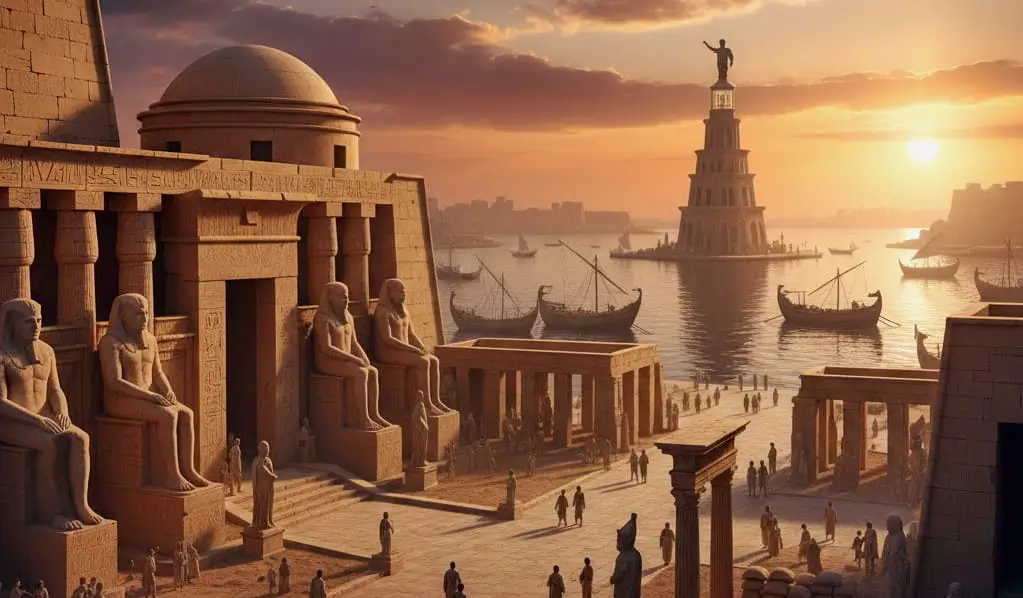
The Great Library: Alexandria was the “Google of the Ancient World.” Its library was so famous that any ship docking in the harbor had to hand over its books to be copied.
Cat Craze: During this era, cats were so sacred that accidentally killing one was a capital crime. Roman visitors were often warned: “Do not mess with the Egyptian cats!”
Traveler Tip: The “Time Machine” Trick
“When you visit Egypt, look at the stone! If the hieroglyphs are deeply carved and precise, you’re likely looking at the New Kingdom. If the temple feels massive and built with ‘blocks’ of Greek-style influence, you’ve stepped into the Greco-Roman era.”
How far in advance should I book my tour? We recommend booking as early as possible, especially for peak seasons, to ensure availability and secure the best price. Many tours can be booked up to 12 months in advance.
What is the typical group size for your tours? Our Top speciality is Private Tours. As for groups, group size vary by tour, but we generally keep them small to ensure a personal and high-quality experience. The average is typically between 10-16 guests.
Are your tours private or shared group tours? We offer a mix of both. You can find this information clearly indicated on each individual tour page. Group tours are marked as such, and private options are always available.
How do I know if a specific departure date is available? For Private Tours, you do not need to, as they are available everyday. For group tours, you need to contact us.
Payments & Pricing
What is included in the tour price? Inclusions vary per tour but often cover accommodation, transportation, professional guiding, and certain meals/activities & entrance fees. Detailed inclusions are listed on the itinerary section of each tour page.
Do I need to pay a deposit, and what payment methods do you accept? Yes, a deposit (25%) is required to confirm your booking. We accept major credit/debit cards (Visa, Mastercard, etc.) and bank transfers. Full details are in our Terms and Conditions.
Are there any hidden fees or surcharges? No. The price listed on the tour page is the final price, which is inclusive of all mandatory local taxes and fees. Any optional extras will be clearly noted.
What is your cancellation and refund policy? Our policy is clearly detailed in our Terms & Conditions. The amount refunded depends on how far in advance of the start date you cancel. We recommend travel insurance for maximum protection.
General & Logistical
Is the destination safe for tourists? Travel safety is our top priority. We closely monitor government advisories and take all necessary precautions. We only operate in areas deemed safe and utilize experienced local guides for maximum security and peace of mind.
Do I need a visa to travel to the destination? Visa requirements vary based on your nationality and the destination. We advise all travelers to check with their country’s embassy or consulate for the most current entry requirements well before departure.
What sort of hotels/accommodation are used? We generally use high-quality, centrally located 4- or 5-star hotels (or the local equivalent). Specific hotel names or classification examples are listed on the individual tour pages.
What should I pack for my tour? A detailed packing list, specific to the tour’s climate and activities, is provided upon booking. Generally, comfortable walking shoes, layers of clothing, and sun protection are a must.
Customization & Support
Can I customize a tour or create my own itinerary? Absolutely. If our packages don’t fit your needs, you can work with our travel experts to customize any tour or build a fully private, custom itinerary. Contact us to start planning.
What support is available if I have a problem during the tour? You will have 24/7 access to our dedicated local support team and your tour guide for any emergencies, changes, or issues that may arise during your trip.