4. Great Sahara Desert Countries and Cultural Diversity:
The Great Sahara Desert spans several countries in North Africa, each contributing to its rich cultural diversity. Let’s explore the countries and the cultural tapestry they bring to the region.

Algeria:
Algeria, the largest country in Africa, boasts a significant portion of the Sahara Desert. The country has a diverse cultural heritage, influenced by Berber, Arab, and French traditions. The Tuareg people, known as the “Blue Men of the Desert,” have a strong presence in Algeria’s desert regions. Their rich nomadic culture, distinctive clothing, and music contribute to the cultural diversity of the Sahara.
Libya:
Libya, another country that shares a portion of the Sahara Desert, is home to various ethnic groups, including the Arab, Berber, and Tuareg populations. The ancient city of Ghadames, a UNESCO World Heritage Site, showcases the unique architecture and cultural traditions of the Berber people. Libya’s desert regions have also been significant in preserving rock art and archaeological sites that shed light on the region’s past.
Mali:
Mali is renowned for its vibrant cultural heritage, with the Sahara Desert playing a significant role in shaping its traditions. The Tuareg and Berber communities in Mali have a strong presence in the desert regions, contributing to the country’s diverse cultural fabric. The city of Timbuktu, once a thriving center of trade and Islamic scholarship, stands as a testament to the historical and cultural significance of Mali’s desert regions.
Mauritania:
Mauritania, located in the western Sahara Desert, is home to diverse ethnic groups, including the Moors, Berbers, and Black Africans. The nomadic culture of the Moors, with their distinctive clothing, music, and traditions, is deeply intertwined with the desert landscape. The ancient trading cities of Chinguetti and Oualata are UNESCO World Heritage Sites that reflect Mauritania’s historical and cultural importance.
Niger:
Niger, often referred to as the “Gateway to the Sahara,” is known for its cultural diversity, with over a dozen ethnic groups residing in the country. The Tuareg and Fulani communities have a significant presence in the desert regions, each contributing their distinct traditions, music, and nomadic lifestyle. Agadez, a city in Niger’s Sahara Desert, is famous for its unique architecture and annual festivals that celebrate Tuareg culture.
Egypt and Sudan:
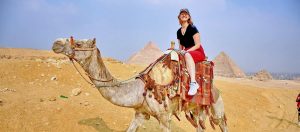
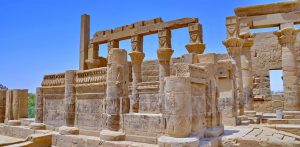
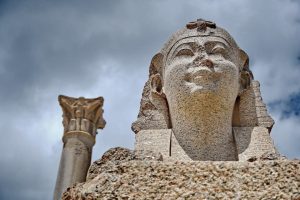
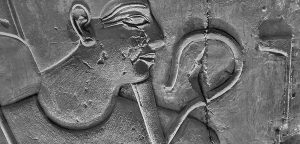
While the Great Sahara Desert occupies a smaller portion of Egypt and Sudan compared to other countries, these nations have a significant historical and cultural connection to the desert. Ancient Egyptian civilization flourished along the Nile River, with the desert acting as a natural barrier and providing valuable resources. The Nubian people in Sudan have a rich cultural heritage, influenced by both Arab and African traditions.
The cultural diversity within the countries that share the Great Sahara Desert is vast and varied. Each nation brings its unique traditions, languages, music, clothing, and cuisine, contributing to the rich tapestry of cultures that thrive in this remarkable desert region. Exploring the cultural heritage of these countries allows us to appreciate the depth and diversity of human experiences in the Sahara Desert.
5. The Great Sahara Desert Map
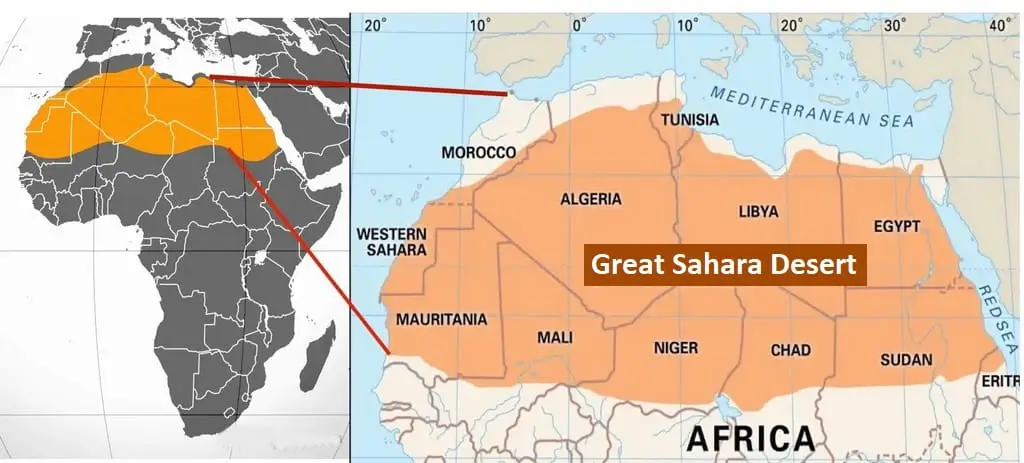
The Great Sahara Desert, with its immense size and varied landscape, can be a challenging place to navigate. However, with the help of a detailed map, adventurers and explorers can find their way through this vast expanse of sand and uncover its hidden treasures. In this article, we will delve into the intricacies of the Great Sahara Desert map, exploring its features, landmarks, and the invaluable role it plays in guiding travelers through this awe-inspiring desert.

A Comprehensive Overview:
A reliable map of the Great Sahara Desert provides a comprehensive overview of its boundaries, the countries it spans, and its various geographical features. This includes the desert’s location in North Africa, bordered by the Atlantic Ocean to the west, the Mediterranean Sea to the north, the Red Sea to the east, and the Sahel region to the south. The map showcases the countries encompassed by the Sahara, such as Algeria, Chad, Egypt, Libya, Mali, Mauritania, Morocco, Niger, Sudan, and Tunisia, allowing travelers to understand the vastness of the region and plan their journeys accordingly.
Geographical Features:
The Great Sahara Desert map highlights the intricate and diverse landscape that characterizes this desert. It showcases the vast stretches of sand dunes, known as ergs, which are formed by the relentless winds shaping the desert over thousands of years. The map also highlights the rocky plateaus, gravel plains, and occasional mountain ranges, such as the Atlas Mountains, that punctuate the desert’s terrain. These geographical features aid in orienting travelers and understanding the challenges they might face during their expeditions.
Landmarks and Points of Interest:
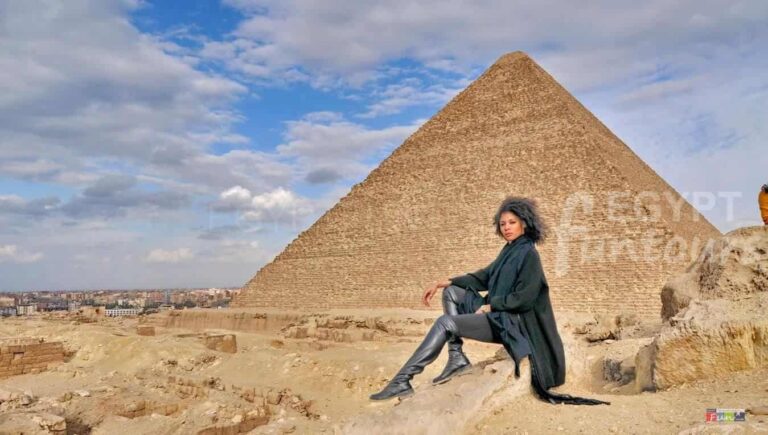
One of the most valuable aspects of the Great Sahara Desert map is its inclusion of important landmarks and points of interest. Travelers can identify ancient cities, historical sites, and cultural landmarks that dot the desert’s vast expanse. From the iconic pyramids of Giza in Egypt to the ancient trading city of Timbuktu in Mali, these landmarks provide a sense of direction and serve as significant waypoints for those traversing the desert. The map guides explorers towards these destinations, allowing them to immerse themselves in the rich history and cultural heritage of the Sahara.
Navigational Aids:
Navigating the Great Sahara Desert can be a daunting task, especially for those unfamiliar with the region. A well-designed map provides essential navigational aids to ensure safe and successful journeys. These aids can include compass rose markings, latitude and longitude coordinates, and elevation indicators. They help travelers determine their direction, track their progress, and avoid getting lost in the vastness of the desert. Additionally, maps may also include information on water sources, oases, and caravan routes, which are vital for survival and planning expeditions.
Modern Technological Advancements:
While traditional paper maps remain reliable tools for navigating the Great Sahara Desert, modern technological advancements have also revolutionized navigation in this challenging environment. Digital maps, satellite imagery, and GPS devices now provide even more accurate and detailed information for travelers. These tools allow adventurers to track their location in real time, plan routes, and make necessary adjustments based on changing conditions. However, it is essential to have backup resources, as technology may not always be reliable in remote areas of the desert.
The Great Sahara Desert map serves as an invaluable tool for adventurers and explorers seeking to conquer the challenges of this vast and mesmerizing desert. It provides a comprehensive overview of the region, highlights important landmarks, and offers navigational aids to ensure safe travels. Whether it’s a traditional paper map or a digital navigation tool, having a reliable map is essential for those venturing into the Great Sahara Desert, providing guidance and unlocking the secrets of this awe-inspiring landscape.
6. Animal Life:
The Great Sahara Desert, with its seemingly inhospitable conditions, is home to a surprising array of animal life that has adapted remarkably to this harsh environment. Let’s delve into the unique animal species that call the Sahara Desert their home.

Dromedary Camels:
Perhaps the most iconic animal of the Sahara Desert, dromedary camels are well-known for their ability to traverse vast distances across the arid landscape. These single-humped camels have adapted to the desert’s extreme temperatures and scarcity of water, with their humps storing fat as an energy reserve. Their broad, padded feet help them navigate the shifting sands, and their long eyelashes protect their eyes from blowing sand.
Fennec Foxes:
The adorable fennec foxes are native to the Sahara Desert and are well-adapted to the desert’s harsh conditions. Their most distinctive feature is their large ears, which help dissipate heat and locate prey underground. Fennec foxes have a keen sense of hearing and can detect the movement of small creatures beneath the sand. They are nocturnal animals, venturing out at night to hunt for insects, small rodents, and plants.
Desert Hedgehogs:
Desert hedgehogs are small, spiny mammals that have adapted to survive in the Sahara Desert. Their spines provide protection against predators, and their ability to roll into a tight ball offers further defense. These nocturnal creatures feed on insects, scorpions, and plant matter, and they rely on their excellent sense of smell to locate food in the vast desert expanse.
Addax Antelopes:
The addax antelope is a critically endangered species that inhabits the Sahara Desert. These antelopes are uniquely adapted to the desert environment, with their broad hooves that help them traverse the sandy terrain. They have evolved to cope with extreme temperatures and water scarcity, being able to conserve moisture from the plants they eat. Unfortunately, due to hunting and habitat loss, the Addax antelope population has drastically declined.
Sahara Desert Monitor Lizards:
Monitor lizards, specifically the Sahara desert monitor, lives in the arid regions of the Sahara. These large reptiles have a unique ability to absorb moisture through their skin, allowing them to survive in the desert’s dry conditions. They are primarily carnivorous, feeding on insects, small mammals, and eggs. Monitor lizards are excellent climbers and can often be seen basking in the sun on rocky outcrops.
Scorpions:
The Sahara Desert is home to a variety of scorpion species, each uniquely adapted to survive in this hostile environment. These arachnids have a tough exoskeleton that helps prevent water loss, and they are nocturnal, emerging at night to hunt for insects and small vertebrates. While scorpions are often seen as formidable creatures, may play a crucial role in maintaining the ecosystem’s balance.
These are just a few examples of the incredible animal life that thrives in the Great Sahara Desert. Each species has evolved specialized adaptations to survive in the extreme conditions of this vast desert. Exploring the unique adaptations and behaviors of these animals allows us to appreciate the resilience and diversity of life in one of the world’s most challenging environments.