

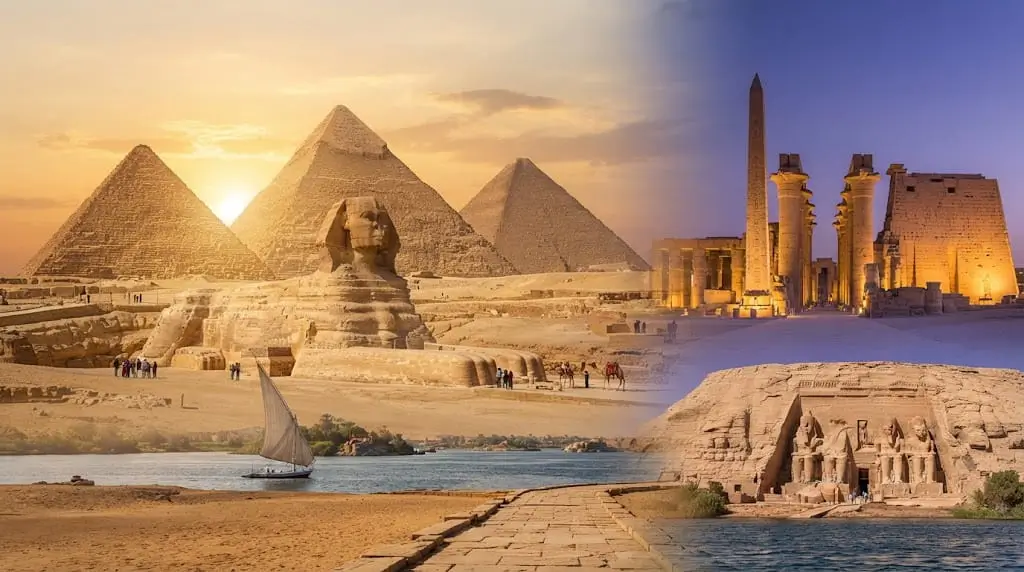
Complete Guide to Egypt’s UNESCO World Heritage Sites

Egypt serves as a monumental open-air museum, hosting seven distinct UNESCO World Heritage sites that span millennia of human history and natural evolution. This comprehensive guide explores these irreplaceable treasures, ranging from the Old Kingdom pyramid fields of Giza and the majestic temples of Thebes to the medieval Islamic architecture of Historic Cairo and the prehistoric whale fossils of Wadi Al-Hitan. Each site offers a unique window into the nation's Outstanding Universal Value, making them essential destinations for cultural travelers seeking a journey through timeless civilization.
The eye of Horus
WhatsApp
Email
Print

Egypt holds some of the most famous UNESCO World Heritage Sites in Egypt and across the globe. History fills the local landscape. Ancient monuments form a living open-air museum. Human achievement spans thousands of years here. Pharaonic stone architecture, medieval Islamic structures, sacred monasteries, and prehistoric fossil beds define the nation.

Global heritage thrives on places with Outstanding Universal Value. These irreplaceable treasures deserve protection for all humanity. Egypt protects seven official UNESCO World Heritage properties. Each landmark highlights a unique chapter of a rich civilization. Travelers, historians, and explorers love this cultural heritage.

Visitors trace Old Kingdom roots across the Giza and Dahshur plateaus. Tourists admire colossal New Kingdom temples in Luxor. Walkers explore the medieval alleyways of Historic Cairo. Nature lovers discover ancient whale fossils deep within the Western Desert. These protected landmarks deliver an unmatched journey through time. Plan your custom Egypt tour packages and multi-destination itineraries after exploring these wonders.
The eye of Horus

1. Memphis and its Necropolis: The Pyramid Fields from Giza to Dahshur

Memphis and its Necropolis The Pyramid Fields from Giza to Dahshur - UNESCO World Heritage Sites in Egypt

King Narmer founded Memphis around 3100 BC, anchoring one of the most prominent UNESCO World Heritage Sites in Egypt. This settlement served as the first unified capital of Ancient Egypt. Little of the ancient city remains visible above ground near the modern village of Mit Rahina. Expansive royal cemeteries stretch across the nearby desert plateau instead. These burial grounds showcase the high point of Old Kingdom stone engineering.

The Historical Significance of Ancient Memphis

Memphis anchored the political power of early pharaohs. Rulers managed national trade networks from this central location. Priests worshipped the creator god Ptah within massive temple precincts. Foreign emissaries traveled here to honor the crown. The open-air museum at Mit Rahina preserves colossal statues of Ramesses II. These granite monoliths whisper tales of forgotten royal glory.

The Giza Plateau: Pyramids and the Great Sphinx

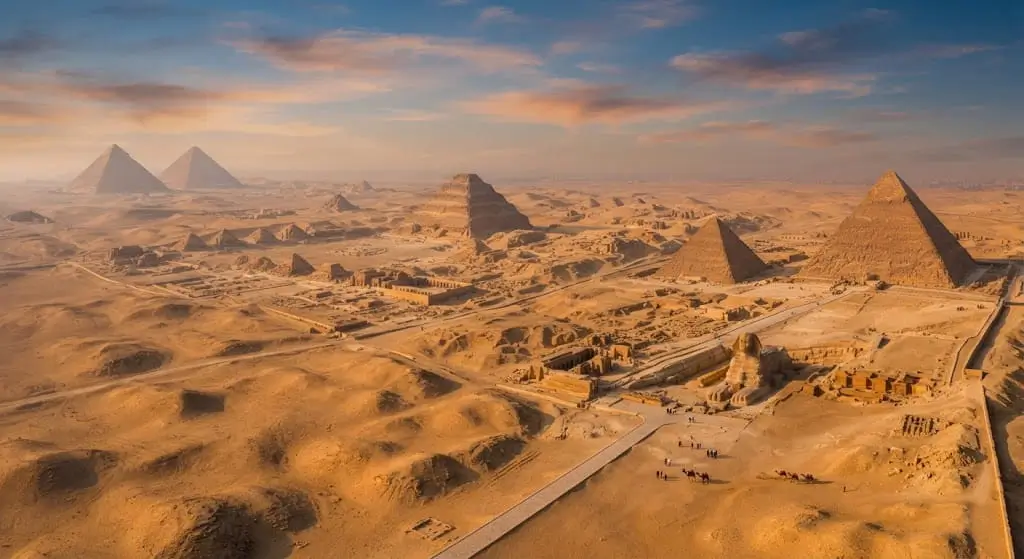
The Giza Plateau houses the last surviving structure of the ancient wonders, forming the crown jewel of UNESCO World Heritage Sites in Egypt. The Great Pyramid of Khufu dominates this rocky landscape. Master builders aligned this massive monument with extraordinary precision. Pharaohs Khafre and Menkaure built companion pyramids nearby. The mysterious Great Sphinx guards these royal structures with silent majesty. Carved from native limestone bedrock, this monumental creature combines a lion’s body with a pharaoh’s head. Millions of travelers visit these structures every single year.

Saqqara: The Step Pyramid of Djoser

Saqqara preserves the world’s oldest monumental stone building. The architect Imhotep designed the Step Pyramid for Pharaoh Djoser during the 3rd Dynasty. This revolutionary structure transformed ancient architecture from simple mud-brick mastabas into towering limestone masterpieces. Colonnaded entrance halls and subterranean galleries span beneath the desert surface. Noble tombs adorned with painted reliefs line the surrounding sands.

Dahshur: Sneferu’s Experimental Marvels

Dahshur presents a quieter desert field with unique architectural milestones. Pharaoh Sneferu tested new structural angles here during the 4th Dynasty. The Bent Pyramid displays a dramatic shift in slope during construction. Engineers modified the angle to prevent structural collapse. The nearby Red Pyramid became history’s first successful smooth-faced true pyramid. Red limestone blocks give this impressive structure its modern descriptive name.

Travel Planning & Visiting Tips

  • Timing: Arrive early in the morning to beat the desert heat and heavy crowds.
  • Tickets: Purchase official combo tickets online or at site gates to access individual pyramid interiors.
  • Guides: Hire a certified Egyptologist to uncover hidden tomb reliefs and structural secrets.

Ancient Thebes and its Necropolis: One of the most magnificent UNESCO World Heritage Sites in Egypt

Ancient Thebes and its Necropolis One of the most magnificent UNESCO World Heritage Sites in Egypt

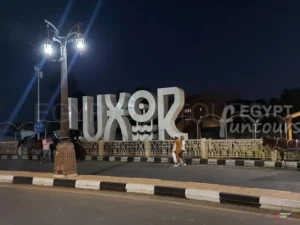
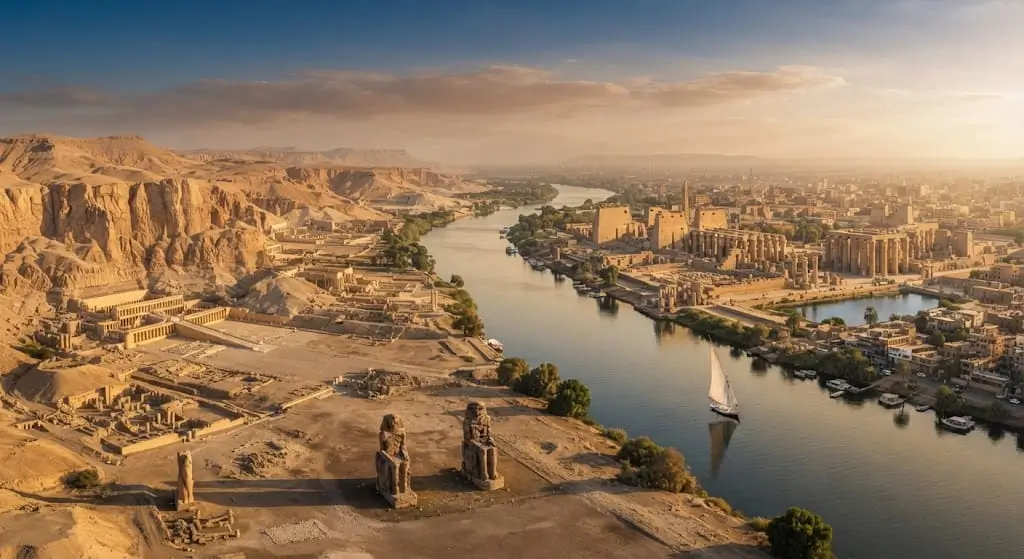
Thebes served as the glorious religious and political capital of Egypt. Middle and New Kingdom rulers governed their vast empire from this southern hub. Modern Luxor now occupies this ancient ground. Travelers often call Luxor the world’s greatest open-air museum.

The Religious and Political Heart of the Middle and New Kingdoms

Thebes rose from a provincial town into a magnificent imperial capital. Amun-Ra became the supreme state deity of the Egyptian empire here. Wealth from foreign conquests flowed directly into local temple treasuries. Priests wielded immense political influence alongside reigning pharaohs. Festivals filled the streets with grand processions and sacred rituals.

The East Bank: Karnak and Luxor Temples

The East Bank represents the vibrant city of the living. The monumental complex of Karnak dominates this side of the Nile. Ancient builders constructed the largest religious complex in human history here. Towering pylon gates open into vast hypostyle halls filled with towering sandstone columns. The elegant Luxor Temple stands a short distance away. An ancient avenue of sphinxes links both sacred sanctuaries together. Night illuminations cast dramatic shadows over ancient stone walls.

The West Bank: Valley of the Kings and Queens

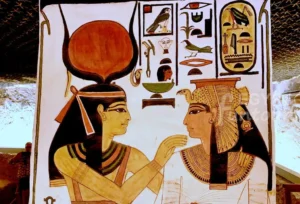
The West Bank forms the silent city of the dead. Dramatic desert cliffs frame a landscape carved with royal tombs. Pharaohs chose this hidden valley to protect their mummies and burial treasures. The famous Valley of the Kings houses the tomb of King Tutankhamun. The nearby Valley of the Queens preserves the breathtaking tomb of Queen Nefertari. Vivid wall paintings inside these chambers capture colorful journeys into the afterlife. Gold leaf and deep blue pigments still decorate royal burial chambers.

Mortuary Temples of the Pharaohs

Pharaohs built grand memorial temples along the edge of the desert. The terraced mortuary temple of Queen Hatshepsut rises dramatically at Deir el-Bahari. Majestic statues of Amenhotep III, known as the Colossi of Memnon, watch over the surrounding agricultural plains. The Ramesseum displays the fallen stone fragments of a giant statue of Ramesses II. Relief carvings on these temple walls record historic military campaigns and divine births.

How to Experience Thebes

  • Cruises: Combine your temple visits with a relaxing multi-day Nile River cruise between Luxor and Aswan.
  • Hot Air Balloons: Take a sunrise hot air balloon flight for breathtaking aerial views of the West Bank necropolis.
  • Guides: Secure an expert guide to decode complex hieroglyphs and royal mythology inside the tombs.
Golden Scarab

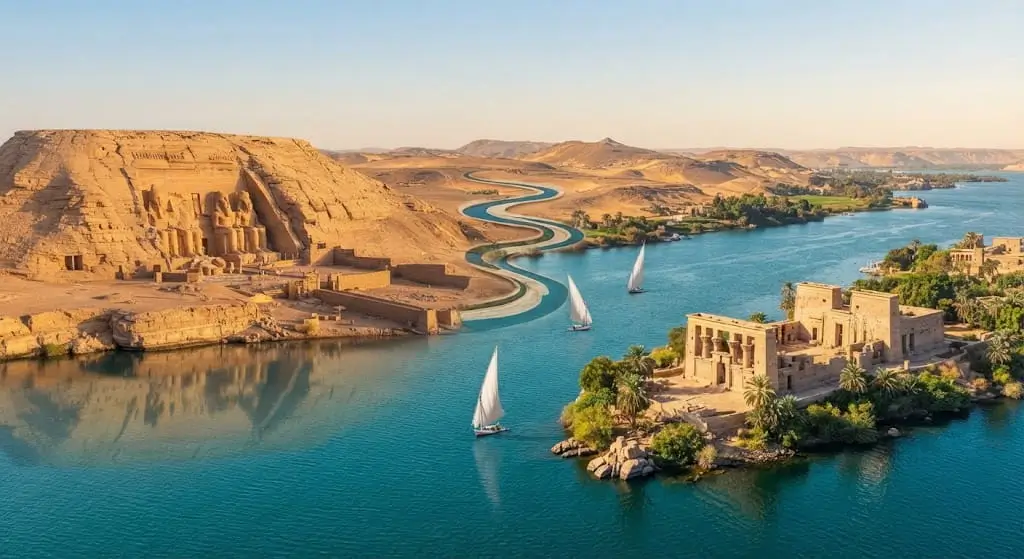
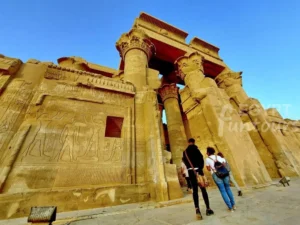
3. Nubian Monuments from Abu Simbel to Philae

3. Nubian Monuments from Abu Simbel to Philae - UNESCO World Heritage Sites in Egypt

Southern Egypt preserves the majestic heritage of ancient Nubia. The Aswan High Dam threatened these sacred landmarks during the 1960s. Rising reservoir waters endangered invaluable pharaonic structures. UNESCO launched one of the greatest archaeological rescue missions in human history. Engineers cut massive stone temples into portable blocks. Workers reassembled every monument safely on higher ground.

The Aswan High Dam Crisis and the Historic UNESCO Rescue Campaign

The construction of the Aswan High Dam threatened to submerge Lake Nasser’s cultural treasures. International appeals prompted urgent global action. UNESCO coordinated funding and technical expertise from dozens of nations. Teams dismantled monumental temples piece by meticulous piece. Engineers reconstructed entire mountainsides on safe artificial islands. This monumental effort set a global precedent for heritage preservation.

Abu Simbel: The Colossal Temples of Ramesses II

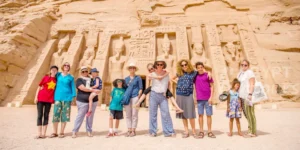
Ramesses II commissioned two magnificent rock-cut temples at Abu Simbel. Four colossal twenty-meter seated statues of the pharaoh dominate the main facade. Smaller statues of royal family members stand between his legs. Deep inside the mountain, colorful wall reliefs depict Egyptian military victories. Twice every year, the morning sun illuminates the innermost sanctuary statues. This solar alignment honors the divine birthday and coronation of the king.

Discover the precise details of how engineers executed the monumental international effort to save this ancient wonder in our comprehensive guide to the Abu Simbel Relocation project.

Philae Temple Complex on Agilkia Island

Philae stands as a romantic sanctuary dedicated to the goddess Isis. Rising waters originally flooded the original island site. Authorities carefully relocated every structure to nearby Agilkia Island. The temple architecture blends Egyptian, Greek, and Roman artistic styles. Graceful colonnades and carved stone reliefs tell ancient mythological stories. Pylons and shrines celebrate the legendary cult of Isis across centuries.

Practical Guide for Southern Egypt Tours

  • Travel: Take an early morning road convoy or a short domestic flight from Aswan to reach Abu Simbel.
  • Lighting: Visit Abu Simbel during early morning hours to capture stunning photographs of the sunlit facade.
  • Evening Shows: Attend the atmospheric Sound and Light Show at Philae Temple after sunset.

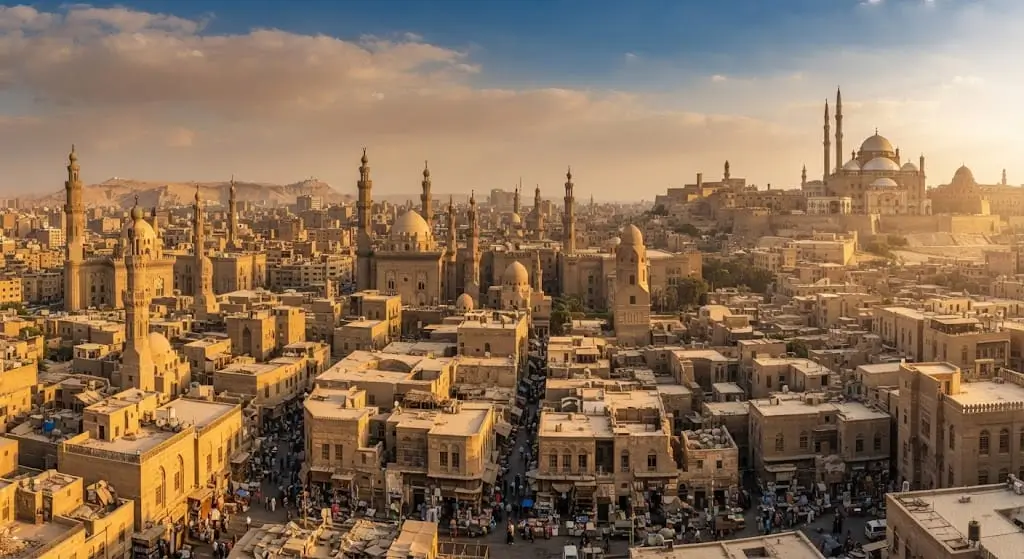
4. Historic Cairo: The City of a Thousand Minarets

Historic Cairo The City of a Thousand Minarets

The Fatimid Caliphate founded Historic Cairo in the tenth century. This medieval quarter became a radiant center of the Islamic Golden Age. Generations of rulers expanded the urban landscape over subsequent centuries. Visitors call this area the City of a Thousand Minarets today. Dense medieval streets weave past countless architectural wonders.

Fatimid, Mamluk, and Ottoman Legacies

Islamic dynasties left deep marks on the capital. Rulers constructed towering fortification walls around the expanding city. Elaborate mosques and religious schools rose across every neighborhood. Wealthy merchants built stone residential quarters and trading inns. These structures showcase centuries of evolving Islamic design, geometric tilework, and intricate wood carving.

Iconic Landmarks: The Citadel and Great Mosques

The stone fortifications of the Citadel of Saladin dominate the eastern horizon. Inside these walls, the Mosque of Muhammad Ali shines with Ottoman alabaster domes. The mosque-madrasa complex of Sultan Hassan displays towering Mamluk stone masonry. The historic Al-Azhar Mosque serves as a world-renowned center of Islamic learning. Prayer halls echo with centuries of scholarly devotion and spiritual reflection.

Traditional Craftsmanship at Khan el-Khalili Bazaar

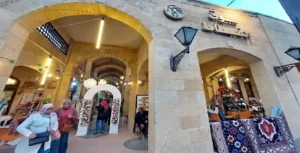
Khan el-Khalili Bazaar offers an authentic medieval trading experience. Craftsmen hammer brass trays and weave traditional textiles in narrow alleys. Spice merchants display colorful heaps of fragrant herbs and natural perfumes. Shoppers find unique souvenirs throughout the labyrinth of historic market stalls. Local coffee houses serve traditional mint tea to weary travelers.

Walking Tour Insights for Visitors

  • Route: Walk down historic Al-Muizz Street to view the highest concentration of medieval architectural treasures in the world.
  • Footwear: Wear comfortable walking shoes because cobblestone streets cover the entire historic district.
  • Etiquette: Dress modestly when entering active mosques and religious sanctuaries.
The eye of Horus

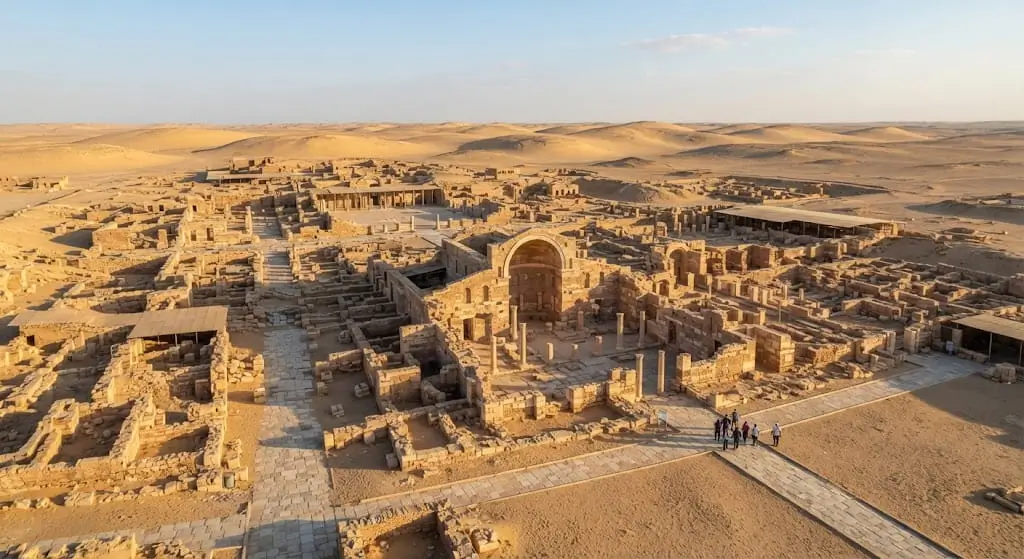
5. Abu Mena: Early Christian Pilgrimage Centre

Abu Mena Early Christian Pilgrimage Centre - UNESCO World Heritage Sites in Egypt

Early Christians established Abu Mena southwest of Alexandria, a remarkably unique entry among the UNESCO World Heritage Sites in Egypt. This holy destination grew around the tomb of Saint Menas. The Christian martyr died for his faith around 296 AD. Thousands of pilgrims traveled to this desert site during Late Antiquity. The remote settlement transformed into a major religious hub.

History and Discovery

Pilgrims flocked to the desert shrine seeking miraculous healings. Monastic communities expanded rapidly to accommodate visiting travelers. Excavations revealed vast ecclesiastical complexes buried beneath drifting sands. Archaeologists uncovered the resting place of the beloved martyr. Historical texts confirm the widespread fame of this holy pilgrimage destination.

Complex Layout and Architectural Remains

Expansive stone structures once filled the desert valley. Archaeologists uncovered massive basilica churches and underground crypts. Monastic quarters, baptismal pools, and bathhouses supported traveling pilgrims. Visitors purchased small clay ampullae bottles filled with holy water at the shrine. Excavators found these unique stamped flasks across the ancient Mediterranean world.

Conservation Challenges and Modern Status

Environmental threats currently endanger the fragile ruins of Abu Mena. Rising agricultural water tables soften the underlying clay soil. Ancient foundations face sudden collapse from shifting ground conditions. UNESCO placed the archaeological zone on its World Heritage in Danger list. Preservation teams continue working to protect remaining structures from water damage.

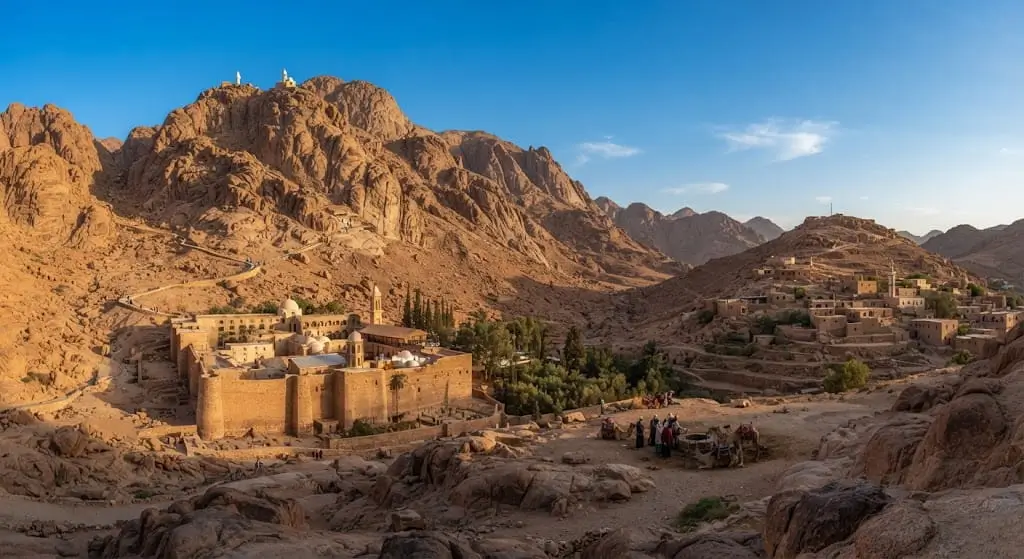
6. Saint Catherine Area: A Sacred Interfaith Landscape

Saint Catherine Area A Sacred Interfaith Landscape

Rugged granite mountains hide the Saint Catherine Area deep inside the South Sinai Peninsula. This remote wilderness holds profound spiritual meaning. Three major Abrahamic faiths revere this sacred landscape. Judaism, Christianity, and Islam share deep historical ties to these holy peaks. Pilgrims and travelers seek spiritual reflection across the desert valleys.

The Spiritual Convergence of Three Abrahamic Faiths

The Sinai wilderness witnessed pivotal biblical events. Prophets and ascetics sought divine revelation among these rocky crags. Monks established spiritual retreats across remote mountain wadis. Local Bedouin groups protect these sacred environments with deep traditional reverence. Religious harmony echoes throughout the high mountain desert.

Saint Catherine’s Monastery: The World’s Oldest Active Monastic Sanctuary

Emperor Justinian founded the monastery at the foot of Mount Sinai in the sixth century. This holy site operates continuously without interruption to this day. Ancient Byzantine walls protect a treasure trove of sacred art. Monks preserve an invaluable library of historic manuscripts and ancient codices. A living descendant of the biblical Burning Bush grows inside the monastic courtyard. Ancient icons decorate the interior chapels with golden light.

Climbing Mount Sinai: Trekking and Traditions

Mount Sinai rises majestically behind the ancient monastery walls. Tradition identifies this granite peak as the place where Moses received the Ten Commandments. Thousands of hikers climb the rocky trail during the dark hours. Travelers reach the summit just in time to watch the sunrise paint the desert peaks in gold. A small chapel and mosque crown the summit platform.

Sinai Desert Travel Tips for Visitors

  • Guides: Hire local Bedouin guides to navigate mountain trails and desert valleys safely.
  • Clothing: Pack warm layers because high-altitude desert nights turn freezing cold.
  • Respect: Dress modestly and respect monastic rules during interior visits.
The eye of Horus

7. Wadi Al-Hitan (Whale Valley): Egypt’s Natural Wonder

7. Wadi Al-Hitan (Whale Valley) Egypt’s Natural Wonder - UNESCO World Heritage Sites in Egypt

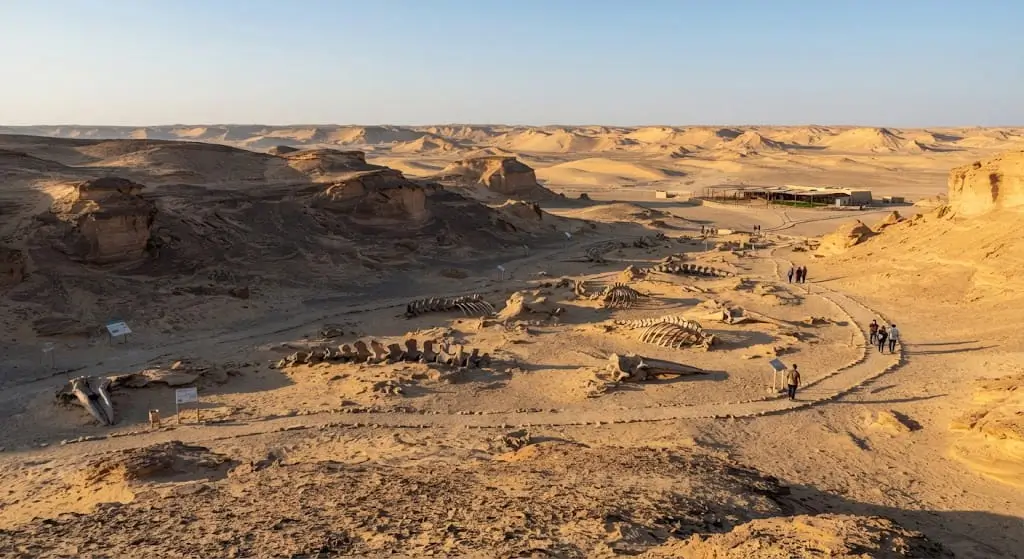
Deep within the Faiyum Depression of the Western Desert lies Egypt’s sole natural UNESCO World Heritage Site. Wind-sculpted sandstone and dramatic desert dunes surround this remote valley. Millions of years ago, a vast prehistoric ocean covered this arid landscape. Today, the desert sands preserve the secrets of an ancient marine world.

Paleontological Significance in the Western Desert

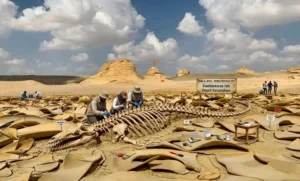
Wadi Al-Hitan contains hundreds of globally significant fossilized skeletons. These ancient remains belong to Archaeoceti, an extinct suborder of early whales. Paleontologists consider this site the world’s most important location for studying early whale evolution. The exceptional preservation reveals delicate skeletal structures rarely found in fossil records elsewhere. Shark teeth and turtle shells rest alongside giant marine mammal bones.

The Evolutionary Mystery of Early Whales

The fossils document a crucial milestone in vertebrate evolution. Ancient whales transitioned from land-dwelling mammals into fully aquatic ocean dwellers over millions of years. Skeletal remains inside the valley capture this remarkable biological shift. Early whales still possessed small, distinct hind limbs during this intermediate stage. Their anatomy tells the fascinating story of creatures returning permanently to the sea.

Exploring the Open-Air Fossil Museum

  • Access: Travel by 4×4 vehicle from Cairo or Faiyum across the desert tracks.
  • Exhibits: Walk along designated trails to view exposed whale skeletons resting naturally in the sand.
  • Facilities: Visit the modern fossil museum onsite to examine detailed educational displays and reconstructed prehistoric specimens.
The eye of Horus

Future Heritage: Notable Sites on Egypt’s UNESCO Tentative List

Egypt continues expanding its global preservation efforts. Several historical locations hold official status on the UNESCO Tentative List. These remarkable candidate sites await future formal inscription. The list of UNESCO World Heritage Sites in Egypt is expected to expand.

Abydos and Dendera Temples

Abydos preserves the earliest royal necropolises and the striking Temple of Seti I. The complex houses the famous Abydos King List chronicling ancient dynasties. Nearby Dendera features the remarkably preserved Temple of Goddess Hathor. Astronomical ceiling reliefs and underground crypts showcase peak pharaonic artistry.

Alexandria: Submerged Heritage and Modern Culture

Alexandria bridges ancient Mediterranean history with modern Egyptian life. Submerged royal quarters lie quietly beneath the eastern harbor waters. The modern Bibliotheca Alexandrina honors the legendary ancient library of antiquity. Roman amphitheaters and catacombs punctuate the vibrant coastal city.

The Serene Western Desert Oases

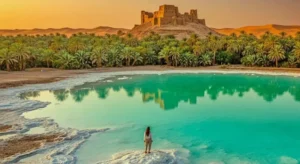
The isolated oases of Siwa, Kharga, and Dakhla preserve unique desert ecosystems. Ancient mud-brick fortresses rise above lush palm groves and thermal springs. Traditional desert architecture and distinct local cultures thrive far away from the Nile Valley.

Plan Your Ultimate Cultural Journey with Egypt Fun Tours

UNESCO World Heritage Sites in Egypt offer a breathtaking window into human history, religious devotion, and natural evolution. From the golden sands of Giza and the monumental temples of Luxor to the sacred peaks of Sinai and the prehistoric whale fossils of the Western Desert, these protected landmarks guarantee an unforgettable travel experience.

Ready to explore these legendary treasures firsthand? Contact Egypt Fun Tours today to design your customized, expert-guided tour package and begin your journey through timeless Egypt!

Divider

Great Walking Tours!

My husband & I were very very happy with the walking tour we took with Egypt Fun on Nov 26. Our guide (Manal) was amazing & very very knowledgeable. Thanks to Manal, we were able to really get a very good understanding of the city, its history & its great

More »

Tour of Cairo

Despite a late start due to car trouble, Mohamed more than made up for it with his incredible knowledge and dedication. His explanations were detailed and thoughtful, and he went above and beyond to make sure we had a great experience. A memorable and informative tour, thanks to Mohamed’s hard

More »
Ancient Egyptian Sarcophagus - Egypt Fun Tours

Unforgettable experience with Fun Tours – Highly recommended!

Hello everyone! We would like to share our extremely positive experience with Fun Tours. Our tour was a complete success thanks to our guide, Osama, and our driver Hassan. Osama proved to be an enthusiastic and knowledgeable guide who answered all of our questions and catered to our individual wishes

More »

Excellent Egypt Adventure – All To Ourselves

Excellent trip to historic sites with no one else around. We came to see Egypt while most places still had COVID-19 fears. The staff at Egypt Fun Tours were professional, safe, and great to deal with. Very helpful, knowledgeable, and entertaining. I feel like I just got a year of

More »

Lenka Traverlers

Egypt Fun Tours was contracted by our travel agency, Lenka Travelers, to arrange and guide us through parts of Egypt and Jordon. They did a fabulous job. The hotels, restaurants, places we visited, and transportation were the best. Our guide in Egypt, Mohammad, was very knowledgeable, spoke perfect English, and

More »
God_Anubis_Icon

Top-rated Tour Packages

God_Anubis_Icon
WhatsApp
Email
Print