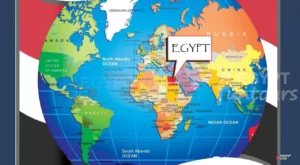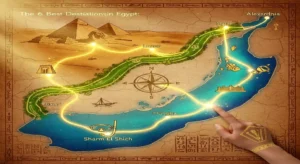
The Nile River in Egypt
The Nile River is crucial to Egypt. It has historically served as the country’s main source of transport, communication, and wealth. The river provided fresh water for drinking, agriculture, and industry. It also supported fishing, navigation, and leisure. The Nile’s bounty was so great that Egypt was known as the “breadbasket of the Roman Empire,” supplying a large portion of the empire’s grain. The river’s annual flood, known as the Inundation, was a predictable event that deposited fertile silt along its banks, creating ideal conditions for farming. Ancient Egyptians developed a calendar based on the Nile’s cycles, which they divided into three seasons: Akhet (inundation), Peret (growth), and Shemu (harvest).
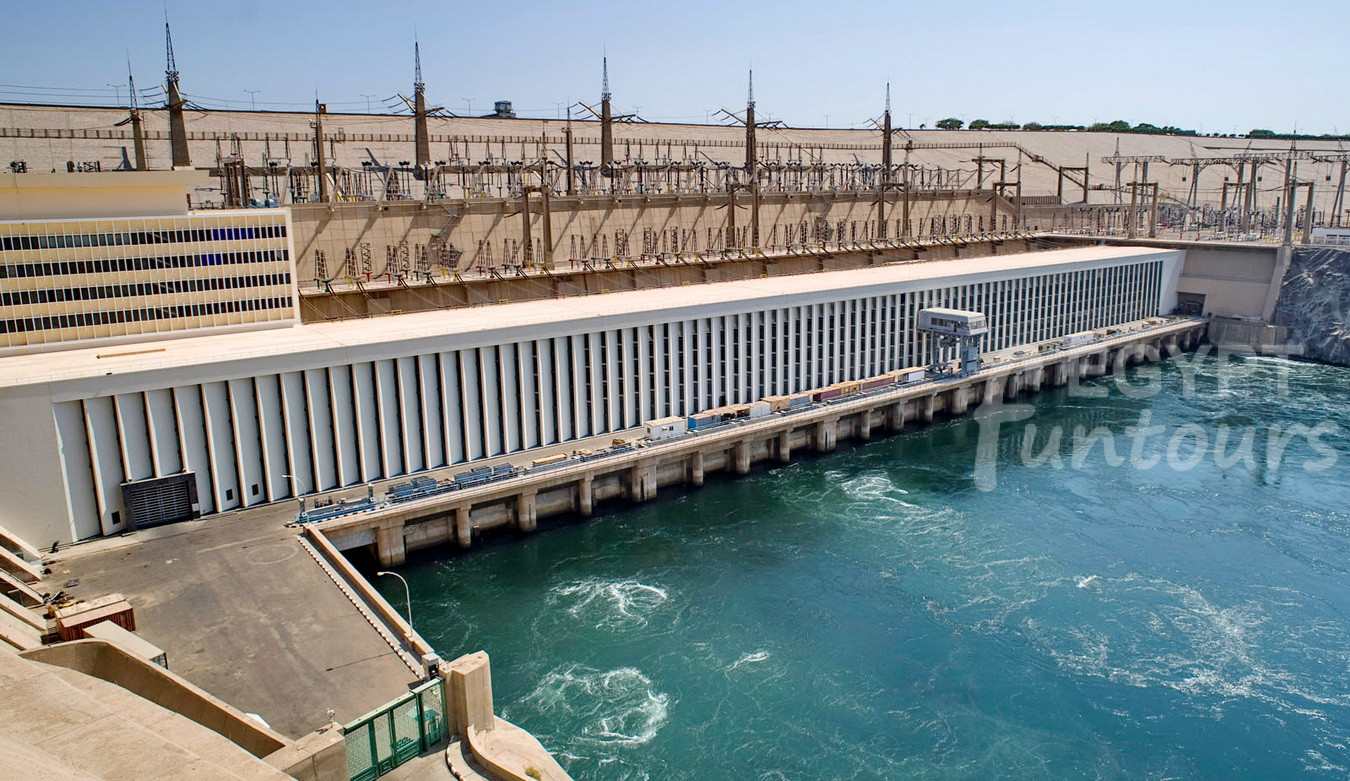
Egypt’s unique reliance on the Nile is because most of the water originates outside its borders. The 1959 Nile Waters Agreement with Sudan allocated 55.5 billion cubic meters (BCM) of water to Egypt annually. This agreement has been a cornerstone of water management in the region, establishing rules for water usage and dam construction. The Nile’s basin spans 11 countries, but Egypt and Sudan have historically been the primary beneficiaries of its waters.
While this mighty river provided the vital water and soil needed to survive the desert, the people who settled on its banks built an empire that changed the world. Explore their monumental achievements in our comprehensive guide to Ancient Egypt.