

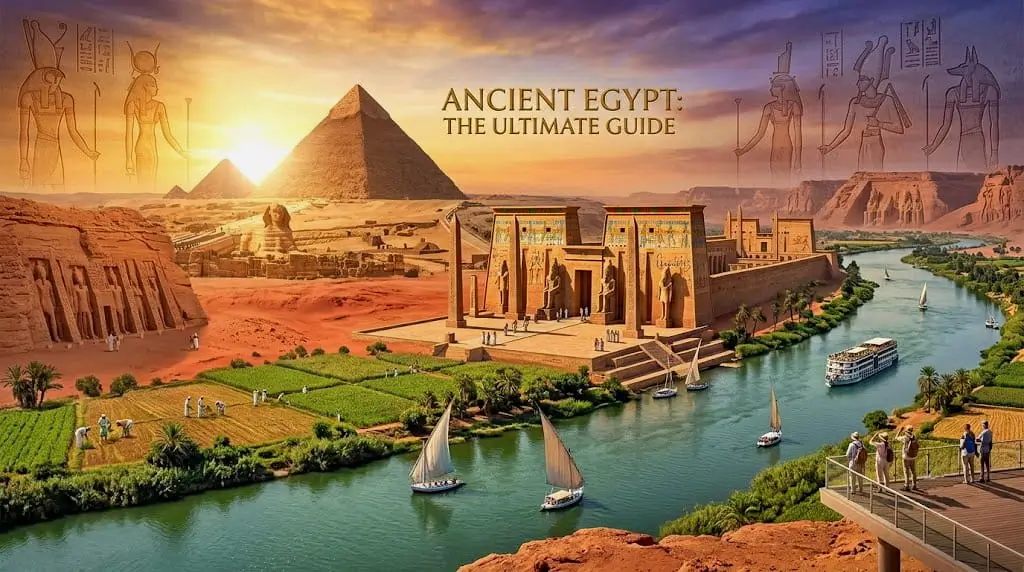
The Dawn of Ancient Egypt
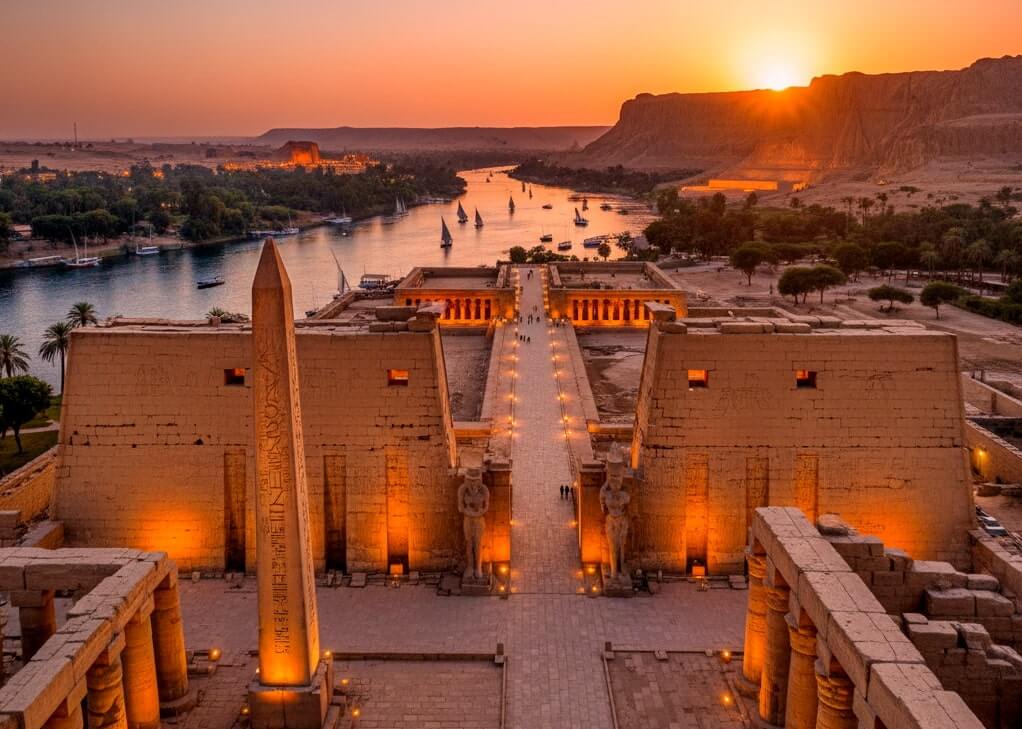
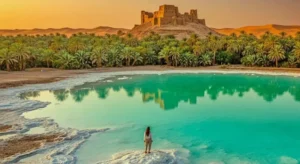
The story of Ancient Egypt begins with a single, life-giving force: the mighty Nile River. Without this massive waterway, the vast, blistering expanse of the North African Sahara would have remained entirely uninhabitable. The earliest settlers realized that the survival of their people depended entirely on the river’s rhythms.
Ancient Egypt: The Black Land and the Red Land
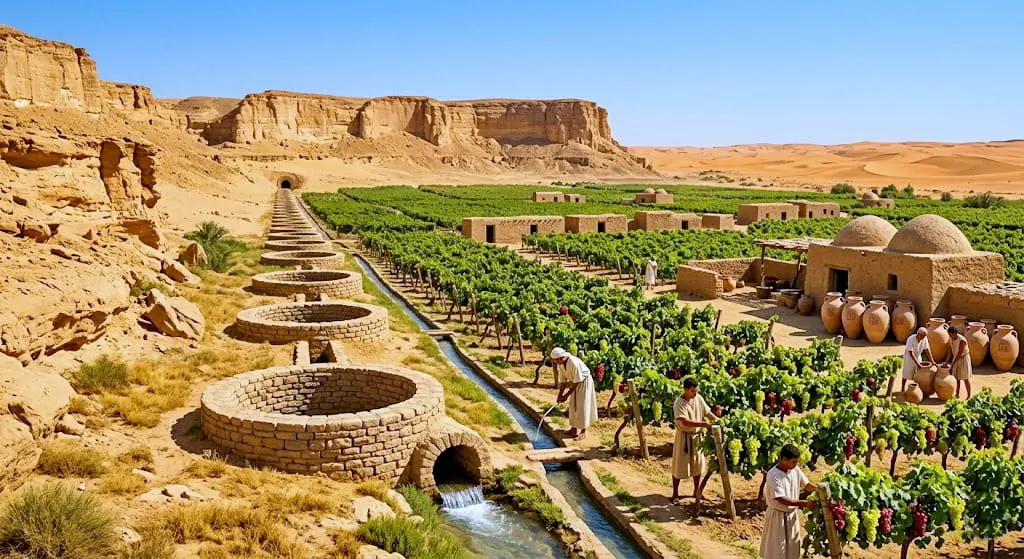
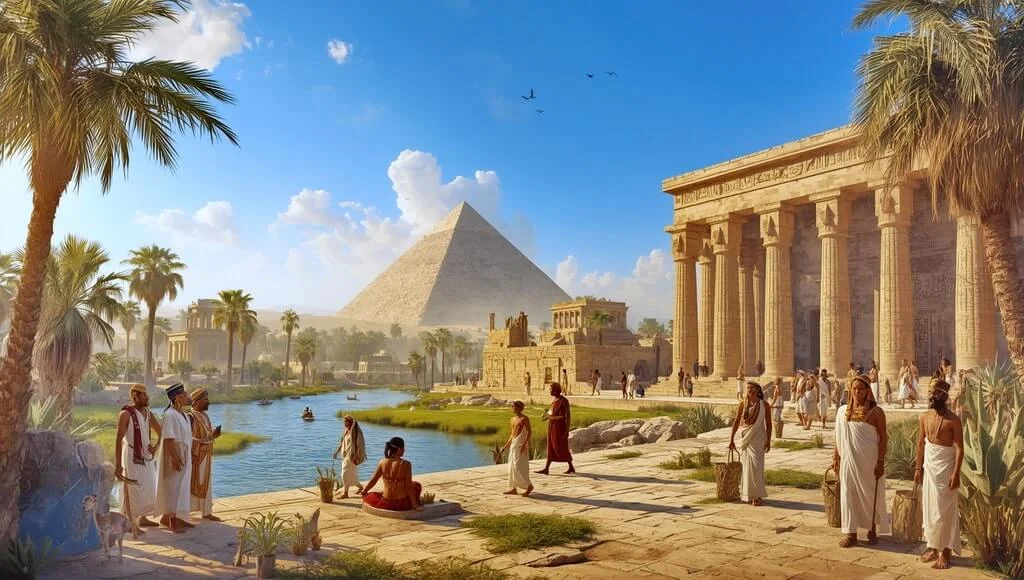
The ancient Egyptians viewed their world as two distinct, contrasting environments. They called the fertile riverbanks the Kemet, which translates to the “Black Land.” Every year, between June and September, the Nile predictably flooded its banks. When the waters finally receded, they left behind thick layers of rich, black silt. As a result, early settlers easily transformed this narrow strip of dark earth into an agricultural powerhouse, growing abundant crops of wheat, barley, and flax.
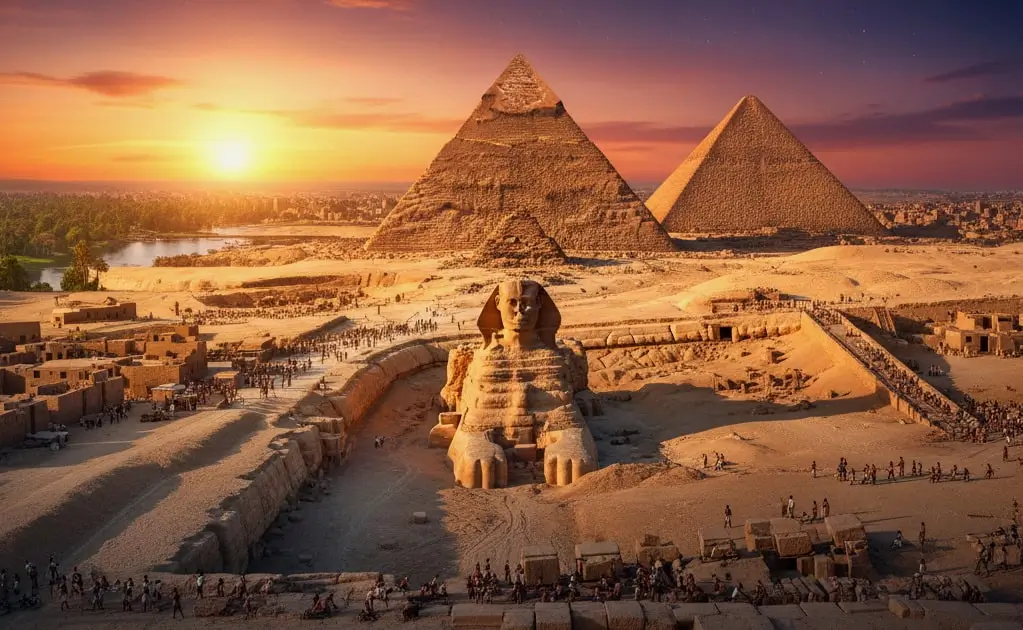
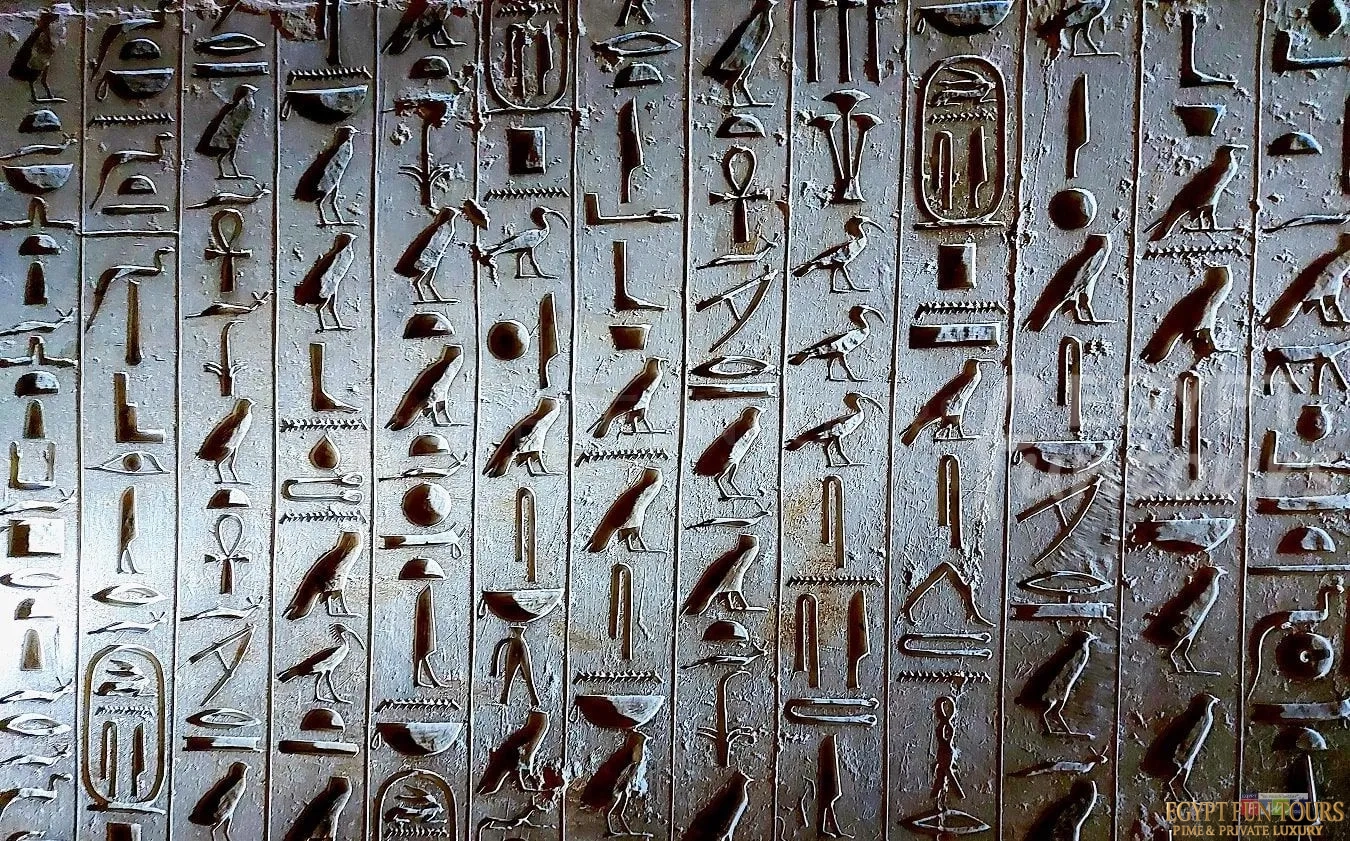
In stark contrast, they called the unforgiving deserts surrounding the river valley the Deshret, or the “Red Land.” While this harsh, arid landscape could not support farming, it provided something equally valuable: protection. The blazing sands and rocky cliffs acted as a massive natural fortress. Because of this geographical barrier, the people of early Egypt lived largely undisturbed by foreign invaders for centuries. Consequently, their unique culture, language, and artistic styles thrived and evolved in complete isolation.
Ancient Egypt: Flora, Fauna, and the River of Life
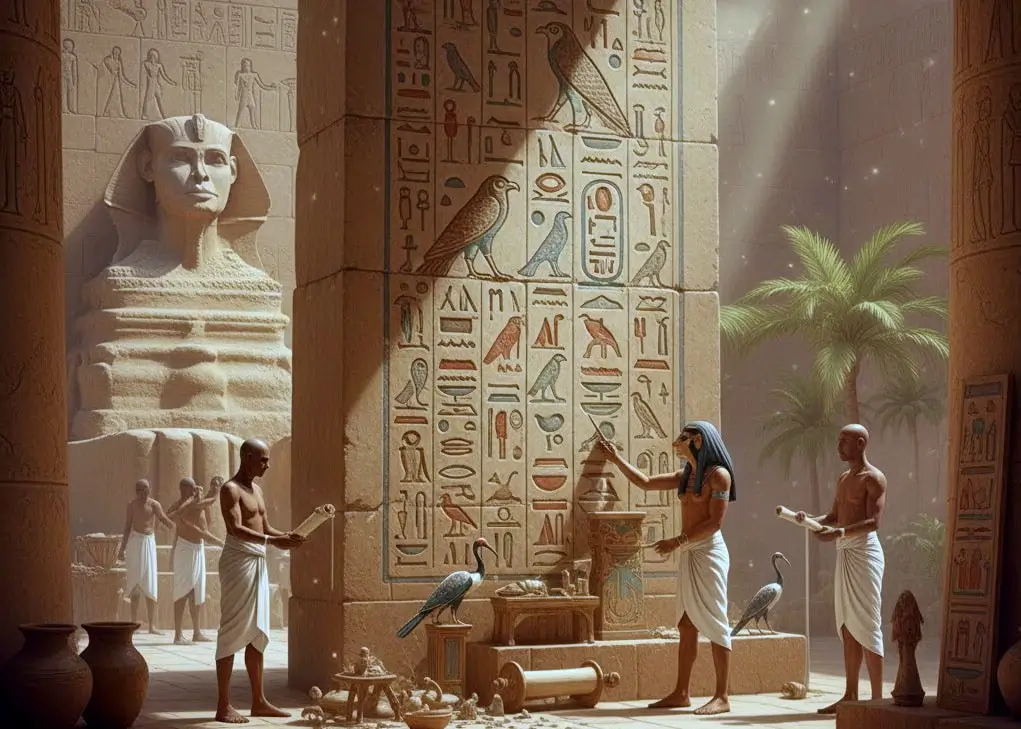
The Nile Valley was teeming with wildlife that heavily influenced early Egyptian culture and religion. Thick groves of papyrus reeds grew wild in the marshy delta, providing the raw material for the world’s first paper. Hippopotamuses and fierce crocodiles stalked the waters, eventually inspiring some of their most fearsome deities. Millions of migratory birds flocked to the riverbanks, providing a constant source of food for the early hunters and gatherers.
Uniting the Two Lands
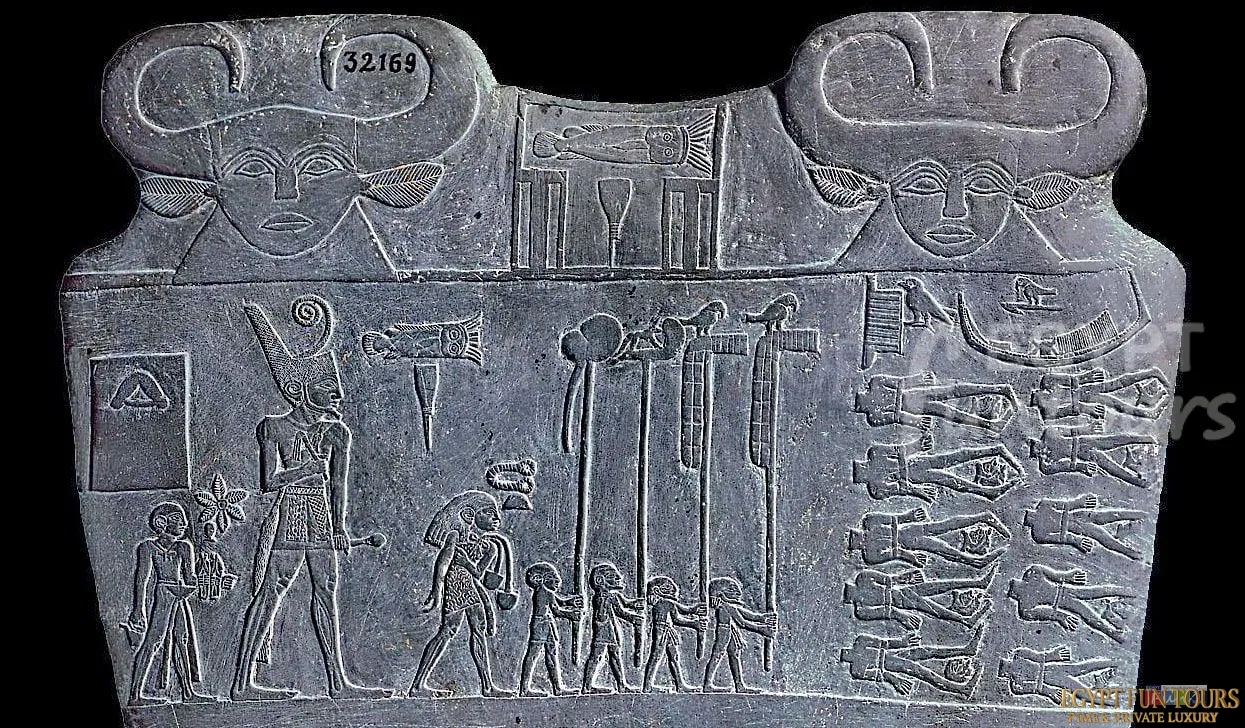
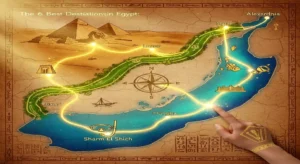
For centuries, Ancient Egypt existed as two separate, independent kingdoms. Lower Egypt sat in the north, sprawling across the marshy, fertile Nile Delta. Upper Egypt stretched along the narrow river valley to the south.
However, the true political power of the region ignited around 3100 BCE. During this pivotal time, a powerful southern ruler named King Narmer successfully marched north and united both regions under a single crown. Ultimately, this monumental event sparked the dawn of the pharaohs.
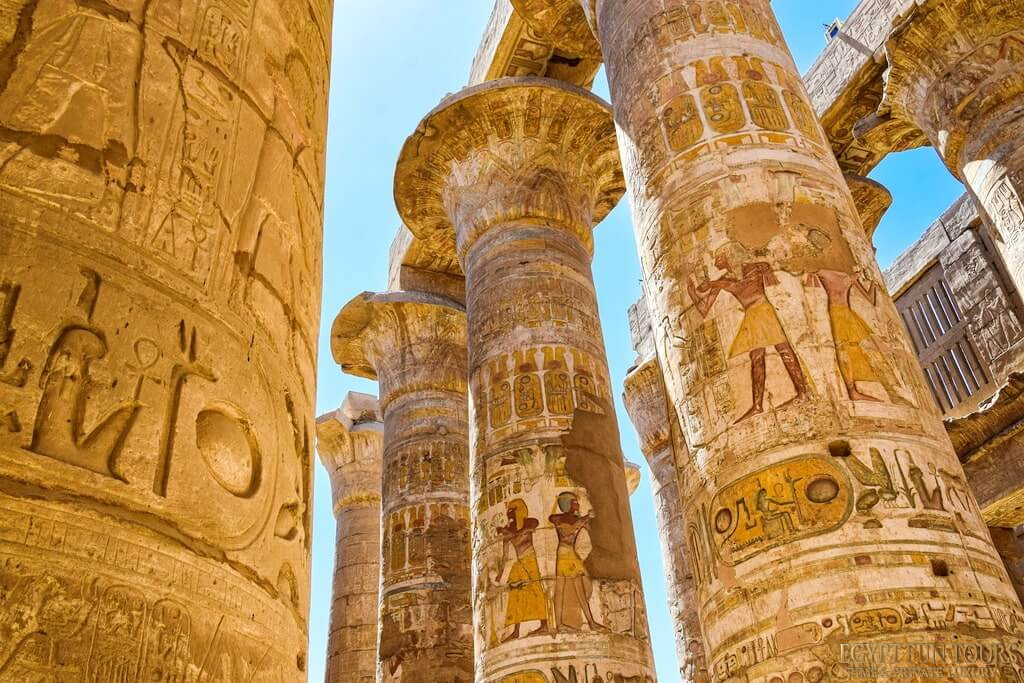
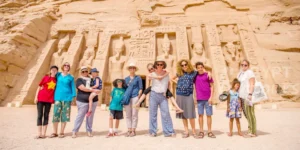
From this point forward, the newly forged empire was primed to experience its major golden ages. During these prosperous eras, rulers expanded their borders, forged complex trade routes, and constructed breathtaking monuments that still defy time today. For modern travelers, understanding this foundational landscape and timeline is the ultimate key to unlocking the secrets of the temples and tombs you will visit.
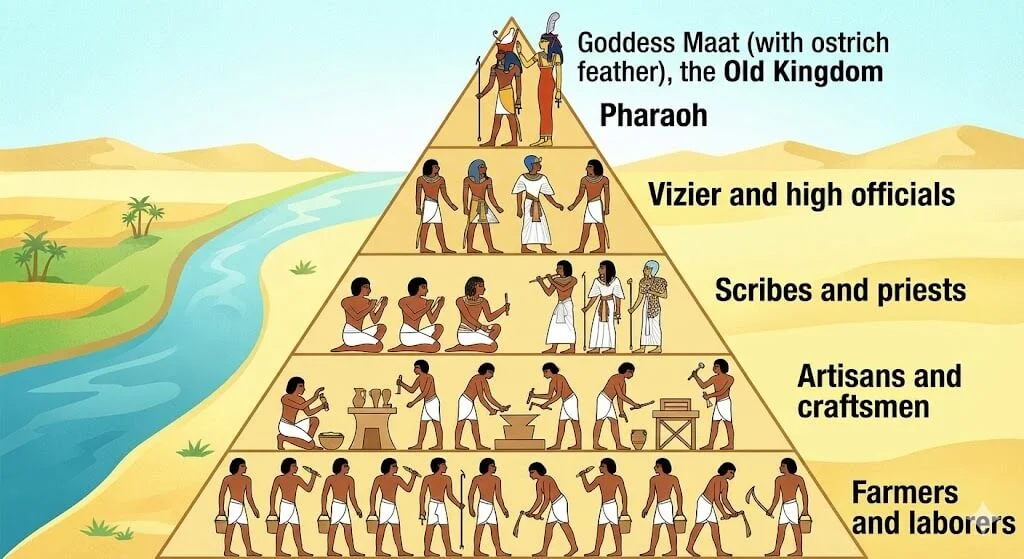
Dive deeper into the foundations of this society. Read our complete analysis of the Ancient Egyptian Civilization to learn how they governed, farmed, and built an empire that lasted for millennia.