The Sun God Political Role: A 3000-Year History of Kingship and Solar Deities

The Sun God's political role in Ancient Egypt was not static, but a dynamic, 3000-year process of power transference known as solar syncretism. The core political principle was that all legitimate authority flowed from the Sun (Ra). Pharaohs maintained this power by forcing every major rising deity—from Horus and Sobek to Amun and Osiris—to merge with Ra's identity, thereby ensuring the state remained solar-powered regardless of the ruling dynasty or regional influence. This process justified divine kingship, controlled state wealth, and guaranteed the eternal political cycle of the pharaoh's rule, making the Sun God the ultimate, indispensable source of Egyptian political authority until the Roman era.

The political foundation of Ancient Egypt was not built on laws or armies. It was built on the Sun. For three millennia, the Sun God provided the ultimate, unquestionable source of authority for every pharaoh, every empire, and every temple. The Sun God’s power was not static. It was transferable. When local gods rose to prominence, they immediately absorbed the Sun God’s identity. They needed this power. This process, known as syncretism, ensured that no matter who sat on the throne, the Sun God Political Role remained the central engine of the state.

This definitive guide traces how this singular solar authority was constantly transferred and adapted. We will explore its evolution from the singular creator Ra, through its imperial fusions like Amun-Ra and the Solar Osiris, all the way to its universal forms in the Roman era. This history is not merely theological; it is the political history of Egypt itself.
FUN

The Unifying Solar Principle (The Engine of State)

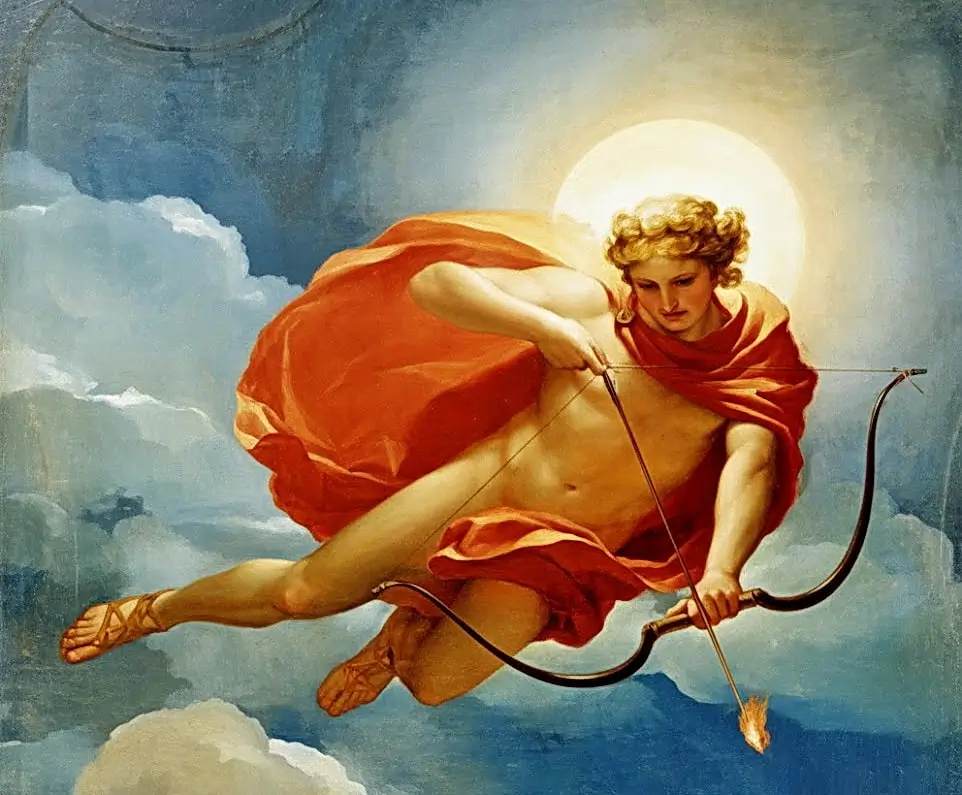
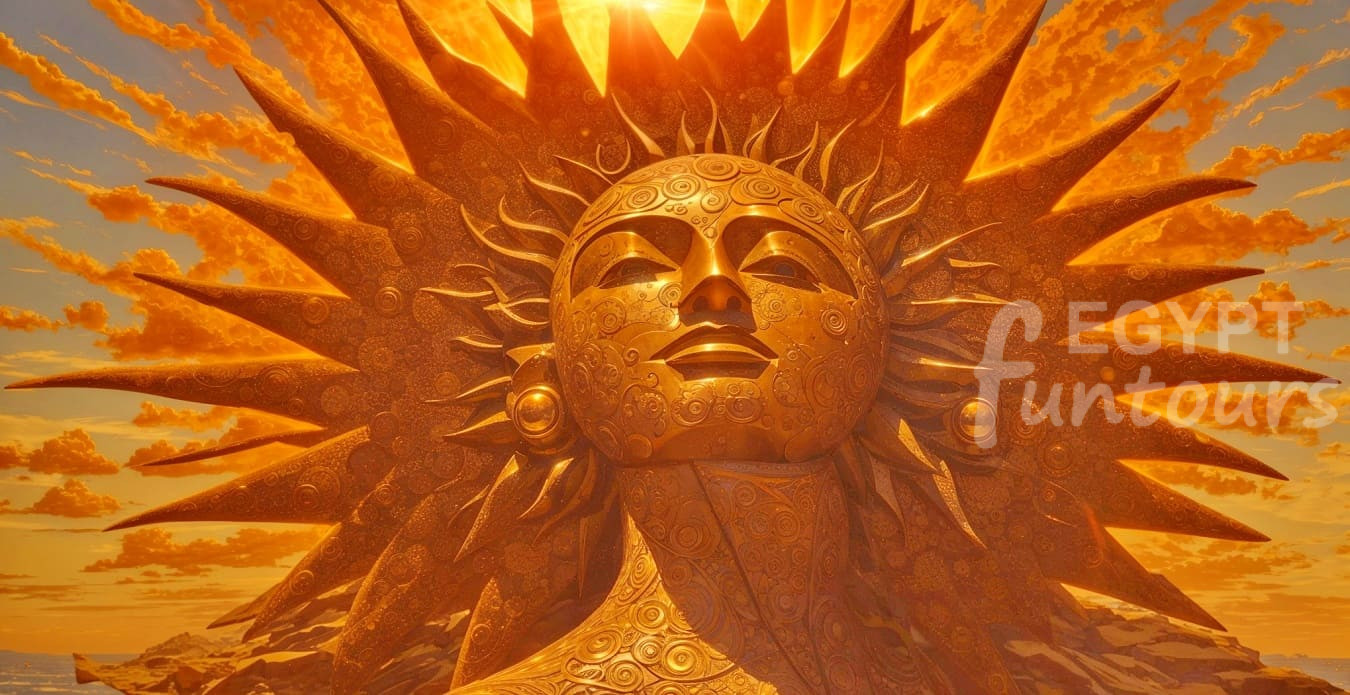
Why the ancient Egyptians worshipped the sun Egypt Fun Tours

The Sun God drove the essential theological principle of Egyptian existence. He was the state’s engine. For Ancient Egyptians, the Sun created the universe. Consequently, all political legitimacy flowed from him. The Pharaoh was not a king by birthright alone. He served as the Sun God’s chief political delegate. This supreme authority persisted and reapplied itself constantly through a genius mechanism: solar transference. The Sun God Political Role involved three core political functions:

  1. Creation (Origin of the State): The Sun God (Ra/Atum) was the self-created source of the entire cosmos. Therefore, he was the founder of the Egyptian nation. This made the Pharaoh his direct, rightful successor.
  2. Daily Cycle (Ma’at/Order Maintenance): The sun’s daily rising and setting proved its supreme power over chaos. Thus, the Pharaoh’s primary political duty was to mirror this cycle. He maintained Ma’at (cosmic and social order) against the forces of Isfet (chaos), justifying his rule every single day.
  3. Rebirth (Pharaoh’s Afterlife Legitimacy): The Sun God’s nightly journey through the underworld (the Duat) and his ultimate reappearance guaranteed eternal life. This promise was the most powerful political tool. It guaranteed the royal bloodline’s continuity and validated the pharaoh’s lineage across generations.

The result was a seamless blend of religion and government. The political role of the Sun God meant that to challenge the Pharaoh was to challenge cosmic order itself.

FUN

The Heliopolitan Foundation and Early Solar Forms

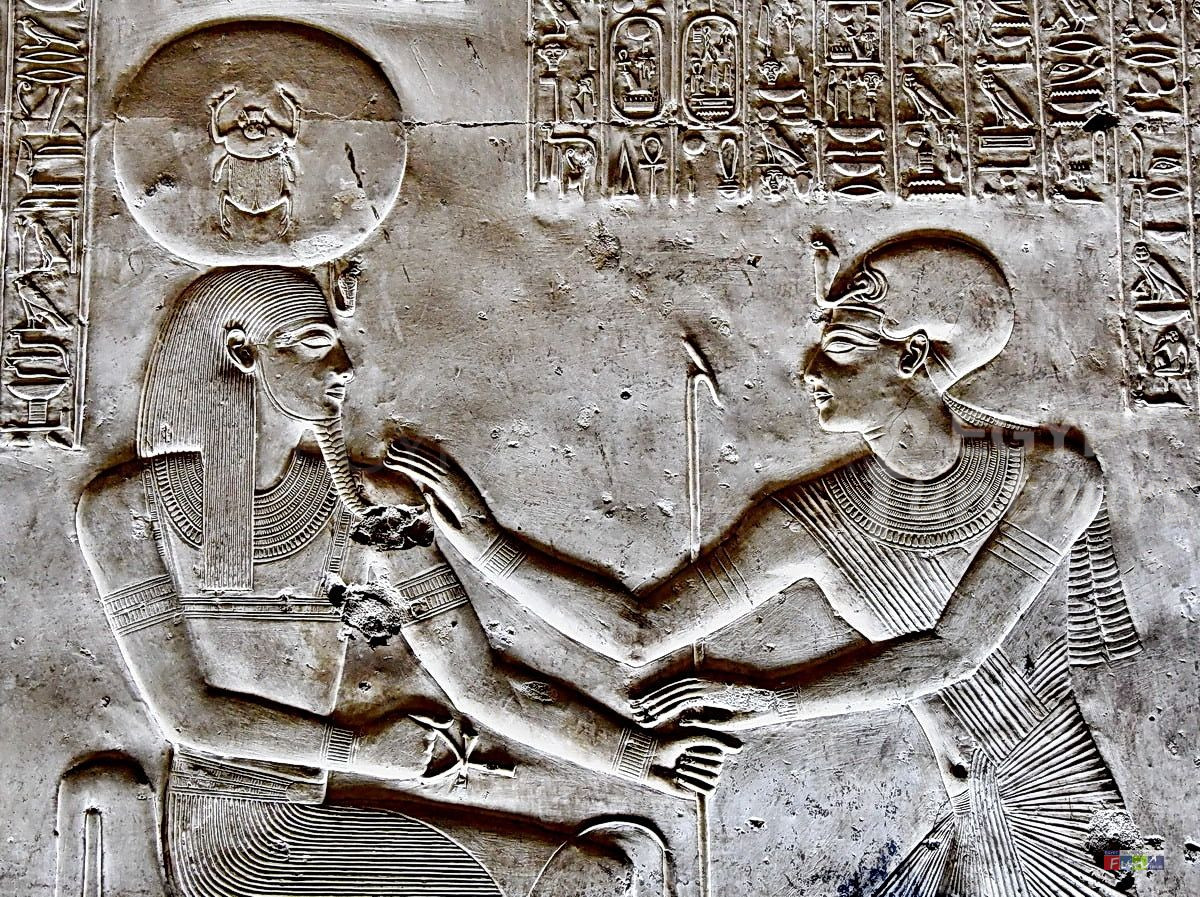
God Atum ra god ancient egypt gods and goddesses egypt fun tours

The Old Kingdom was defined by the Sun. This was the era of the great pyramids, which were, in essence, massive solar monuments. The political power of the Sun God was codified and symbolized in these colossal structures.

1. Atum-Ra: The Self-Created Political Blueprint

The earliest politically dominant Sun God was Atum-Ra. Atum was the primordial god who emerged from the watery chaos (Nun). He was the solitary creator. Atum later merged with Ra, the solar disk god.

  • Political Identity: Atum-Ra represented the setting sun and the self-created origin point of the divine monarchy.
  • Political Role: The creation story originating from Heliopolis—the site of Atum-Ra’s worship—established the divine family structure. This framework, known as the Ennead, laid the political blueprint for the entire Egyptian government. Consequently, the pharaoh was placed directly within this divine lineage.

2. Ra-Horakhty: The Embodied King

The most politically essential early fusion was Ra-Horakhty, meaning “Ra, who is Horus of the Two Horizons.” This fusion seamlessly connected the cosmic sun with the earthly ruler.

  • The Fusion: Horus was the god of kingship and the living pharaoh. Ra was the universal, cosmic power. The merger was mandatory for kingship.
  • Political Role: This fusion provided the pharaoh with his defining title: “Son of Ra.” By adopting this title, the pharaoh ceased to be merely a human ruler. He became the living son and delegate of the Sun God. This established the core concept of divine kingship—the idea that the king’s authority was divinely mandated and absolute.

3 Khepri: The Rising Sun (Renewal of State)

Not all solar power was static. Khepri, the scarab beetle god, embodied the rising sun.

  • Symbolism: The beetle was seen pushing the sun disk over the horizon every morning. This was a literal, visible miracle.
  • Political Role: Khepri symbolized the daily political renewal of the state. The pharaoh’s job was never complete. Therefore, the government was obligated to perpetually renew and maintain order (Ma’at). The Sun God’s daily cycle was the constant political expectation for the king.

The Profound Egyptian Influence on Greek Civilization

Egypt profoundly influenced ancient Greek civilization in various aspects. Key influences include religious syncretism, with...
Related post
FUN

The Solar Feminine and Local Consolidation

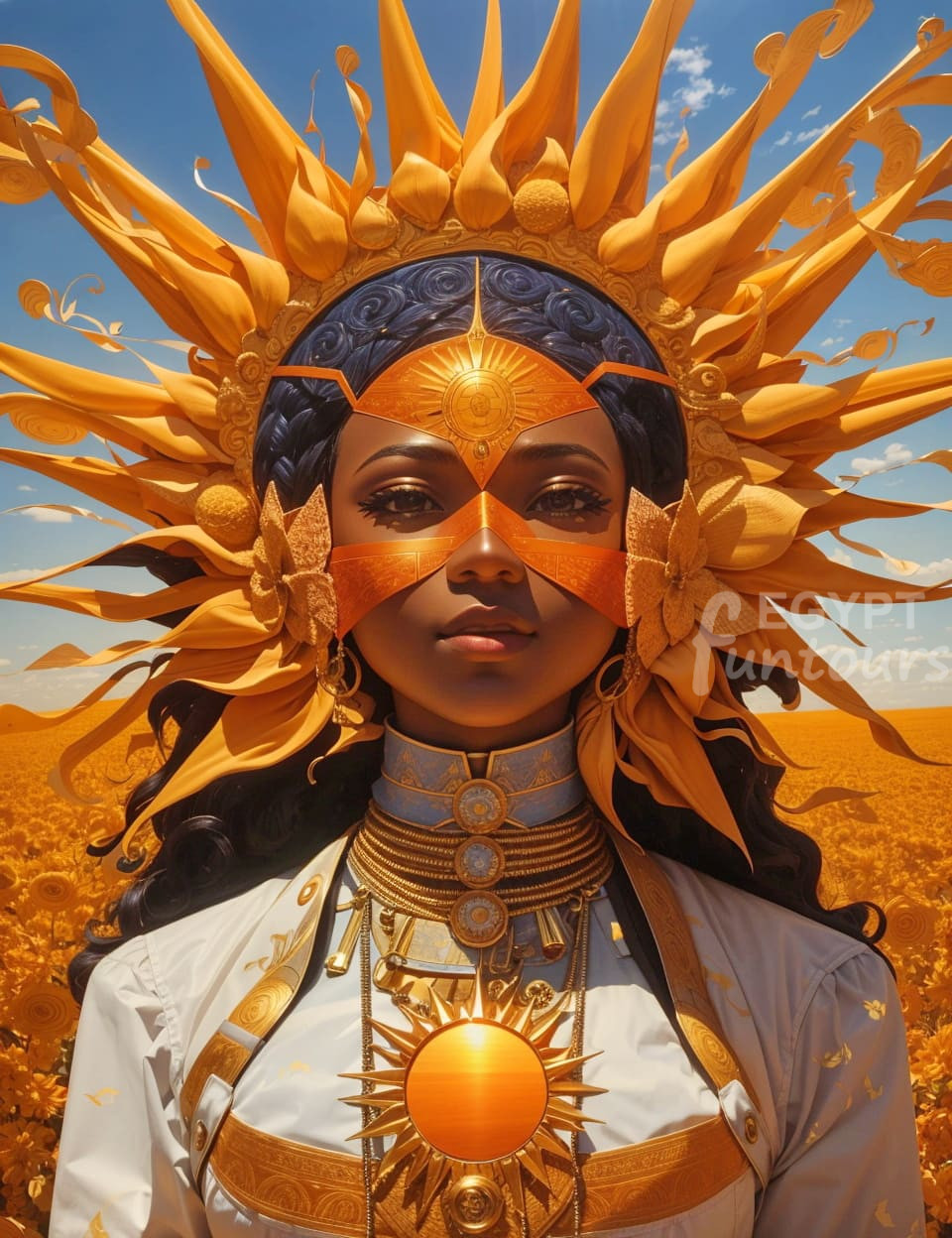
The biggest guarded secret is now known why the ancient Egyptians worshipped the sun Egypt Fun TOurs

As Egypt’s political landscape expanded and consolidated, the Sun God’s power required distribution. It transferred to regional gods and female deities. This kept the central authority solar, even in distant provinces.

1 Hathor and Sekhmet: The Eye of Ra (Power and Fury)

The Sun God delegated his most volatile power to goddesses. These powerful figures served as the Eye of Ra.

  • Duality: Hathor (wearing the solar disk and cow horns) was the benevolent, nurturing side of the Sun’s power. Sekhmet (the lioness) was the destructive, punishing fury of the Sun God.
  • Political Role: This duality allowed the Pharaoh to claim solar rights over two key political functions. He had the solar right to provide bounty and fertility (Hathor). Conversely, he also had the solar right to violently protect the realm and punish rebels (Sekhmet). This reinforced his legitimacy through both fear and prosperity.

2 Sobek-Ra: Local Power Syncretism

The Middle Kingdom brought increased political focus to the Faiyum region. Consequently, the local god Sobek needed solar legitimation.

  • The Merger: Sobek, the crocodile god, was merged with Ra, creating Sobek-Ra.
  • Political Role: This fusion was critical. By giving the crocodile god the Sun God’s authority, the Middle Kingdom pharaohs successfully used solar power to legitimize their rule over a politically and economically vital region. This demonstrates the political adaptability of the solar principle.

3 Montu-Ra: The Warrior Sun

Before the rise of Amun, Montu, the war god of Thebes, was syncretized with Ra, forming Montu-Ra.

  • Political Role: This early Theban fusion established the Sun God as the patron of the militarist state. It provided a divine, solar mandate for the pharaohs’ aggressive campaigns and territorial expansion. Thus, military might was framed as an expression of the Sun God’s political will.

Hemiunu: The Vizier and Architect Who Built the Great Pyramid of Khufu

Hemiunu was the powerful Vizier and Overseer of All Construction Projects for Pharaoh Khufu, a...
Related post
FUN

The Imperial Apex and Afterlife Authority (New Kingdom)

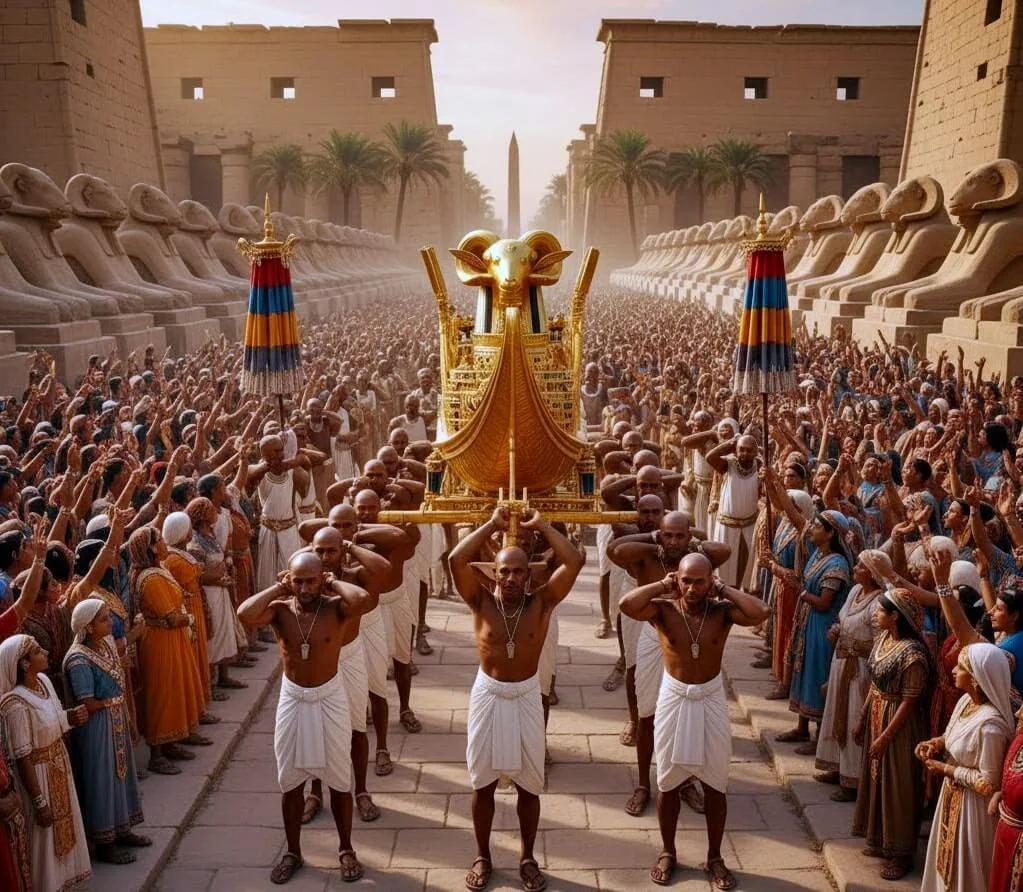
The Opet Festival and the Procession of Amun

The New Kingdom was the age of empire. The Sun God Political Role reached its zenith. The solar fusions became colossal, reflecting the scale of Egypt’s power.

1 Amun-Ra: The King of the Gods

This was the most politically consequential merger in Egyptian history. Amun, the local Theban god (“The Hidden One”), merged with Ra, the universal Sun God.

  • The Fusion: Amun-Ra became the King of the Gods—the supreme deity of the empire. Theological insight: He was the Sun God in both his visible (Ra) and invisible (Amun) forms.
  • Political Role: The fusion was designed to centralize all political and financial authority in Thebes. The vast, untaxed wealth of the Amun-Ra Priesthood often rivaled the pharaoh’s own. Therefore, the political role of Amun-Ra became the economic engine of the imperial state. The power was immense.

2. The Solar Osiris (Ra-Osiris): Eternal Legitimacy

The Sun God’s political role was equally critical in the afterlife. Here, Ra merged with Osiris.

  • The Fusion: Ra (day/life/sky) and Osiris (night/death/underworld) became a unified entity, often called Ra-Osiris. Texts like the Amduat show Ra’s solar barque merging with the mummy of Osiris at midnight.
  • Political Role: This fusion guaranteed the eternal political cycle of the pharaoh. The deceased pharaoh became Osiris, the ruler of the dead. Crucially, he was simultaneously Ra, who was reborn daily. This promise of rebirth and continuous rule was the ultimate justification for the pharaoh’s lineage and power across generations.

3 The Aten: The Political Monotheistic Crisis

The power of Amun-Ra eventually threatened the pharaoh. Akhenaten launched a radical counter-attack.

  • The Aten: He replaced all complex, syncretic solar forms with the singular, unfused, visible sun disk—the Aten.
  • Political Role: This religious change was fundamentally a political coup d’état. It aimed to dismantle the wealth and power of the Amun-Ra priesthood by removing all intermediaries. The Sun God’s political role was simplified to serve only one man: Akhenaten. However, this radical change failed. The established solar political system proved too powerful to be easily undone.

Ancient Egyptian Festivals: A Complete Guide to Sacred Celebrations

Discover the vibrant heart of ancient Egyptian culture through its sacred festivals. These massive celebrations...
Related post
FUN

Hellenistic Universalism and Syncretism’s Final Forms

Hellenistic Universalism and Syncretism’s Final Forms

The arrival of Greek and Roman rulers posed a new political challenge. The foreign pharaohs needed legitimacy. The solution was simple. They leveraged the Sun God Political Role by creating universal solar deities acceptable to both native Egyptians and Hellenistic newcomers.

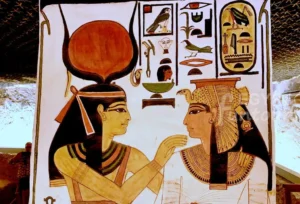
1 Isis as a Solar Goddess (The Queen of Heaven)

In the later periods, the cult of Isis underwent radical expansion. She became a universal queen. As she grew in power, she naturally absorbed the Sun God’s authority.

  • Solar Association: Isis was frequently equated with the celestial goddess Hathor, who famously carried the Sun disk between her horns. Consequently, Isis began depicting herself with the solar disk and the uraeus, adopting the symbols of solar power.
  • Political Role: This universalization was crucial for foreign rulers. By linking their queens and empresses to the most powerful, multifaceted goddess—who possessed solar authority—they appealed to both Greek and Egyptian populations. Her cult became a political tool. Rulers used it to establish a global, divinely sanctioned rule emanating from Egypt.

2 Serapis: The Engineered Solar God

Ptolemy I faced the urgent political need to unify his diverse populace. His solution was to engineer a new god. This deity was Serapis.

  • The Fusion: Serapis was a calculated combination. He merged the regenerative power of Osiris and the sacred bull Apis with key Greek attributes (like Zeus and Hades, often associated with light and the underworld).
  • Political Role: Serapis was an explicit political construct. He was a solar-chthonic deity (ruling both sun and earth) created to serve as a shared patron for the Ptolemaic dynasty. Thus, the Sun God Political Role transferred to a manufactured deity. Its primary function was to ensure the new Hellenistic regime’s stability and acceptance.

3 Horus-Harpocrates: The Solar Child

The deity Harpocrates, the Hellenistic form of Horus the Child, also played a continuing solar role.

  • Focus: He was often associated with light and represented the youthful sun. He was the heir apparent.
  • Political Role: Harpocrates embodied the continual renewal of the royal line. Under foreign dynasties, this promise was vital. He guaranteed the promise of solar-powered stability and order for the future, reassuring the populace that the divine mandate remained intact.

4 The Final Transfer: Sol Invictus and Legacy

The Sun God’s political journey did not end with the fall of the Ptolemies. His authority was absorbed by Rome itself.

  • Focus: The Roman Empire, particularly in its later stages, saw the rise of the cult of Sol Invictus (“The Unconquered Sun”).
  • Political Role: This shows the enduring nature of the solar political principle. The concept of an unconquered, universal Sun God remained the ultimate source of imperial authority. The Roman Emperor, much like the Pharaoh, claimed to be the living delegate of this supreme solar power. The political role of the Sun God simply changed clothes, moving from the Nile Valley to the entire Mediterranean world.

The Eternal Political Cycle of the Sun God

The Eternal Political Cycle of the Sun God

The history of Ancient Egypt is a 3,000-year case study in political theology. The central conclusion is clear. The Sun God Political Role was the absolute constant in a world of political change.

It was never a single deity named Ra. It centered on the transferable principle of solar power. Every major god who rose to prominence—Atum, Horus, Amun, Osiris, Sobek, Montu, and Isis—merged with Ra to claim supreme authority. This process of syncretism was the Pharaoh’s master political tool.

  • The Foundation: The solar principle established the state by making the pharaoh the Son of Ra (Ra-Horakhty).
  • The Empire: It created an economic superpower through the fusion of Amun-Ra.
  • The Afterlife: It guaranteed eternal continuity through the merger of the solar and chthonic powers (Ra-Osiris).
  • The Future: It legitimized foreign rule through universal figures like Isis and Serapis.

The sun’s daily resurrection was the ultimate political justification. It proved that the cosmos favored the ruler. The Sun God never truly died; he simply evolved, changing his name and form to ensure that political authority in Egypt remained divine, absolute, and solar-powered for millennia.

Giza pyramids & Sphinx, & Sakkara pyramids | Sound & Light show & Nile dinner cruises (optional) | Cairo museum, Khan El-Khalili, Citadel of Saladin,...
Discover the mesmerizing Egypt where the wonders live....
group tour of wonders

Solid Tour Company

Last year (2010) my wife and I did a 20 day trip in Egypt, mostly Do-It-Yourself. However, one of the first things we did was a trip to Bahariya oasis and to the White Desert — not so easy to do yourself, so we needed an agency. After e-mail back-and-forths

More »
Souqs and Markets in Egypt - Egypt Fun Tours

Cairo walking tours

After a rocky start (the driver had been in an accident on his way to pick me up,) the company very quickly sent another driver/guide named Mohammed, who was a real pro. Thoroughly enjoyed my first day in Egypt!

More »
Giza pyramids Tours - Egypt Fun Tours

Thanks to egypt fun tours!

Thank u Hani for the enlightening tour of Giza and Saqqara. Thank u also for the great recommendation – Felfela – which we enjoyed a lot. returning the commission u got at the papyrus shop was something we didn’t expect and truly appreciate. shookran!

More »

7 night Egypt Experience Cairo, Aswan, Luxor

Trip of a lifetime!! COVID SAFE!! Knowledgeable guide who loves to share the magic of Egypt with tourists. Friendly and accommodating. This company goes to the extreme to make clients feel welcome and help them. A family company that takes good care of its support staff. Must book the 7-night

More »
Isis with wings

Top-rated Tour Packages

Isis with wings