The Servants of Eternity: Shabtis and the Daily Labor of the Afterlife

Escape eternal labor! Dive deep into the Egyptian Shabti figures—the magical mummiform servants that made paradise possible. Discover how Chapter 6 of the Book of the Dead animated these ceramic deputies, transforming them into a tireless workforce. Learn why the wealthy needed an army of 401 Shabtis to guarantee rest in the afterlife, confirming that ancient Egyptians even outsourced their eternity.

The Shabti: Avoiding Manual Labor in Paradise

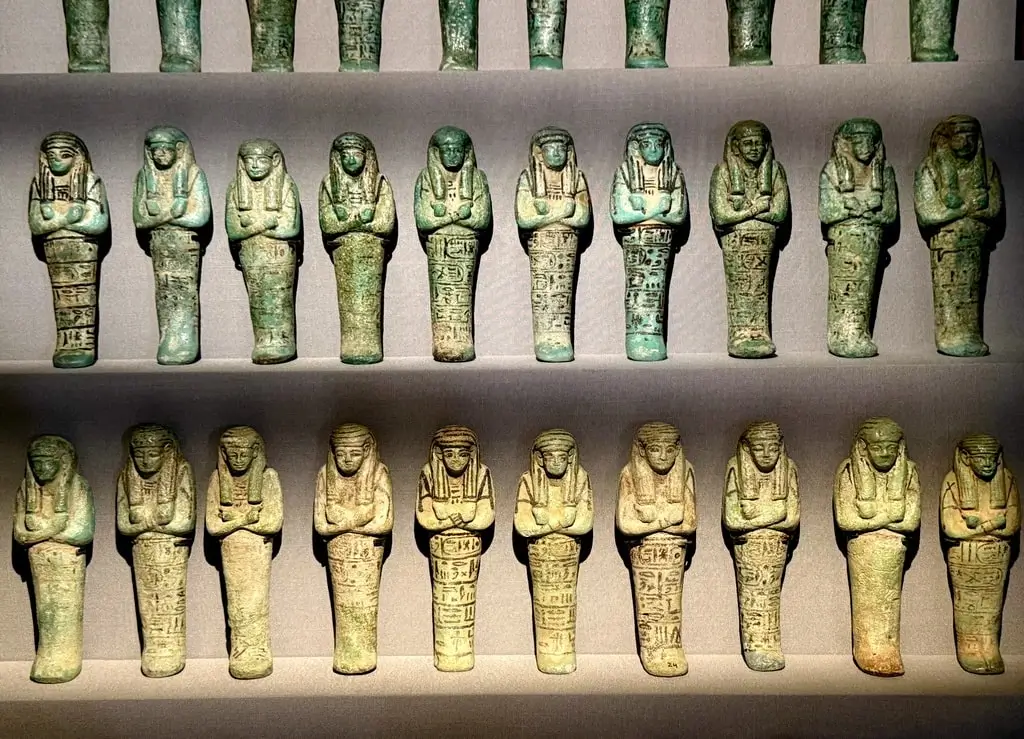
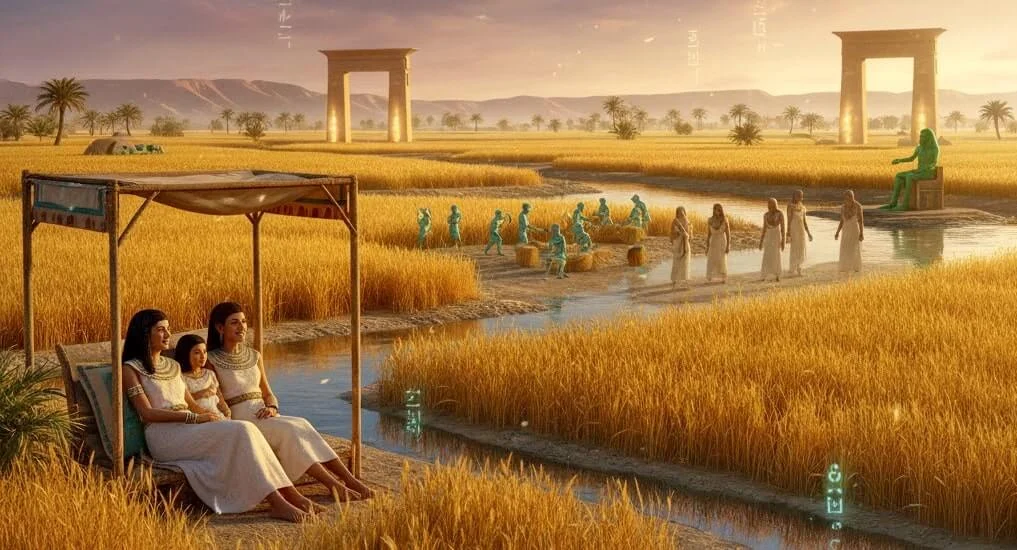
The Egyptian Shabti (or Ushabti) figures are small, mummiform servants. They represent magical technology designed to serve the deceased. The Egyptian afterlife, the beautiful Field of Reeds (A’aru), was a place of endless abundance. After the deceased passed the Weighing of the Heart judgment, they gained entry. They expected paradise.

Yet, even paradise required work. The gods commanded labor: you must dig canals, you must plow fields, and you must collect the harvests. For the wealthy and elite, the idea of spending eternity working the soil was unacceptable.

The solution was these statues. They were created specifically to perform all eternal labor. They ensured their owners could rest and truly enjoy paradise. A single, essential spell from the funerary texts dictated the entire function of the figure: Chapter 6 of the Book of the Dead. The Shabti was the ultimate answer to the call for eternal labor.
FUN

The Spell that Animates the Servants (Shabti)

The Spell that Animates the Servants

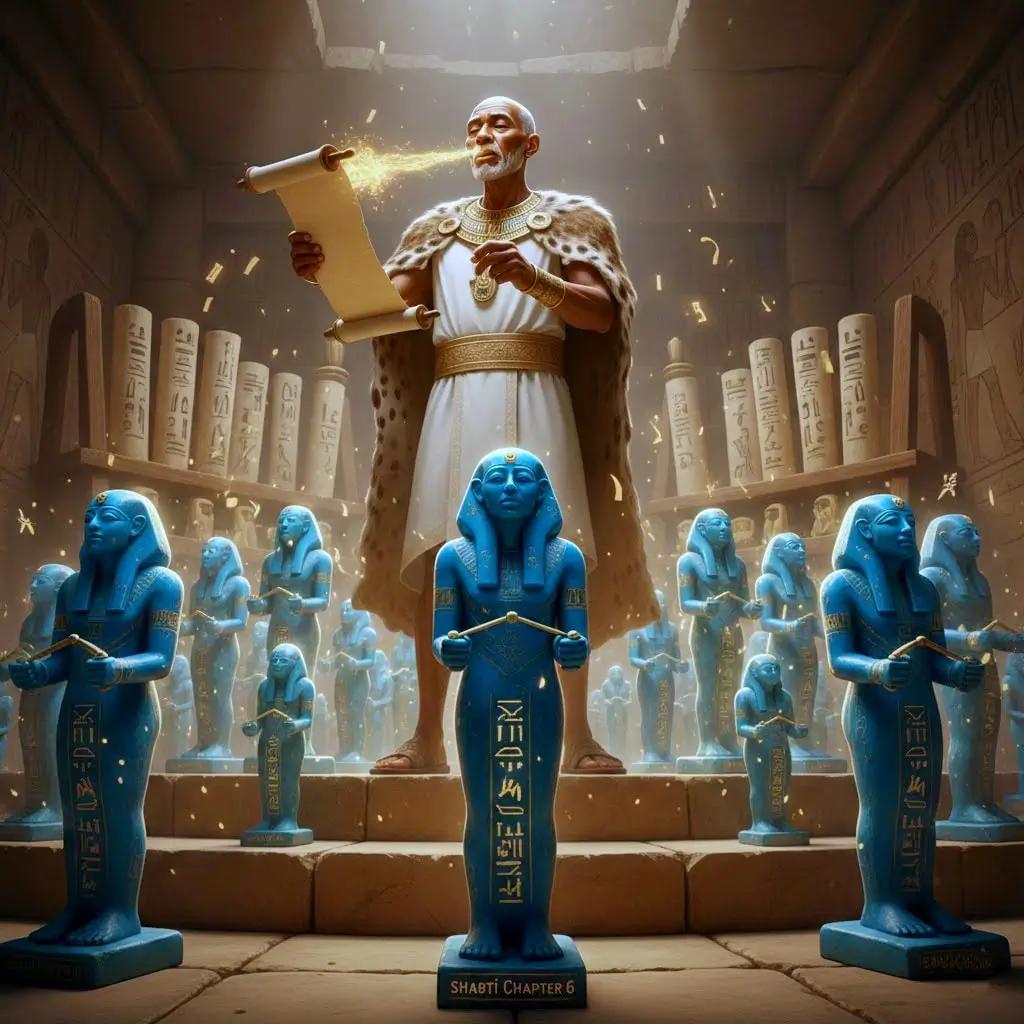
The power of the Egyptian Shabti was not in its material. It was in the magic of the written word. To activate its function, a specific invocation was inscribed upon the figure itself. This text is Chapter 6 of the Book of the Dead—the Shabti Spell.

The Command to “Answer”

The text serves as a contract for supernatural outsourcing. It was designed for the deceased’s soul to recite when the gods called for labor. The spell ensured the servant immediately responded. The figure’s name comes from the Egyptian verb šab or ušab, meaning “to answer.”

The key line of the invocation is clear:

“O, Shabti, if the deceased is commanded to do any work there… you shall say: I will do it! I will do it! I am here.”

The Tools of the Trade

You must prepare the Shabti for work. The figures were always depicted holding the implements necessary for agricultural labor in the Field of Reeds.

  • The Hoe and Pick: The figures carry a hoe in one hand and a pick or mattock in the other. They stand ready to break the perfect, fertile ground of paradise.
  • The Seed Bag: A small basket or seed bag is often slung over the shoulder or positioned against the back. This signifies their role in planting and harvesting the eternal crops.

The Material and Manufacture

The materials used for Ushabtis reflect the owner’s wealth.

  • Faience: Most figures are made of Egyptian faience—a glazed composition, typically blue or turquoise. This color represents the gods, the Nile, and rebirth.
  • Wood and Stone: Wealthier burials included finely carved Shabtis made of wood or hard stone. This signified higher status and greater durability for eternal service.

The widespread use of faience allowed for mass production. This facilitated the democratization of immortality that the Book of the Dead made possible.

FUN

The Pharaoh’s Army of Servants

The Pharaoh's Army of Servants

The number of Shabti figures buried with the deceased directly reflected the eternal labor required and the owner’s status. For the earliest Egyptian burials, one or two figures sufficed. By the New Kingdom, however, the concept became formalized: Egyptians created an entire army of servants.

The Standardized Workforce

The New Kingdom established a strict, bureaucratic standard for the afterlife workforce:

  • 365 Workers: You needed one Shabti for every day of the year. This ensured the deceased faced no labor, regardless of the date.
  • 36 Overseers: You also needed one foreman for every ten workers. These Shabtis often carried whips or batons instead of farming tools. They did not labor themselves; they managed the workers and maintained discipline among the workforce.

This standardization meant a high-status burial required a minimum of 401 Shabti figures.

Royal Status and the Ultimate Outsourcing

Royal tombs showcased this practice at its zenith.

  • Pharaohs’ Figures: Pharaohs like Tutankhamun possessed one of the largest known collections, though many royal figures were stored in boxes rather than spread individually. The volume guaranteed the pharaoh never had to exert energy in eternity.
  • Unique Titles: Some royal Ushabtis carried the specific titles of the deceased, linking the royal servants directly to their divine master.

This practice reveals a key element of Egyptian belief: the powerful and wealthy extended their social hierarchy into the afterlife, ensuring they transcended all physical hardship through the sheer volume and magical activation of these ceramic and wooden deputies.

The Profound Egyptian Influence on Greek Civilization

Egypt profoundly influenced ancient Greek civilization in various aspects. Key influences include religious syncretism, with...
Related post
FUN

A Socio-Economic Reflection

The Egyptian Field of Reeds; A Complete Guide to Ancient Egyptian Heaven

Ultimately, the Egyptian Shabti figures offer more than just a glimpse into funerary ritual. They provide a final, critical insight into the Egyptian worldview. The existence of these figures effectively completes the entire complex system you have studied.

First, these small statues perfectly merge Egyptian religion and technology. The concept starts with the theological need for manual labor in the perfect Field of Reeds. The solution then relies on the magic of the written word—a spell from the Book of the Dead—to activate a ceramic or wooden substitute. The ancient Egyptians did not just hope for salvation; they created it using magical automation.

Social Structure Extended

Furthermore, the Shabti system confirms that the Egyptians extended their social structure into eternity. The wealthy possessed hundreds of these magical servants. Their status on Earth guaranteed their exemption from physical labor in the afterlife. The Shabtis served as the eternal working class, reinforcing the hierarchy that defined Egyptian society.

Finally, consider the Shabti’s role in the democratization of immortality. As the Book of the Dead made salvation accessible to more people, the mass production of faience Ushabtis made the avoidance of eternal labor accessible as well. For the first time, individuals outside the royal court could command an army of workers in the next world.

The Egyptian Shabti stands as a powerful testament. They prove that the ancient Egyptians left nothing to chance. They prepared for every contingency, ensuring comfort, status, and eternal rest through the power of ritual, wealth, and the tireless service of their silent, spell-bound deputies.

Ancient Egyptian Mummies: From Pharaohs to Powdered Medicine

This article explores the dark, two-sided history of Ancient Egyptian Mummies. Discover the staggering scale...
Related post
FUN

❓ Frequently Asked Questions (FAQs)

1. What is the difference between a Shabti and an Ushabti?

You find no significant difference. Both Shabti and Ushabti refer to the same small funerary servant statues. Ushabti is the older term modern Egyptologists use more often; Shabti is a later form of the word. They both derive their name from the Egyptian word meaning “to answer,” reflecting their duty to answer the call for labor.

2. Why did people bury Shabti figures with the dead?

People buried Egyptian Shabti figures with the deceased to act as magical substitutes for manual labor in the afterlife. Egyptians believed work was still necessary in the perfect paradise of the Field of Reeds. When the gods called upon the deceased to perform tasks like farming or irrigation, the Shabti would magically answer and perform the work. This ensured the owner could rest.

3. What do you find inscribed on a Shabti figure?

You find the text of Chapter 6 of the Book of the Dead, often called the Shabti Spell, inscribed on most figures. This specific magical text contains the invocation. It commands the figure to become animated and assume the work when the deceased receives the call to labor.

4. How many Shabti figures did tombs contain?

By the New Kingdom, high-status tombs contained a standardized workforce of 401 figures. This included 365 worker figures (one for each day of the year) and 36 overseer figures (one for every ten workers). The overseers managed the eternal workforce and maintained discipline.

5. What are the tools the Shabti holds?

The figures typically hold the tools of the field worker. They include a hoe and a pick (or mattock) for tilling the land, as well as a small seed bag or basket slung over the shoulder. This shows their full role in planting and harvesting the eternal crops.

Unveiling the Harem Conspiracy: The Plot to Assassinate Ramesses III

Uncover the gripping story of the Harem Conspiracy, a bloody plot to assassinate Pharaoh Ramesses...
Related post
FUN
Egypt 10 days 9 nights vacation. Private guided sightseeing tours of Cairo, Luxor, Aswan, Nile cruise experience, & Hurghada Red Sea. Door to door transfers....
Experience memorable moments filled and excitement and joy...

Pyramids in the Mist, Egypt Adventure

Our long drive from Cairo turned into a terrifying flight through Alexandria’s impossibly crowded streets. Our minivan miraculously avoided hitting pedestrians, donkey carts, and old Lada cars. We arrived at the port gates with only 10 minutes to spare. But the guards ignored our U.S. passports, and they refused to

More »

Very Considerate and Helpful

Guide and driver were on time, open to my requests and took care that I felt safe and saw the Pyramids and parts of old cairo during my less than 24 hour stay between flights. Office staff were great in communicating by email before and during the trip.

More »
4-day-christmas-nile-cruise

Hossam Rashwan Tour Guide

We took this trip with Hossam Rashwan as our tour guide, and I must say that Hossam was the greatest tour guide in Luxor who showed us around. Our tour guide’s tales transported us to Luxor’s past, and we felt as if we were living in ancient Egypt. We really

More »

Excellent Adventure

These guys put together an amazing itinerary that allowed me see the sunrise at the sun festival in Abu Simbel, King Tut’s tomb, and mask! That was just the tip of the iceberg. Aswan, Kom Ombo, Edfu and Luxor. So much visited with plenty of rest time. An amazing trip

More »
Amazing Egypt Tours Vacations in December Egypt Fun Tours

Amazing trip with Egypt Fun Tours

We had the time of our lives on a trip to Egypt and the Bahariya/White Desert with Egypt Fun Tours, too. I would highly recommend this company. They are very familiar with organizing this trip, and this means they are well-connected in the desert area. This was invaluable to us

More »
Isis with wings

Top-rated Tour Packages

Isis with wings