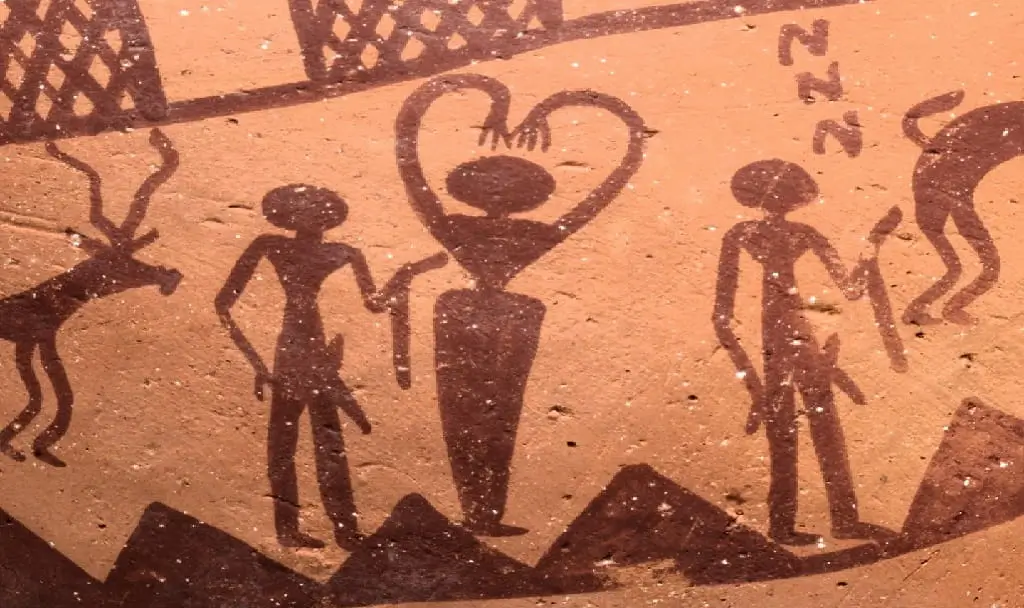

Ancient Egypt did not begin with the Great Pyramids. In fact, thousands of years of human struggle and innovation occurred before the first Pharaoh wore a crown. This era is known as the Predynastic Period of Egypt. During this time, early settlers transformed from nomadic hunters into organized citizens. They mastered the Nile’s floods, invented early writing, and built the social foundation for the massive empires that followed.
To understand the gold of King Tut or the stones of Giza, you must first understand these ancient Egypt origins. Let’s step back into the shadows of prehistory to see how the world’s greatest civilization truly began.
The Nile Valley 6,000 Years Ago: Climatic Shifts and Pre-Dynastic Archaeological Sites
The Sahara Desert was once a lush, green grassland. However, around 5000 BCE, the climate shifted, and the rains vanished. As the desert expanded, people migrated toward the only reliable water source: the Nile River. Consequently, the river valley became a crowded corridor of life. These early pre-dynastic archaeological sites show that people did not just survive here; they thrived. They learned to predict the yearly floods. Furthermore, they began to stay in one place, creating the first permanent villages in Northeast Africa.
The Badarian Culture: Origins of Agriculture in the Predynastic Period of Egypt
The story of the Predynastic Period of Egypt takes a major leap forward with the Badarian culture. Archaeologists first discovered these people near the modern village of Al-Badari. They represent the oldest known agricultural tradition in Upper Egypt.
Badarian Pottery: Masters of the Prehistoric Kiln
The Badarians were exceptional craftsmen. Specifically, they produced “black-topped” pottery that remains world-famous today. They shaped these vessels by hand because they did not have the potter’s wheel yet. They made the walls of their pots incredibly thin and polished them with stones until they shone.
Early Egyptian Burial Practices and Beliefs in the Afterlife
In addition to their pottery, the Badarian people left behind thousands of graves. These burials reveal their deep spiritual beliefs.
- Orientation: They buried their dead in a fetal position, usually facing the West. This tradition continued for the next 3,000 years.
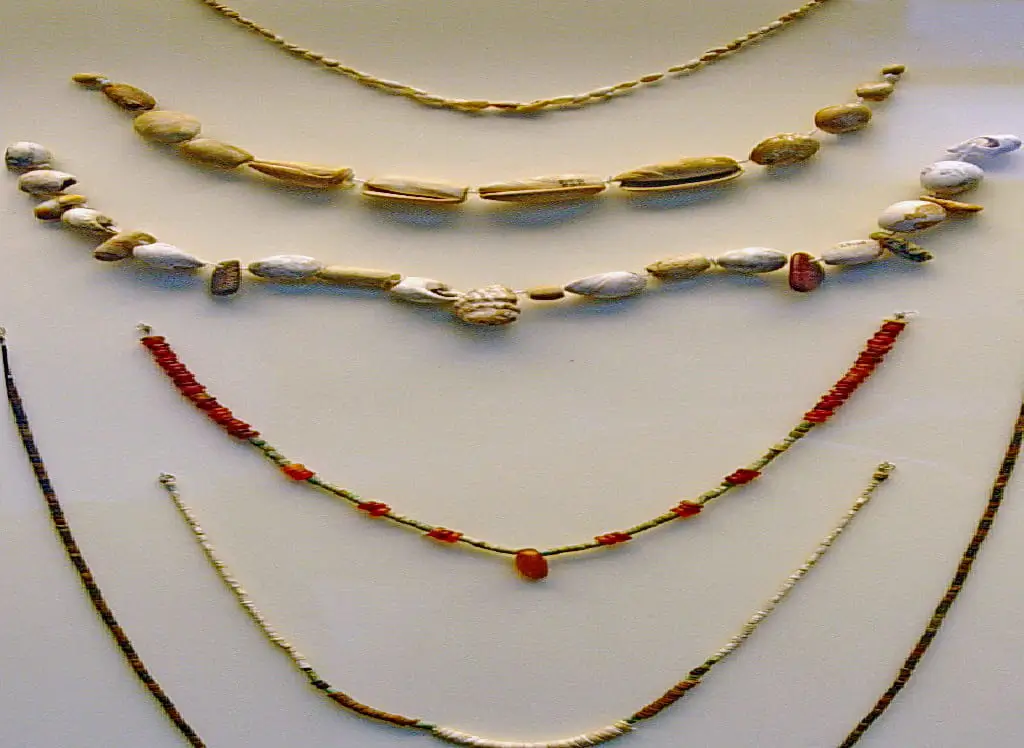
- Grave Goods: They filled graves with jewelry made of ivory, copper, and even glazed steatite beads.
- Social Status: Interestingly, some graves contained many more treasures than others. This suggests that a social hierarchy was already forming in the Nile Valley.
Chalcolithic Copper Innovations and Early Tools
While they were primarily farmers, the Badarians were also early engineers. They used flint tools for hunting and sickles for harvesting grain. Moreover, they were the first in Egypt to use copper. They hammered this metal into small pins and beads, marking the beginning of the Chalcolithic (Copper) Age in the region.
As the Badarian culture faded, it did not disappear. Instead, it evolved into the even more sophisticated Naqada culture, which we will explore in the next section.