
The Sixteenth Dynasty of Egypt: Survival and Resistance in Fractured Thebes

The Sixteenth Dynasty of Egypt represents a resilient, albeit politically fractured, era of the Second Intermediate Period characterized by its struggle against environmental crises, famine, and the encroaching Hyksos Empire. Despite enduring severe economic isolation, resource shortages, and military setbacks—including the temporary occupation of Thebes—this dynasty successfully preserved core Egyptian religious and administrative institutions. Their enduring resistance in the face of these immense pressures acted as a vital cultural bridge, providing the essential political and organizational foundation for the eventual rise of the Seventeenth Dynasty and the eventual reunification of the Nile Valley under the New Kingdom.
The eye of Horus
WhatsApp
Email
Print

The Sixteenth Dynasty of Egypt: The Forgotten Resistance

The Fifteenth Dynasty brought foreign Hyksos rulers to the northern Delta. In contrast, the Sixteenth Dynasty of Egypt represented the defiant native heartland in the south. Many people overlook these kings. They focus instead on the famous New Kingdom or the notorious occupiers at Avaris. Yet, the 16th Dynasty serves as a vital bridge across the Second Intermediate Period.

These native pharaohs governed from a war-torn Thebes. They faced immense pressure. The powerful Hyksos held the north, while national trade collapsed. This era produced no grand monuments or golden treasures. Instead, these rulers focused entirely on survival. The dynasty endured severe resource shortages, broken borders, and total isolation. Despite these challenges, they fiercely protected the cultural identity of Upper Egypt.

Historical records for this period remain incredibly sparse. Scholars still debate the exact borders between the Theban rulers and the mysterious Abydos Dynasty. However, nobody can deny the true significance of this era. This dynasty refused to vanish. These kings kept the flame of traditional pharaonic authority alive. Ultimately, they built the political and military foundation for the great war of liberation.

Divider

The Geopolitical Fracture: A Divided Egypt

The Middle Kingdom collapse left Egypt split into competing territories. The Fifteenth Dynasty Hyksos kings dominated Lower Egypt from their massive capital at Avaris. Meanwhile, Upper Egypt fractured into smaller, weaker political units. The Sixteenth Dynasty emerged during this chaos to govern the southern region from Thebes.

This new native government did not control a vast empire. Its actual authority reached only from Abydos in the north down to Elephantine in the south. To the north, the Hyksos maintained a tight grip on Memphis and the fertile Delta. To the south, a powerful Nubian Kingdom pushed its borders upward from Kerma. Squeezed between two foreign powers, the Theban kings ruled a highly isolated strip of land along the Nile.

The separation changed daily life and politics in Upper Egypt. The Hyksos controlled the traditional maritime trade routes through the Mediterranean and into the Levant. This northern blockade cut off the Theban court from vital luxury goods, imported timber, and essential metals. The native pharaohs lost their wealth. They became regional warlords who focused purely on defense rather than national development.

The Core Academic Debate: Thebes vs. The Abydos Dynasty

[ Lower Egypt: 15th Dynasty (Hyksos) - Capital: Avaris ]
                        |
[ Middle Egypt: The Independent Abydos Dynasty? ]
                        |
[ Upper Egypt: 16th Dynasty (Native) - Capital: Thebes ]

Historians still argue about the true nature of the Sixteenth Dynasty. The famous Turin King List names over fifteen rulers for this specific era. However, the exact political boundaries remain highly controversial. Egyptologists divide into two main camps regarding who actually controlled Middle Egypt.

The Traditional View: A Consolidated Theban State

For decades, mainstream archaeology viewed the 16th Dynasty as a single, continuous Theban state. In this model, the kings in Thebes controlled the entire southern half of Egypt. They managed the local administration, collected regional taxes, and maintained a unified military front against the northern Hyksos.

The Modern View: The Independent Abydos Dynasty

In 1997, the prominent Egyptologist Kim Ryholt proposed a radical new theory. He argued that a completely separate group of local rulers broke away during this time. This independent group created the Abydos Dynasty in Middle Egypt.

According to this theory, the Abydos Dynasty ruled concurrently alongside the Theban 16th Dynasty. This small, localized kingdom acted as a vital buffer zone. It physically separated the Hyksos territory in the north from the true Theban territory in the south.

Dynasty / Kingdom Capital City Primary Region of Control Cultural Identity
15th Dynasty Avaris Lower Egypt (The Delta & Memphis) Levantine / Hyksos
Abydos Dynasty Abydos Middle Egypt (Local Buffer Zone) Native Egyptian
16th Dynasty Thebes Upper Egypt (Thebes to Elephantine) Native Egyptian

This debate fundamentally changes how we view the period. If Ryholt’s theory is correct, the 16th Dynasty was even smaller and weaker than previously believed. It shows that native Egypt was completely fragmented, with individual cities fighting independently for their own survival.

Golden Scarab

The Struggle for Survival: Economic Hardship and Famine

The Struggle for Survival Economic Hardship and Famine

The Sixteenth Dynasty did not just fight enemy armies. These native kings also fought a losing battle against nature and economic collapse. Life in Upper Egypt grew incredibly difficult. The kingdom faced shrinking borders, a broken economy, and a changing climate.

The Economic Blockade

The Loss of trade devastated the Theban court. In earlier prosperous eras, Egypt grew wealthy by exporting grain, linen, and gold. In return, they imported cedar wood from Lebanon, copper from Cyprus, and exotic goods from Africa. The 16th Dynasty lost access to all of these routes.

  • The Hyksos blocked all northern roads and access to the Mediterranean Sea.

  • The Kushites controlled the trade routes leading south into Nubia.

  • The Thebans could not easily mine gold in the eastern desert due to nomadic raids.

Without these resources, the economy collapsed. The native pharaohs could no longer pay for grand building projects. Craftspeople stopped producing high-quality art because they lacked fine metals and imported stones. The royal court slowly transformed into a simple military headquarters.

Low Nile Floods and Famine

To make matters worse, severe environmental disasters hit Upper Egypt during this exact period. Surviving texts from the late Second Intermediate Period describe a series of terrible, low Nile floods. Without a proper annual flood, the agricultural system failed.

“The land is in a state of ruin. Famine has gripped the south, and the fields yield no crops.” — Paraphrase of typical late Second Intermediate Period administrative texts.

Fields dried up, and crop production plummeted. Food shortages quickly led to widespread famine across the Theban territories. While the Hyksos in the fertile Delta enjoyed abundant grain supplies, the people of the 16th Dynasty starved. These environmental crises deeply weakened the population and crippled the military right before the ultimate conflict.

The eye of Horus

The Military Clash with the Hyksos: The Autumn of Thebes

Ancient Egyptian Intermediate Periods - The Hyksos Invasion The Second Intermediate Period (c. 1650–1550 BCE)

For many years, a fragile peace existed between Avaris and Thebes. The Hyksos allowed the 16th Dynasty to rule the south as long as the Thebans paid heavy regular tributes. However, this uneasy peace did not last. As the economic situation worsened, the 15th Dynasty decided to crush the southern resistance permanently.

[ Hyksos Armies Advance South ] ---> [ Fall of Middle Egypt ] ---> [ Siege and Occupation of Thebes ]

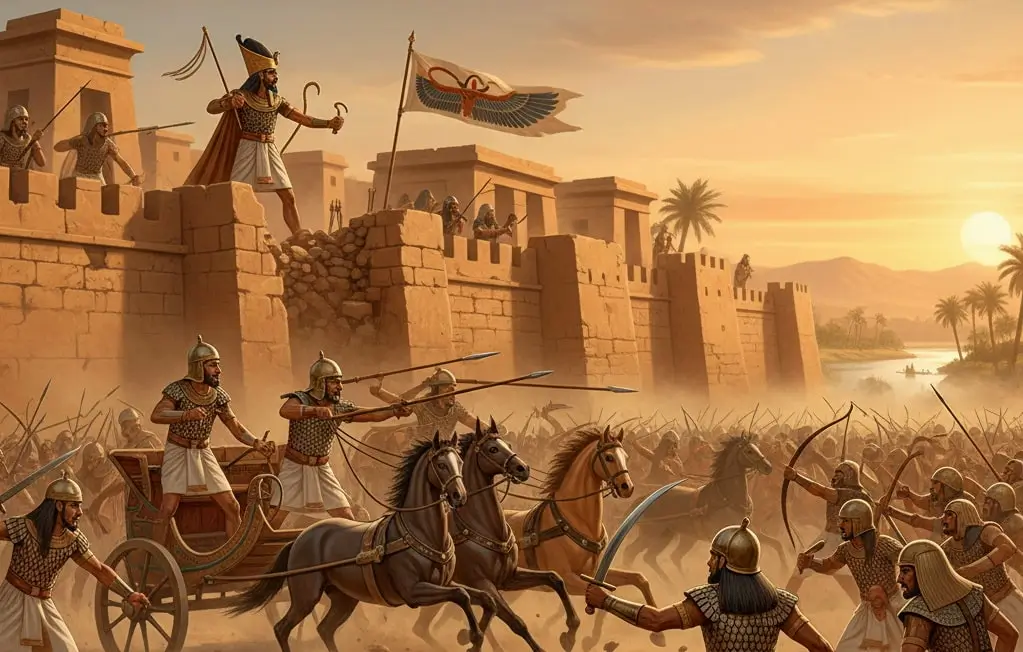
The Hyksos military possessed a massive advantage. They utilized highly advanced warfare technology. Their armies deployed swift horse-drawn chariots, powerful composite bows, and strong bronze body armor. The Theban forces still relied on outdated Middle Kingdom infantry tactics, wooden bows, and copper weapons.

The Hyksos Invasion

The energetic Hyksos King Khyan, followed later by King Apepi, launched aggressive military campaigns deep into Upper Egypt. The Hyksos armies marched south along the Nile. They easily smashed through the local defenses of Middle Egypt and overran the proposed Abydos Dynasty buffer zone.

The native Egyptian forces retreated constantly. The Hyksos forces eventually reached the gates of Thebes itself. They launched a brutal siege against the southern capital.

The Temporary Fall of Thebes

Most historians now believe that the Hyksos successfully captured and occupied Thebes for a brief period. The foreign conquerors looted the local temples and forced the remaining Theban elites to submit to their direct rule. The 16th Dynasty collapsed under this immense military pressure.

However, this dark moment did not mark the end of native Egyptian culture. The survivors retreated into the desert and hidden strongholds. They carefully studied the military tactics of their enemies. This temporary defeat taught the southern elites a harsh lesson. To defeat the foreign occupiers, they needed to reform their entire society and adopt modern weapons.

Divider

Rulers of the Sixteenth Dynasty: The Chronological Puzzle

Rulers of the Sixteenth Dynasty The Chronological Puzzle

Reconstructing the exact king list for the Sixteenth Dynasty is one of the greatest challenges in Egyptology. Most of our knowledge comes from the damaged fragments of the Turin King List (also known as the Turin Royal Canon).

Because many royal names are missing or broken on the papyrus, scholars divide these rulers into core groups based on surviving monumental evidence, scarabs, and contemporary archaeological finds.

Group 1: The Early Theban Rulers

These first kings attempted to maintain stability in Upper Egypt immediately following the collapse of the 13th and 14th Dynasties. They ruled before the large-scale Hyksos invasions pushed deep into the south.

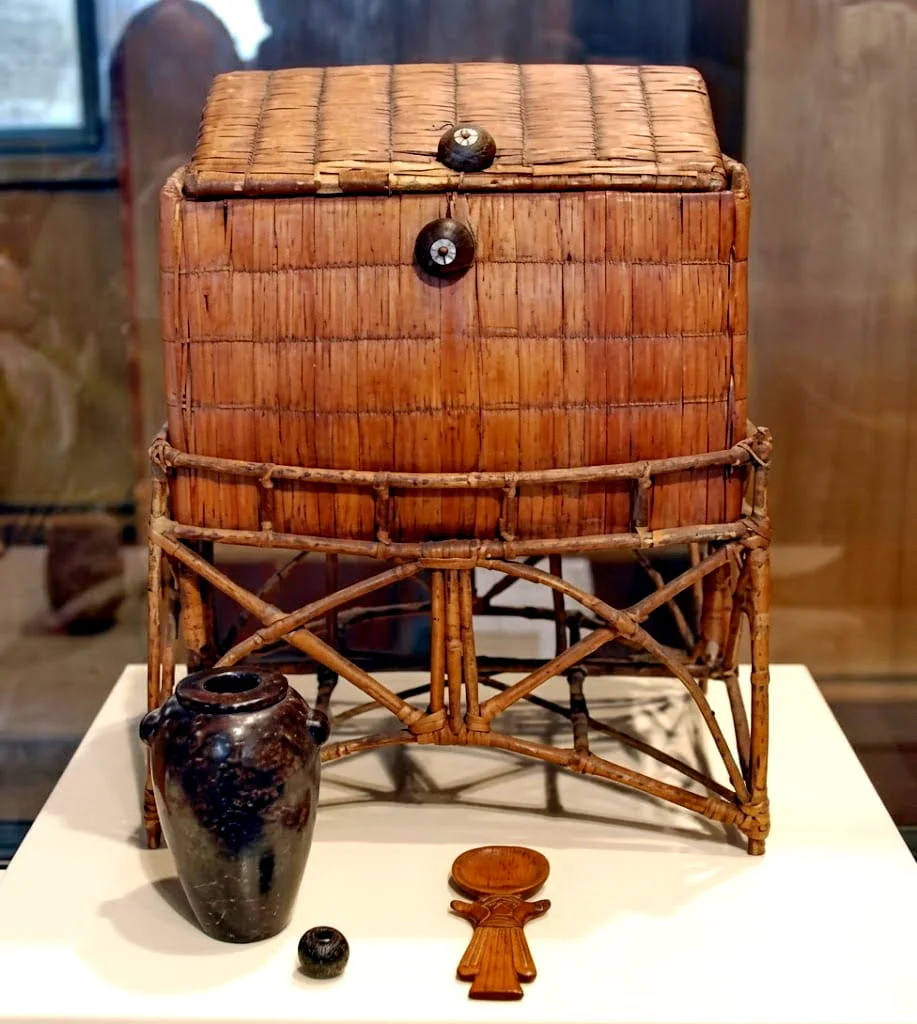
  • Djehuti (Sekhemre Sementawy): He is one of the earliest confirmed kings of this dynasty. He ruled for approximately three years. Archaeologists discovered his name on the canopy box of Queen Mentuhotep at Thebes, proving his direct connection to the southern capital.
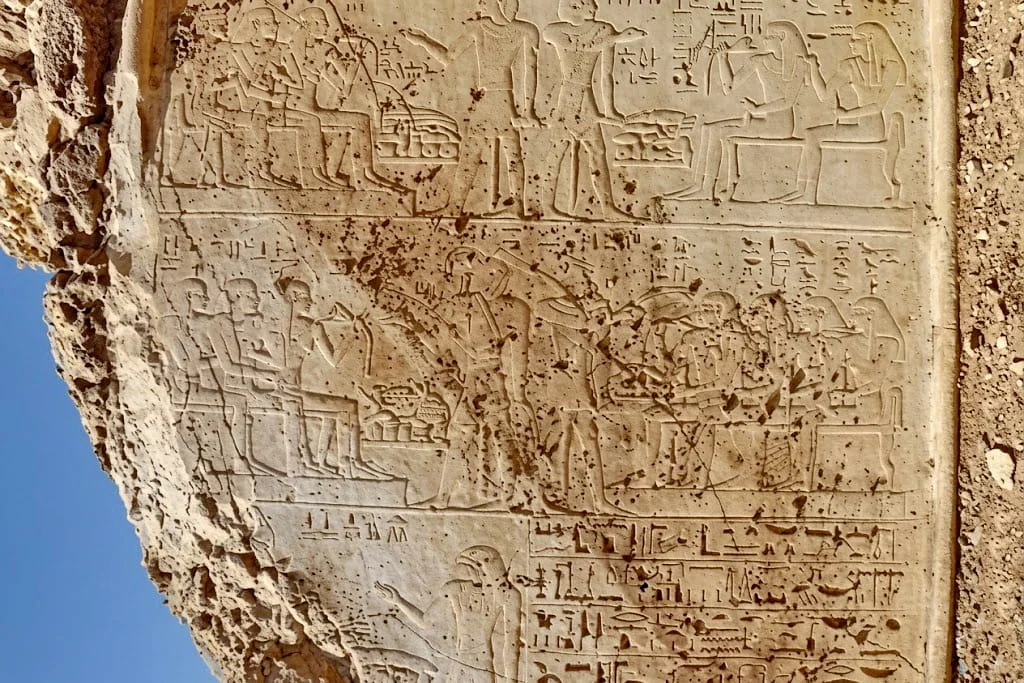
  • Sobekhotep VIII (Sekhemre Sewosertawy): He likely reigned for sixteen years. A surviving stela at the Temple of Karnak records his efforts to save the temple structures from a massive, destructive Nile flood, showing his active role in local administrative duties.
  • Neferhotep III (Sekhemre Sankhtawy): He ruled for a short period of just one year. His surviving stela portrays him as a defensive military leader trying to protect his people, explicitly stating that he “guided his city when it was in a choked state.”

Group 2: The Core Resistance Kings

This middle group of pharaohs bore the brunt of the economic blockade. They ruled a shrinking territory and struggled constantly against resource shortages and local famines.

  • Mentuhotepi (Sankhenre): He appears on the Turin King list with a brief reign of just one year. He left behind a small limestone stela at Karnak, indicating that despite severe poverty, the kings still attempted to make small dedications to the god Amun.
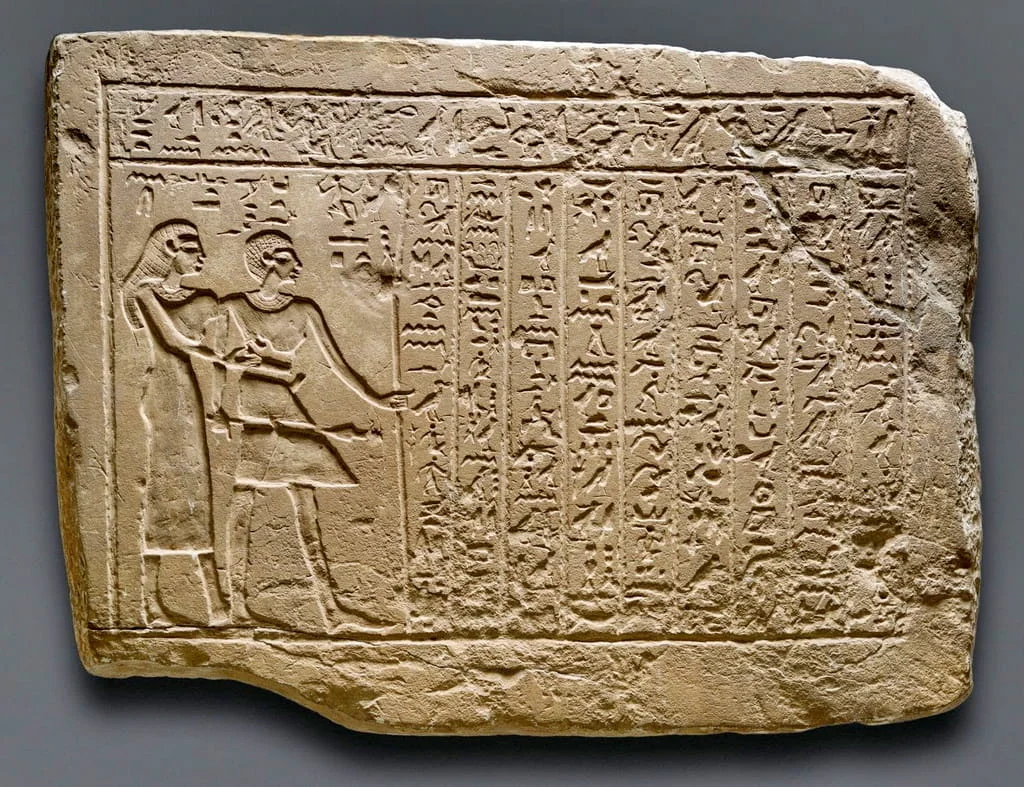
  • Nebiryraw I (Sewadjenre): He provided a rare period of stability, ruling for roughly twenty-six years. He is famous for the “Juridical Stela” found at Karnak. This administrative document records a legal contract regarding the transfer of a local governorship in El-Kab, proving that the Theban legal system still functioned.
  • Nebiryraw II (Neferkare?): The son of Nebiryraw I, his reign lasted less than a single year, highlighting the growing instability of the succession line as economic pressures increased.
  • Semenre: A poorly documented king who ruled for less than a year. He is known almost exclusively from a single bronze axe head inscribed with his royal name, which reflects the military nature of his brief court.

Group 3: The Late Crisis Kings

These final rulers witnessed the collapse of the dynasty. They faced the aggressive southern push of the Hyksos armies under King Khyan and King Apepi, culminating in the temporary fall of Thebes.

  • Bebiankh (Sewoserenre): He managed to rule for twelve years. Archaeological evidence shows he sent mining expeditions into the eastern desert to search for copper, desperately trying to supply his army with metal for weapons before the impending Hyksos attack.
  • Dedumose I (Djedhotepre): He ruled during the final decades of the dynasty. Some early historians attempted to link his reign to the biblical Exodus, but modern archaeology confirms he was simply a local Theban ruler struggling against the overwhelming military power of the north.
  • Dedumose II (Djedankhre): He succeeded Dedumose I and ruled over a completely fractured state. His name appears on a small stela from Gebelein, indicating that his practical authority had shrunk to a very small area around the immediate vicinity of Thebes.
  • Montuhotep VI (Sankhenre): He is one of the final names recorded before the complete reorganization of the southern government. He ruled a devastated capital that was heavily taxed and dominated by northern foreign oversight.

Overview of Key 16th Dynasty Pharaohs

Royal Name (Nomen) Throne Name (Prenomen) Estimated Reign Major Archaeological Evidence
Djehuti Sekhemre Sementawy 3 Years Canopic box of Queen Mentuhotep
Sobekhotep VIII Sekhemre Sewosertawy 16 Years Karnak Inundation Stela
Neferhotep III Sekhemre Sankhtawy 1 Year Karnak Defensive Stela
Nebiryraw I Sewadjenre 26 Years The Juridical Stela of Karnak
Bebiankh Sewoserenre 12 Years Stela at Gebel el-Zeit (Galena mines)
Dedumose I Djedhotepre Approx. 6 Years Stela found at Gebelein
The eye of Horus

The Transition of Power: From the Sixteenth Dynasty of Egypt to the Seventeenth Dynasty

The Transition of Power From the Sixteenth Dynasty of Egypt to the Seventeenth Dynasty

The collapse of the Sixteenth Dynasty of Egypt did not mark the end of native Egyptian culture. Instead, this dark period of foreign domination sparked a profound political transformation. The temporary fall of Thebes forced the southern elites to completely rethink their military strategies and administrative organization.

As the Sixteenth Dynasty of Egypt dissolved under heavy Hyksos pressure, a new lineage of energetic rulers emerged from the exact same regional capital. Historians classify this new line as the Seventeenth Dynasty. This political transition was not a violent civil war or a hostile coup. Rather, it was a direct, organized evolution of the battered Theban state.

[ Collapse of the 16th Dynasty of Egypt ] 
                    │
                    ▼
[ Structural Reorganization of the Theban State ] 
                    │
                    ▼
[ Rise of the 17th Dynasty / War of Liberation ]

The new Seventeenth Dynasty inherited the exact administrative records, local court officials, and territory of the Sixteenth Dynasty of Egypt. However, the new rulers abandoned the purely defensive mindset of their predecessors. They adapted to their harsh environment by adopting the superior military technology of their northern enemies.

  • The new administration systematically bred horses to build a competitive Egyptian chariot corps.

  • Theban blacksmiths mass-produced advanced bronze weapons based on captured Hyksos designs.

  • Tax collectors reorganized local trade to fund a permanent, professional standing army.

The late kings of the Sixteenth Dynasty of Egypt suffered severe famines and heavy military defeats. Yet, their painful struggle kept the core institutions of traditional pharaonic rule completely intact. Without the stubborn endurance of the Sixteenth Dynasty of Egypt, the later Theban princes Kamose and Ahmose I would have lacked a political base to launch their famous war of liberation.

The Legacy of the Sixteenth Dynasty of Egypt

The Sixteenth Dynasty of Egypt remains one of the most enigmatic eras of the Second Intermediate Period. For decades, traditional textbooks dismissed these kings as weak, minor rulers who left behind very few physical monuments or treasures. Modern archaeology paints a far more significant picture of their historical contribution.

The true legacy of the Sixteenth Dynasty of Egypt lies entirely in its sheer resilience. Squeezed between the powerful Hyksos Empire in the Delta and the expanding Kingdom of Kush in the south, this isolated enclave preserved the foundational laws, religious rituals, and artistic traditions of the Middle Kingdom. They refused to bow completely to foreign rule, acting as a crucial cultural shield for Upper Egypt.

Ultimately, the Sixteenth Dynasty of Egypt served as the essential catalyst for the birth of the New Kingdom. Their decades of economic hardship and military sacrifice laid the literal foundation for the total reunification of the Nile Valley, paving the way for Egypt to rise again as a dominant global empire.

Divider

Great layover Tour!!

I had an excellent layover tour with Hani. He is knowledgable, fun, and passionate about his city. I went for a tour of the pyramids, sphinx, and to a papyrus factory which were all great. Ask him any question about Egyptian history and he will surely know the answer! Also

More »

Amazing one day tour

Fantastic tour. We were picked up at the airport early in the morning (6 am), and were dropped off in the evening after discovering amazing Cairo. The guide was knowledgeable and took us to many hidden places, which we wouldn’t have found without him. Thank you!

More »
12 Days Solo Woman Tour Package (Queen Cleopatra)

Mohamed is Very Kind Person

Mohamed. I just want to thank you again for your kindness. You made our trip memorable. Give your family and the Egypt Fun Tours crew all my love and thank them again for me. Take care. Enjoy the season! Love. Linda

More »

Layover tour of Cairo Pyramids

On a recent trip, I had 8 hours from the time I landed in Cairo to when my next flight was scheduled to leave. Luckily, I arrived in the morning and left in the afternoon, so, not being one to sit around an airport for 8 hours, I visited the

More »
God_Anubis_Icon

Top-rated Tour Packages

God_Anubis_Icon
WhatsApp
Email
Print