The Imperial Clash and the Wars of the Twenty-Fifth Dynasty of Egypt
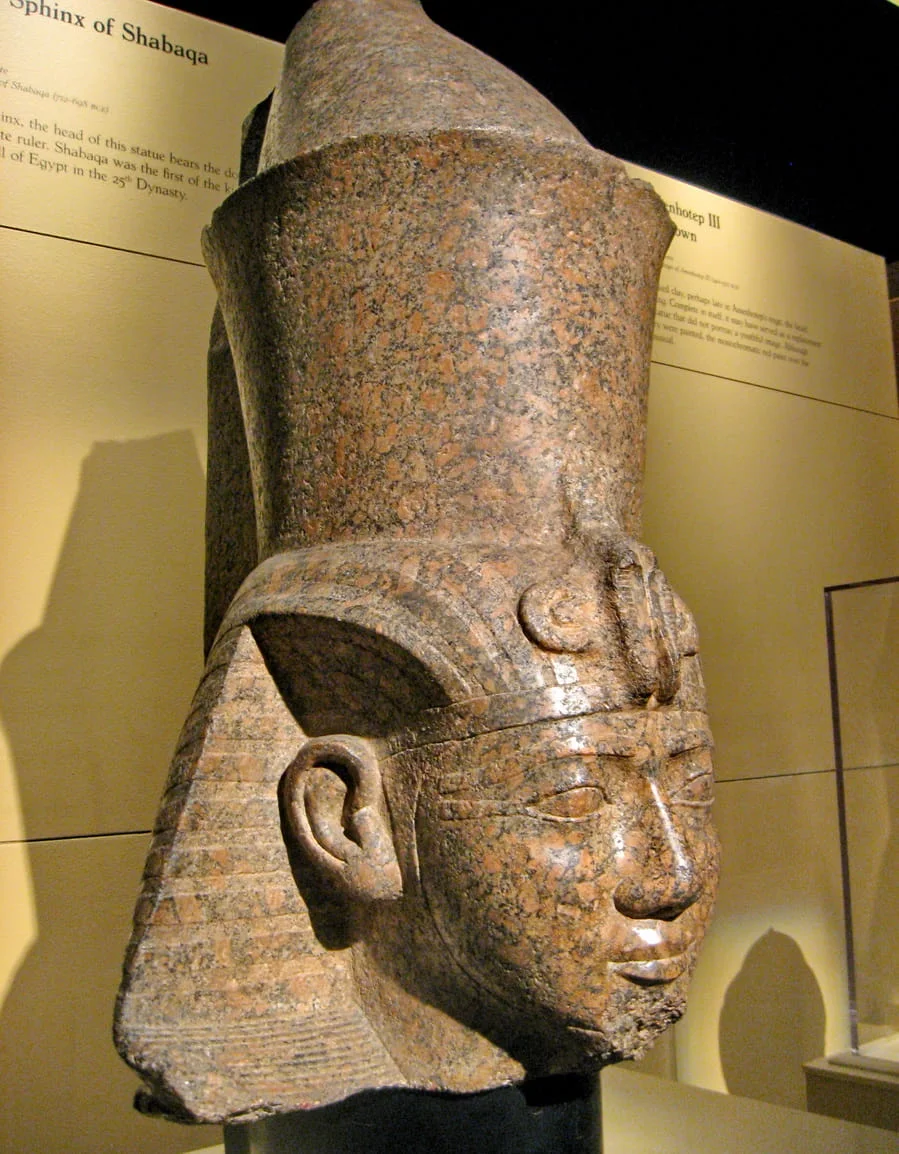
When King Shebitku (c. 702–690 BCE) took the throne, the geopolitical landscape shifted drastically. The unstoppable Neo-Assyrian Empire was expanding rapidly across Western Asia. Shabaka had preferred peaceful diplomacy. Shebitku, however, adopted a highly aggressive foreign policy. He knew that if Assyria conquered the Levant, the Delta borders of the twenty-fifth dynasty of Egypt would fall next.
Shebitku began funding and supplying anti-Assyrian rebellions across Israel, Phoenicia, and Philistia. In 701 BCE, the Assyrian king Sennacherib marched his army into Judah to crush these rebels. Shebitku dispatched a massive Kushite-Egyptian army to intercept them. He placed his young cousin, Prince Taharqa, in command.
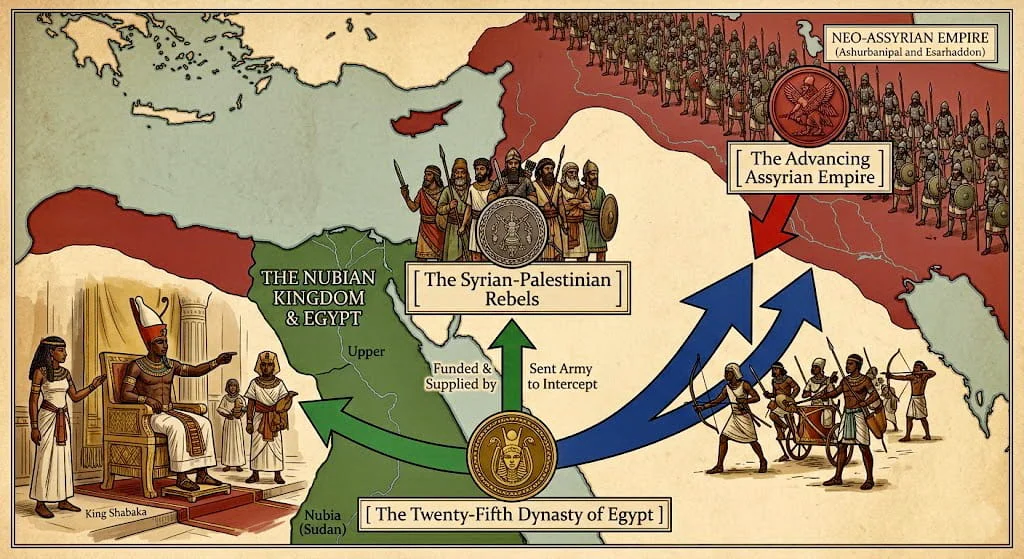
The two superpowers clashed at the Battle of Eltekeh. The heavy fighting stalled the Assyrian advance, which saved the city of Jerusalem from destruction. This historic intervention is even recorded in the Hebrew Bible. It names Taharqa as the powerful “King of Cush” who marched out to fight Sennacherib.
The Golden Age of Taharqa under the Twenty-Fifth Dynasty of Egypt
Taharqa (c. 690–664 BCE) eventually ascended the throne himself. The first half of his twenty-six-year reign represents the absolute peak of Kushite prosperity and power. Rainfall levels along the Nile were perfect, leading to bumper harvests. This agricultural wealth allowed Taharqa to launch an unparalleled building campaign across Egypt and Nubia.
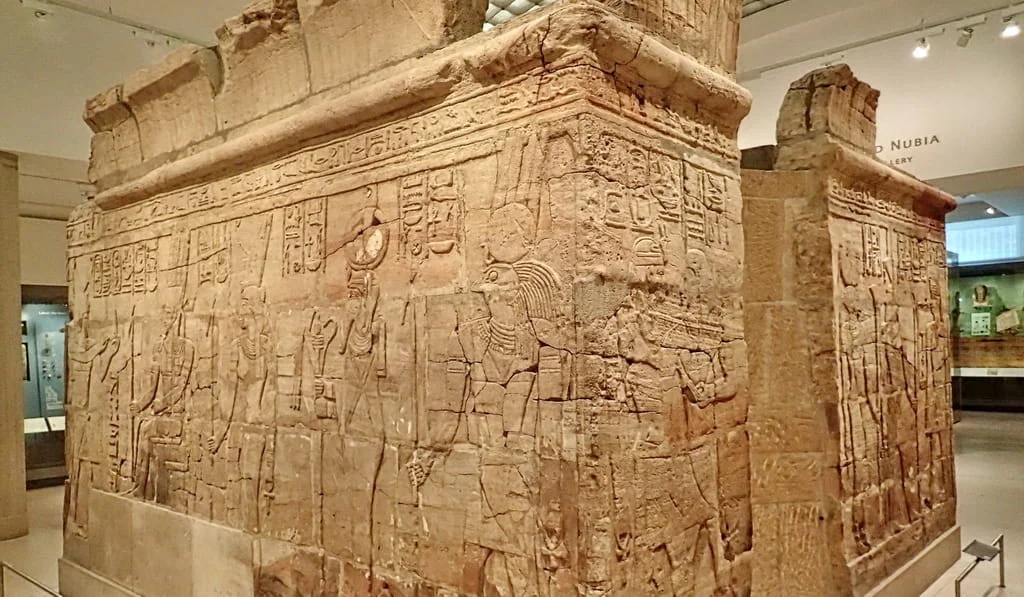
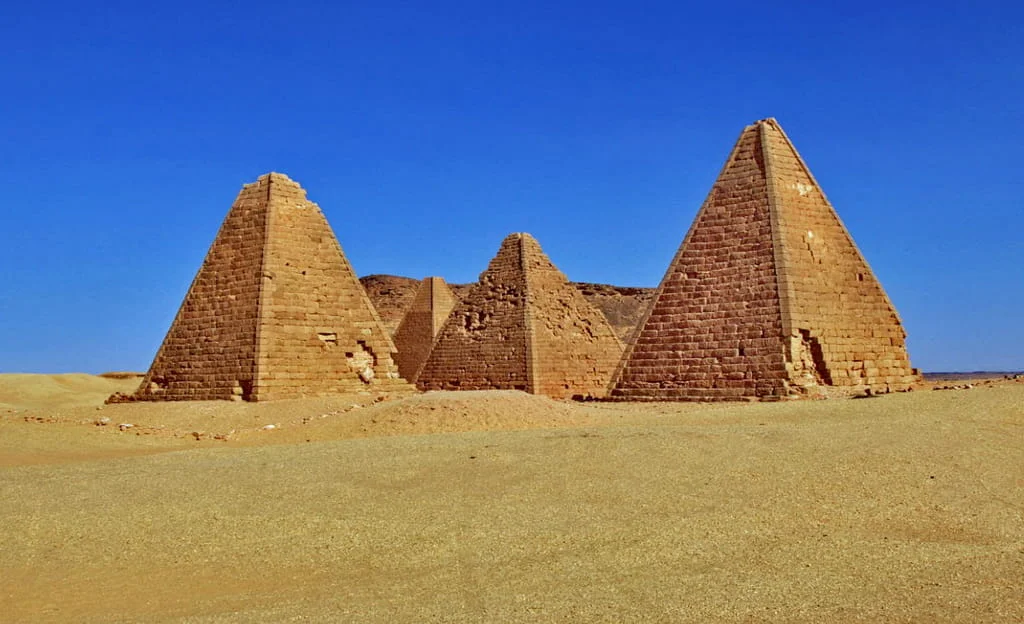
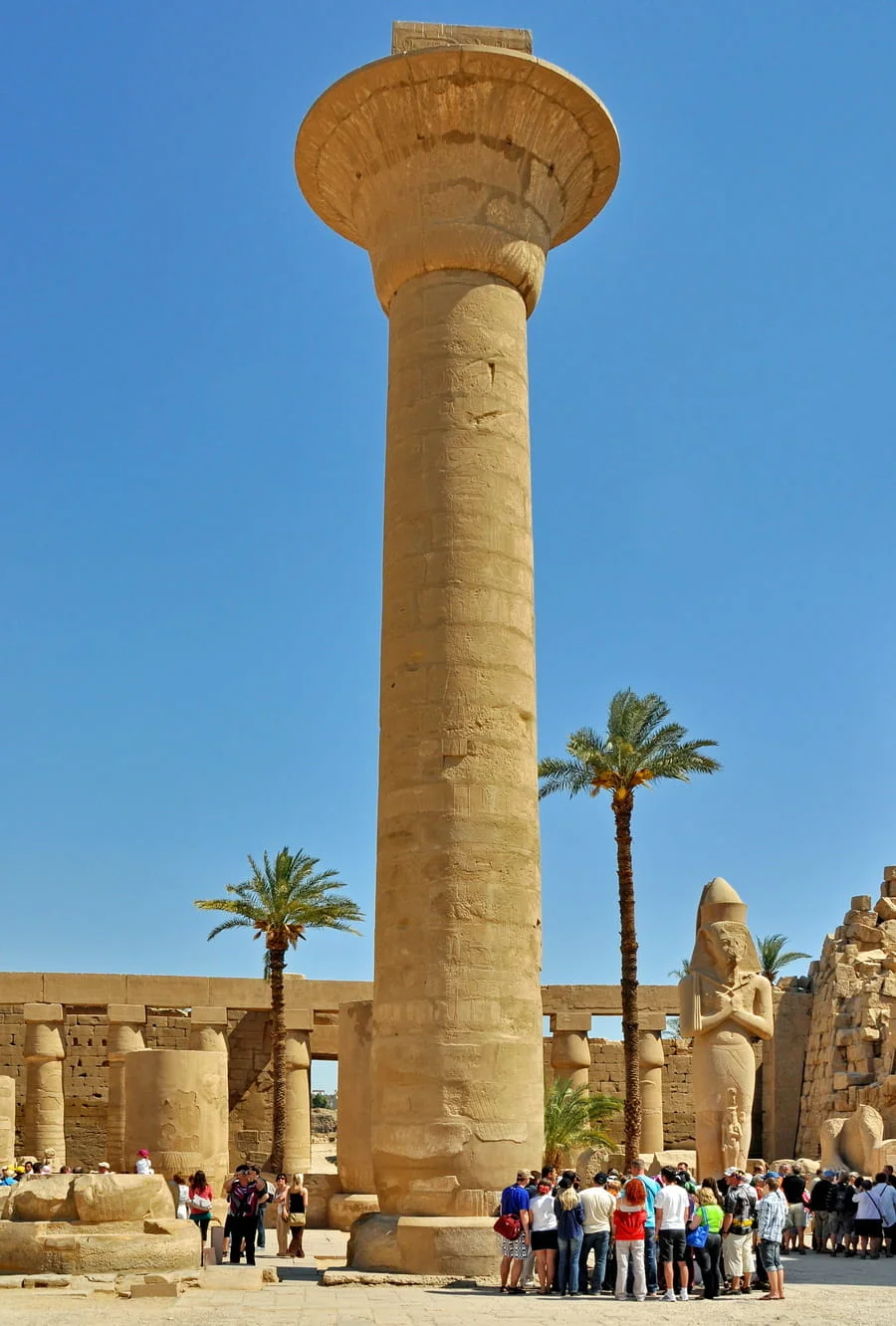
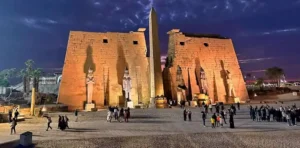
He added monumental columns and giant gateways to the Temple of Amun at Karnak. He built shrines at Memphis and constructed a massive temple complex at Sanam. Taharqa also chose to return to an ancient royal tradition that Egypt had abandoned for nearly a thousand years: pyramid burials. He bypassed the hidden rock-cut valley tombs of Luxor. Instead, he built a soaring, steep-sided stone pyramid at the royal cemetery of Nuri in modern-day Sudan.
The Neo-Assyrian Invasion of the Twenty-Fifth Dynasty of Egypt
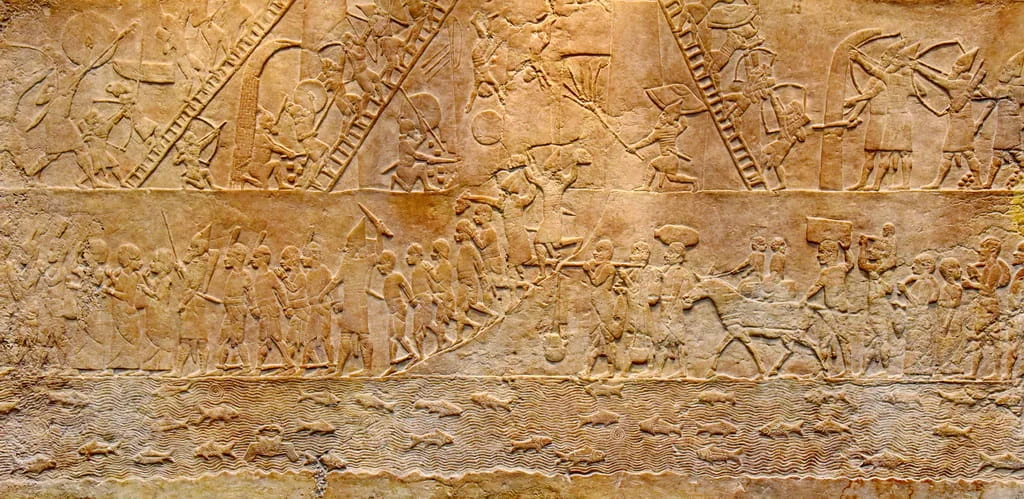
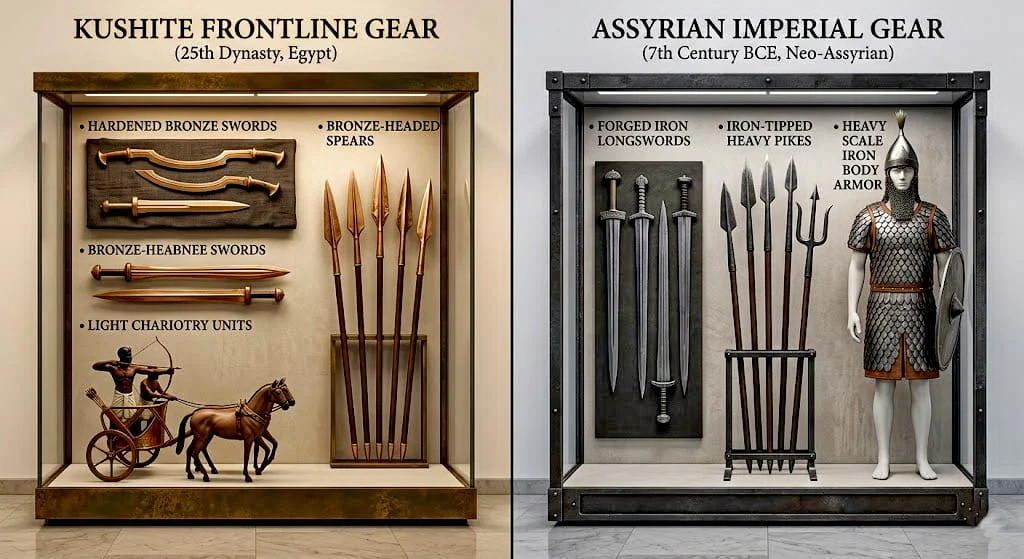
Taharqa’s golden age ended in a storm of iron and fire. The Assyrian kings wanted revenge for Egypt’s constant interference in the Levant. In 671 BCE, the Assyrian king Esarhaddon launched a full-scale blitzkrieg against the Twenty-Fifth Dynasty of Egypt. The Assyrian army was an efficient, terrifying war machine. They used mass-produced iron longswords, iron spears, and heavily armored cavalry. The Kushite forces fought bravely, but they relied heavily on bronze and flint weaponry. In close melee combat, the harder Assyrian iron weapons could shatter Kushite shields and armor.
Esarhaddon marched through the Sinai Desert and breached the Delta. He laid a fierce fifteen-day siege to Memphis. The Assyrian soldiers built heavy wooden ramps and used massive battering rams to break the city’s defensive walls. Memphis fell. The Assyrians captured Taharqa’s queen and princes, but Taharqa managed to escape south to the safety of Thebes.
The Fall of Thebes and the End of the Kushite Empire
Taharqa did not give up easily. He launched several successful counter-attacks from Upper Egypt to reclaim Memphis. However, this only brought a more brutal response from Esarhaddon’s successor, Ashurbanipal. In 663 BCE, Ashurbanipal marched a massive army deep into Upper Egypt. Taharqa’s successor, King Tantamani, tried to organize a defense but had to retreat. The Assyrians breached the ancient, sacred city of Thebes.
The sack of Thebes was catastrophic. Assyrian soldiers systematically plundered the wealthy temples of Amun. They stripped the gold off the obelisks, looted the royal treasures, and carried thousands of citizens away into slavery.
This crushing blow broke the political backbone of the Twenty-Fifth Dynasty of Egypt. Tantamani retreated permanently south to Nubia. Ashurbanipal then appointed local Egyptian governors from the city of Sais to manage the country, establishing the Saite Twenty-Sixth Dynasty and ending the era of the Black Pharaohs over Egypt.