

The Nilometer: Ancient Egypt’s Sacred Instrument of Power and Profit

The Nilometer stands as one of history's most brilliant examples of hydraulic engineering, religious theater, and economic control. Developed by the ancient Egyptians to monitor the volatile annual flood season (Akhet), these structures came in three distinct designs: graduated pillars, flights of stairs, and deep subterranean wells. By keeping the measurements hidden within temple walls, priests and pharaohs used the data to forecast agricultural yields and calculate the empire's floating tax rates. From the ancient steps of Elephantine Island to the medieval architectural triumph of the Rhoda Island Nilometer in Cairo, these fascinating monuments prove that in the ancient world, controlling the data of the river meant controlling the empire itself.

For thousands of years, the survival of Egyptian civilization depended entirely on a single, unpredictable force: the Nile River. Every summer, the river bursts its banks, transforming the arid landscape into a fertile paradise. Yet, this annual miracle brought immense anxiety. Too much water meant catastrophic flooding that washed away entire villages; too little water meant severe drought and widespread famine. To survive, the ancient Egyptians needed a way to read the river’s mind. Their solution was an engineering and economic marvel known as the Nilometer.

The Nilometer: The Heartbeat of the Empire

Far from being a simple water gauge, the Nilometer functioned as the central computer of ancient Egypt. Invented at the dawn of the pharaohs and used well into the modern era, these sophisticated stone structures measured the precise rise and fall of the Nile’s waters during the critical flood season (Akhet). Because the height of the flood directly predicted the success of the upcoming harvest, the Nilometer held the key to the nation’s survival.

Nilometer: A Secret Tool of State Control

Because knowledge meant absolute power, Nilometers were highly sacred, politically charged instruments. The ruling elite never allowed the public to access them. Instead, powerful priests guarded them deep within temple walls, using the data to “prophesy” the future of the kingdom. More importantly, the measurements these structures provided determined the country’s entire tax system for the coming year. Walking through the ruins of an ancient Nilometer reveals a fascinating world where hydrology, religion, and imperial economics seamlessly collided.
FUN

Etymology and Purpose: The Pulse of Egypt

Etymology and Purpose The Pulse of Egypt

To truly grasp the profound importance of the Nilometer, one must first understand the unique hydrology of ancient Egypt. Ultimately, the survival of the entire population rested on a dangerous knife-edge that shifted dramatically with the seasons.

The Nile’s Inundation (Akhet)

For instance, every year between June and September, torrential monsoon rains in the Ethiopian highlands swell the Nile’s source rivers. As a result, this massive surge rushed northward into Egypt, inevitably causing the river to burst its banks and submerge the hyper-arid valley. The ancient Egyptians called this pivotal annual flood season Akhet.

Crucially, as the flood subsided, the receding waters left behind millions of tons of nutrient-rich, black volcanic silt. This natural fertilizer effectively transformed the barren desert into incredibly fertile farmland. Consequently, without this cyclical inundation, agriculture in Egypt simply could not have existed.

Nilometer: The Ultimate Economic Indicator

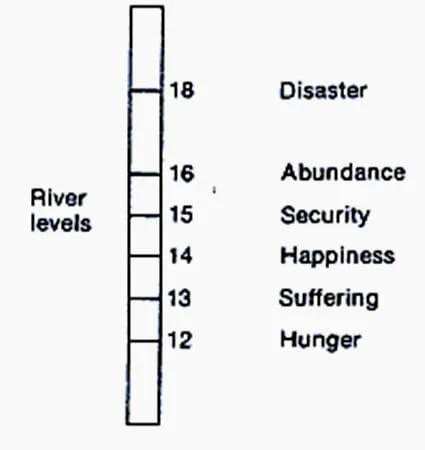
Because of this complete reliance on the river, the Nilometer served as a highly accurate, predictive economic tool. Specifically, it translated the physical rising of the water into direct socio-economic forecasts. Furthermore, ancient administrative records reveal that the government constantly looked for a very narrow, precise window of success:

  • The Low Nile (Drought): If the flood fell below the ideal level, the waters could not reach the high-altitude fields. Consequently, this resulted in failed crops, mass starvation, and total economic collapse.
  • The Ideal Nile (Abundance): On the other hand, a perfect flood level meant that water was distributed evenly across all agricultural zones. Therefore, this baseline guaranteed a massive harvest and a booming national economy.
  • The High Nile (Catastrophe): Conversely, if the water rose too high, it breached protective dikes and swept away mudbrick villages. Meanwhile, the raging currents drowned livestock and systematically destroyed the vital network of irrigation canals.
FUN

The Three Architectural Designs of Nilometers

The Three Architectural Designs of Nilometers

In order to monitor this volatile lifeline, Egyptian engineers gradually developed three distinct architectural styles. Ultimately, they adapted each specific design to match the unique terrain and riverbank conditions of different regions along the Nile.

I. The Graduated Pillar (The Column)

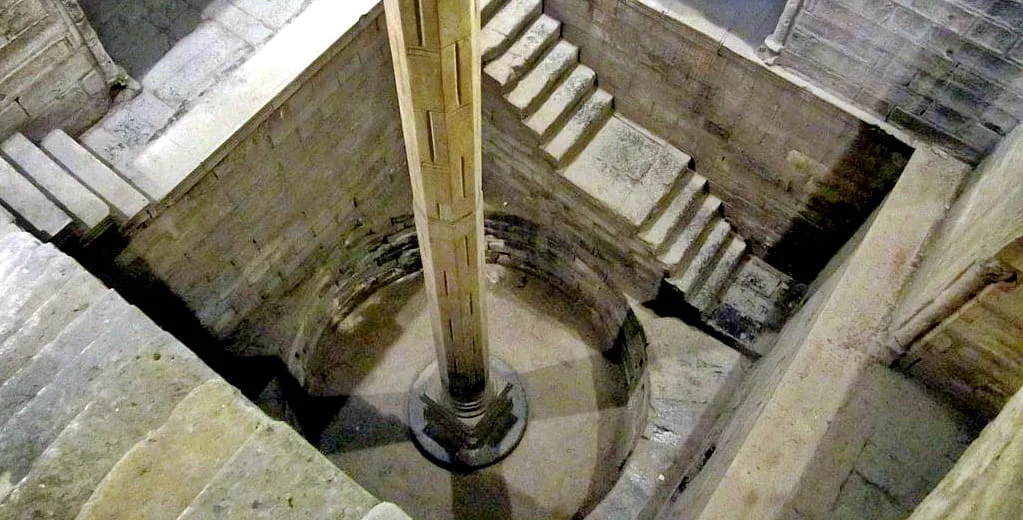
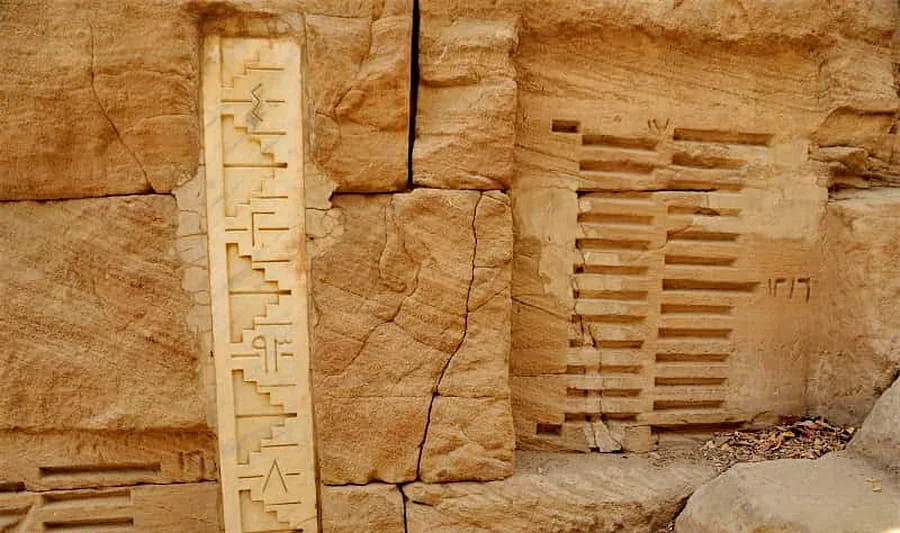
To begin with, the simplest design featured a single, massive stone pillar erected inside a stone basin or a specialized chamber built right along the riverbank. Within these chambers, engineers meticulously carved precise measurement markings directly into the stone column itself.

For this purpose, the standard unit of measurement was the cubit (roughly 52.5 centimeters), which artists subsequently subdivided into smaller fingers and palms for maximum precision. Today, the most famous surviving example of this particular style is the Rhoda Island Nilometer in Cairo.

II. The Flight of Stairs

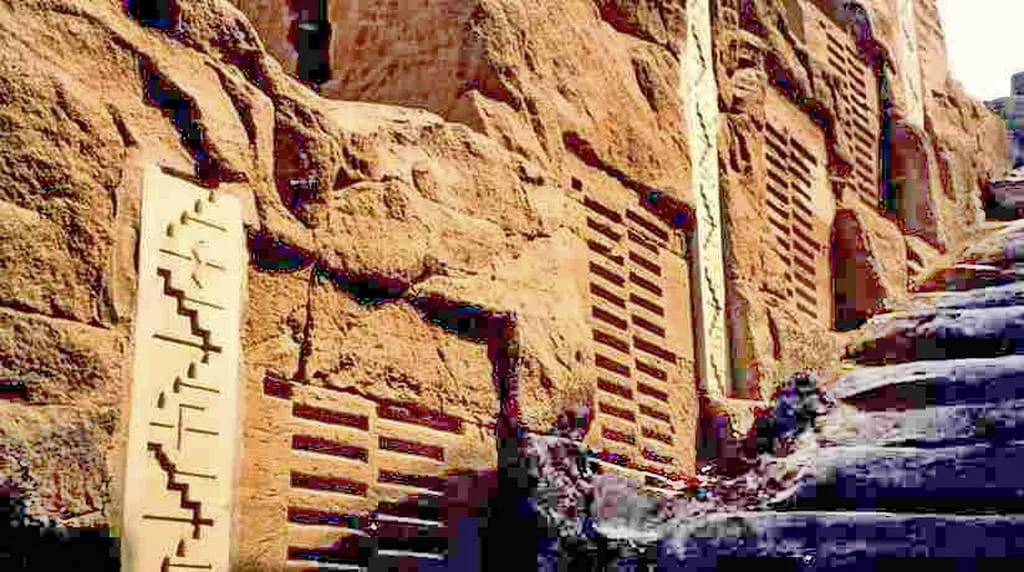
In comparison, the second approach utilized a highly practical design where a grand stone staircase descended directly into the waters of the Nile. Meanwhile, the engineers carved deep horizontal measurement marks directly into the walls flanking the stairs.

As a result, as the floodwaters rose, they sequentially submerged successive steps. Therefore, to take an accurate reading, temple officials simply walked down the staircase until they reached the exact waterline. Currently, the beautifully preserved Nilometer on Elephantine Island in Aswan perfectly showcases this interactive design.

III. The Deep Well

Finally, the most architecturally sophisticated design involved a massive, circular or square subterranean stone well built a short distance away from the riverbank. Instead of opening directly to the river’s surface, underground conduits or aqueducts connected the base of this isolated well directly to the main river channel.

Because of basic hydrostatic pressure, the water level inside the dark well rose and fell in perfect synchronization with the Nile. Furthermore, a spiral staircase wrapped tightly around the interior wall of the well, thereby allowing tax officials to safely walk down and read the measurements carved into the masonry. Ultimately, this enclosed design successfully protected the sensitive measurement scales from the river’s violent currents and heavy debris.

The Unification Battle by King Narmer

The Unification Battle by King Narmer The unification battle of King Narmer is shown on...

Related post
FUN

The Sacred Bureaucracy: Religion and Taxation

The Sacred Bureaucracy Religion and Taxation - Nilometer

Crucially, Nilometers were never meant for the public eye. Instead, the ruling elite kept them strictly hidden away, typically constructing them inside the private, sacred precincts of temple complexes and guarding them carefully under lock and key. Ultimately, this deliberate secrecy successfully transformed a practical piece of hydraulic engineering into a powerful weapon of religious and financial control.

The Prophecy of the Priests

Because only the high priests and the Pharaoh’s inner circle had access to the Nilometers, they held an absolute monopoly on vital climate data. Consequently, during the peak of summer, the priesthood monitored the rising waters in absolute secret while the public waited in anticipation.

As a result of this isolation, high priests could later walk out before the citizens and “prophesy” with mathematical precision whether the coming year would bring a devastating famine or a golden age of wealth. In the end, this calculated display of divine foresight deeply reinforced the belief that the priesthood could communicate directly with Hapi, the god of the Nile flood, thereby granting the temples immense political leverage over the population.

The Invention of Floating Taxes

Beyond this profound religious role, the Nilometer also essentially functioned as the internal revenue service of the ancient world. Long before the advent of modern economics, the Egyptians invented a sophisticated system of “floating taxes” that tied financial obligations entirely to the river’s physical height.

Accordingly, as soon as the flood reached its peak, tax officials eagerly checked the Nilometer readings to calculate the upcoming season’s precise tax brackets:

  • The Famine Rate: To begin with, if the Nilometer recorded a poor, low flood, the government immediately lowered or completely waived taxes for that fiscal year, knowing that farmers would struggle merely to feed themselves.
  • The Standard Rate: Meanwhile, when the river hit the “ideal” cubit mark, the state instituted a baseline tax rate, confidently expecting a healthy, highly predictable harvest.
  • The Luxury Rate: Conversely, if the flood proved exceptionally strong and reached the highest safe markings on the scale, the government immediately increased taxes. This was because they knew the widespread silt deposition would yield a massive crop surplus, and therefore, they demanded their imperial cut up front.

Christian Monasticism in Egypt: From the Desert Fathers to the Modern Era

The history of Christian monasticism in Egypt is the history of a spiritual revolution that...

Related post
FUN

The Rhoda Island Nilometer: A Medieval Masterpiece

The Rhoda Island Nilometer A Medieval Masterpiece

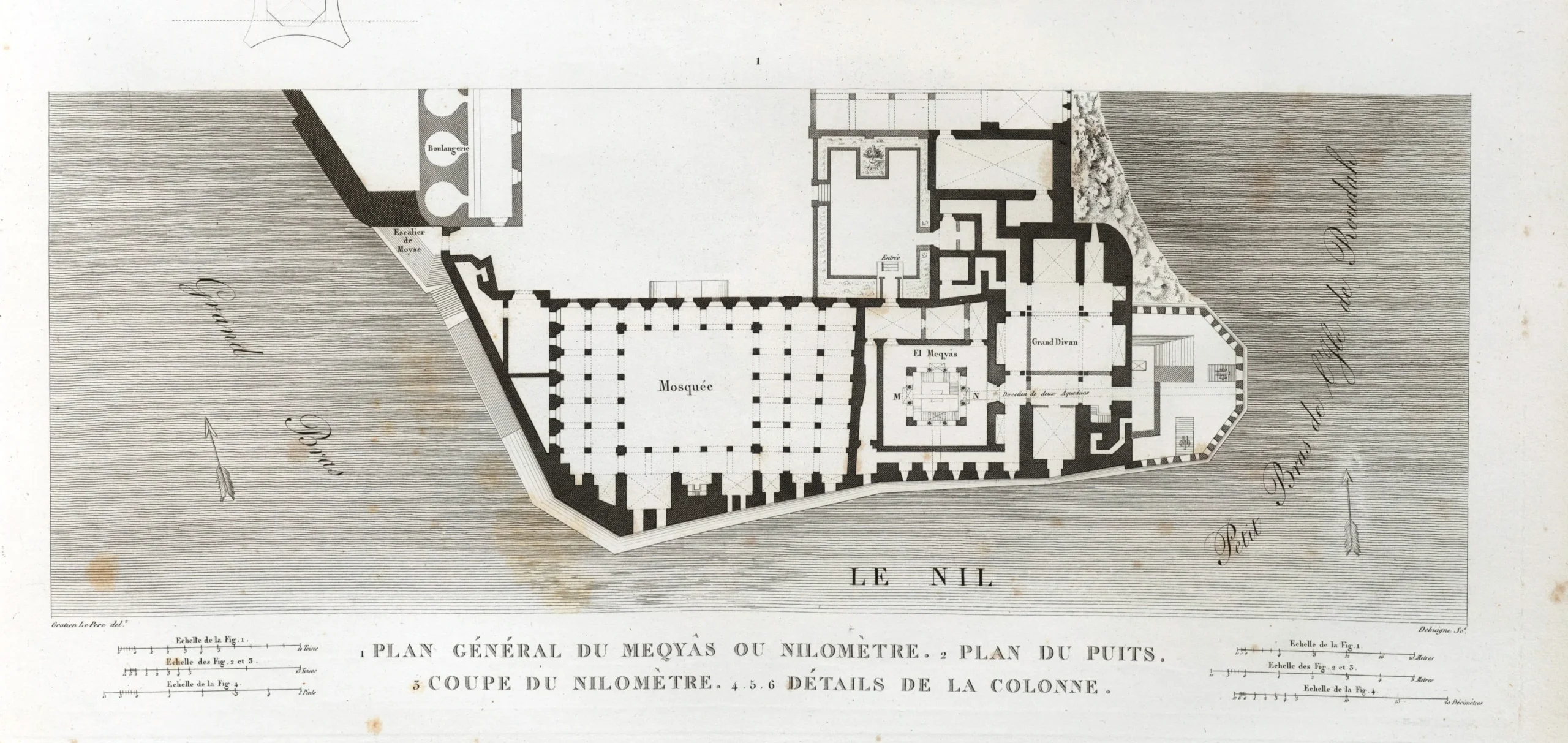
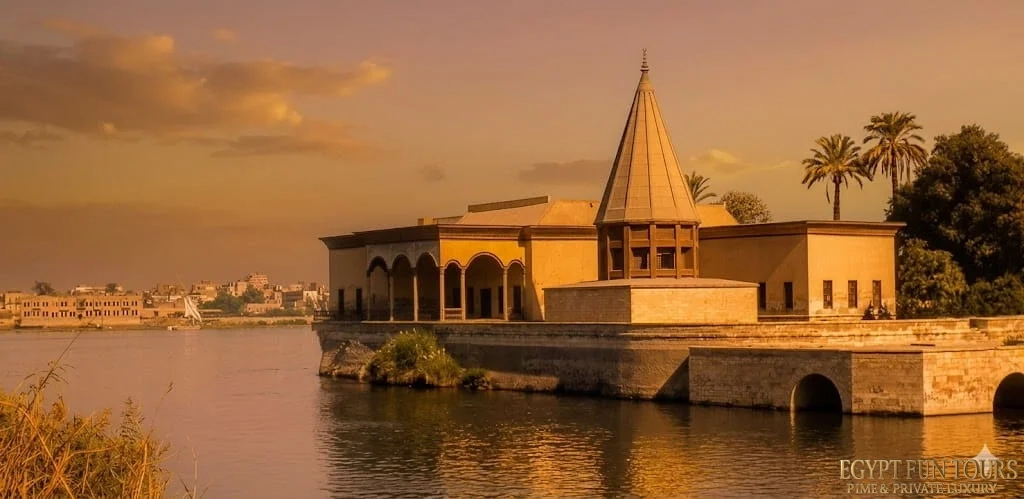
While ancient pharaonic Nilometers dot the banks of the Nile from Luxor to Aswan, the most sophisticated surviving structure in the world was actually built long after the pharaohs had vanished. This is the Rhoda Island Nilometer, located on the southern tip of Rhoda Island in historic Cairo.

The Innovation of Al-Farghani

Commissioned by the Abbasid Caliph Al-Mutawakkil and completed in 861 CE, this structure represents the pinnacle of medieval Islamic engineering. The caliph tasked the brilliant astronomer and mathematician Ahmad ibn Muhammad al-Farghani (known to the Western world as Alfraganus) with designing a highly advanced instrument to replace an older, failing system.

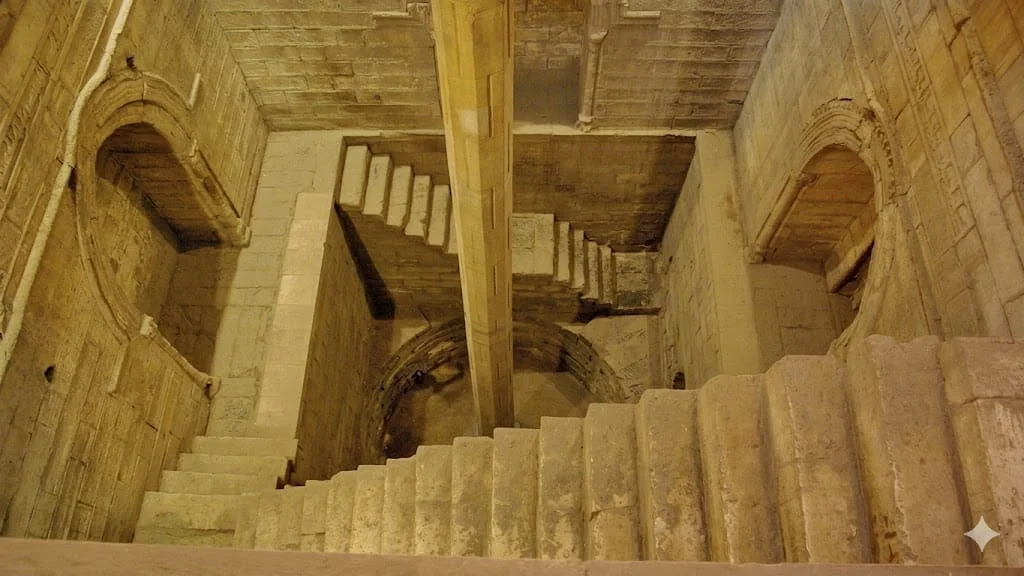
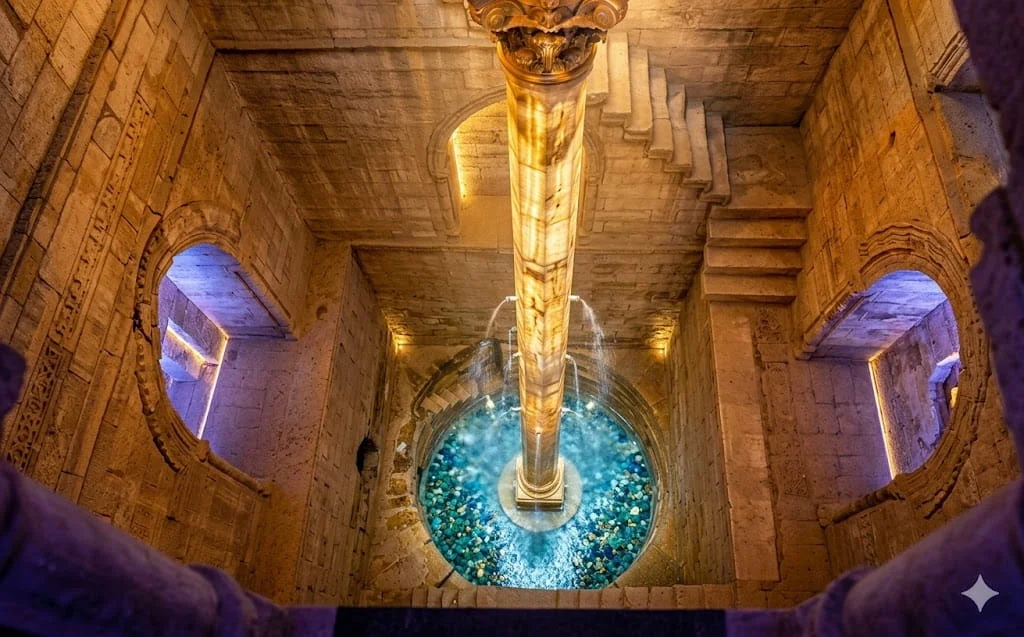
Al-Farghani designed a stunning, three-tiered subterranean well lined with masterfully dressed stone. To measure the water, he erected a massive, octagonal marble column right in the center of the well, securing it at the top with a heavy wooden beam made of sycamore.

A Blueprint for Gothic Architecture

A Blueprint for Gothic Architecture - Nilometer

Architecturally, the Rhoda Island Nilometer is an international treasure. The stone openings inside the well feature beautifully carved, pointed arches. Notably, this structure predates the rise of Gothic architecture in Europe by nearly three centuries, proving that Islamic engineers had mastered the structural mechanics of the pointed arch long before Western builders adopted the style.

Even after the building of the Aswan High Dam in the 20th century rendered the Nilometer obsolete for practical farming, it remains perfectly preserved as a monument to human ingenuity.

The Race of the Ancient Egyptians: Genetics, Diversity, and the Modern Debate

The question of the ancient Egyptians' race is now largely addressed by recent DNA studies...
Related post
FUN

Visiting the World’s Best Nilometers Today

Visiting the World's Best Nilometers Today - The Nilometer

For travelers, historians, and architecture enthusiasts, visiting a surviving Nilometer offers a rare opportunity to step inside a functional piece of ancient economic machinery. While hundreds of these structures once lined the riverbanks, only a few have survived the passage of time and the modernization of the Nile.

1. The Elephantine Island Nilometer (Aswan)

Located on the picturesque Elephantine Island in the far south of Egypt, this is one of the oldest and most famous Nilometers in existence. Associated closely with the nearby Temple of Khnum—the god who ancient Egyptians believed controlled the source of the Nile—this structure showcases the classic “Flight of Stairs” design.

Visitors can walk alongside the 90 stone steps that descend directly into the river and clearly see the ancient Pharaonic, Roman, and Greek measurement markings carved deeply into the stone corridor walls.

2. The Temple of Kom Ombo Nilometer

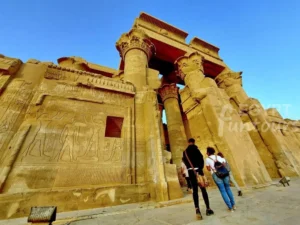
Situated just north of Aswan, the dual Temple of Kom Ombo (dedicated to the crocodile god Sobek and the falcon god Horus) features a pristine example of the “Deep Well” design.

Located just outside the main temple building, this massive circular well drops deep into the desert floor. Visitors can look down the spiral staircase built into the inner lining of the well, where water from the Nile once flowed through hidden subterranean channels to calculate the temple’s wealth.

3. The Rhoda Island Nilometer (Cairo)

For those staying in the capital, the Rhoda Island Nilometer is an architectural must-see. Located in the Monastirli Palace complex at the southern tip of the island, it provides an intimate look at the 861 CE medieval Islamic masterpiece. Visitors can descend into the depths of the stone well via the winding staircases, marvel at the ancient pointed arches, and look up at the towering, beautifully preserved central octagonal marble column.

Nilometers vs. Modern Hydrology: A Quick Comparison

Nilometers vs. Modern Hydrology A Quick Comparison

To understand how drastically technology shifted the way Egypt managed its most vital resource, this table outlines the evolution from ancient water gauges to modern megastructures:

Feature Ancient/Medieval Nilometers The Aswan High Dam (Modern Era)
Primary Function Measuring water levels to predict harvests and taxes. Controlling the river’s flow, preventing floods, and generating electricity.
Operational Scale Localized (dozens of structures scattered along the river). Centralized (one massive dam regulating the entire country’s water supply).
Predictive Power Short-term (could only forecast the immediate upcoming harvest season). Long-term (stores multi-year water reserves in Lake Nasser to survive prolonged droughts).
Socio-Economic Impact Determined fluctuating yearly tax rates and religious prophecies. Standardized year-round agricultural cycles stabilized the national economy.
FUN
God_Anubis_Icon

Great layover tour

First things first…I was in Cairo about a week before the protests of 2011 started. As far as the tour was concerned, I was very pleased. I was met at the airport by a knowledgeable guide (Sara) who spoke great English and a driver. They took me to Giza first,

More »

Highly Recommend Egypt Fun Tours!

Several weeks ago, I reached out to Egypt Fun Tours regarding a 9-hour layover in Cairo. From the very beginning, Hani Ahmed was responsive and professional, quickly providing a well-organized itinerary tailored to our limited time. The itinerary included a visit to the pyramids, other historical sites, a delicious dinner,

More »

Early Layover Tour in Cairo

My husband, 2 sons – aged 9 & 11 – and I landed in Cairo at 5:15am on Saturday 12 January 2013. We had booked an early layover tour with Egypt Fun Tours after reading the great reviews in TripAdvisor. As promised he and his driver awaited us in a

More »

HANDS DOWN, the best cultural experience I’ve ever had

Thank you, Egypt Fun Tour, for a most memorable trip. I admit I didn’t do any of the planning (it was all done by my boyfriend), but as you can read in the reviews below, Hani (the owner of Egypt Fun Tours) is superbly organized and accommodating with scheduling. My

More »

Amazing layover Tour

We had 12 hour layover in Cairo, and our guide Hani waited patiently for us when we had a few visa issues entering the country! We got on our tour, and had the best experience ever! We saw the pyramids, the sphinx, Islamic Cairo and rode through the city! We

More »
God_Anubis_Icon

Top-rated Tour Packages

God_Anubis_Icon