

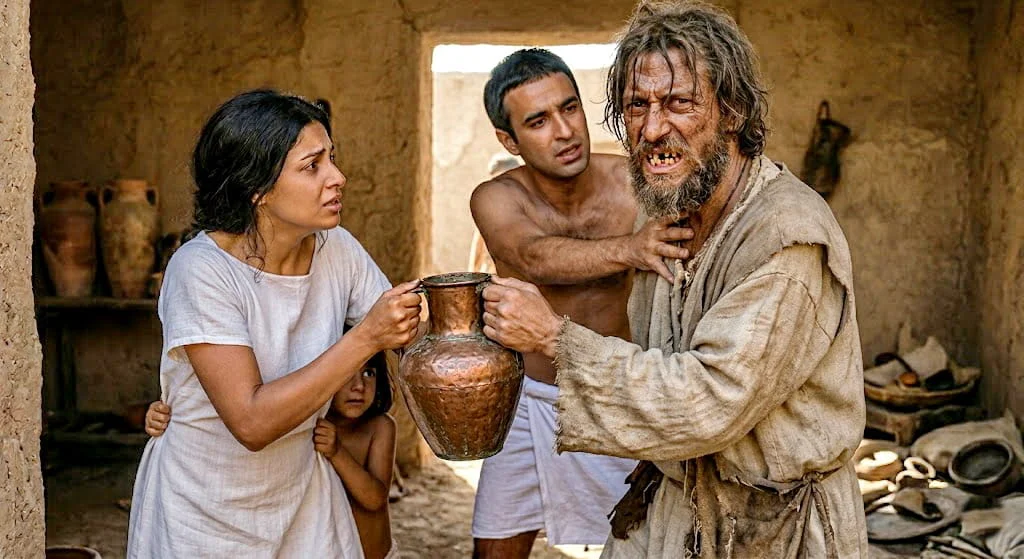
The First Intermediate Period: The Crisis that Reshaped Ancient Egypt

The First Intermediate Period represented a transformative era of political fragmentation and regional instability following the collapse of the Old Kingdom's centralized authority. While often characterized by the tension between competing power centers like Heracleopolis and Thebes, this period also fostered significant cultural and religious innovation, including the democratization of the afterlife and the flourishing of regional artistic and literary styles. Ultimately, these decades of instability served as a vital crucible that reshaped Egyptian society, creating the necessary flexibility for the eventual reunification and the emergence of the Middle Kingdom.
The eye of Horus
WhatsApp
Email
Print

Egypt’s Age of Crisis and Renewal

The collapse of the Old Kingdom was not merely an end; it was a profound transformation. As the monolithic authority of the pyramid builders dissolved, Egypt entered the First Intermediate Period, an era defined by political instability, environmental pressure, and the rise of competing regional power centers. While often labeled a “dark age,” this period served as a vital crucible for the Egyptian state. It was a time when the collapse of central control forced a redefinition of the pharaoh’s role, fostering new cultural, religious, and administrative innovations that would eventually pave the way for the Middle Kingdom’s reunification. By examining this turbulent transition, we gain a deeper understanding of how one of history’s most enduring civilizations managed its greatest existential crisis.

The Dynastic Landscape of the First Intermediate Period

The First Intermediate Period encompasses a turbulent era defined by competing centers of power and the erosion of central authority. Historians typically categorize this period as spanning the Seventh through the Eleventh Dynasties. While the Seventh and Eighth Dynasties represent the final, tenuous attempts of the Memphite kings to hold the kingdom together, the Ninth and Tenth Dynasties shifted the locus of control to Heracleopolis in Middle Egypt. Simultaneously, the southern region of Thebes rose to prominence, culminating in the Eleventh Dynasty, whose rulers eventually waged a successful campaign to reunify Egypt. This complex dynastic tapestry reflects the intense regional rivalry that characterized the transition toward the stability of the Middle Kingdom.
Divider

The Catalysts of the First Intermediate Period: Why the Old Kingdom Collapsed

The Catalysts of the First Intermediate Period Why the Old Kingdom Collapsed

The descent into the First Intermediate Period was not sudden, but the result of mounting structural failures that eventually overwhelmed the Memphite state. While traditional narratives often emphasize a single catastrophic event, evidence suggests a complex convergence of environmental and political crises that eroded central authority from within.

Environmental Pressure and the First Intermediate Period

Long-term climatic shifts played a critical role in destabilizing the Egyptian state. Evidence indicates that significantly lower Nile flood levels occurred during the late Old Kingdom, leading to consecutive years of poor harvests and severe food shortages. For a state built on the ability of the pharaoh to guarantee the Ma’at, or divine order, the inability to provide for the population severely undermined the perceived legitimacy of the crown.

The Rise of Nomarchs and the Fragmentation of Power

Simultaneously, the administrative structure of the Old Kingdom began to splinter. Over time, the pharaohs had granted increasingly large estates and administrative powers to provincial governors, known as nomarchs. As the central government weakened due to economic stress, these local rulers—who previously held power only through the king—began to act as autonomous lords. This shift in power dynamics made the “First Intermediate Period” an era where regional loyalty often superseded national identity, setting the stage for the Ninth and Tenth Dynasties to emerge in the north, while a separate power base solidified in Thebes.

Golden Scarab

The Heracleopolitan Era: Ninth and Tenth Dynasties of the First Intermediate Period

The Heracleopolitan Era Ninth and Tenth Dynasties of the First Intermediate Period

As central authority in Memphis disintegrated, a new, ambitious power base emerged in the north. The Ninth and Tenth Dynasties, collectively known as the Heracleopolitan rulers, established their capital at Heracleopolis Magna in Middle Egypt. Their rise marked a distinct phase within the First Intermediate Period, as they sought to restore the order and administrative prestige that the Memphite kings could no longer maintain.

Stability and Governance in the Heracleopolitan Kingdom

The Heracleopolitan kings faced the monumental task of reunifying a fractured landscape. They attempted to govern through a combination of traditional royal ideology and pragmatic military force.

  • Administrative Continuity: These rulers frequently adopted royal names from the Old Kingdom to project legitimacy and emphasize their role as the rightful successors to the pyramid builders.
  • The Struggle for Control: Despite their efforts, they faced constant friction from local nomarchs who were reluctant to surrender their newfound autonomy to a centralized authority.
  • Defining the Period: Historians often view this era as the true beginning of the intense power struggle that characterized the First Intermediate Period, as the Heracleopolitan north eventually found itself in a prolonged conflict with the burgeoning Theban power in the south.

The struggle of the Heracleopolitan kings highlights the central tension of the First Intermediate Period: the desire to return to the monolithic stability of the past versus the reality of a political landscape that had been permanently changed by regionalism.

The eye of Horus

The Theban Rise: The Eleventh Dynasty and the Path to Reunification

The Theban Rise The Eleventh Dynasty and the Path to Reunification

While the Heracleopolitan kings struggled to hold the north, a formidable challenger was consolidating power in the southern province of Waset (modern-day Thebes). The rise of the Eleventh Dynasty represents the final chapter of the First Intermediate Period, marking the moment when the balance of power decisively shifted from the north to the south.

Southern Resilience in the First Intermediate Period

The Theban princes initially operated as local rulers who acknowledged nominal subservience to their northern rivals. However, as their regional influence grew, they began to assert their independence.

  • The Consolidation of the South: Unlike the Heracleopolitans, who faced constant resistance from entrenched nomarchs, the Theban rulers effectively harnessed the loyalty of southern elites. This unity provided the necessary foundation for a military challenge against the north.
  • A Shift in Royal Identity: The early Eleventh Dynasty pharaohs—notably Intef I, II, and III—reimagined royal iconography to reflect their distinct southern heritage. This transition was a crucial component of the “First Intermediate Period” political landscape, as it signaled to the entire country that a legitimate alternative to the Memphite tradition existed.

The Climax: Mentuhotep II and the End of the First Intermediate Period

The culmination of this long, drawn-out conflict occurred under Mentuhotep II. Around the 39th year of his reign, he achieved the military victory that finally ended the fragmentation of the First Intermediate Period. By conquering the north and reunifying Egypt, Mentuhotep II did more than just win a war; he initiated the Middle Kingdom. This era of reunification would blend the administrative traditions of the Old Kingdom with the resilient, regional spirit that had developed during the decades of instability.

Divider

Cultural and Social Evolution: Transformation during the First Intermediate Period

While the First Intermediate Period is historically marked by political instability, it was simultaneously an era of profound cultural and social creativity. The breakdown of rigid, centralized royal control allowed for a diversification of artistic expression, religious belief, and intellectual output that moved beyond the exclusivity of the Memphite elite.

The Democratization of the Afterlife

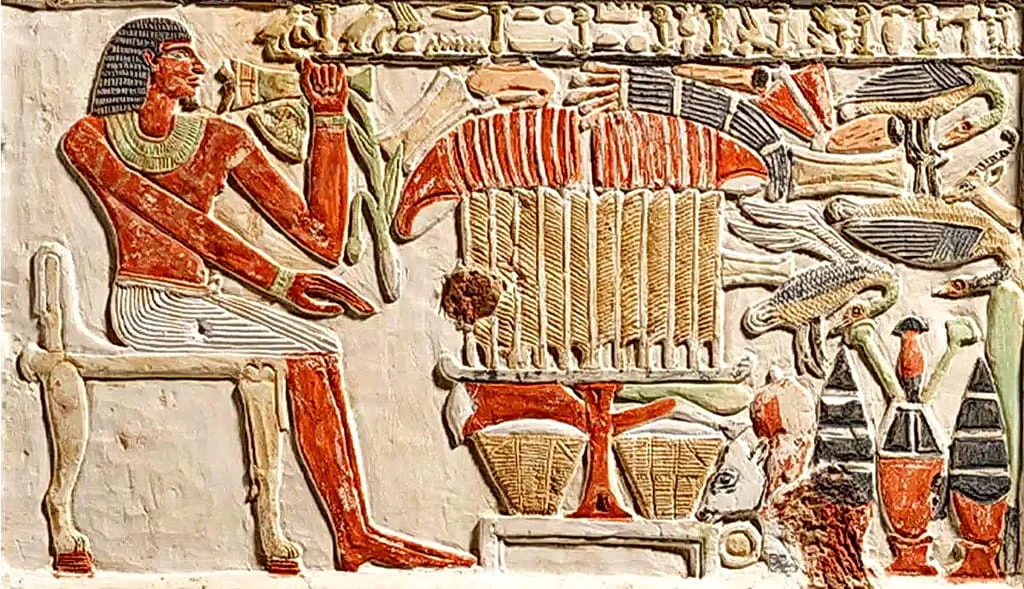
During the Old Kingdom, access to the afterlife and the funerary texts required to navigate it was largely reserved for the king and his immediate circle. As the central state fractured during the First Intermediate Period, these exclusionary practices weakened.

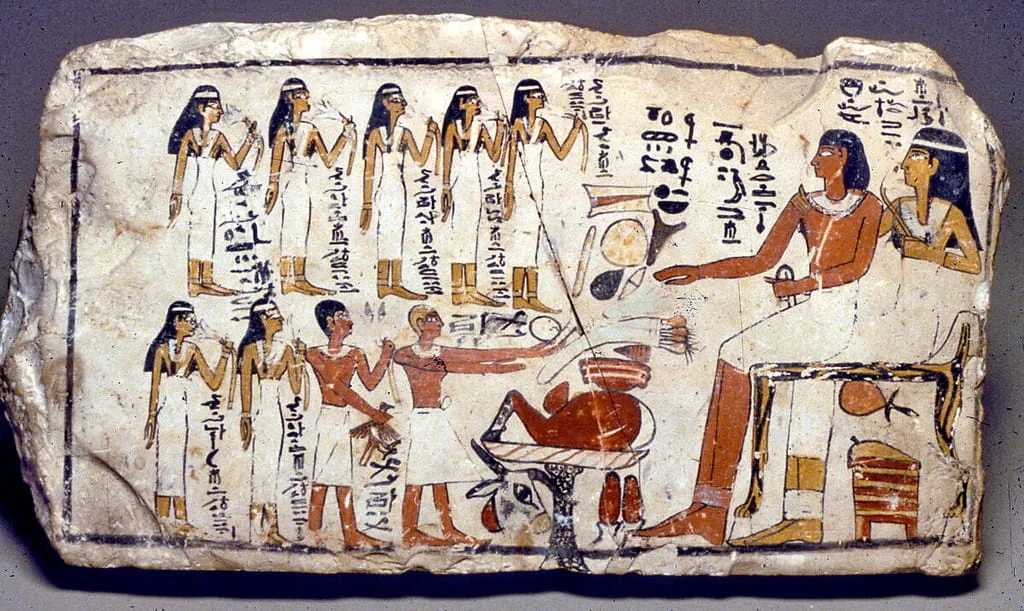
  • The Spread of Funerary Rights: Funerary texts, previously carved only in royal pyramids, began to appear on the interiors of non-royal coffins.
  • Personal Piety: This “democratization of the afterlife” meant that elite individuals and provincial administrators could now commission their own elaborate tombs and funerary literature, ensuring their own eternal survival regardless of the king’s status.

Literary and Artistic Innovation

The shift in power centers toward Heracleopolis and Thebes fostered regional artistic styles and a surge in new literary genres.

  • Instructional Literature: This era saw the flourishing of the “Instruction” genre, including works like The Instruction for King Merikare, which offered guidance on kingship and ethics during a time of chaos.
  • Artistic Expression: Regional workshops produced art that was less constrained by the strict, standardized aesthetics of the royal court, leading to more expressive and individualized tomb paintings and statuary.

This cultural metamorphosis demonstrates that the First Intermediate Period was far from a “dark age”; it was a period of intense experimentation that permanently reshaped the social fabric of Ancient Egypt.

The eye of Horus

The Legacy of the First Intermediate Period

The First Intermediate Period serves as more than just a transitional gap between two eras of greatness; it is a testament to the resilience of the Egyptian state. By weathering the collapse of the Old Kingdom, enduring the intense rivalry of the Heracleopolitan and Theban factions, and fostering unprecedented cultural innovation, Egypt emerged transformed. The struggles of this era dismantled the rigid structures of the past, creating the flexibility needed to build the centralized, yet culturally diverse, foundation of the Middle Kingdom. Ultimately, this period proves that in the history of Egypt, even the greatest crises served as the crucible for future glory, shaping a civilization that would continue to define the ancient world for centuries to come.
The First Intermediate Period: Recommended Readings

For a deeper dive into the complexities of this transition, these sources offer a mix of historical overviews and specific scholarly insights:

The First Intermediate Period: (FAQ)

1. Was the First Intermediate Period truly a “dark age”?

While often described as a dark age of chaos, famine, and disorder by later writers, modern archaeological evidence suggests a more nuanced reality. While central authority collapsed, life for the average person—freed from the heavy demands of the central state—often improved, with evidence of increased economic output and thriving local cultures.

2. What caused the collapse of the Old Kingdom?

The causes are debated, but the primary factors include a combination of environmental and political pressures. These include:

  • Climatic shifts: Potential long-term failure of the Nile inundations leading to famine.
  • Succession crises: The exceptionally long reign of Pepi II, which weakened the royal lineage.
  • Decentralization: The rise of hereditary provincial governors (nomarchs) who became increasingly independent from the pharaoh.

3. What is the “democratization of the afterlife”?

This is one of the most significant cultural developments of the era. During the Old Kingdom, royal funerary texts were exclusive to the king. During the First Intermediate Period, these rights expanded to non-royal individuals, who began using “Coffin Texts” to ensure their own path to the afterlife, marking a major shift in religious expression.

4. When and how did this period end?

The period ended around 2040–2055 BCE with the rise of the Theban Eleventh Dynasty. King Mentuhotep II defeated his northern rivals, reunifying Egypt and establishing the stability that defined the subsequent Middle Kingdom.
Divider
Memnon colossi of king amenophis III 4 min

Book with them, they are Professionals

It has always been my dream to visit Egypt. This was a beautiful tour, almost two years later, I can’t stop thinking about my time in Egypt, Valley of the Kings, Temple of Kom Ombo, Edfu, Luxor! I was able to add an eighth day to see Abu Simbel (a

More »

The best holiday ever!

The Nile cruise, Luxor, and Aswan were amazing sites to see, especially when you have the best tour guide in Egypt. Hamada was absolutely fantastic, lots of information, and some of it not spoken by others. This guy was not only a simple tour guide for us, but he also

More »

Cairo Day Trip

Great trip organised. I had a 12-hour layover in Cairo and had a great time with Sherif, who answered every question I had on ancient Egypt. Highly recommend.

More »

AMAZING Layover Tour

We had the MOST amazing layover tour with Egypt Fun Tours. Hanni was amazing, and we loved every moment. Pyramids, authentic food, and Islamic Cairo – amazing!

More »
6 Days Luxury Tour {Egypt Treasures} - Cairo and Nile Cruise Affordable Tour Package

A trip of a lifetime in a 10 hour layover!

We recently scheduled a layover tour in Cairo through Egypt Fun Tours. Our layover was 10 hours and we scheduled the tour just about a day and a half before our arrival. When we arrived in Cairo we very easily made our way out of the airport (after getting our

More »
God_Anubis_Icon

Top-rated Tour Packages

God_Anubis_Icon
WhatsApp
Email
Print