The Concept of the Temple: More Than Just Stone
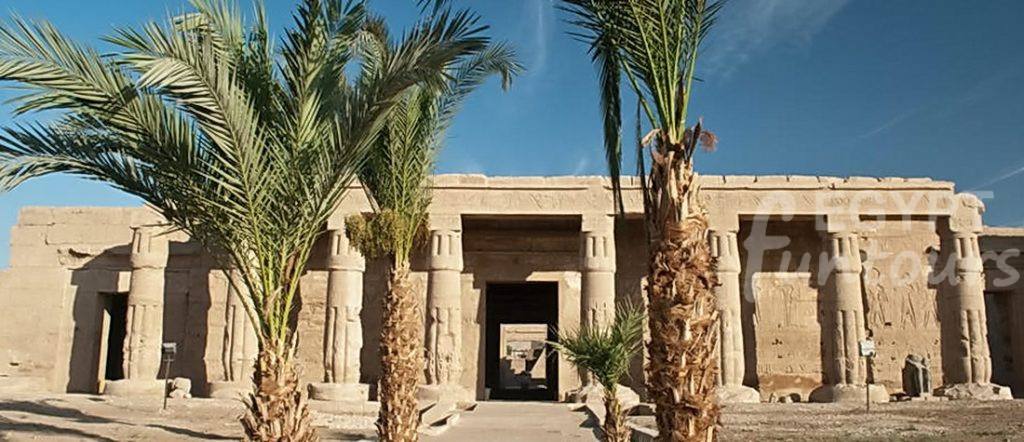
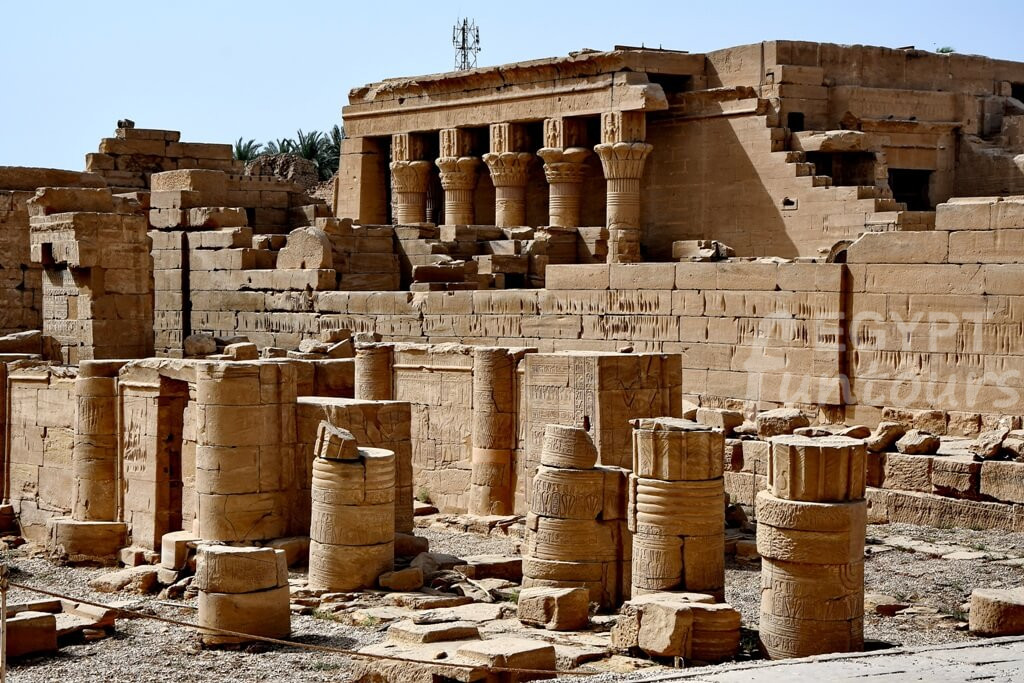
In Ancient Egypt, a temple was known as Hwt-Netjer (Mansion of the God). Unlike modern places of worship, these were not designed for large congregations. Instead, they were exclusive residences where priests performed secret daily rituals to maintain Maat—the divine order of the universe.
When you explore the monuments listed here, you are not just looking at ruins; you are looking at:
- Cosmic Maps: Every temple layout represents the Egyptian creation story, with floors rising like the primordial mound and ceilings painted as the starry heavens.
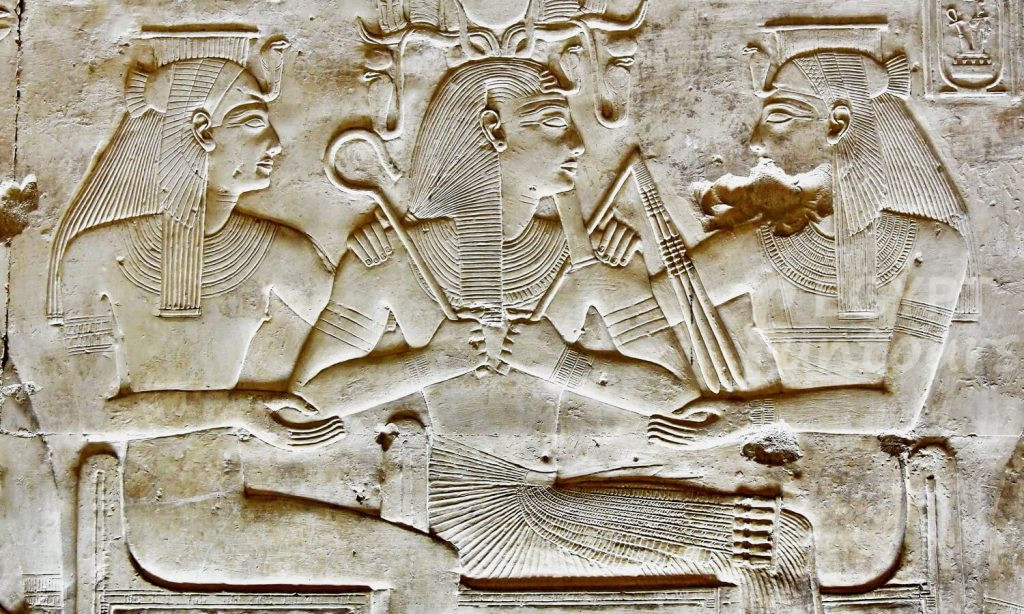
- Stone Libraries: The walls are covered in “Hieroglyphic Archives” that detail royal victories, medical knowledge, and astronomical calendars.
- Living Museums: Thanks to recent restoration efforts, many of the sites in this collection still retain their original 3,000-year-old pigments.
What You Will Find in This Collection
This page organizes the most significant archaeological sites in Egypt into a navigable directory. Whether you are looking for the massive sun-drenched pylons of Upper Egypt or the mysterious shrines of the South, our guide covers:
- Cult Temples: Dedicated to specific gods like Amun-Ra, Horus, and Isis.
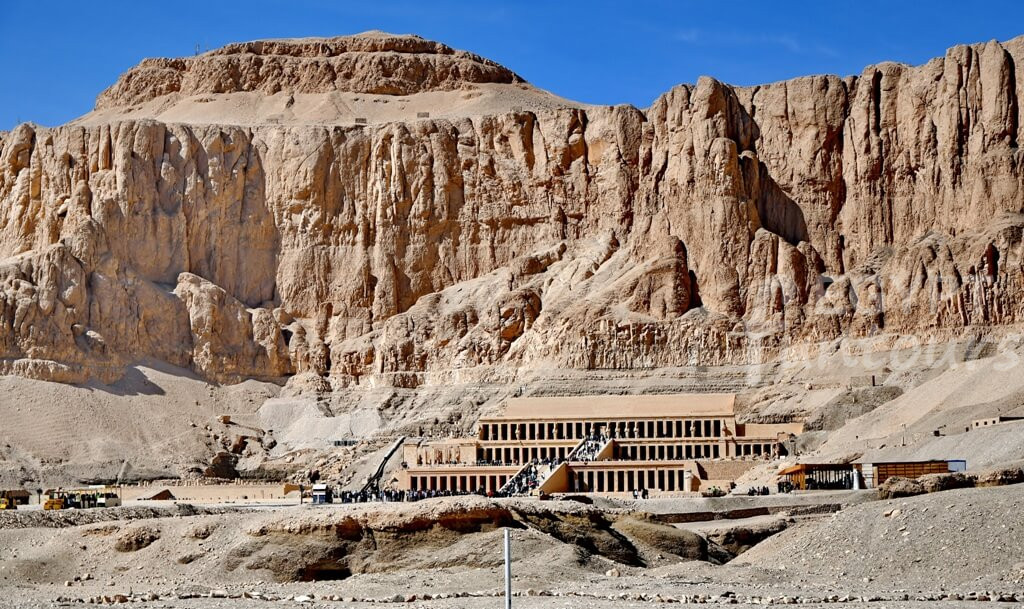
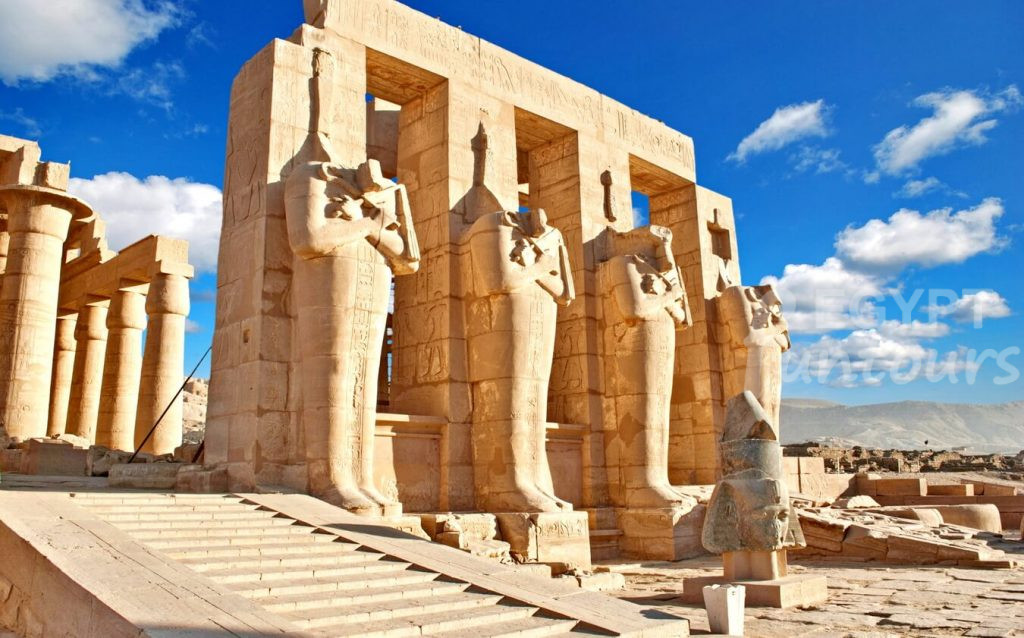
- Mortuary Temples: Built to commemorate the Pharaohs and ensure their eternal life in the Field of Reeds.
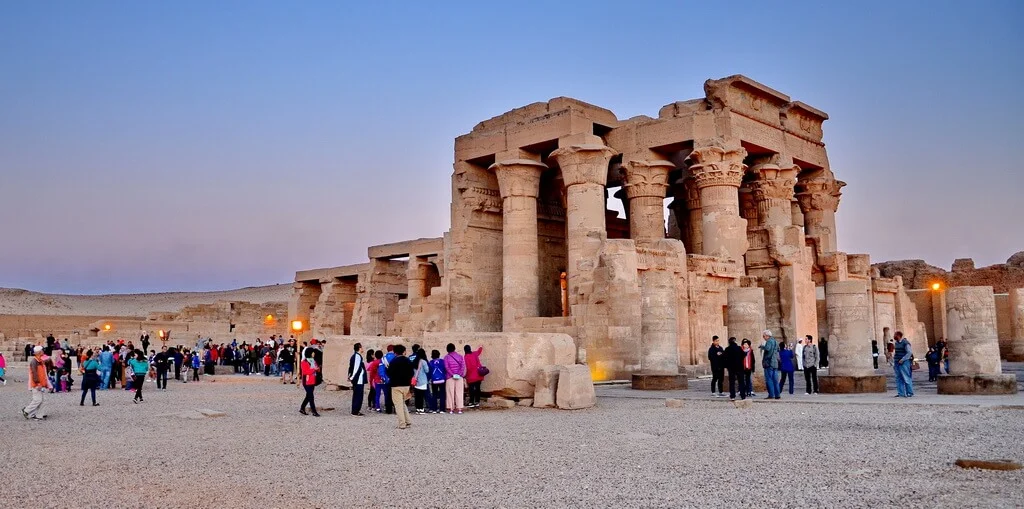
- Ptolemaic Gems: Exceptionally preserved temples from Egypt’s later Greek-influenced period, such as Edfu and Dendera.
Strategic Travel Tips for Temple Explorers
To make the most of your visit to these attractions in 2026, keep these expert tips in mind:
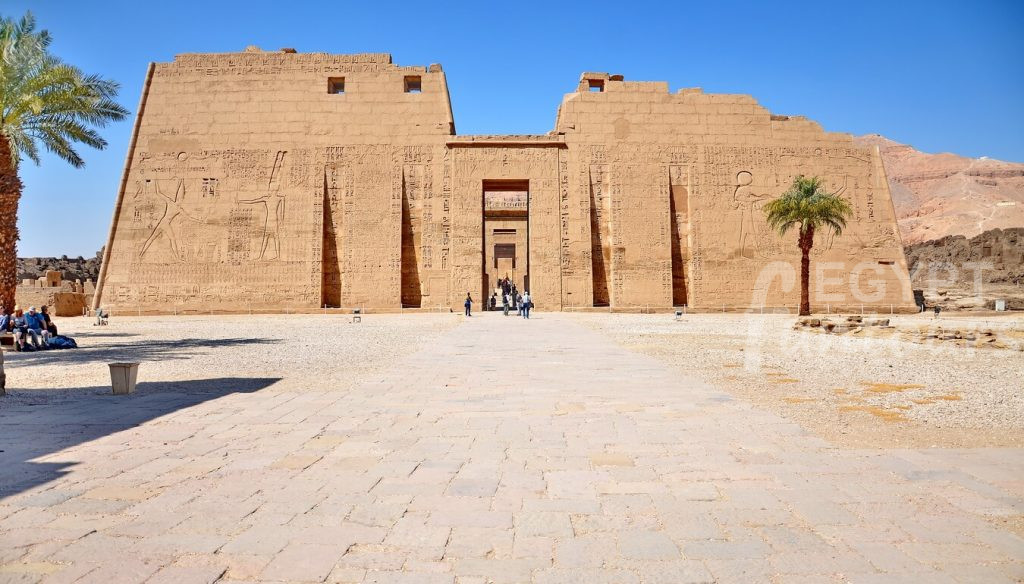
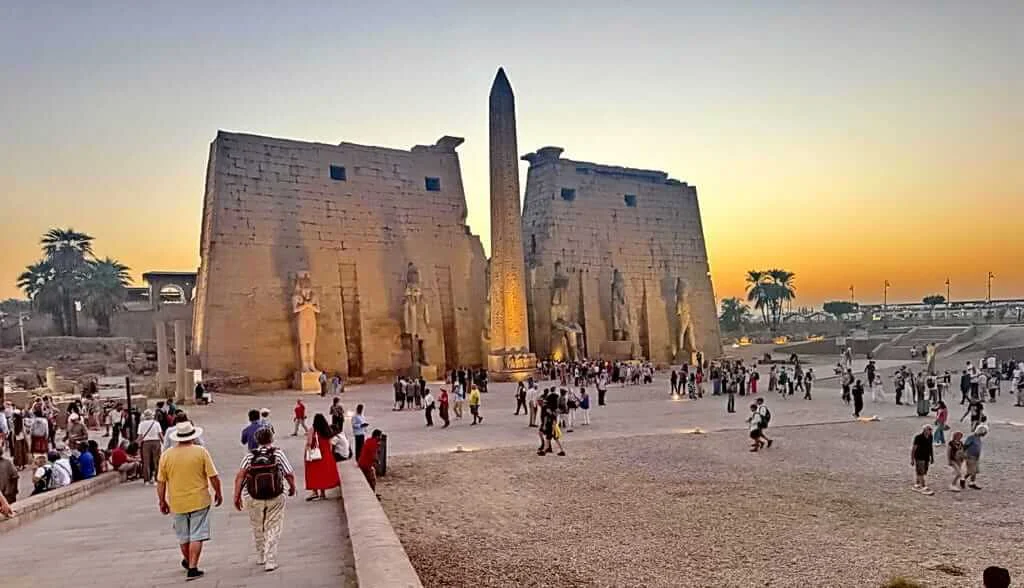
- The Golden Hour: We recommend visiting the East Bank temples (like Luxor Temple) at sunset to see them illuminated, and the West Bank temples (like Medinet Habu) at sunrise for the best lighting for photography.
- Check for Restoration Updates: Many sites, such as the Esna Temple, have recently revealed stunning new ceiling colors. Be sure to look up during your tour.
- Context is Key: We suggest visiting the Grand Egyptian Museum (GEM) in Cairo first to see the artifacts that were originally housed within these very temple walls.
Explore the Temples
Browse our curated list of ancient Egyptian temples to find detailed visitor information, historical facts, and the best tour packages for each site.
1. Karnak Temple Complex: The Religious Capital
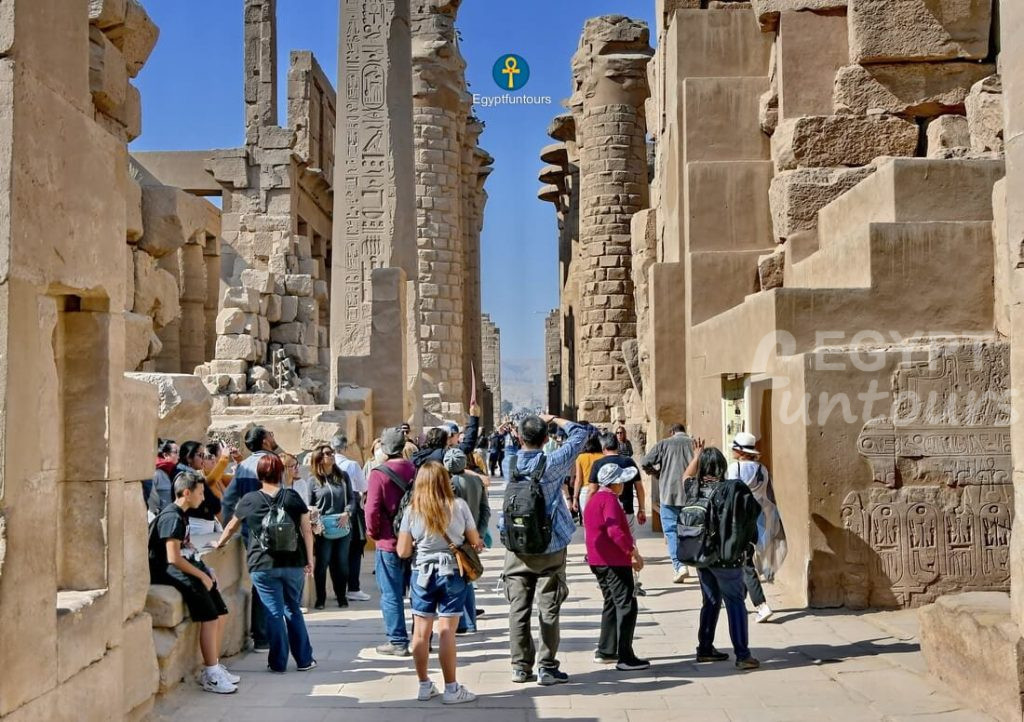
This temple is the largest among all the ancient Egyptian temples. Karnak is much more than a temple; it is a sprawling city of gods. In fact, it remains the largest religious complex ever built by man. Dozens of Pharaohs constructed this site over 1,500 years, and its massive scale truly boggles the mind. First, you will discover the Great Hypostyle Hall. Here, 134 sandstone columns rise like a stone forest. These pillars still bear traces of their original 3,000-year-old paint. Additionally, in 2026, visitors can explore newly restored sections of the Mut Precinct. You can also walk around the sacred lake where priests once performed purification rituals. Ultimately, as the primary worship center for the sun god Amun-Ra, Karnak stands as the definitive masterpiece of New Kingdom architecture. It is an essential stop for every traveler in Luxor.
2. Luxor Temple: The Southern Sanctuary
Luxor Temple sits in the bustling heart of a modern city. It offers an atmospheric journey through three millennia of history. Historically, the Egyptians called it the “Southern Sanctuary.” It served as the main stage for the annual Opet Festival. During this event, priests paraded statues of the gods from Karnak along the legendary Avenue of Sphinxes. Furthermore, Luxor Temple is unique because it features layers of continuous worship. Within these Pharaonic walls, you will find a Roman fresco, a Coptic church, and a 13th-century mosque. For the most magical experience in 2026, we recommend visiting at sunset. At this time, the massive statues of Ramses II and the towering colonnades light up against the night sky. This creates a breathtaking silhouette along the Nile.
3. Abu Simbel: The Sun Temples of Ramses II
Ramses the Great carved Abu Simbel directly into the sandstone cliffs of the deep south. This site represents perhaps the most awe-inspiring display of royal ego in history. Four 20-meter colossal statues guard the Great Temple. Moreover, ancient architects engineered the site with incredible precision. Twice a year, the sun’s rays penetrate the darkness of the inner sanctuary to light up the gods within. Beside it sits the elegant Temple of Nefertari. This serves as a rare tribute to a Queen’s divine status. Beyond its ancient wonder, Abu Simbel is a modern miracle of engineering. In the 1960s, workers cut the entire complex into 2,000 massive blocks. They moved them to higher ground to save them from the rising Nile. This massive effort preserved this desert icon for future generations.
4. Philae Temple: The Island of Isis
Travelers often call Philae “The Pearl of Egypt.” It is a romantic island sanctuary dedicated to the goddess Isis, the mother of magic and healing. First, you must take a short boat ride across the shimmering Nile waters in Aswan to reach it. Consequently, the temple’s setting is just as beautiful as its architecture. It also holds a poignant place in history. Philae served as the very last bastion of ancient Egyptian religion. In fact, a priest carved the final hieroglyphic inscription here in 394 AD. After that, the site became a church. As you walk through the majestic pylons, you can see the transition from Pharaonic to Greco-Roman styles. In 2026, the nightly Sound and Light show remains the best way to hear the myths of Isis and Osiris.
5. Edfu Temple: The Falcon’s Stronghold
Ancient builders dedicated the Temple of Edfu to the falcon-headed god, Horus. Most experts consider it the most perfectly preserved cult temple in all of Egypt. Because the desert sands buried it for nearly 2,000 years, its massive 36-meter entrance pylon remains almost entirely intact. Therefore, it offers the best “time-travel” experience in the country. Additionally, the walls act as a stone encyclopedia. They feature detailed reliefs that show the legendary battle between Horus and his uncle, Seth. In 2026, travelers arriving by Nile cruise can take a traditional horse-drawn carriage to the temple gates. You will step into a world of narrow corridors and shadowy sanctuaries. These rooms look exactly as they did when the last Ptolemaic priests walked them.