Top-Rated Attractions and Things to Do
Qarun Lake
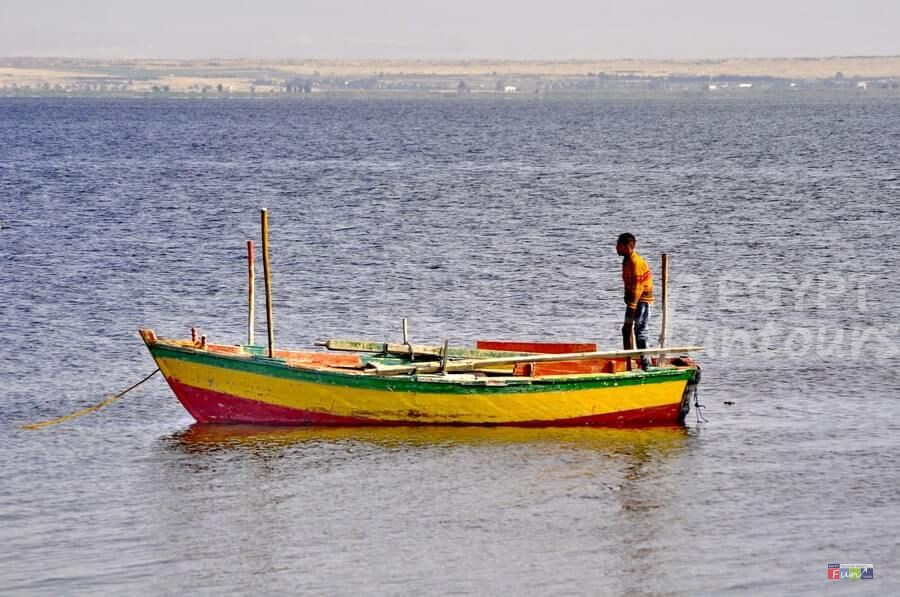
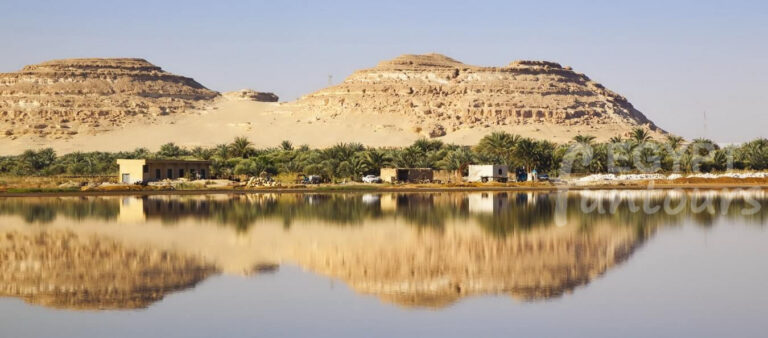
Lake Qaroun, one of the most important old natural lakes, 20 kilometers from Fayoum, is a popular spot for fishing, water sports, and bird watching. Several bird species, animals, and reptiles may be found here, and it’s not far from Qasr Qaroun and Qasr El-Sagha.
Tunis Village
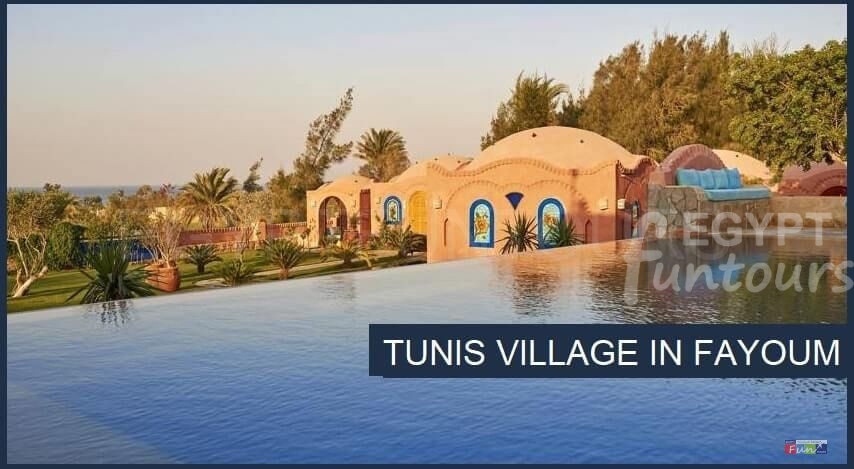
In 1962, an Egyptian author and his Swiss spouse visited Tunis Village, fell deeply in love with it, and decided to establish a house and a pottery studio to resuscitate the Fayoum pottery industry and teach pottery manufacturing to future generations. Not to mention promoting eco-tourism in the region.
Wadi El-Rayan Protected Area
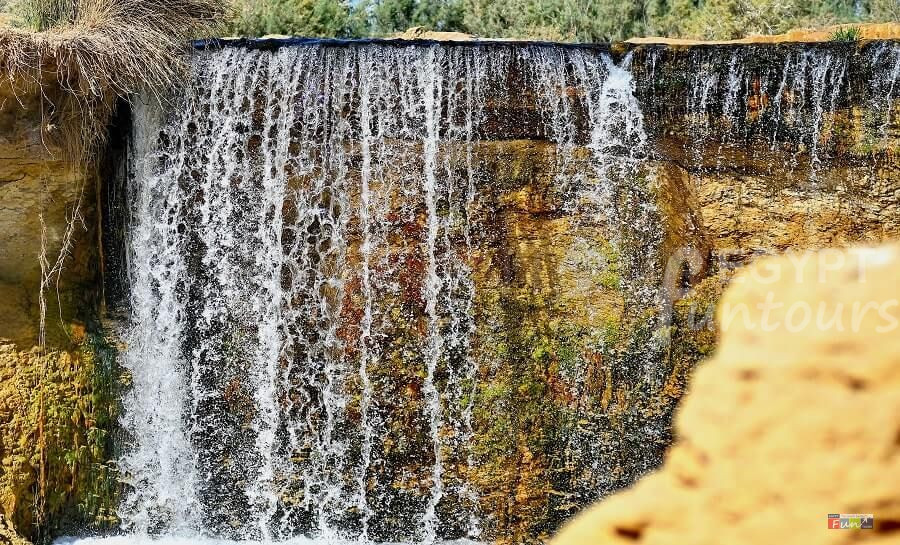
For travelers seeking a natural escape, Wadi El Rayan is one of the most remarkable El Fayoum attractions. This 42-kilometer-deep natural depression lies about two hours from Cairo and features two stunning lakes. These lakes, connected by a canal and a waterfall, were formed by agricultural runoff from the El Fayoum oasis.
The area is a vast desert landscape with numerous sand dunes, offering a home to a wide variety of birds and several rare, near-extinct animals. Keep an eye out for species like the Dorcas gazelle, Ruppell’s sand fox, and fennec fox as you explore this unique and beautiful protected area.
Mudawara Mountain

Just a few hundred meters south of Wadi El Rayyan Road, you can find Mudawara Mountain. You can either park on the roadside or drive through the desert to the base of this stunning natural formation. The mountain has three main peaks, with several smaller humps rising to the west.
The eastern edge features a small rock spire with a remarkable hole carved into its peak. This small formation is surprisingly difficult to climb and is likely below sea level. Its tiny footprint is not even visible on Google Earth.
From the top of Mudawara Mountain, you get a beautiful, open view of the surrounding landscape. The area has many so-called “angel holes,” which look like petrified coins scattered across the surface. The surface itself is a network of refractive cracks, evidence that a large lake once covered the area. During the Pleistocene epoch, the lake gradually dried up, leaving behind this unique geological feature.
Protectorate of Wadi El-Hitan (Valley of Whales)
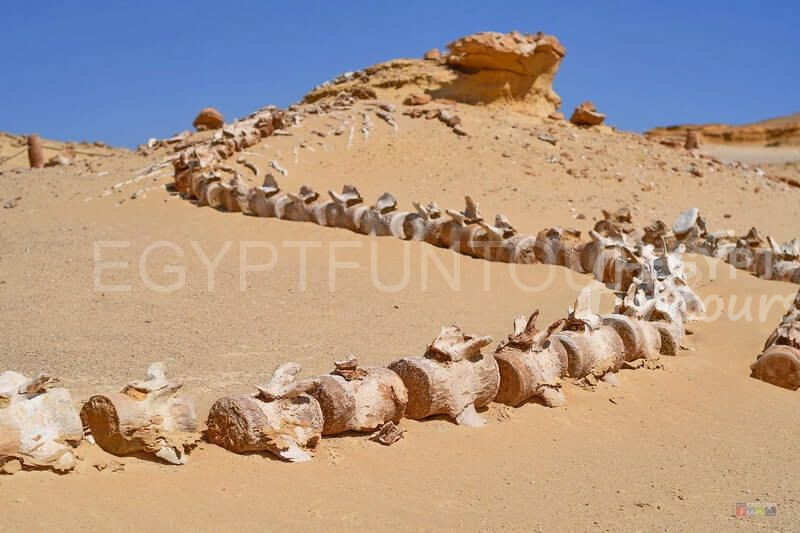
Consider seeing 5000-year-old tombs and temples to be looking into antiquity. Imagine 40 million-year-old whales! Wadi Al-Hitan, located 150 miles southwest of Cairo, is a UNESCO World Heritage Site that contains remains of the ancient Tethys Sea when Egypt was submerged and sea cows, crocodiles, and turtles swam. Its most notable standout feature, however, is the insight it gives into the development of whales.
Whale relatives walked on land while hunting in shallow waters fifty million years ago, much like sea otters do now. Archeocetes (ancient whales) adopted a more marine lifestyle during the following 10 million years. The Wadi Al Hitan Fossil and Climate Change Museum opened in 2016 and features outstanding displays in English and Arabic that describe the area’s climatic changes over time and how land-based animals evolved to return to the sea.
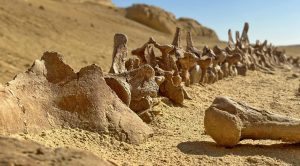
However, the fossils are not just on exhibit. Along a walking route filled with invertebrate fossils and bone fragments, whole skeletons of Basilosaurus and Dorudon are on exhibit, some of which still have tiny hind limbs not found in current whales. Only approximately 3000 people visit Wadi Al-Hitan each year. Previously, access was through a sand-blown route that needed 4WD vehicles, but recently (as of May 2022), a paved road has been completed that allows conventional automobiles to make the trip.
The Magic Lake

For an unforgettable experience among the El Fayoum attractions, visit the stunning Magic Lake. Located in the Wadi El Rayan area, this beautiful body of water earned its name because its color changes throughout the day, depending on the season and the amount of sunlight it receives. The lake offers incredible views of the surrounding sand dunes and provides a perfect spot to watch one of the most beautiful sunsets you’ll ever see.
This breathtaking desert setting is perfect for adventure. Popular activities include hiking and sandboarding on the nearby dunes, as well as swimming in the lake’s waters. The minerals in the lake are also believed to help treat people with rheumatism, adding to its unique appeal.
Qatrani Mountain
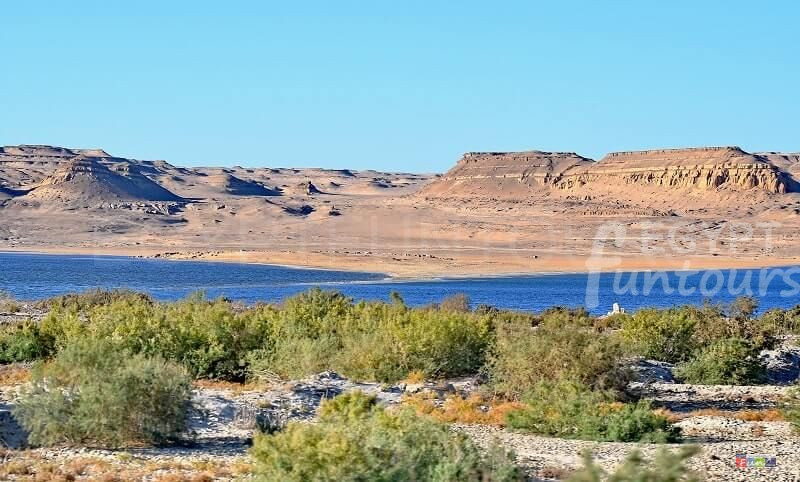
One of the most fascinating and fossil-rich mountains in the Western Desert, Mount Qatrani is a 350-meter-high sandstone peak that serves as a prominent landmark for tourists and hikers in Fayoum.
The Petrified Forest
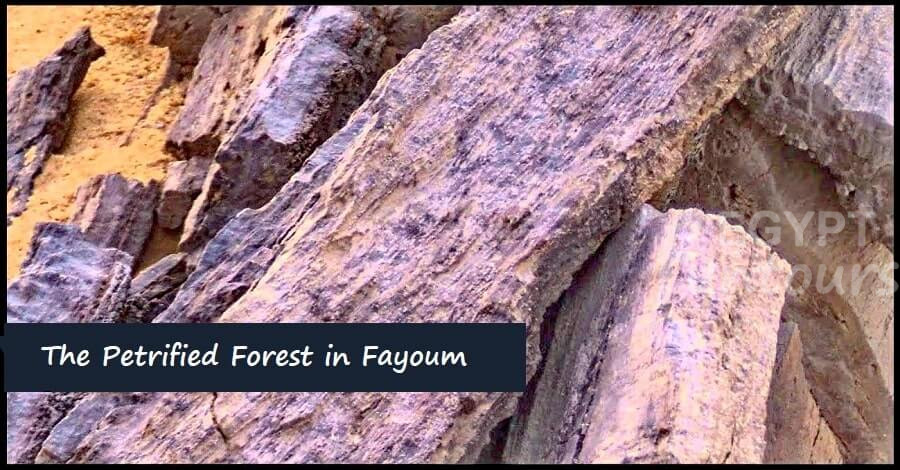
Of the many fascinating El Fayoum attractions, the world’s largest petrified forest stands out as a unique glimpse into a prehistoric world. Located in the Gabal Qatrani mountain range north of Lake Qarun, this remarkable site features trees that stood over 40 million years ago, now completely turned to stone and reaching up to 40 meters tall. The petrification process preserved even the tiniest details of the trees, including marshy plants and aquatic ferns.
While you can find similar petrified wood on every continent except Antarctica, this forest is truly exceptional. Other well-known locations include the United States, Argentina, Brazil, China, Indonesia, the United Kingdom, New Zealand, Australia, and Ukraine.
A new open-air museum now exists within the petrified forest. This museum, built in early 2018, displays the remarkable fossils discovered in the Fayoum oasis desert. Visitors can see not only petrified trees but also the incredibly well-preserved remains of whales, elephants, crocodiles, snakes, and other ancient creatures like Phiomia, Palaeomastodon, and Arsinoitherium. The museum showcases a unique collection of both marine and terrestrial fossils.
Qasr Qarun (Qarun Palace)

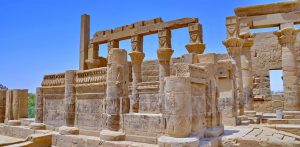
As you explore the diverse El Fayoum attractions, you won’t want to miss the well-preserved Ptolemaic temple known as Qasr Qarun—Arabic for “the Palace of Qarun.” Though we can’t pinpoint an exact date for its construction due to a lack of inscriptions, this temple, built from yellow limestone, is a remarkable example of Ptolemaic architecture from 323–30 BC.
While it may seem modest from the outside, the temple is a true labyrinth of chambers, corridors, cellars, and staircases. You’ll find yourself navigating a fascinating maze of rooms at different levels, full of hidden nooks and crannies.
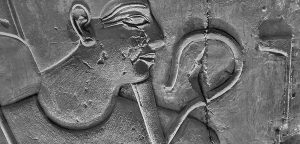
Though the temple lacks inscriptions, a winged sun relief decorates the entrance. Inside, on the ceiling, you’ll find a relief featuring two figures—the crocodile god Sobek on the left and a king on the right. You can reach the roof by climbing one of the two square spiral staircases. Once there, you’ll be rewarded with a sweeping view of the surrounding landscape, including the desert to the south and west, the fertile cultivated land to the north and east, and the distant lake.
Qasr El-Sagha Temple
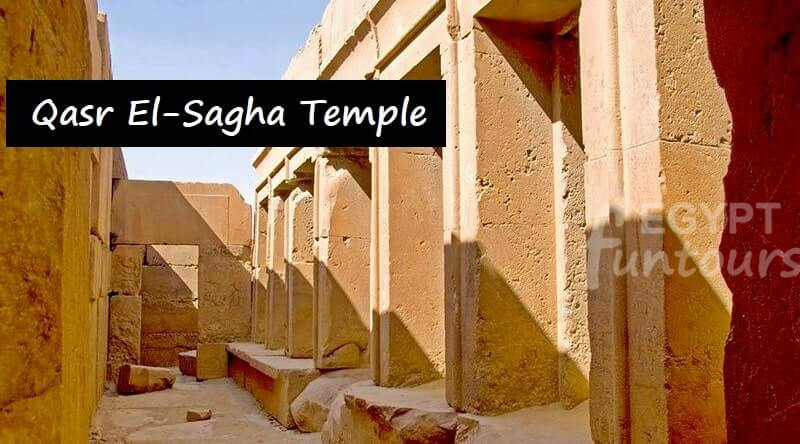
An incomplete temple from the Middle Ancient Egyptian Kingdom that offers beautiful views of Qarun Lake, the Sand Dunes, and Qatrani Mountain.
Karanis (Kom Oshim Museum)

When you explore the many El Fayoum attractions, you’ll find a captivating blend of history and nature. In the 3rd century B.C., the Ptolemies built one of the largest Greco-Roman cities in the area. Today, you can still see the remains of two temples dedicated to the crocodile god, Sobek, along with a Roman bath. The city also features a museum with a fascinating collection of glassware, jewelry, and ceramics found at the site.
Just three kilometers away, you’ll find Lake Qarun, which ancient trade caravans once used as a stopping point on their journeys into the Western Desert. The area holds the ruins of several Greek structures, including a small stone temple. While exploring, you can also see traces of the ancient city’s walls and roads. In 2012, archaeologists even uncovered two sculptures with the heads of lions, a powerful reminder of how much of Egypt’s history still awaits discovery.
Maidum Pyramid
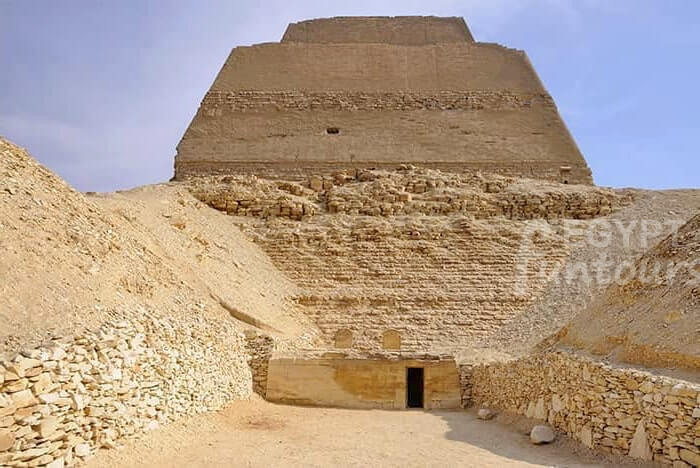
Built by Snefru, Khufu’s father, the Maidum Pyramid can be said to be one of the first efforts to create a pyramid and the first Egyptian pyramid to feature an above-ground burial chamber elegantly adorned with arch-shaped walls. It used to be an eight-level building, but just three floors have survived the years.