The Birth of a Revolutionary Capital
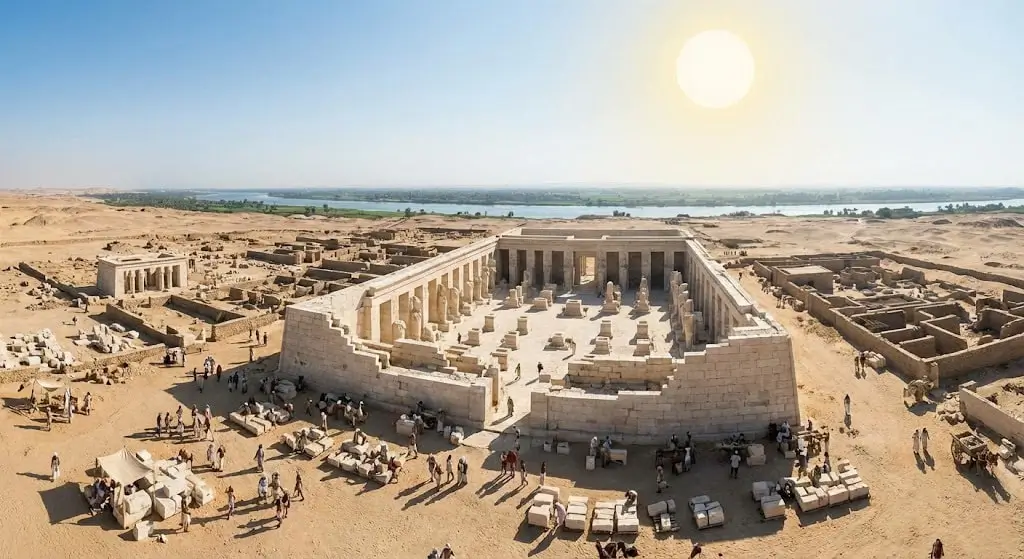
The ancient city of Amarna stands as a unique monument to one of history’s most radical transformations. Specifically, it was the purpose-built capital of the “Heretic King,” Akhenaten. During the mid-14th century BCE, the Pharaoh made a shocking decision to abandon the traditional gods of Egypt. Consequently, he turned his back on the powerful priesthood of Amun in Thebes. He sought a location where no other deity had ever been worshipped. Therefore, he chose a remote desert bay in Middle Egypt to realize his vision of a monotheistic utopia.
The King named his new city Akhetaten, which translates to “The Horizon of the Aten.” This name was not a mere coincidence. In fact, the King noticed that the sun rose perfectly between two limestone cliffs on the eastern horizon. For this reason, the geography itself confirmed that the site was divine. Furthermore, the city was constructed at an incredible speed. Within just a few years, thousands of people moved to the desert to support the royal court. Nonetheless, this rapid growth did not sacrifice the city’s grandeur. Amarna became a sprawling metropolis of palaces, temples, and wide avenues.
A Time Capsule of the Amarna Period
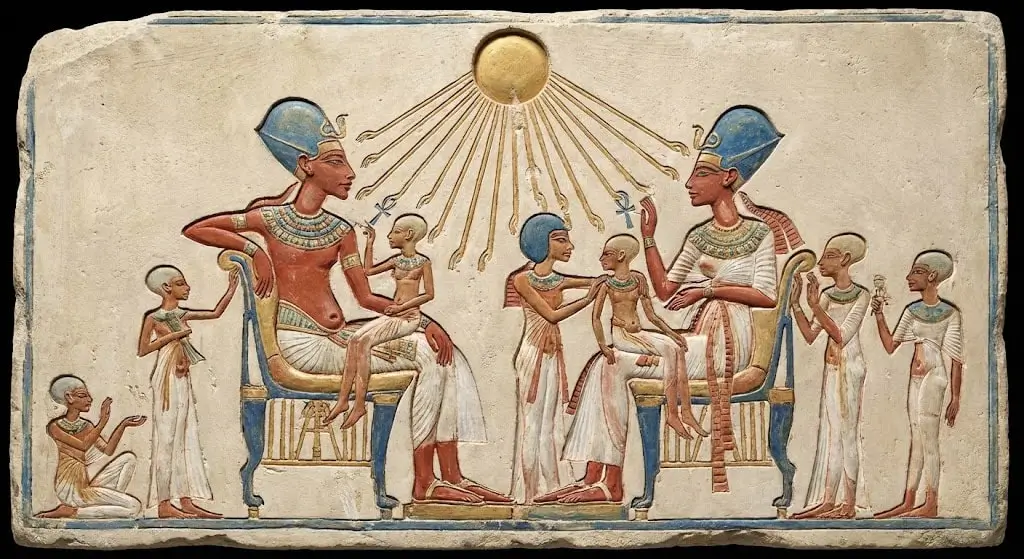
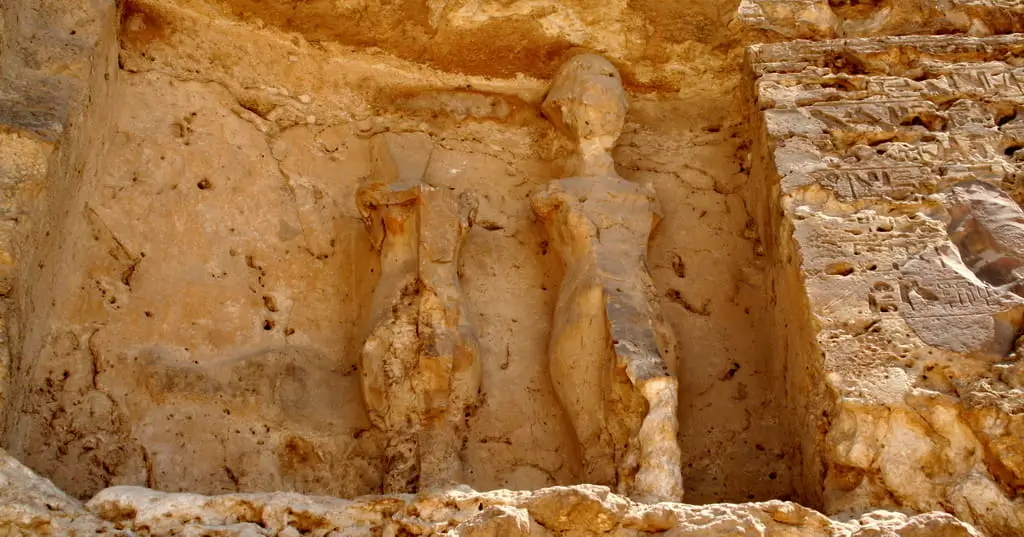
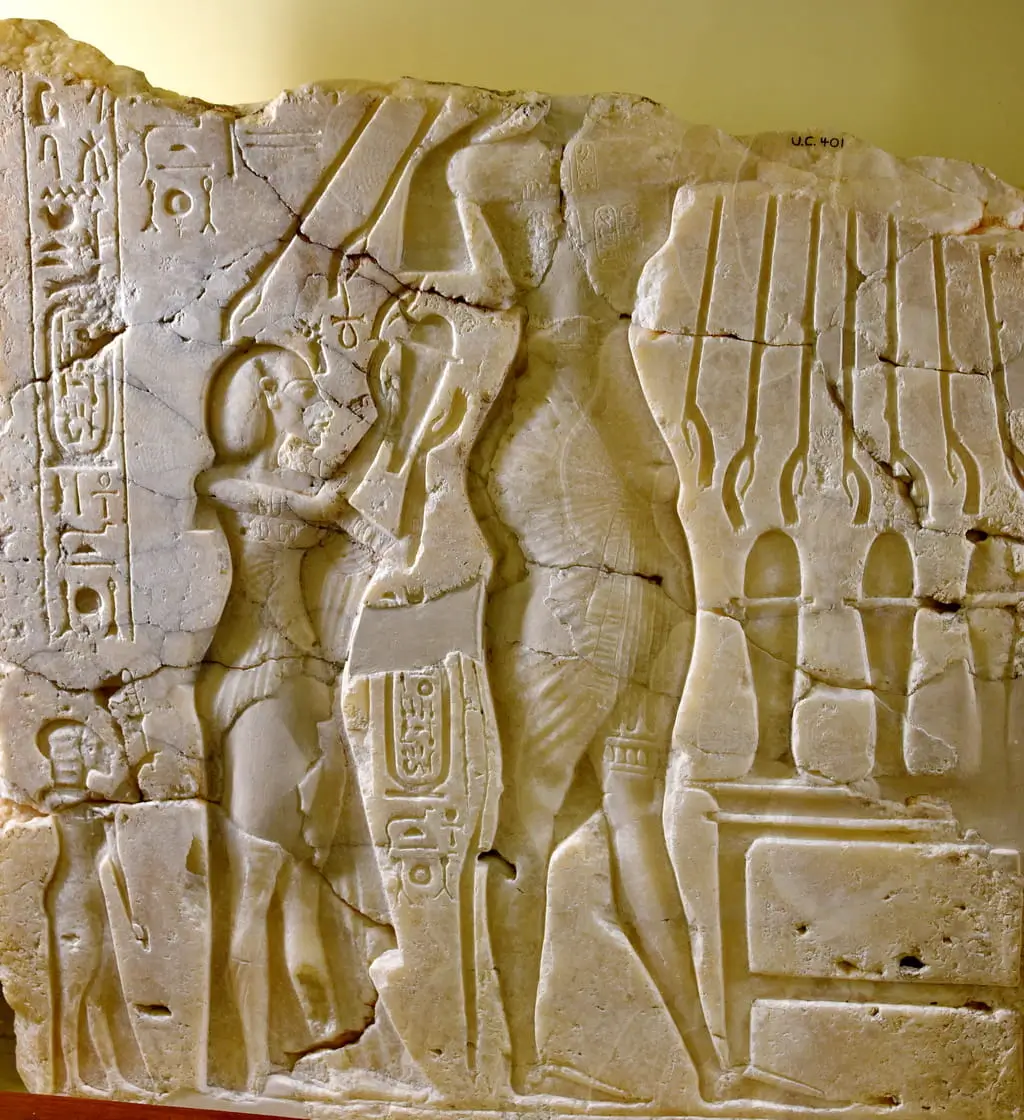
Today, the ruins of Amarna offer an unparalleled look at ancient life and urban planning. Because the city was abandoned shortly after Akhenaten’s death, it was never built over by later generations. As a result, archaeologists have been able to map the houses of commoners alongside the villas of the elite. This provides a rare “snapshot” of a society in the midst of a cultural revolution. Moreover, the city was the birthplace of the Amarna Art Style. This artistic movement favored naturalism and emotion over the rigid traditions of the past.
By exploring Amarna, we do more than just visit ancient ruins. Instead, we enter the mind of a king who tried to reshape the universe. In this comprehensive guide, we will journey through the Central City to see the foundations of the Great Aten Temple. Additionally, we will examine the Boundary Stelae that defined the city’s sacred limits. We will also uncover the stories of the people who lived there, from Queen Nefertiti to the humble stone carvers. Ultimately, the story of Amarna is a tale of ambition, faith, and the enduring power of a single vision.