The Final Judgment: Weighing of the Heart and the Hall of Two Truths

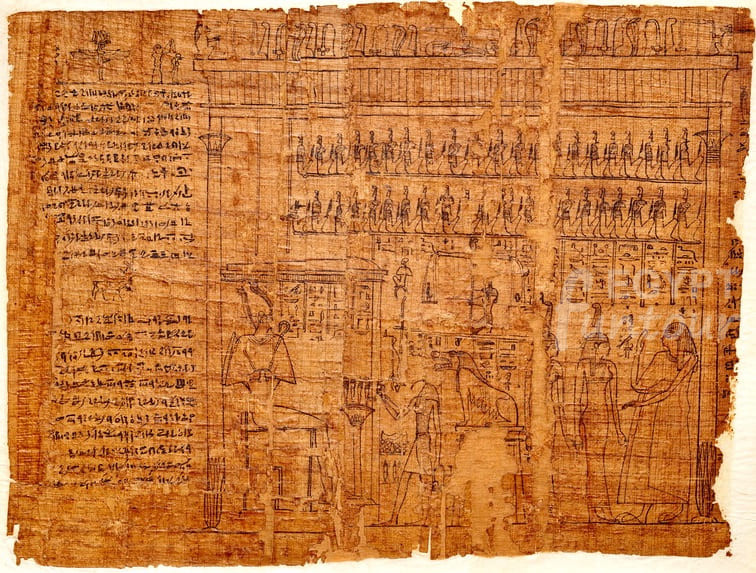
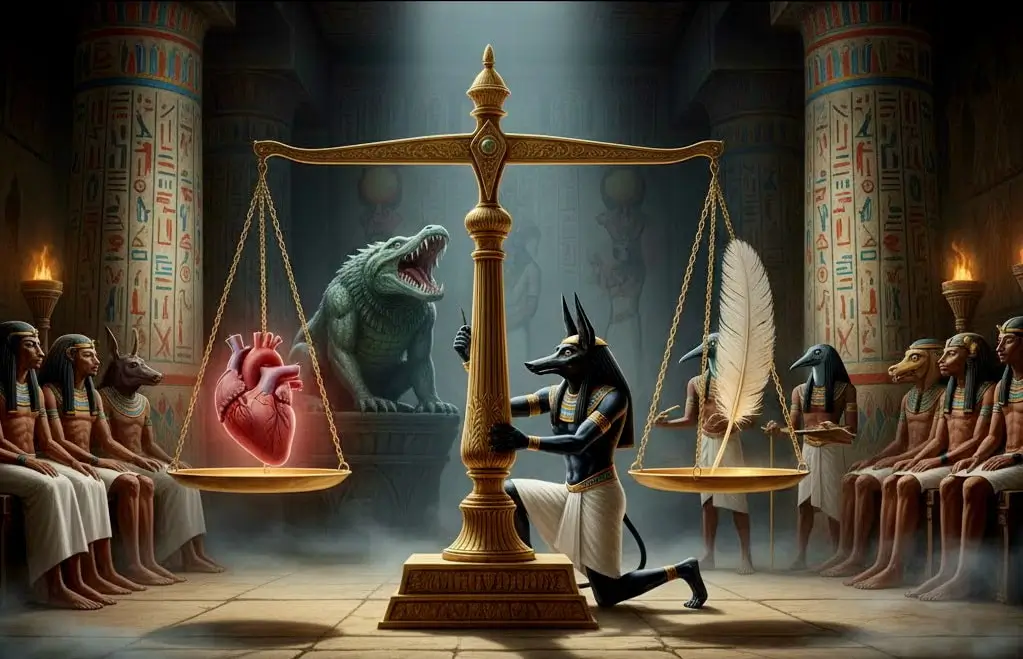
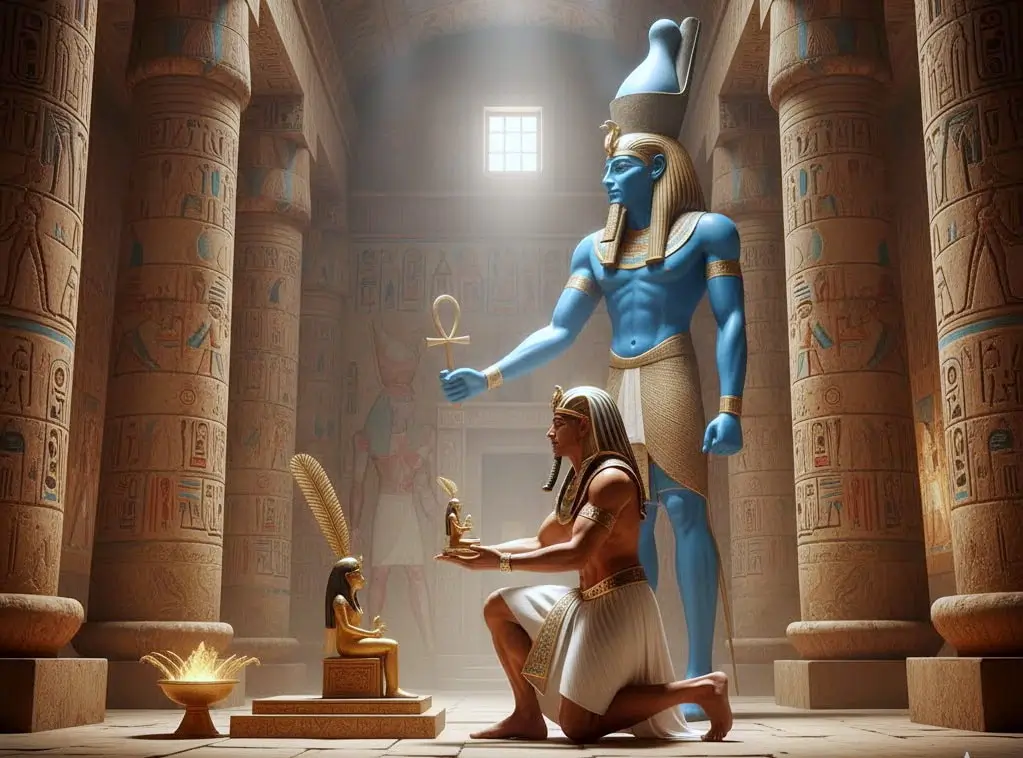
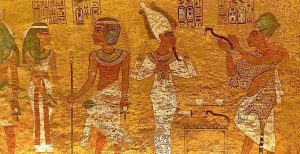
The Final Judgment stands as the most critical event in the ancient Egyptian conception of the afterlife. It was the moment of truth that determined whether the deceased would achieve eternal life (Aaru) or face final oblivion. This event took place in the Hall of Two Truths, presided over by Osiris, the Lord of the Dead. The central and most crucial ritual was the Weighing of the Heart ceremony, where the heart (ib) of the deceased, containing the record of their earthly deeds, was balanced against the Feather of Ma'at (representing truth, order, and justice). Anubis conducted the test, while Thoth recorded the result. If the heart was lighter than the feather, the deceased was admitted into the afterlife. If it was heavy, the monstrous goddess Ammit devoured the heart, resulting in the permanent destruction of the soul. This ritual, documented vividly in the Book of the Dead, governed the ultimate fate of every Egyptian.

Final Judgment in Ancient Egypt

Ancient Egypt, with its rich and complex belief system, held a deep fascination for the afterlife. The Egyptians believed in a Final Day Judgment, where the souls of the deceased would be weighed against the feather of Ma’at, the goddess of truth and justice. This article aims to explore the intriguing process of Final Day Judgment in Ancient Egypt and shed light on its significance in their culture.

FUN

The Concept of Ma’at

The Enduring Legacy of Ma'at

Central to the Final Judgment in ancient Egypt was the concept of Ma’at. Ma’at represented truth, order, and harmony in Egyptian society. Egyptians believed living by the principles of Ma’at would ensure a prosperous afterlife. The deceased were expected to have upheld Ma’at throughout their lives, displaying virtues such as honesty, integrity, and respect for others.

FUN

The Weighing of the Heart

FInal Judgment - Egyptian Mythology - Egypt Fun Tours

Upon death, the soul of the deceased would embark on a perilous journey through the underworld, guided by various gods and goddesses. Eventually, they would reach the Hall of Two Truths, where the Final Day Judgment in ancient Egypt took place. At the center of the hall stood a large scale, known as the “Scales of Ma’at.”

The Egyptians placed the deceased’s heart, believed to be the seat of the soul and the source of one’s actions, on one side of the scale. They delicately placed the feather of Ma’at on the other side. They weighed the heart against the feather, which symbolized the balance between the deceased’s deeds and intentions and the principles of Ma’at.

The Profound Egyptian Influence on Greek Civilization

Egypt profoundly influenced ancient Greek civilization in various aspects. Key influences include religious syncretism, with...
Related post
FUN

The Outcome: Final Judgment in Ancient Egypt

Ma'at and the Afterlife; The Weighing of the Heart

If the deceased’s heart was lighter than the feather, it meant they lived a good life. They would be allowed into the afterlife to join Osiris in the paradise of the Fields of Aaru. However, if their heart was heavier than the feather, it showed their actions were out of balance with the principles of Ma’at. Such a soul would face a dire fate. A monstrous creature, known as Ammit, the “Devourer of the Dead,” awaited those deemed unworthy. Ammit would consume the heart, preventing the soul from continuing its journey and condemning it to eternal restlessness.

Ancient Egyptian Mummies: From Pharaohs to Powdered Medicine

This article explores the dark, two-sided history of Ancient Egyptian Mummies. Discover the staggering scale...
Related post
FUN

The Significance of the Final Judgment

The Pharaoh's Divine Mandate to Preserve Ma'at

The Final Day Judgment was very important in ancient Egyptian society. It acted as a moral guide, emphasizing the need for a good and virtuous life. This belief in the afterlife and its consequences influenced Egyptian behavior. It encouraged people to follow Ma’at and maintain community harmony.

The Final Day Judgment also symbolized hope and justice. It comforted Egyptians with the promise that they would punish the wicked and reward the righteous. This profound belief shaped their society’s values and ethics. The concepts of Ma’at, the weighing of the heart, and the judgment’s outcome all helped maintain social order and ensure a righteous life after death. Despite the passage of millennia, the Final Day Judgment remains a captivating aspect of Ancient Egyptian culture. It serves as a testament to their deep reverence for justice, truth, and the eternal quest for a harmonious existence.

Unraveling the Mystery: The Top Theories on Pyramid Construction

How did the ancient Egyptians build the pyramids? This question has sparked countless pyramid construction...
Related post
FUN
Live a vacation worthy of cherishing....
4 Days Wheelchair-ccessible Tour Cairo & Alexandria...
4-day-christmas-nile-cruise

Hossam Rashwan Tour Guide

We took this trip with Hossam Rashwan as our tour guide, and I must say that Hossam was the greatest tour guide in Luxor who showed us around. Our tour guide’s tales transported us to Luxor’s past, and we felt as if we were living in ancient Egypt. We really

More »
4 Days Egypt Experience for Solo Woman Egypt Fun Tours min 1

Amazing experience

My husband and I had a ten-hour layover in Cairo and luckily found Egypt Fun Tours while researching tour companies online. The owner, Hamada, picked us up from the airport and brought us around Cairo. He took us to see the pyramids, which was a memory I will never forget.

More »

Good but did not get what I paid for…

I had an 11 hour layover in Cairo. I wrote to them based on recent reviews for them on this site. After a few email exchanges with Hati, who I think is one of the owners, I was ready to get there. I was greeted by Hatem, a very good

More »
Isis with wings

Top-rated Tour Packages

Isis with wings