
Temple of Hibis: The Crown Jewel of the Desert Archaeology
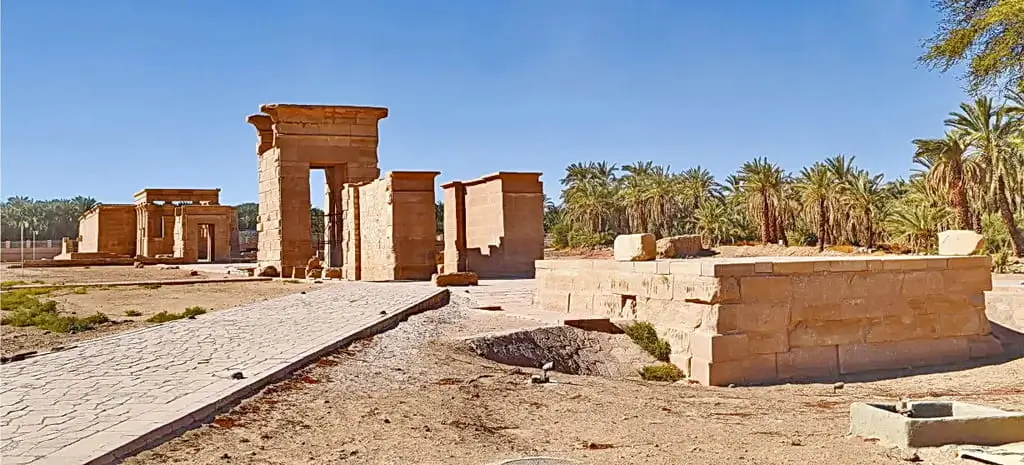
Deep within the shifting sands of the Kharga Oasis stands a lonely, magnificent monument. This is the Temple of Hibis. Located roughly 500 kilometers southwest of Cairo in Egypt’s Western Desert, this ancient sanctuary remains a brilliant crown jewel of desert archaeology. It represents a fascinating crossroad of cultures where local desert traditions beautifully collided with vast foreign empires.
Temple of Hibis: A Unique Survivor of Persian Rule
What makes the Temple of Hibis unique in the world of Egyptology is its timing and miraculous survival. It stands today as the only major temple building from the Saite-Persian Period (6th–5th centuries BCE) that still survives relatively intact.
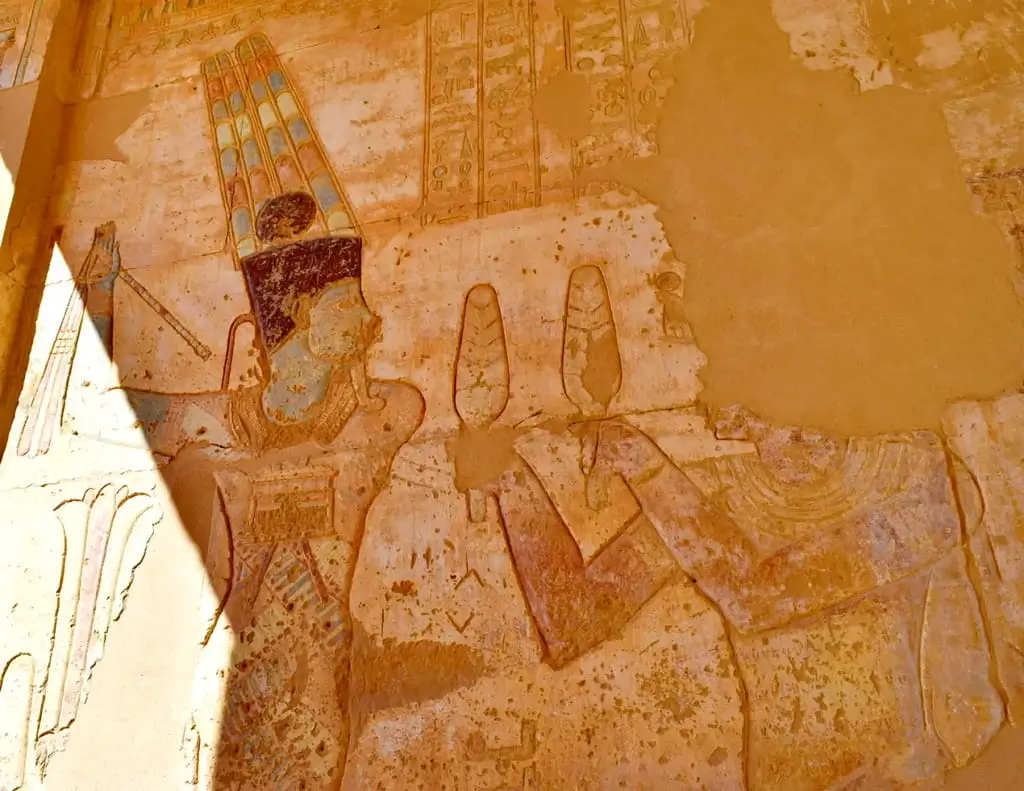
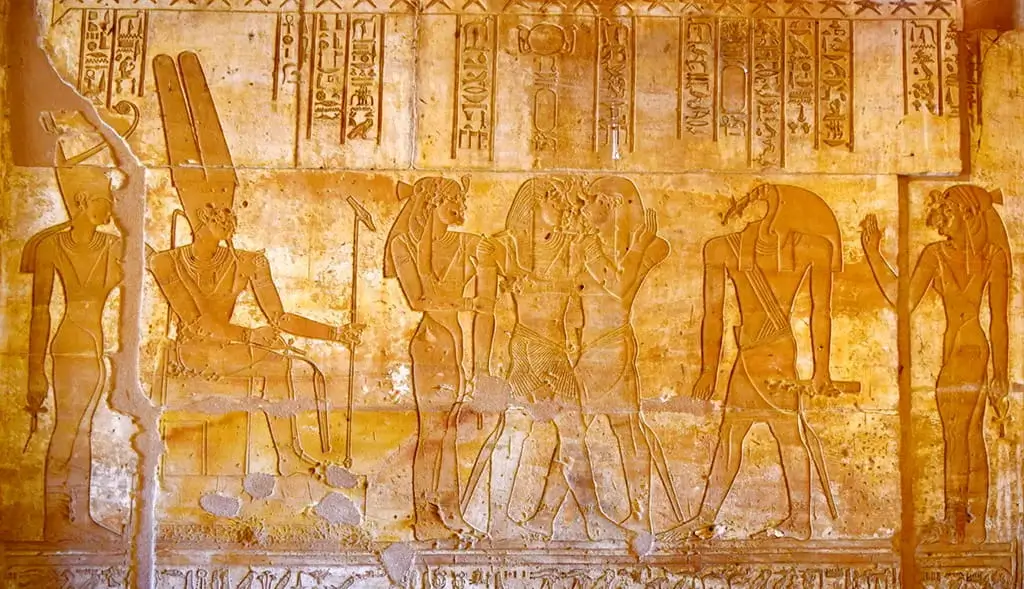
During an era when the mighty Persian Achaemenid Empire conquered and ruled Egypt, Persian emperors chose a surprising strategy. Instead of destroying local culture, rulers like Darius the Great funded, expanded, and decorated this grand desert sanctuary. They deliberately chose to portray themselves on these walls as traditional, pious Egyptian pharaohs.
Temple of Hibis: A Hidden Oasis Wonder
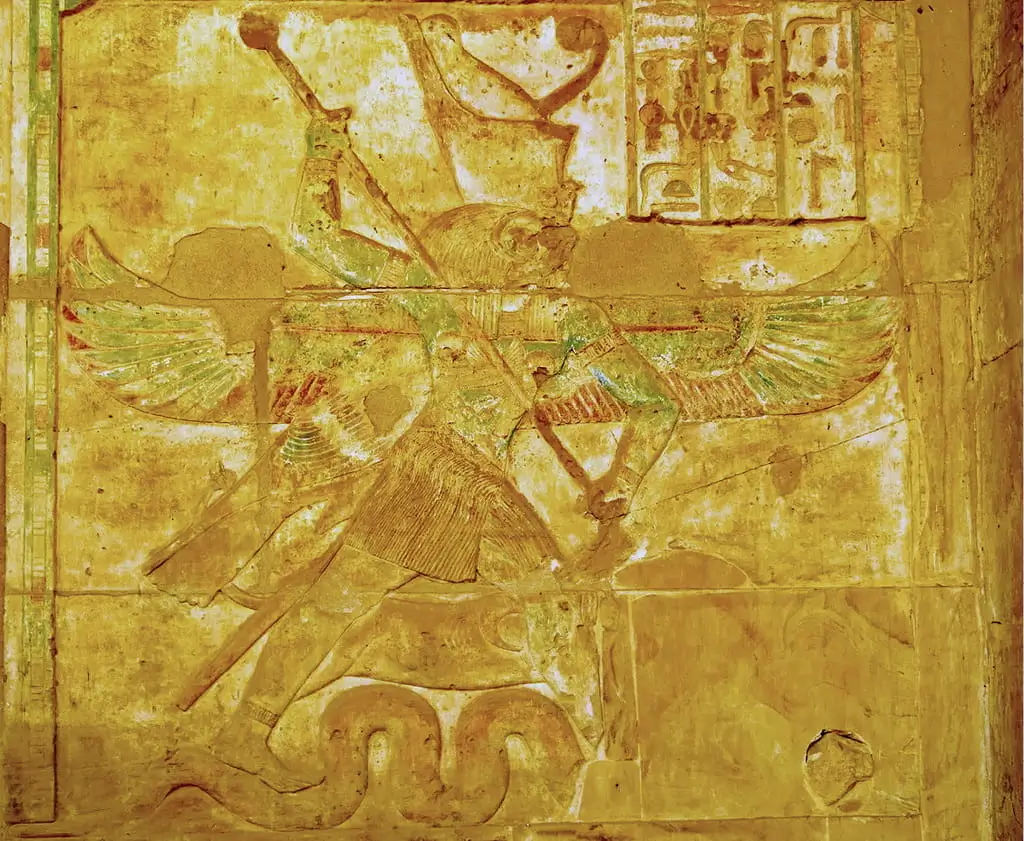
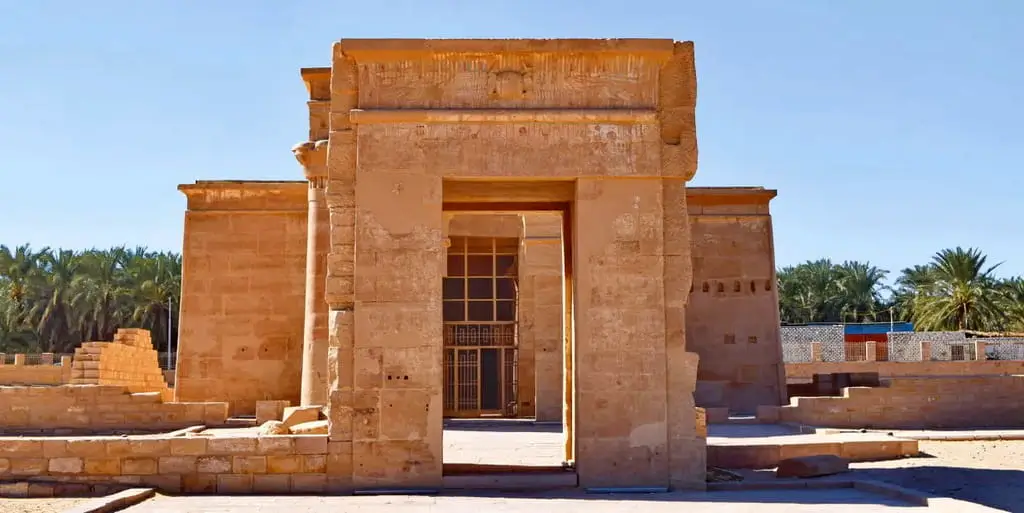
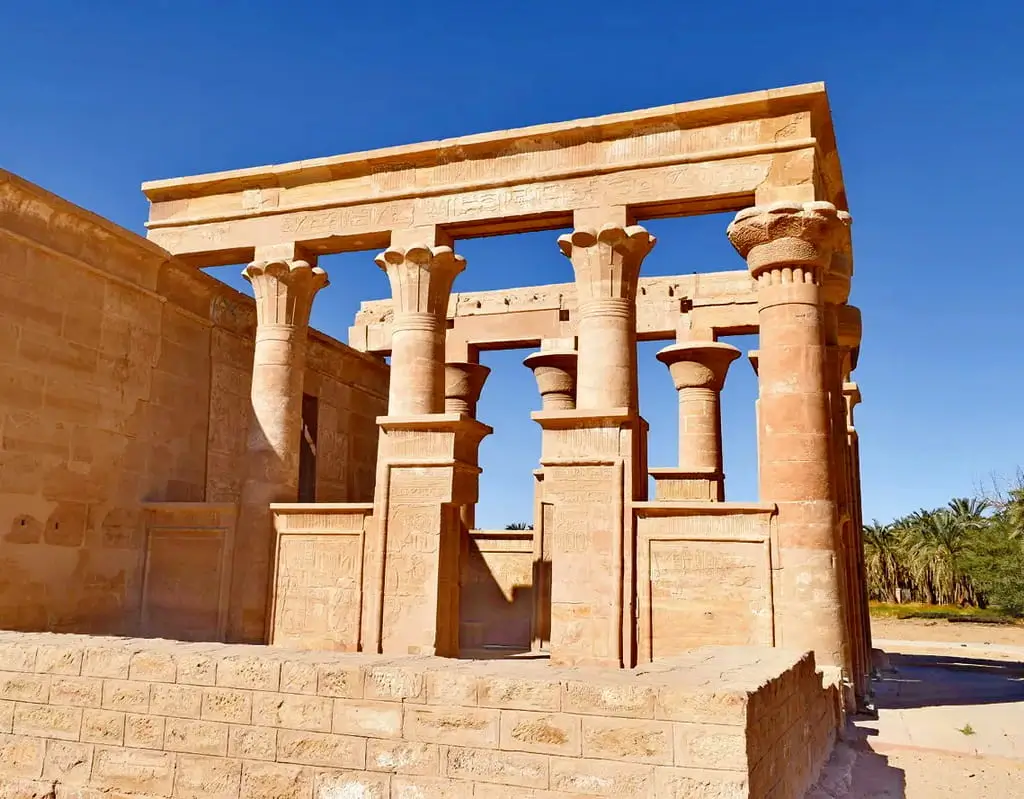
Today, the Temple of Hibis functions as a breathtaking open-air museum. For centuries, the remote desert sands protected its towering stone gateways, elegant columned kiosks, and deeply carved reliefs from destruction. From its intricate walls depicting hundreds of Egyptian deities to a famous, massive Roman legal inscription, this temple offers an unparalleled look into Egypt’s imperial past. For any traveler or history enthusiast, a journey to Hibis reveals a forgotten chapter of pharaonic history preserved in the heart of the desert.